
Grinding mill price & cost analysis for dolomite for soil conditioner in libya
Grinding Mill Price & Cost Analysis for Dolomite Soil Conditioner Production in Libya
The agricultural sector in Libya faces significant challenges due to the country’s arid climate and soil conditions. Dolomite, a calcium magnesium carbonate mineral, has emerged as a valuable soil amendment that can improve soil structure, provide essential nutrients, and neutralize acidic soils. However, the economic viability of producing dolomite-based soil conditioners heavily depends on selecting the right grinding equipment that balances initial investment with long-term operational costs.
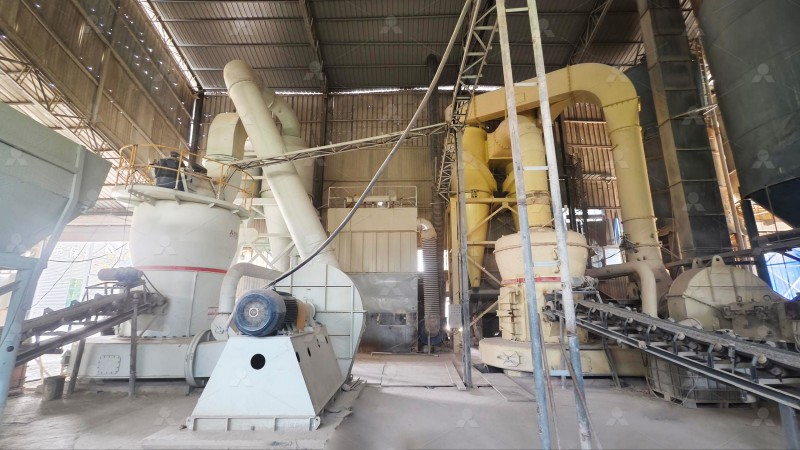
The Libyan Agricultural Context and Dolomite Requirements
Libya’s agricultural lands predominantly feature alkaline soils with pH levels ranging from 7.5 to 8.5. While this might suggest limited need for pH adjustment, many regions suffer from magnesium deficiency and poor soil structure. Dolomite application addresses these issues while providing the secondary benefit of calcium supplementation. The optimal particle size for soil conditioner applications typically falls between 150-325 meshes, which ensures adequate surface area for rapid reaction while minimizing dust issues during application.
Local dolomite deposits in regions like Jabal Nafusah and the Kufra Basin provide raw material sources, but transportation costs to agricultural areas must be factored into the overall economic analysis. The grinding process typically represents 60-70% of the total processing cost for dolomite soil conditioners, making equipment selection critical for project viability.
Key Factors in Grinding Mill Selection for Dolomite Processing
When evaluating grinding mills for dolomite soil conditioner production, several factors specific to the Libyan context must be considered:
- Particle Size Requirements: Soil conditioners require consistent particle size distribution between 150-325 meshes for optimal performance
- Production Capacity: Typical Libyan agricultural operations require 5-20 tons per hour depending on seasonal demand patterns
- Energy Efficiency: With Libya’s electricity costs fluctuating, energy consumption directly impacts operational expenses
- Environmental Considerations: Dust control is essential in arid regions to minimize product loss and environmental impact
- Maintenance Requirements: Limited technical support infrastructure in rural areas necessitates reliable, low-maintenance equipment
- Initial Investment vs. Operating Costs: Balancing capital expenditure with long-term operational efficiency
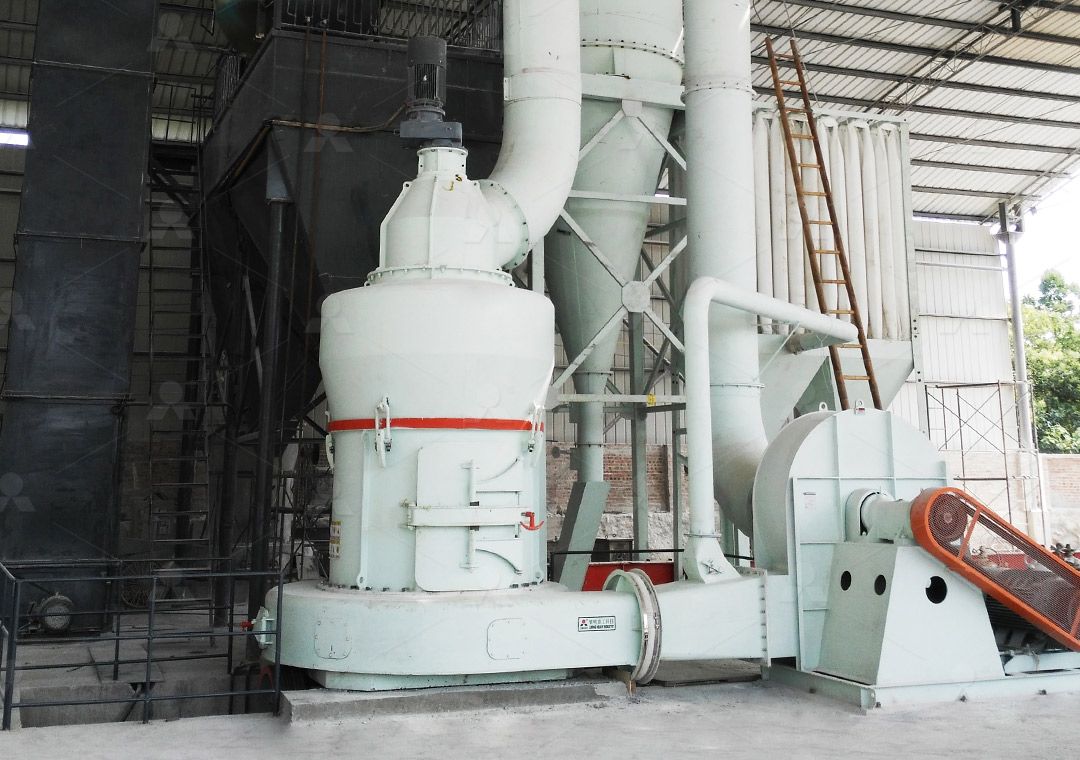
Technical Analysis of Grinding Mill Options
Various grinding technologies offer different advantages for dolomite processing. Traditional ball mills, while having lower initial costs, typically consume 30-50% more energy than modern vertical mills and ultrafine grinding systems. Raymond mills provide a middle ground with reasonable efficiency for coarser applications but may struggle with the precise particle control needed for premium soil conditioners.
The most significant operational cost differentiator lies in energy consumption. For a typical 10 tph dolomite grinding operation in Libya, energy costs can represent 40-60% of total operating expenses. Additionally, wear part replacement costs vary significantly between technologies, with some systems requiring roller and ring replacements every 800-1,200 operating hours, while more advanced designs extend this to 2,000-3,000 hours.
Recommended Solution: MW Ultrafine Grinding Mill
For Libyan dolomite soil conditioner production, the MW Ultrafine Grinding Mill presents an optimal balance of performance characteristics and economic viability. With an input size capacity of 0-20 mm and production range of 0.5-25 tph, this equipment matches typical Libyan production requirements perfectly.
The MW Series demonstrates exceptional efficiency in dolomite processing, achieving 40% higher production capacity than jet grinding mills and double the output of ball mills with equivalent power consumption. For Libyan operators, this translates to significantly lower energy costs – approximately 30% of jet mill consumption – while maintaining precise control over particle size distribution between 325-2500 meshes.
Several design features make the MW Ultrafine Grinding Mill particularly suitable for Libyan conditions. The absence of rolling bearings and screws in the grinding chamber eliminates common failure points and reduces maintenance requirements – a critical advantage in regions with limited technical support. The integrated pulse dust collector ensures environmentally friendly operation, containing dolomite dust that could otherwise create environmental challenges in arid regions.
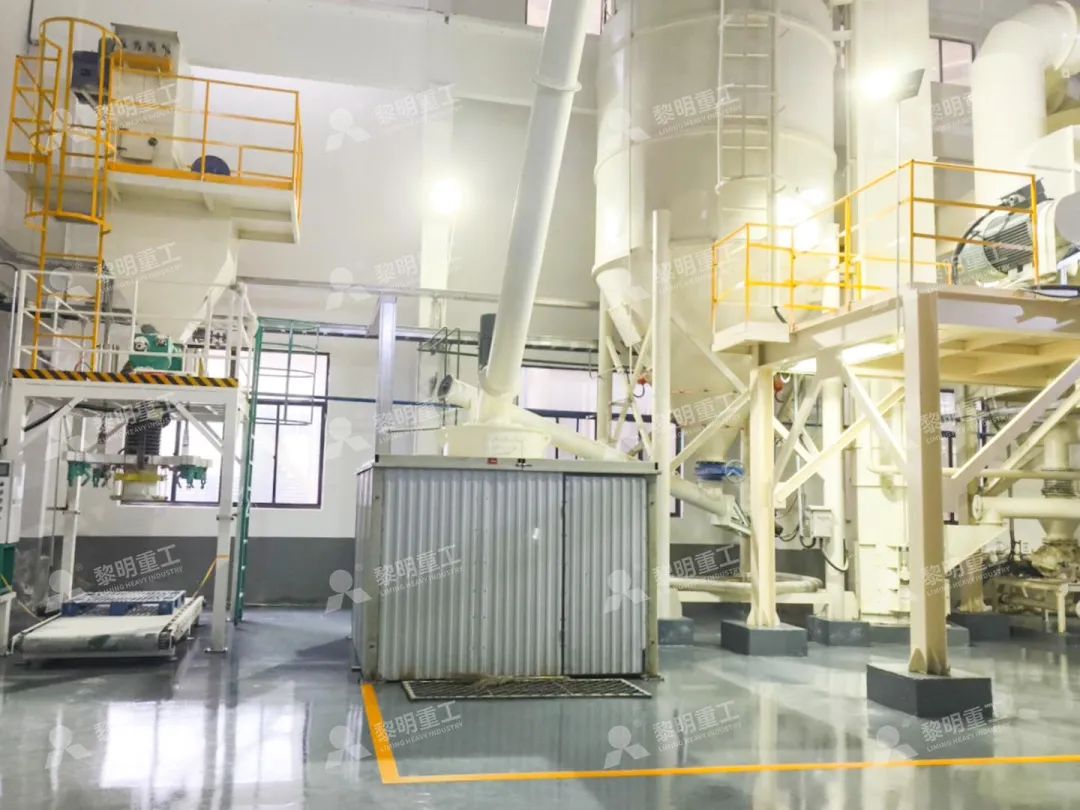
Economic Analysis and Return on Investment
A comprehensive cost analysis for a typical Libyan dolomite soil conditioner operation with 15 tph capacity shows compelling economics for the MW Ultrafine Grinding Mill. The initial investment is approximately 25-35% higher than traditional Raymond mills but delivers payback within 12-18 months through operational savings.
Key economic advantages include:
- Energy Savings: $45,000-65,000 annually compared to traditional ball mills
- Reduced Maintenance: 40-50% lower spare parts consumption and reduced downtime
- Higher Product Value: Consistent particle size distribution commands premium pricing
- Environmental Compliance: Minimal additional investment required for dust control
- Operational Flexibility: Ability to adjust product fineness for different market segments
Alternative Consideration: LUM Ultrafine Vertical Grinding Mill
For operations requiring higher precision and dealing with varying dolomite qualities, the LUM Ultrafine Vertical Grinding Mill offers complementary advantages. With its input size of 0-10 mm and capacity range of 5-18 tph, this system incorporates advanced German powder separating technology and Taiwanese grinding roller innovations.
The LUM Series particularly excels in situations where raw material quality varies, as its unique roller shell and lining plate grinding curve design maintains consistent output quality. The double position-limiting technology ensures operational stability – a valuable feature given Libya’s sometimes unstable power supply conditions. For operations focused on premium soil conditioner products with strict quality specifications, the LUM system provides exceptional control over final product characteristics.
Implementation Considerations for Libyan Operations
Successful implementation of dolomite grinding operations in Libya requires careful planning around several local factors. The availability of technical support, spare parts logistics, operator training, and integration with existing agricultural supply chains all influence the ultimate success of soil conditioner production facilities.
We recommend a phased approach beginning with comprehensive material testing to determine optimal grinding parameters for specific dolomite sources. Pilot testing with actual production samples ensures equipment selection aligns with both technical requirements and economic objectives. Our local technical partners can provide installation supervision, operator training, and ongoing support to maximize operational efficiency.
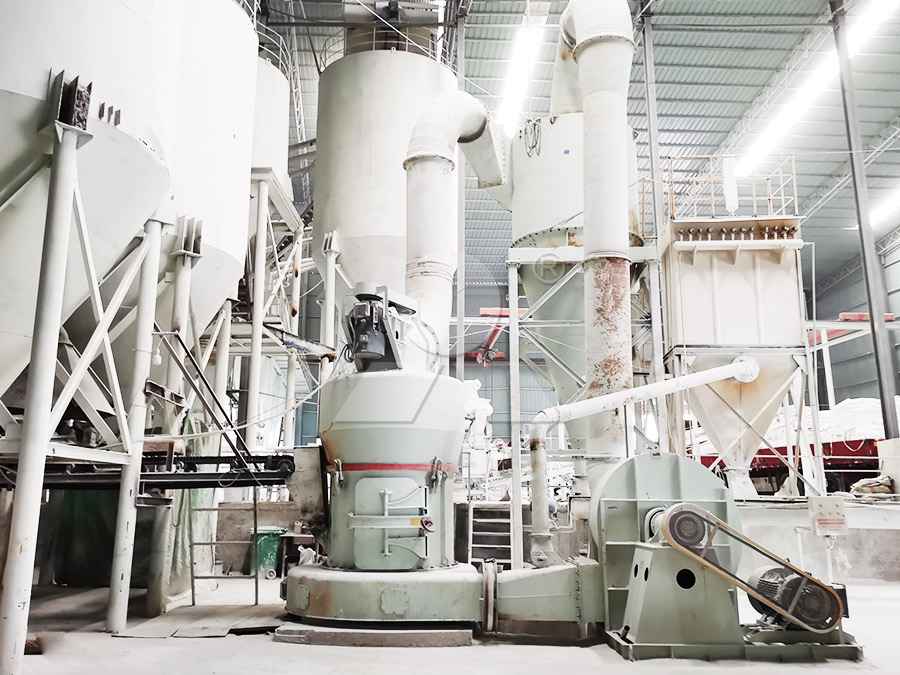
Conclusion
The selection of appropriate grinding technology represents the most significant decision in establishing economically viable dolomite soil conditioner production in Libya. While multiple options exist, the MW Ultrafine Grinding Mill delivers the optimal balance of capital efficiency, operational economy, and product quality for most Libyan applications. Its superior energy efficiency, low maintenance requirements, and environmental performance make it particularly well-suited to the unique challenges and opportunities of the Libyan agricultural market.
Through careful technical evaluation and economic analysis, Libyan agricultural enterprises can develop profitable dolomite soil conditioner operations that simultaneously address soil health challenges and create sustainable business opportunities. The right grinding equipment selection serves as the foundation for long-term success in this growing market segment.
Frequently Asked Questions
What is the typical payback period for investing in advanced grinding mills for dolomite processing?
Most operations achieve payback within 12-24 months through energy savings, reduced maintenance costs, and higher product quality enabling premium pricing.
How does particle size affect dolomite’s effectiveness as a soil conditioner?
Finer particles (150-325 meshes) react more quickly with soil, providing faster correction of pH and nutrient availability, while coarser materials offer longer-lasting effects.
What maintenance requirements should Libyan operators anticipate?
The MW Ultrafine Grinding Mill requires primarily routine inspections and lubrication, with major wear part replacement typically needed after 2,000-3,000 operating hours depending on dolomite abrasiveness.
Can the same equipment process other agricultural minerals?
Yes, both MW and LUM series mills effectively process limestone, gypsum, phosphate rocks, and other agricultural minerals, providing operational flexibility.
How does power supply instability in some Libyan regions affect grinding mill operation?
Modern grinding mills incorporate protection systems for power fluctuations, and we recommend voltage stabilizers for areas with significant power quality issues.
What technical support is available for Libyan operations?
We provide comprehensive technical support including installation supervision, operator training, and remote assistance, with local partners in major agricultural regions.
How does humidity affect dolomite grinding efficiency?
While Libya’s arid climate generally favors grinding operations, materials with moisture content above 5% may require pre-drying for optimal grinding efficiency.
What production capacity range is most suitable for medium-scale Libyan operations?
Most successful medium-scale operations utilize 8-15 tph systems, balancing investment costs with market demand and operational efficiency.