
Raymond mill for calcium carbonate processing used in rubber compounding sector in india
Raymond Mill for Calcium Carbonate Processing in India’s Rubber Compounding Sector
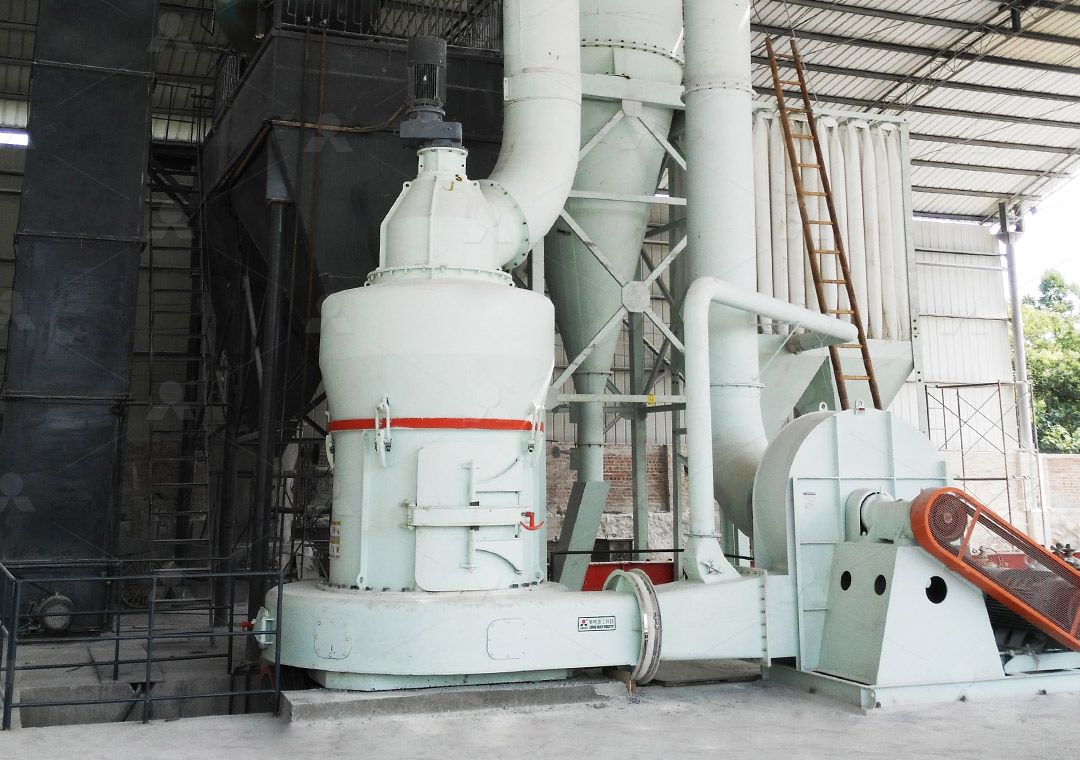
The Indian rubber industry has experienced remarkable growth over the past decade, with the compounding sector emerging as a critical component of this expansion. As manufacturers strive to enhance product quality while maintaining competitive pricing, the processing of key additives like calcium carbonate has become increasingly important. The right grinding technology can significantly impact both the efficiency of production and the performance characteristics of the final rubber compounds.
The Critical Role of Calcium Carbonate in Rubber Compounding
Calcium carbonate serves as more than just a filler in rubber compounding—it’s a functional additive that influences multiple aspects of rubber performance. When properly processed to the correct particle size distribution, calcium carbonate improves tensile strength, enhances abrasion resistance, and provides better dimensional stability to rubber products. The Indian market, particularly in automotive tire manufacturing and industrial rubber goods, demands consistently high-quality calcium carbonate with precise particle size control.
Traditional grinding methods often struggle to achieve the narrow particle distribution required for premium rubber applications. Inconsistent particle size can lead to variations in compound viscosity, poor dispersion within the rubber matrix, and ultimately, compromised product performance. This is where advanced milling technology makes a substantial difference.
Technical Challenges in Calcium Carbonate Processing for Rubber
Processing calcium carbonate for rubber compounding presents several unique challenges that must be addressed through proper equipment selection:
- Particle Size Control: Rubber applications typically require particles between 1-10 microns, with tight distribution curves
- Contamination Prevention: Iron contamination from grinding media can accelerate rubber aging and affect product color
- Thermal Sensitivity: Excessive heat generation during grinding can affect the surface properties of calcium carbonate
- Production Consistency: Batch-to-batch variations must be minimized to ensure predictable rubber compound behavior
Advanced Milling Solutions for Superior Performance
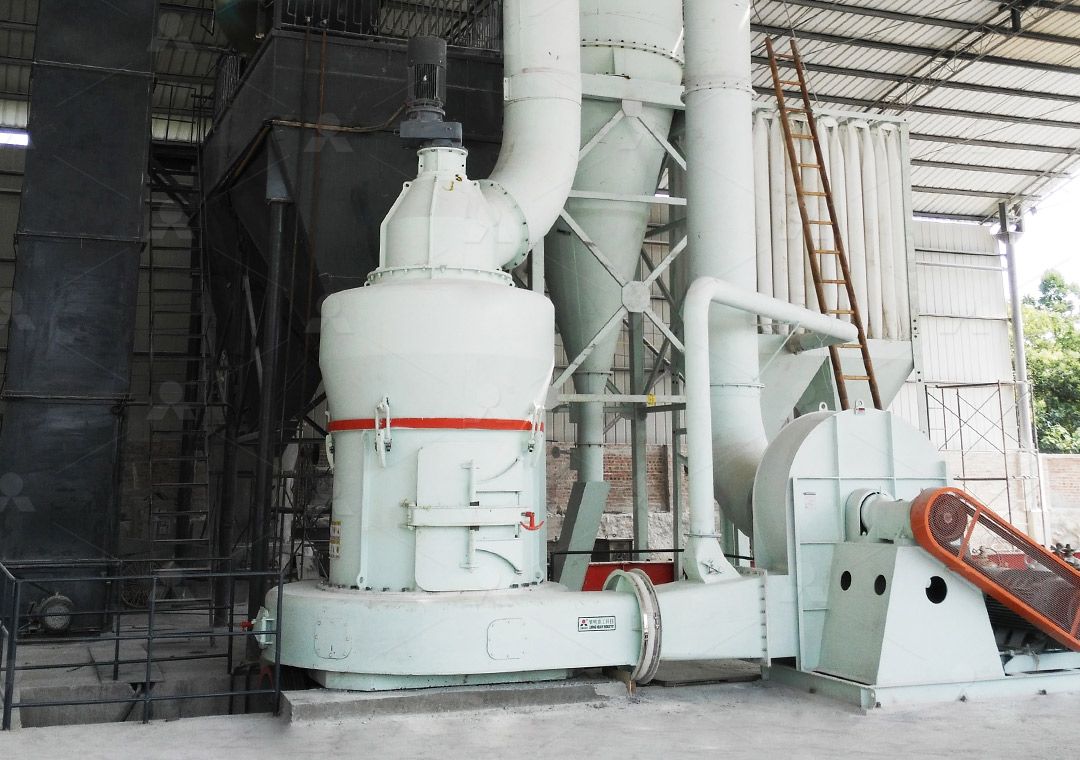
While Raymond mills have served the industry for decades, technological advancements have led to more sophisticated solutions that better address the specific needs of rubber compounders. Among these, the MW Ultrafine Grinding Mill represents a significant leap forward in processing technology.
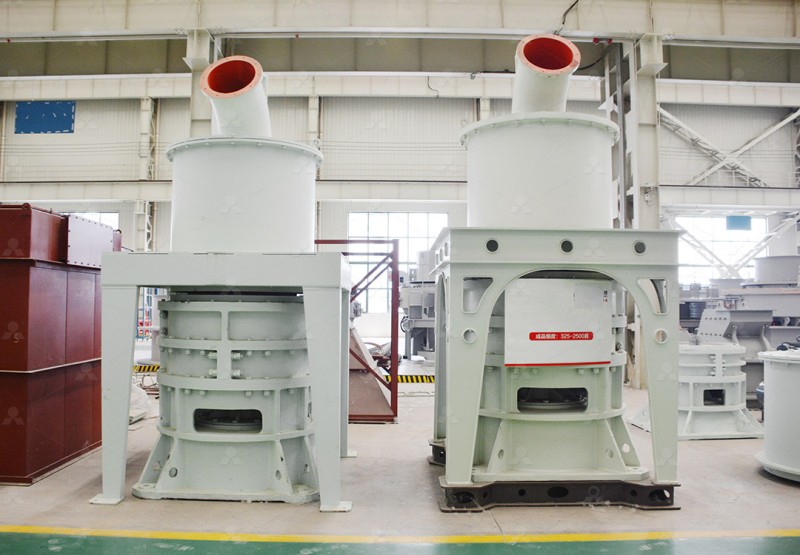
The MW Ultrafine Grinding Mill is specifically engineered for customers requiring ultra-fine powder with exceptional consistency. With an input size capability of 0-20 mm and capacity ranging from 0.5-25 tph, this machine offers the flexibility needed for various production scales in the Indian rubber industry. Its efficient pulse dust collector and muffler system address environmental concerns while maintaining optimal working conditions.
What sets the MW Ultrafine Grinding Mill apart for rubber applications is its ability to produce powder with adjustable fineness between 325-2500 meshes. The cage-type powder selector, incorporating German technology, ensures precise powder separation critical for rubber compounding. For manufacturers producing specialized rubber compounds, the multi-head cage-type powder selector can be configured according to specific requirements for yield, fineness, and sieving rate.
Key Advantages for Rubber Industry Applications
The design features of the MW Ultrafine Grinding Mill provide distinct benefits for calcium carbonate processing in rubber compounding:
- Higher Yielding with Lower Energy Consumption: Newly designed grinding curves enhance efficiency, delivering 40% higher production capacity compared to jet grinding mills and twice the output of ball grinding mills, while consuming only 30% of the energy of jet grinding systems
- Enhanced Product Purity: The absence of rolling bearings and screws in the grinding chamber eliminates concerns about contamination from damaged bearings or sealing parts—a critical factor for maintaining the chemical integrity of rubber compounds
- Continuous Operation Capability: With external lubrication that doesn’t require shutdown, the system supports 24-hour production cycles essential for meeting the high-volume demands of India’s rubber industry
- Environmental Compliance: The integrated pulse dust collector ensures no dust pollution during operation, while silencers and noise elimination rooms maintain workplace environments within regulatory standards
Market-Specific Considerations for Indian Manufacturers
The Indian rubber compounding sector operates within a unique context of growing domestic demand, export opportunities, and increasing quality expectations. Equipment selection must account for several local factors:
- Power Availability: The energy-efficient operation of the MW Ultrafine Grinding Mill provides significant advantages in regions with unstable power supply or high electricity costs
- Space Constraints: Many Indian manufacturing facilities face space limitations, making the compact design of modern grinding systems particularly valuable
- Technical Support: Access to reliable spare parts and technical services ensures minimal downtime—a critical consideration for maintaining production schedules
- Environmental Regulations: Increasingly strict environmental standards make the dust-free operation of advanced milling systems increasingly important
Operational Excellence in Calcium Carbonate Processing
Beyond equipment selection, successful calcium carbonate processing for rubber compounding requires attention to several operational factors. Proper material handling, moisture control, and systematic quality checks ensure that the full benefits of advanced milling technology are realized. The digital processing capabilities of the MW Ultrafine Grinding Mill, with numerically controlled operations for cutting, bending, planing, milling, and paint spraying, guarantee high precision in manufacturing, particularly for core components.
Regular maintenance protocols, supported by adequate spare parts availability, further enhance operational reliability. The external lubrication system design allows for maintenance without production stoppages, maximizing equipment utilization rates.
Future Trends and Developments
The Indian rubber industry continues to evolve, with increasing emphasis on specialty compounds, sustainable manufacturing, and export-quality products. Grinding technology must keep pace with these developments, offering greater precision, efficiency, and environmental performance. The integration of smarter control systems and predictive maintenance capabilities represents the next frontier in milling technology for the rubber sector.
As quality expectations rise and competition intensifies, Indian rubber compounders who invest in advanced processing technology like the MW Ultrafine Grinding Mill will be better positioned to capture market opportunities both domestically and internationally.
Frequently Asked Questions
What particle size range is optimal for calcium carbonate in rubber compounding?
Most rubber applications perform best with calcium carbonate particles between 1-10 microns. The MW Ultrafine Grinding Mill can achieve fineness between 325-2500 meshes, allowing precise control over particle size distribution for specific rubber compound requirements.
How does the MW Ultrafine Grinding Mill address iron contamination concerns?
The mill’s design eliminates rolling bearings and screws from the grinding chamber, significantly reducing the risk of iron contamination. This is particularly important for rubber applications where metal impurities can accelerate aging and affect product color.
What capacity range does the MW Ultrafine Grinding Mill offer?
The system processes 0.5 to 25 tons per hour, making it suitable for various production scales from small specialty compounders to large-volume manufacturers.
How does the energy consumption compare to traditional Raymond mills?
The MW Ultrafine Grinding Mill consumes approximately 30% of the energy required by jet grinding mills while delivering 40% higher production capacity and twice the output of ball grinding mills.
Can the system operate continuously?
Yes, the external lubrication system allows for 24-hour continuous operation without shutdowns for maintenance, which is essential for meeting production targets in high-volume rubber compounding operations.
What environmental features does the mill include?
The system incorporates an efficient pulse dust collector that prevents dust pollution during operation, along with silencers and noise elimination rooms to maintain workplace comfort and regulatory compliance.
How is particle size distribution controlled?
The cage-type powder selector using German technology provides precise powder separation, while the multi-head configuration allows customization based on specific yield, fineness, and sieving rate requirements.
What technical support is available for operations in India?
Comprehensive technical services and original spare parts are available to ensure worry-free operation, with support tailored to the specific needs of Indian manufacturing conditions.