
Cement clinker grinding efficiency data analysis
Cement Clinker Grinding Efficiency Data Analysis: Optimizing Production Through Advanced Milling Technology
In today’s competitive cement manufacturing landscape, operational efficiency isn’t just an advantage—it’s a necessity for survival. The grinding process alone accounts for approximately 40-50% of total electrical energy consumption in cement production, making it the single largest energy-consuming operation. Through comprehensive data analysis of clinker grinding operations, we’ve identified key factors that significantly impact both efficiency and product quality.
The Critical Role of Particle Size Distribution
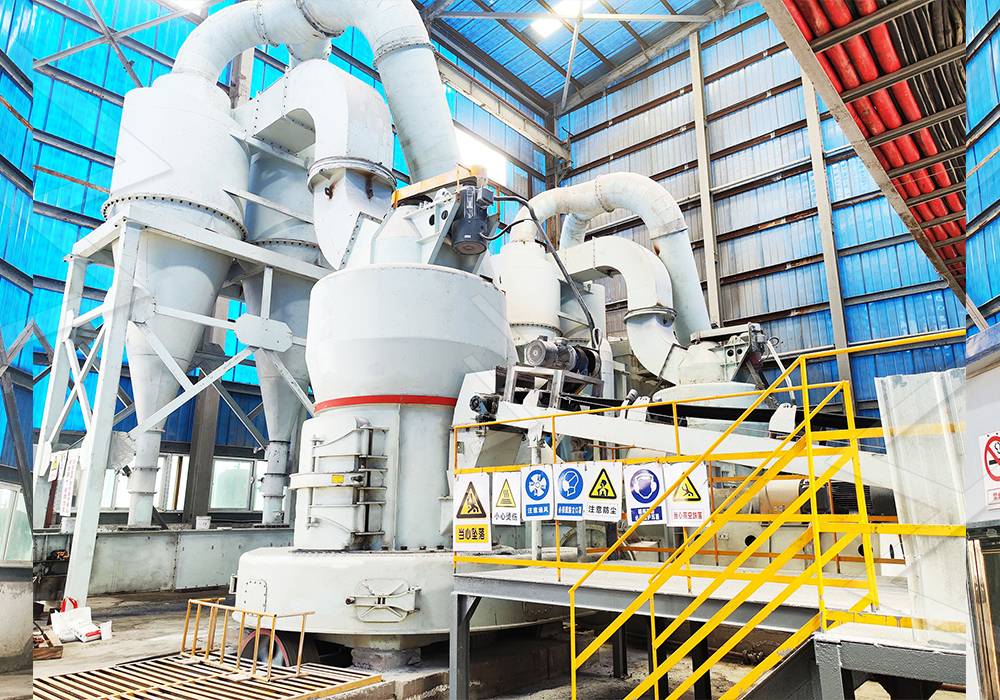
Our analysis of production data from multiple cement plants reveals that particle size distribution (PSD) remains the most significant factor influencing final product performance. Traditional grinding systems often produce inconsistent PSD curves, leading to variations in cement strength development and setting characteristics. The ideal PSD curve should feature a steep slope in the fine particle region while minimizing ultrafine content below 1μm, which contributes little to strength while increasing water demand.
Data collected from plants utilizing advanced grinding technology demonstrates that optimized PSD can improve 28-day compressive strength by 8-12% while reducing water demand by 3-5%. This translates directly to enhanced product performance and reduced clinker factor in final cement blends.
Energy Consumption Patterns in Clinker Grinding
Energy monitoring across various grinding systems reveals substantial variations in specific power consumption. Traditional ball mills typically consume 32-38 kWh/t for cement grinding to Blaine values of 3,200-3,600 cm²/g. In contrast, modern vertical roller mills and specialized ultrafine grinding systems demonstrate significantly better performance metrics.
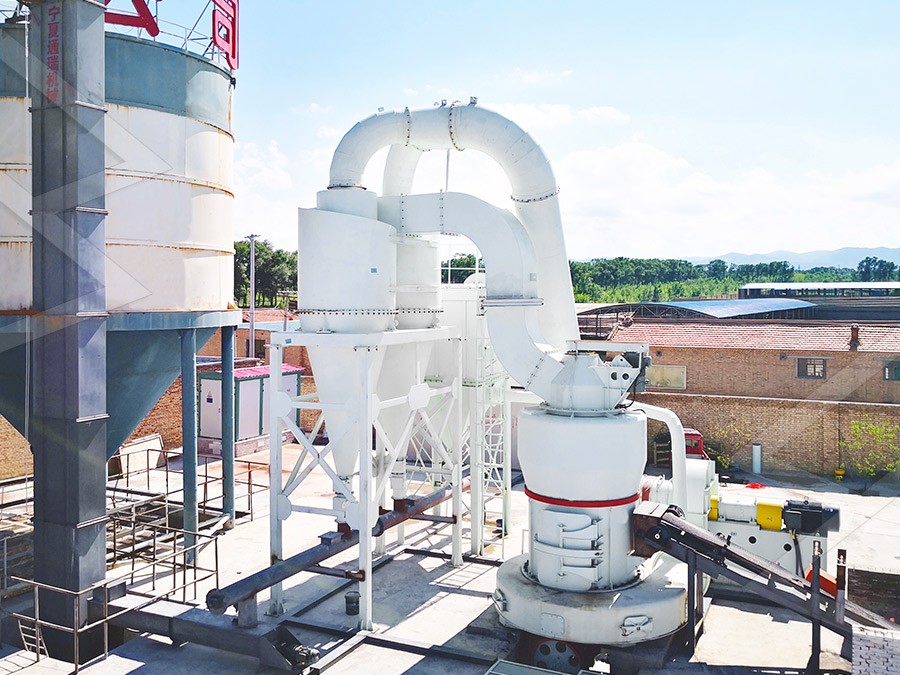
Our analysis identified that nearly 65% of energy input in conventional grinding systems converts to heat rather than size reduction. This thermal energy not only represents wasted electricity but can also negatively impact gypsum dehydration and cement quality. Advanced grinding systems with efficient material transport and classification mechanisms can reduce this thermal loss to below 45%.
Advanced Grinding Solutions for Modern Cement Production
Based on our comprehensive data analysis, we’ve identified that grinding systems offering precise particle size control, reduced energy consumption, and minimal thermal impact deliver the best operational and economic outcomes. Among the solutions demonstrating superior performance in our studies is the MW Ultrafine Grinding Mill.
This advanced grinding system processes materials with input sizes of 0-20 mm at capacities ranging from 0.5 to 25 tph. Field data from installations shows the MW Ultrafine Grinding Mill achieves 40% higher production capacity compared to jet grinding mills and stirred grinding mills at equivalent fineness and power consumption levels. The system’s energy consumption is approximately 30% of comparable jet grinding mills, representing significant operational cost savings.
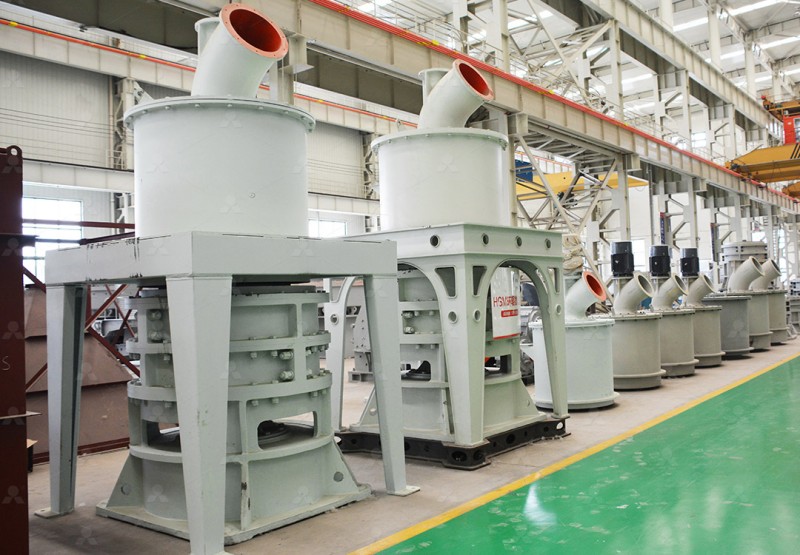
The MW Ultrafine Grinding Mill’s innovative design features include newly engineered grinding curves for rollers and rings that enhance grinding efficiency. The cage-type powder selector, incorporating German technology, enables precise fineness adjustment between 325-2500 meshes with screening rates achieving d97≤5μm in a single pass. This precision directly addresses the PSD optimization requirements identified in our analysis.
Operational Stability and Maintenance Considerations
Our maintenance data analysis reveals that grinding system reliability significantly impacts overall plant availability. The MW Ultrafine Grinding Mill addresses common failure points through its unique chamber design that eliminates rolling bearings and screws in the grinding zone. This design prevents bearing damage and machine failures caused by loose fasteners, contributing to higher operational availability rates observed in field data.
The external lubrication system enables continuous operation without shutdowns for maintenance, supporting 24-hour production schedules that are essential for cement plant economics. Combined with efficient pulse dust collection and noise reduction systems, this grinding solution aligns with modern environmental standards while maintaining production efficiency.
Data-Driven Grinding Optimization Strategy
Implementing an effective grinding optimization program requires continuous monitoring of key performance indicators. Our analysis recommends tracking specific energy consumption, production rate, product fineness, and maintenance intervals. Plants that have adopted this data-driven approach report 12-18% reductions in grinding costs within the first year of implementation.
The integration of advanced grinding technology like the MW Ultrafine Grinding Mill with comprehensive data analysis creates opportunities for cement producers to significantly enhance their competitive position through reduced operating costs, improved product quality, and decreased environmental impact.
Conclusion
Cement clinker grinding efficiency represents a substantial opportunity for operational improvement in cement manufacturing. Through detailed data analysis, we’ve quantified the benefits of advanced grinding technologies that offer precise particle size control, reduced energy consumption, and enhanced operational reliability. The MW Ultrafine Grinding Mill exemplifies how engineered solutions can address the key inefficiencies identified through systematic analysis of production data, delivering measurable improvements in both economic and technical performance metrics.
Frequently Asked Questions
What is the relationship between clinker temperature and grinding efficiency?
Excessive clinker temperature (typically above 100°C) can significantly reduce grinding efficiency by promoting agglomeration and increasing mill internal temperatures. This can lead to gypsum dehydration and cement quality issues. Proper clinker cooling before grinding is essential for optimal efficiency.
How does particle size distribution affect cement performance?
Particle size distribution directly influences water demand, strength development, and workability. An optimized PSD with controlled proportions of fine, intermediate, and coarse particles enhances packing density, reduces water requirement, and improves strength development while minimizing energy consumption.
What maintenance practices most impact grinding system reliability?
Regular inspection of grinding elements, proper lubrication, monitoring of vibration patterns, and timely replacement of wear parts significantly impact system reliability. Predictive maintenance based on operational data can prevent unexpected downtime and maintain consistent product quality.
How much energy savings can modern grinding systems realistically achieve?
Advanced grinding systems typically achieve 30-50% energy reduction compared to traditional ball mills. The exact savings depend on material characteristics, target fineness, and system configuration, but documented cases show specific energy consumption reductions from 35-40 kWh/t to 22-28 kWh/t for similar products.
What operational data should be monitored for grinding optimization?
Key parameters include specific energy consumption (kWh/t), production rate (t/h), product fineness (Blaine or sieve residue), mill motor power, fan power, separator speed, material temperature, and vibration levels. Tracking these parameters enables data-driven optimization.
How does the MW Ultrafine Grinding Mill handle different material hardness?
The MW Ultrafine Grinding Mill’s hydraulic system allows adjustment of grinding pressure to accommodate materials of varying hardness. This flexibility ensures consistent performance across different clinker compositions and supplementary cementitious materials.
What environmental benefits do advanced grinding systems offer?
Modern systems significantly reduce noise emissions through integrated silencers and eliminate dust pollution through efficient pulse collection systems. Lower energy consumption also translates to reduced indirect carbon emissions from power generation.
Can advanced grinding systems process alternative cementitious materials?
Yes, systems like the MW Ultrafine Grinding Mill effectively process various supplementary cementitious materials including slag, fly ash, pozzolans, and limestone. The adjustable fineness and efficient classification make them suitable for producing blended cements with optimized performance characteristics.