
Roller mill price & cost analysis for quicklime for mortar additive in tunisia
Roller Mill Price & Cost Analysis for Quicklime Mortar Additive Production in Tunisia
The Tunisian construction industry has experienced significant growth in recent years, driving increased demand for high-quality mortar additives. Quicklime, a key component in modern mortar formulations, requires precise grinding to achieve the optimal particle size distribution for enhanced binding properties and workability. This comprehensive analysis examines the economic and technical considerations for selecting roller mill equipment for quicklime processing in Tunisia’s unique market conditions.
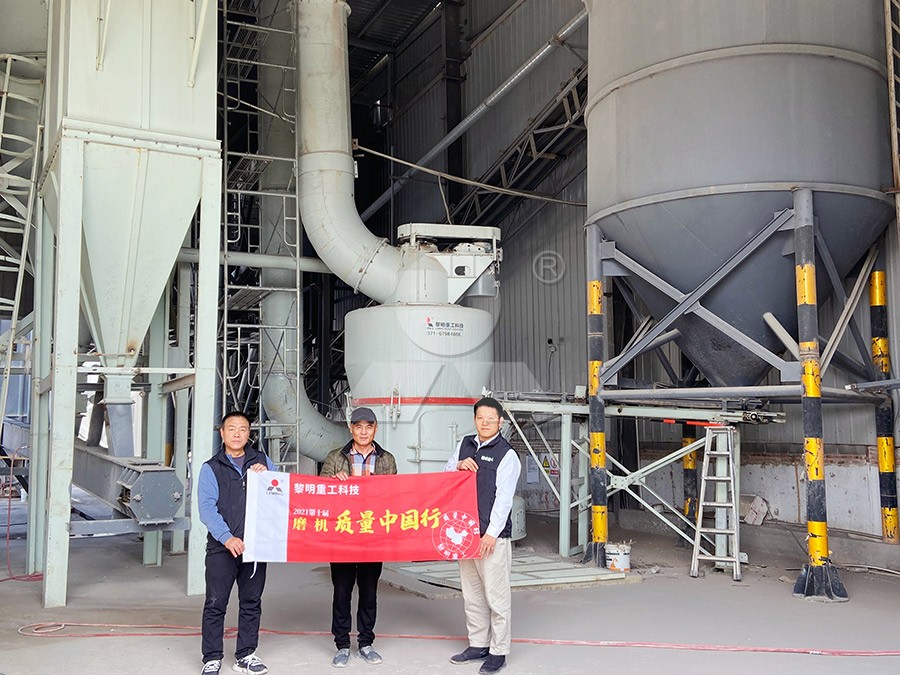
Market Context: Tunisia’s Construction Materials Sector
Tunisia’s building materials sector has evolved considerably, with increasing emphasis on product quality and manufacturing efficiency. The country’s strategic position in North Africa creates opportunities for both domestic consumption and export to neighboring markets. Quicklime mortar additives represent a growing segment, particularly as construction standards become more stringent and developers seek improved material performance.
The Tunisian industrial landscape presents specific challenges for grinding operations, including varying raw material characteristics, energy cost considerations, and environmental compliance requirements. Equipment selection must account for these factors while ensuring competitive operating costs and consistent product quality.
Technical Requirements for Quicklime Grinding
Quicklime (calcium oxide) presents unique grinding challenges due to its hygroscopic nature and the heat generated during comminution. Optimal mortar additive performance requires precisely controlled particle size distribution, typically ranging from 100 to 400 mesh. The grinding system must manage the exothermic reaction during processing while maintaining product consistency and preventing hydration.
Traditional ball mills, while initially less expensive, often prove inefficient for quicklime applications due to excessive heat generation, high energy consumption, and limited particle size control. Modern roller mill technology addresses these limitations through advanced grinding mechanisms and integrated classification systems.
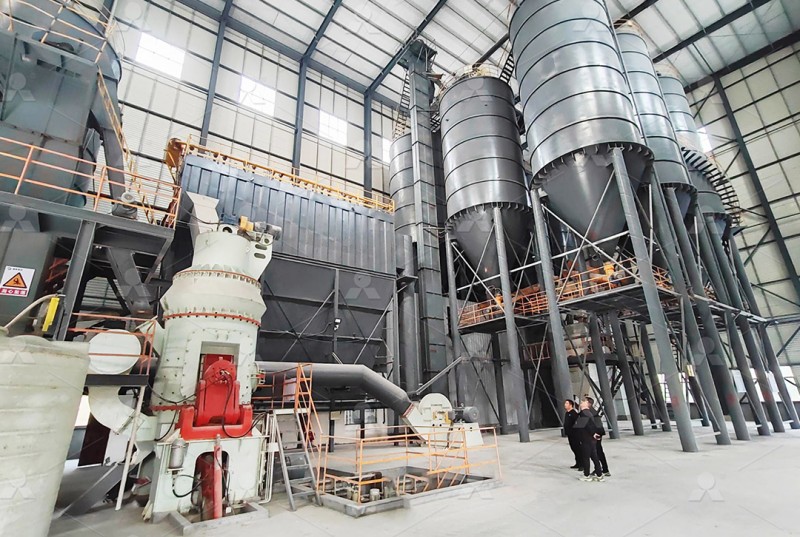
Equipment Analysis: MW Ultrafine Grinding Mill for Tunisian Applications
For Tunisian producers seeking to optimize their quicklime mortar additive operations, the MW Ultrafine Grinding Mill presents a compelling solution. This system combines advanced German powder separation technology with robust construction specifically suited to the challenges of quicklime processing.
The MW Series offers several distinct advantages for mortar additive production:
- Precision Particle Control: Adjustable fineness between 325-2500 meshes enables producers to tailor product specifications to exact customer requirements, crucial for competing in quality-conscious markets.
- Energy Efficiency: With production capacity 40% higher than jet mills and energy consumption only 30% of comparable systems, the MW Series significantly reduces operating costs – a critical factor given Tunisia’s industrial electricity rates.
- Environmental Compliance: Integrated pulse dust collection and noise reduction systems ensure operations meet Tunisia’s evolving environmental regulations without additional investment in pollution control equipment.
- Maintenance Optimization: The unique design without rolling bearings or screws in the grinding chamber eliminates common failure points, reducing downtime and spare parts inventory costs.
With an input size capacity of 0-20 mm and throughput ranging from 0.5 to 25 tph, the MW Ultrafine Grinding Mill accommodates the production scales most relevant to Tunisian quicklime processors, from specialized additive producers to integrated building materials manufacturers.
Comparative Cost Analysis
A thorough examination of total cost of ownership reveals significant advantages for modern roller mill systems compared to traditional grinding technologies. While initial investment in equipment like the MW Ultrafine Grinding Mill may be higher than basic ball mills, the operational savings typically deliver return on investment within 18-24 months under Tunisian operating conditions.
| Cost Factor | Ball Mill | Traditional Raymond Mill | MW Ultrafine Grinding Mill |
|---|---|---|---|
| Energy Consumption (kWh/t) | 45-55 | 35-45 | 25-32 |
| Wear Parts Replacement Frequency | 6-8 months | 10-12 months | 18-24 months |
| Labor Requirements (operators/shift) | 2-3 | 1-2 | 1 |
| Product Consistency (% within spec) | 85-90% | 90-93% | 96-98% |
The superior energy efficiency of the MW Series becomes particularly significant given Tunisia’s industrial electricity tariffs, which have increased approximately 40% since 2018. Additionally, reduced maintenance requirements and extended component life cycles decrease both direct costs and production interruptions.
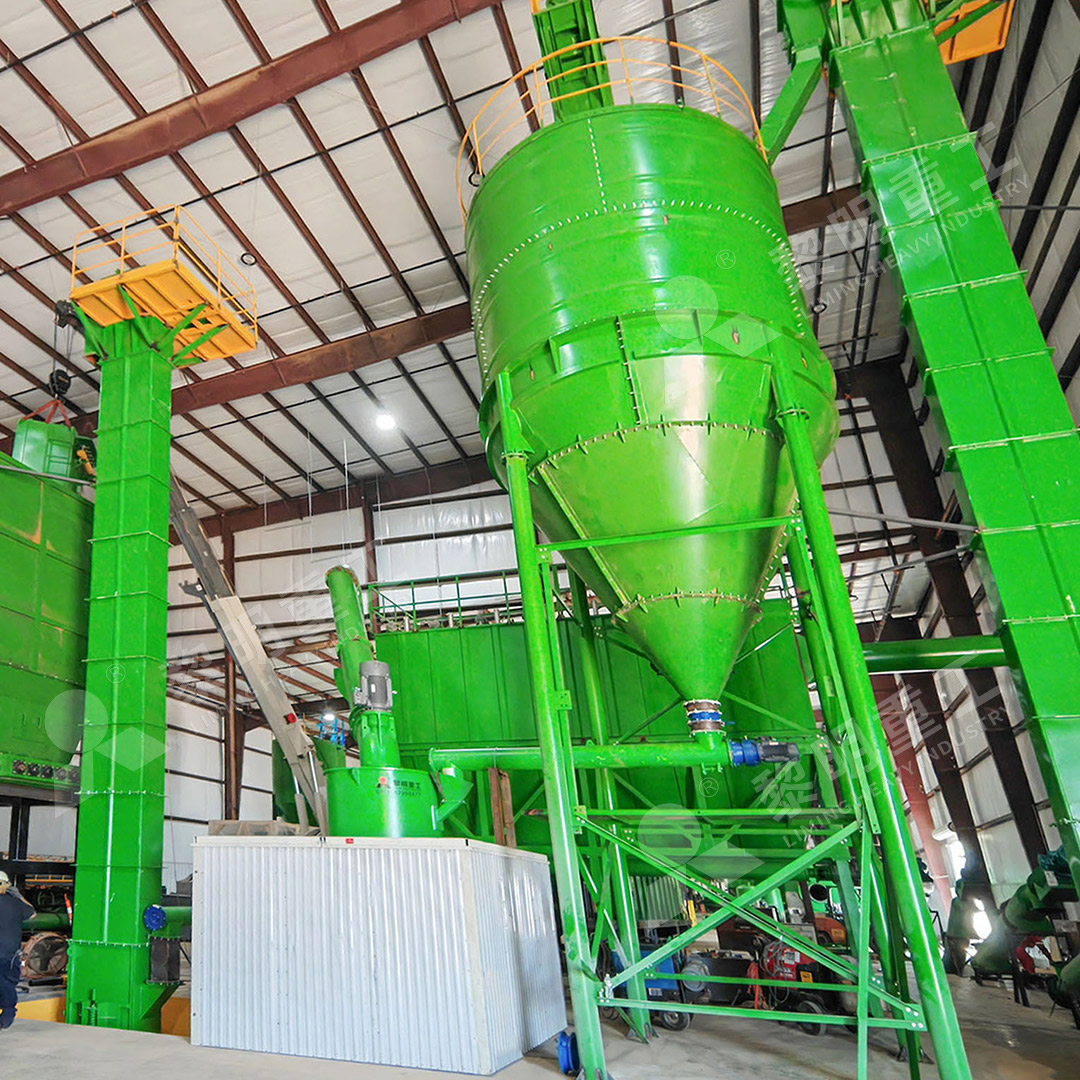
LUM Ultrafine Vertical Grinding Mill: Alternative for Specialized Applications
For operations requiring even finer particle distributions or processing quicklime with particularly challenging characteristics, the LUM Ultrafine Vertical Grinding Mill offers an alternative approach. With input size capacity of 0-10 mm and throughput of 5-18 tph, this system incorporates the latest Taiwanese grinding roller technology and German powder separation techniques.
The LUM Series excels in applications where product whiteness and purity are paramount, featuring unique roller shell and lining plate grinding curves that generate material layers more effectively. The reversible structure simplifies maintenance access, while double position-limiting technology ensures operational stability even with variable feed materials.
Tunisian Market Implementation Considerations
Successful implementation of roller mill technology in Tunisia requires attention to several local factors:
- Raw Material Variability: Tunisian quicklime sources can exhibit significant variation in composition and hardness. Equipment selection must accommodate this diversity without compromising product consistency.
- Technical Support Infrastructure: Access to qualified maintenance technicians and genuine spare parts remains a consideration in some regions. LIMING’s comprehensive support network throughout North Africa addresses this challenge effectively.
- Regulatory Environment: Tunisia’s environmental standards continue to evolve. Selecting equipment with integrated dust collection and noise reduction capabilities future-proofs operations against regulatory changes.
- Energy Cost Structure: With Tunisia’s focus on renewable energy development, equipment energy efficiency directly impacts operating costs and environmental compliance.
Return on Investment Projection
Based on operational data from similar installations in North Africa, the MW Ultrafine Grinding Mill typically delivers a complete return on investment within 20-28 months for quicklime mortar additive production. This calculation accounts for:
- Reduced energy consumption (30-40% savings versus conventional systems)
- Lower maintenance costs and extended component life
- Improved product quality commanding premium pricing
- Reduced labor requirements through automation
- Minimized production losses from unplanned downtime
The advanced design of the MW Series, particularly its external lubrication system and absence of internal bearings, proves especially valuable in Tunisia’s climate, where temperature variations and dust can accelerate equipment wear.
Conclusion
The selection of grinding equipment for quicklime mortar additive production in Tunisia requires careful consideration of both technical capabilities and economic factors. The MW Ultrafine Grinding Mill represents an optimal balance of performance, efficiency, and reliability for most Tunisian applications, while the LUM Ultrafine Vertical Grinding Mill provides specialized capabilities for premium product segments.
With Tunisia’s construction sector poised for continued growth, investment in advanced grinding technology positions producers to capitalize on evolving market opportunities while maintaining competitive operating costs. The comprehensive support available from LIMING, including technical services and genuine spare parts, further mitigates implementation risks and ensures long-term operational success.
Frequently Asked Questions
What is the typical installation timeline for the MW Ultrafine Grinding Mill in Tunisia?
Complete installation and commissioning typically requires 4-6 weeks, depending on site preparation requirements and local regulatory approvals. Our project management team works closely with Tunisian partners to streamline the process.
How does the MW Series handle variations in quicklime raw material quality?
The adjustable grinding parameters and robust construction accommodate typical variations in Tunisian quicklime characteristics. The cage-type powder selector can be configured to maintain consistent product quality despite feed material fluctuations.
What technical support is available for operations in remote areas of Tunisia?
LIMING maintains technical support teams in major Tunisian industrial centers and provides remote diagnostic capabilities. For operations in less accessible regions, we establish local technician training programs and maintain strategic spare parts inventories.
Can the MW Ultrafine Grinding Mill process other materials besides quicklime?
Yes, the MW Series effectively processes various non-metallic minerals including limestone, calcite, dolomite, and barite. This versatility allows producers to diversify their product lines without additional equipment investment.
What power requirements are necessary for operating the MW Series in Tunisia?
The MW Ultrafine Grinding Mill operates on standard Tunisian industrial power (400V, 50Hz). Specific power requirements vary by model, with complete electrical specifications provided during the project planning phase.
How does the equipment comply with Tunisian environmental regulations?
The integrated pulse dust collector ensures particulate emissions remain well below Tunisian standards, while the muffler system controls noise pollution. The entire system is designed to meet or exceed local environmental requirements.
What is the expected service life of the grinding components?
With proper maintenance, the grinding roller and ring typically provide 3,000-4,000 hours of operation before requiring replacement. Actual service life depends on material abrasiveness and operating conditions.
Are financing options available for Tunisian customers?
Yes, we work with international and Tunisian financial institutions to provide flexible equipment financing solutions tailored to local market conditions and customer requirements.