
How to optimize talc processing with raymond mill for paint filler in vietnam
How to Optimize Talc Processing with Raymond Mill for Paint Filler in Vietnam
The Vietnamese paint industry has experienced remarkable growth over the past decade, with increasing demand for high-quality fillers that enhance product performance while reducing manufacturing costs. Talc, a hydrous magnesium silicate mineral, has emerged as a crucial component in paint formulations due to its ability to improve durability, opacity, and brushability. However, processing talc to meet the stringent requirements of modern paint applications presents unique challenges that require sophisticated milling solutions.
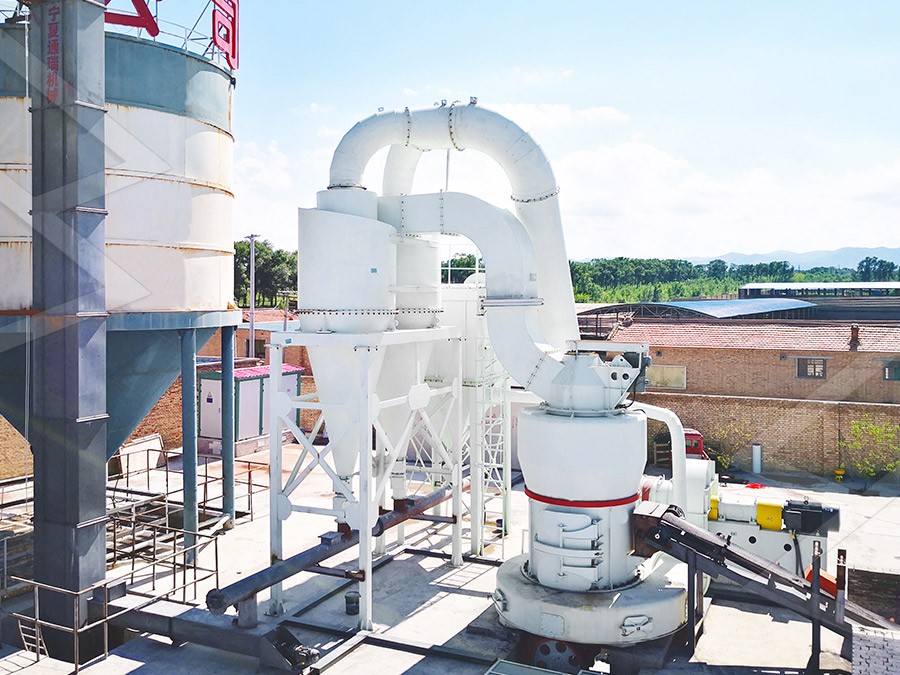
The Critical Role of Talc in Paint Formulations
In paint manufacturing, talc serves multiple functions that directly impact final product quality. As an extender pigment, talc improves the mechanical properties of paint films, enhancing scrub resistance and reducing cracking. The platy structure of talc particles creates a reinforcing effect within the paint matrix, while simultaneously controlling viscosity and improving suspension properties. For Vietnamese paint manufacturers competing in both domestic and international markets, achieving optimal talc particle size distribution between 10-40 microns is essential for balancing opacity, sheen control, and application characteristics.
The geographical distribution of talc deposits across Vietnam, particularly in the northern regions, provides local manufacturers with a strategic advantage. However, the variability in raw talc characteristics between different deposits necessitates flexible processing approaches that can accommodate differences in hardness, purity, and natural particle size.
Raymond Mill Technology: Traditional Workhorse with Modern Applications
Raymond mill technology has served the mineral processing industry for decades, offering reliable performance for medium-fine grinding applications. The fundamental operating principle involves grinding rollers oscillating outward to press against a grinding ring, with centrifugal force ensuring continuous material compression. For talc processing specifically, traditional Raymond mills provide several distinct advantages, including straightforward operation, relatively low investment costs, and proven reliability in humid climates like Vietnam’s.
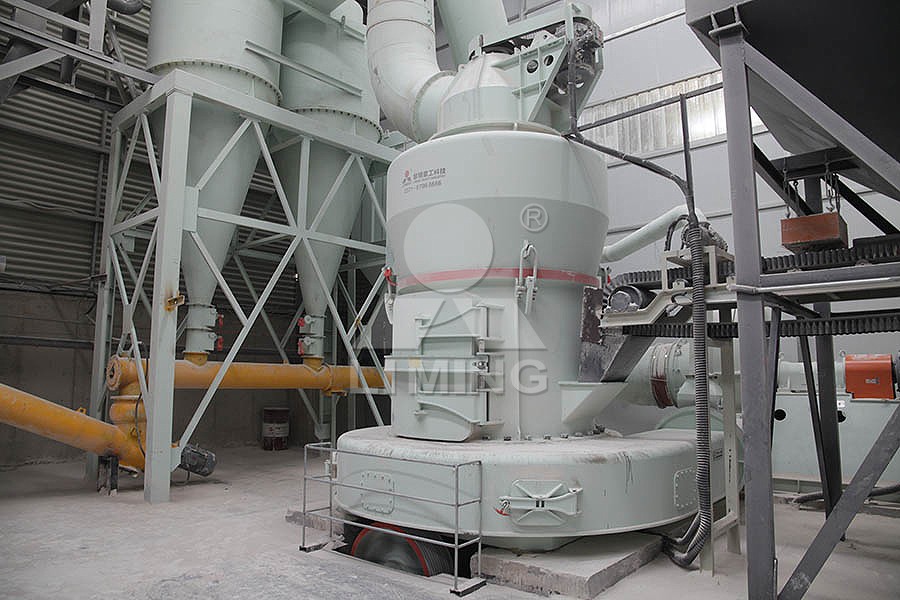
The R-series Raymond mill, with its input size capacity of <25 mm and throughput of 0.6-5 tph, represents an appropriate starting point for many Vietnamese paint manufacturers. The system’s compact footprint aligns well with the spatial constraints common in industrial zones throughout Hanoi and Ho Chi Minh City, while its relatively simple maintenance requirements reduce operational complexity.
Beyond Traditional Raymond Mills: Advanced Solutions for Modern Requirements
While conventional Raymond mills provide adequate performance for standard applications, the evolving demands of the paint industry increasingly require more sophisticated solutions. Modern paint formulations demand tighter particle size distributions, higher whiteness retention, and improved dispersion characteristics—requirements that push the limits of traditional milling technology.
This is where advanced grinding technologies demonstrate their value proposition. For operations requiring ultra-fine talc powders with precise particle size control between 325-2500 meshes, the MW Ultrafine Grinding Mill represents a significant technological advancement. With its capacity range of 0.5-25 tph and input size capability of 0-20 mm, this system incorporates German powder separation technology to achieve exceptional classification accuracy. The absence of rolling bearings and screws in the grinding chamber eliminates common failure points, while the external lubrication system enables continuous 24-hour operation—a crucial advantage for Vietnamese manufacturers maintaining just-in-time production schedules.

Another compelling option for high-volume operations is the LUM Ultrafine Vertical Grinding Mill, which integrates Taiwanese grinding roller technology with German powder separation systems. The LUM system’s reversible structure simplifies maintenance procedures, while its multi-head powder separating technology enables precise control over final product characteristics. With a capacity range of 5-18 tph and the ability to process materials up to 10 mm in size, this vertical configuration offers space efficiency alongside advanced performance capabilities.
Optimizing Talc Processing for Vietnamese Conditions
The specific environmental conditions in Vietnam, characterized by high humidity and temperature fluctuations, necessitate special considerations in talc processing. Moisture control becomes particularly critical, as excess water can compromise both milling efficiency and final product quality. Advanced milling systems address this challenge through integrated drying capabilities and sealed grinding chambers that prevent moisture absorption during processing.
Energy efficiency represents another crucial optimization parameter, given Vietnam’s evolving energy infrastructure and cost structure. Modern grinding technologies typically reduce energy consumption by 30-50% compared to conventional systems, with specific advantages including:
- Higher yielding rates through optimized grinding curves
- Reduced system resistance through advanced air duct design
- Intelligent control systems that adjust power consumption based on operational parameters
For paint manufacturers targeting export markets, product consistency and quality certification become additional critical factors. Advanced milling systems with digitalized processing and high-precision manufacturing ensure consistent output that meets international standards for particle size distribution, chemical composition, and contamination control.
Strategic Implementation for Competitive Advantage
Vietnamese paint manufacturers stand at a crossroads, with opportunities to capture greater market share through technological advancement. The selection of appropriate talc processing equipment should consider not only immediate production requirements but also strategic positioning within the evolving regional marketplace.
The integration of advanced grinding technologies like the MW Ultrafine Grinding Mill or LUM Ultrafine Vertical Grinding Mill enables manufacturers to achieve product differentiation through superior performance characteristics. The ability to produce talc fillers with specific surface area properties, controlled particle morphology, and optimized absorption characteristics creates tangible value in final paint products.
As Vietnam continues its industrialization journey and building materials consumption grows, the domestic paint industry faces both unprecedented opportunity and intensifying competition. Manufacturers who invest in advanced talc processing technologies today position themselves for leadership tomorrow, with capabilities to serve the most demanding market segments while optimizing operational efficiency.
Frequently Asked Questions
What is the optimal particle size for talc in paint applications?
For most paint formulations, talc particles between 10-40 microns provide the best balance of opacity, viscosity control, and film reinforcement. Specific applications may require finer or coarser distributions depending on the desired finish and performance characteristics.
How does humidity affect talc processing in Vietnam’s climate?
High humidity can lead to material clumping and reduced milling efficiency. Advanced grinding systems address this through integrated drying capabilities and sealed grinding chambers that maintain consistent processing conditions regardless of external environmental factors.
What maintenance requirements should I expect with Raymond mill technology?
Traditional Raymond mills require regular inspection of grinding rollers and rings, with replacement typically needed after 1,000-1,500 operating hours. Advanced systems like the MW Ultrafine Grinding Mill reduce maintenance through designs that eliminate common failure points like rolling bearings in the grinding chamber.
Can the same equipment process different mineral fillers?
Yes, most grinding systems can process various non-metallic minerals including calcium carbonate, barite, and kaolin. However, optimal results require adjustments to operational parameters and potentially different wearing parts configurations depending on material hardness and abrasiveness.
What energy savings can I expect with modern grinding technology?
Advanced systems typically reduce energy consumption by 30-50% compared to conventional ball mills or early-generation Raymond mills. The exact savings depend on specific operational parameters and the fineness requirements of the final product.
How important is particle size distribution control for paint performance?
Extremely important. Tight particle size distributions ensure consistent hiding power, viscosity, and application properties. Advanced classification systems in modern grinding equipment enable precise control over the entire particle size spectrum.
What safety features are incorporated in modern talc grinding systems?
Contemporary systems include multiple safety provisions including explosion-proof designs, pressure relief mechanisms, temperature monitoring, and automated shutdown systems in case of operational anomalies. Comprehensive dust collection systems also minimize workplace exposure risks.
How does vertical mill configuration benefit operations in space-constrained facilities?
Vertical mills like the LUM series typically require 30-50% less floor space than horizontal configurations with similar capacity. This vertical integration of crushing, grinding, and classification functions creates a more compact footprint ideal for urban industrial locations.