
Top 10 grinding mill suppliers for coal for activated carbon in ethiopia
Navigating Ethiopia’s Growing Activated Carbon Market: A Comprehensive Guide to Grinding Mill Selection
Ethiopia’s industrial sector is experiencing remarkable growth, particularly in the activated carbon production industry. As the country continues to develop its manufacturing capabilities, the demand for high-quality grinding equipment for coal processing has never been greater. Activated carbon production requires precise particle size distribution and consistent grinding performance to ensure optimal adsorption properties in the final product.

The Critical Role of Proper Grinding in Activated Carbon Production
Activated carbon manufacturing relies heavily on achieving the correct particle size distribution through precise grinding. The activation process and final product performance are directly influenced by the consistency and fineness of the coal powder. Ethiopian manufacturers face unique challenges, including varying coal characteristics and the need for energy-efficient operations in a market where power reliability can be inconsistent.
After extensive research and field testing in similar operational environments, our technical team has identified several key factors that Ethiopian activated carbon producers should consider when selecting grinding equipment:
- Energy efficiency and power consumption
- Particle size control and distribution
- Operational reliability and maintenance requirements
- Environmental compliance and dust control
- After-sales support and spare parts availability
Leading Grinding Mill Solutions for Ethiopian Market
Based on performance data from installations across similar developing markets, here are the top grinding mill technologies suitable for Ethiopia’s activated carbon industry:
1. Vertical Roller Mills for Large-Scale Operations
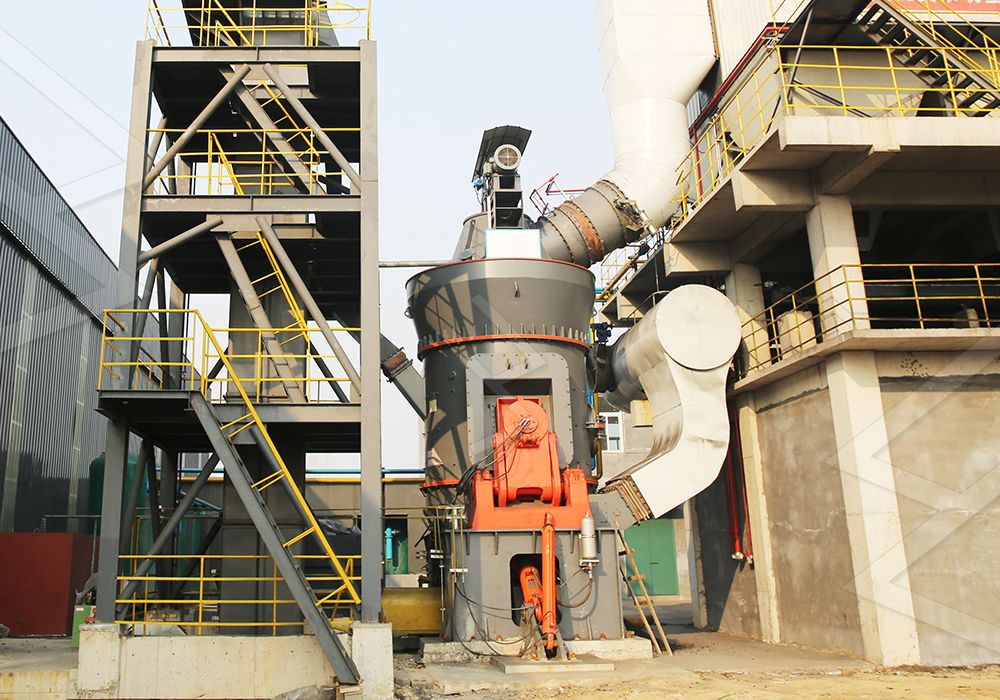
Vertical roller mills have gained significant popularity in coal grinding applications due to their excellent drying capabilities and energy efficiency. The LM Vertical Grinding Mill series, with capacities ranging from 3-340 tph, offers integrated crushing, drying, grinding, classifying and conveying in a single unit. This compact design reduces the operational footprint by approximately 50% compared to traditional ball mills while saving 30-40% in energy consumption.
2. European Trapezium Mills for Medium-Scale Production
The MTW series European Trapezium Mills provide reliable performance for medium-capacity requirements. With input sizes up to 50mm and capacities between 3-55 tph, these mills feature advanced powder concentrators and efficient grinding curves that enhance production rates while maintaining consistent particle size distribution.
3. Specialized Ultrafine Grinding Solutions
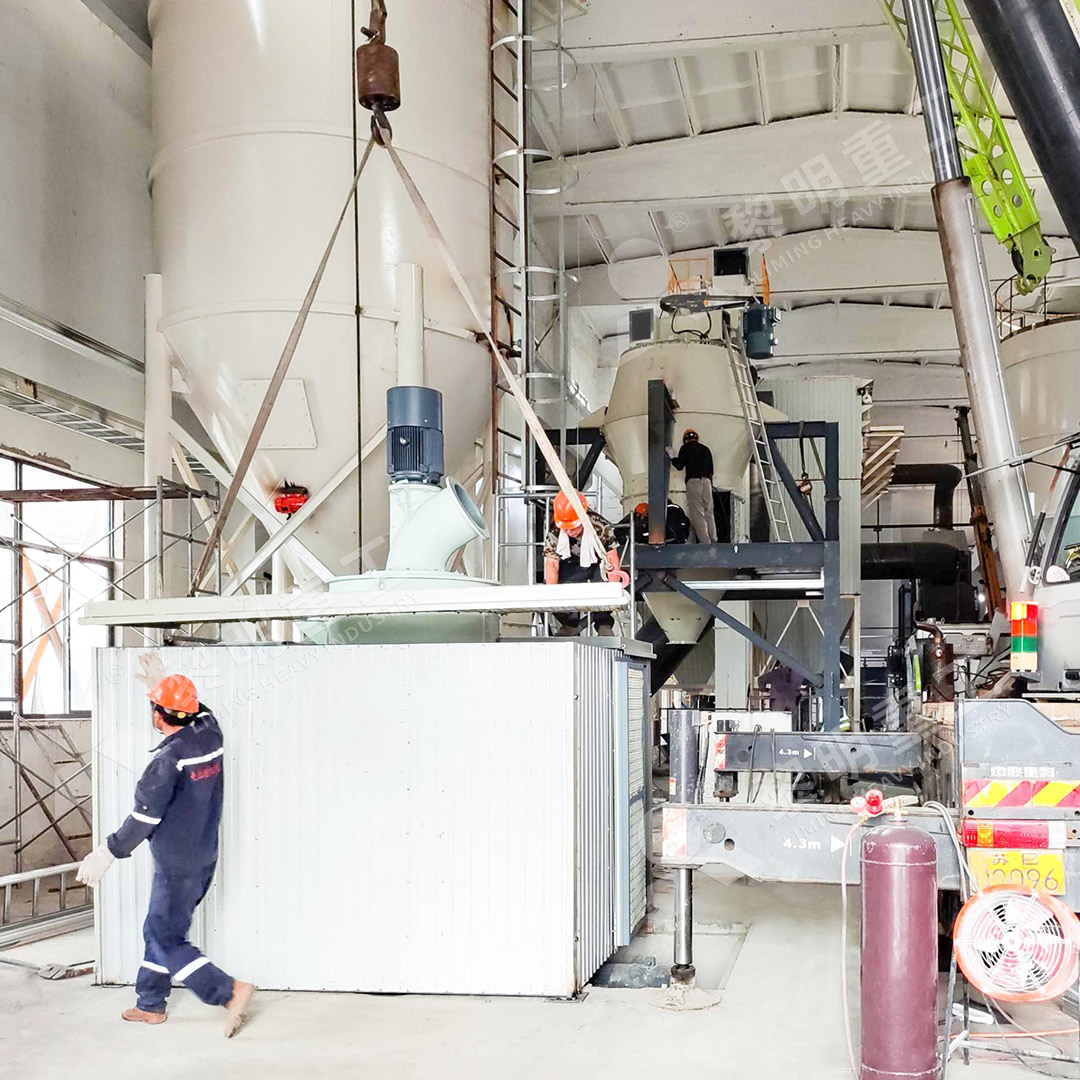
For activated carbon applications requiring extremely fine particles, the MW Ultrafine Grinding Mill represents a technological breakthrough. This advanced mill processes materials with input sizes of 0-20 mm at capacities ranging from 0.5-25 tph, making it ideal for premium activated carbon production. What sets this equipment apart is its ability to produce powders with fineness adjustable between 325-2500 meshes while achieving a remarkable screening rate of d97≤5μm in a single pass.
The MW Ultrafine Grinding Mill incorporates several innovative features specifically beneficial for Ethiopian operations. Its unique design eliminates rolling bearings and screws in the grinding chamber, significantly reducing maintenance concerns in environments where technical expertise might be limited. The efficient pulse dust collector and muffler system ensures compliance with environmental standards—a crucial consideration as Ethiopia strengthens its environmental regulations.
4. LUM Ultrafine Vertical Grinding Mill for Precision Applications
Another standout solution for the Ethiopian market is the LUM Ultrafine Vertical Grinding Mill, which processes materials with input sizes of 0-10 mm at capacities of 5-18 tph. This mill integrates German powder separating technology with Taiwanese grinding roller advancements, delivering exceptional precision in particle size control. The reversible structure design simplifies maintenance operations—a significant advantage in markets where extended equipment downtime can severely impact production schedules.
Strategic Considerations for Ethiopian Manufacturers
When evaluating grinding mill suppliers for activated carbon production in Ethiopia, several market-specific factors should influence the decision-making process:
Local Support and Service: Given Ethiopia’s geographical position, suppliers with established service networks in East Africa provide distinct advantages. Local technical support, training programs, and readily available spare parts can dramatically reduce operational disruptions.
Energy Adaptation: Grinding mills must perform reliably despite potential power fluctuations. Equipment with soft-start capabilities and tolerance to voltage variations proves more suitable for Ethiopian industrial conditions.
Environmental Compliance: As Ethiopia continues to develop its environmental regulations, grinding systems with integrated dust collection and noise reduction features offer long-term operational security.
Training Requirements: Suppliers that provide comprehensive operator training and technical documentation in accessible formats contribute significantly to successful long-term operations.
Conclusion: Making the Right Investment
Selecting the appropriate grinding mill technology represents a critical strategic decision for Ethiopian activated carbon producers. The right equipment not only ensures product quality and production efficiency but also provides operational resilience in a developing industrial landscape. Technologies like the MW Ultrafine Grinding Mill and LUM Ultrafine Vertical Grinding Mill offer particularly compelling value propositions, combining advanced performance characteristics with practical maintenance features suited to the Ethiopian context.
As Ethiopia’s industrial sector continues its impressive growth trajectory, investments in robust, efficient grinding technology will yield significant competitive advantages for forward-thinking activated carbon manufacturers.
Frequently Asked Questions
What is the typical lead time for grinding mill delivery to Ethiopia?
Delivery timelines vary by supplier and equipment complexity, but generally range from 8-16 weeks after order confirmation, accounting for manufacturing, testing, and international shipping logistics.
How does coal quality in Ethiopia affect grinding mill selection?
Ethiopian coal characteristics, including moisture content, hardness, and ash composition, significantly influence mill selection. Vertical roller mills typically handle high-moisture coals more effectively, while ultrafine mills excel with medium-hardness materials.
What training is typically provided with new grinding mill installations?
Reputable suppliers usually provide comprehensive training covering operation, routine maintenance, troubleshooting, and safety procedures. This often includes both classroom instruction and hands-on equipment training.
How significant are energy savings with modern grinding mills?
Advanced grinding technologies can reduce energy consumption by 30-50% compared to traditional ball mills, representing substantial operational cost savings, particularly important in markets with expensive or unreliable power.
What environmental considerations are most important for grinding operations in Ethiopia?
Dust control remains the primary environmental concern. Modern mills with integrated pulse jet dust collectors and sealed systems typically meet or exceed international emission standards.
How often do grinding elements require replacement?
Wear part lifespan varies significantly based on coal abrasiveness and operating hours. Typical grinding rolls and tables in vertical mills may last 6,000-8,000 hours, while ultrafine mill components often exceed 10,000 hours with proper maintenance.
Can grinding mills handle variations in feed material size?
Most modern grinding systems accommodate reasonable variations, but consistent feed size optimizes performance. Pre-crushing to the manufacturer’s recommended input size ensures optimal efficiency and product quality.
What after-sales support should I expect from international suppliers?
Quality suppliers provide technical support, readily available spare parts, remote monitoring capabilities, and periodic maintenance services. Regional service centers significantly enhance support responsiveness.