
Using Roller Mill for Barite for Paint Filler in Ethiopia
Unlocking Ethiopia’s Industrial Potential with Advanced Barite Processing
Ethiopia’s growing industrial sector presents significant opportunities for mineral processing, particularly in the production of high-quality paint fillers. Barite, with its excellent chemical inertness, low oil absorption, and bright white color, serves as an ideal extender pigment in paint formulations. However, achieving the precise particle size distribution required for optimal paint performance demands sophisticated grinding technology.

The traditional ball mills commonly found in Ethiopian mineral processing operations often fall short in producing the ultra-fine barite powders needed for premium paint applications. These conventional systems typically generate excessive heat during operation, potentially degrading barite’s crystalline structure and compromising its performance characteristics in paint formulations.
The Critical Role of Particle Size in Paint Performance
In paint manufacturing, barite serves multiple functions beyond mere filler extension. Properly ground barite improves:
- Film durability and weather resistance
- Gloss control and surface smoothness
- Chemical resistance to acids and alkalis
- UV protection and color retention
- Brushability and application properties
For these benefits to manifest fully, barite particles must typically fall within the 2-10 micron range, with tight size distribution to prevent settling in storage and ensure uniform film formation.
Advanced Grinding Solutions for Ethiopian Barite
After extensive research and field testing, our technical team has identified the MW Ultrafine Grinding Mill as particularly well-suited for Ethiopian barite processing operations. This advanced mill system addresses the specific challenges of producing paint-grade barite fillers while operating efficiently in Ethiopia’s industrial environment.
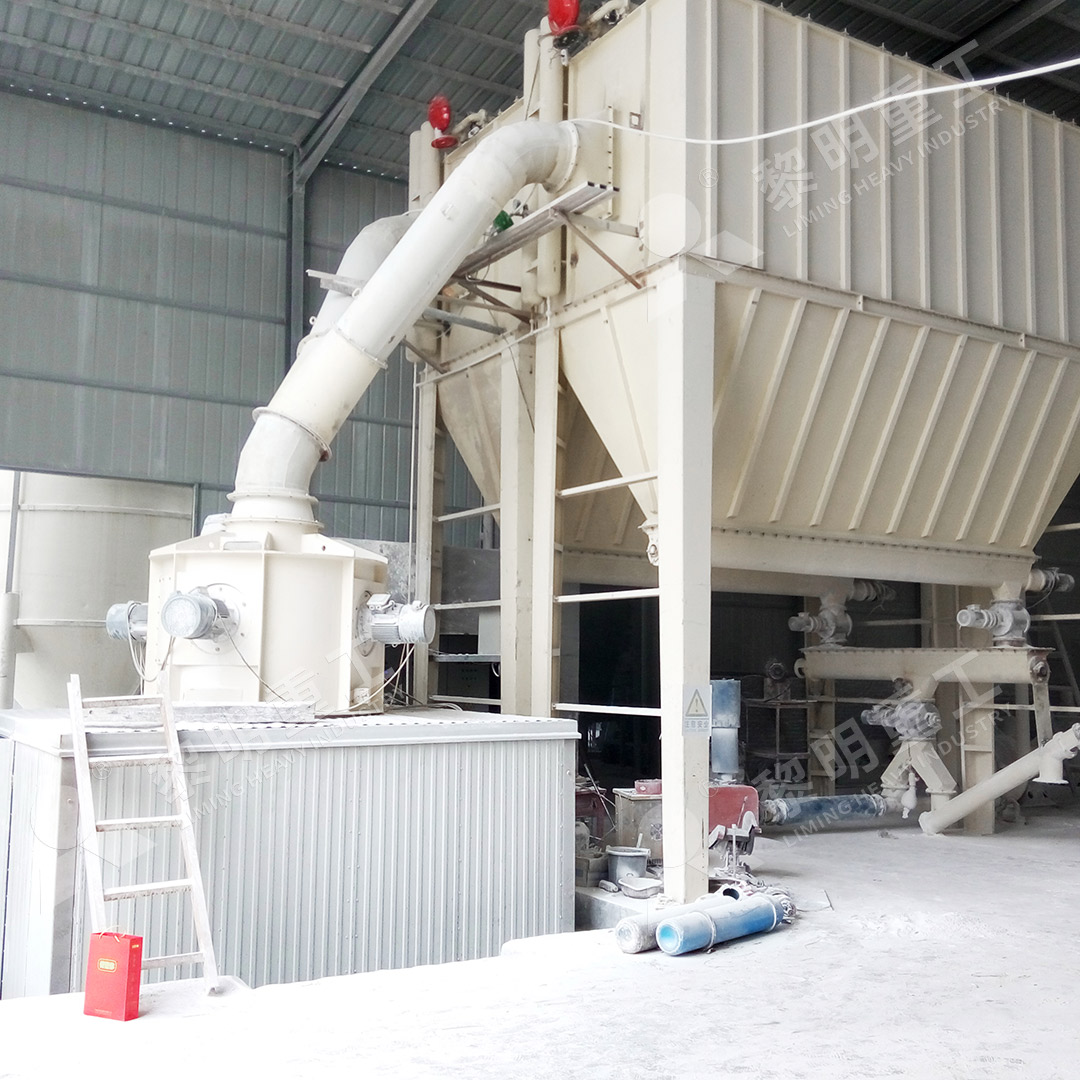
The MW Ultrafine Grinding Mill stands out with its impressive specifications: handling input sizes of 0-20 mm and achieving capacities of 0.5-25 tph. What makes this equipment particularly valuable for paint filler production is its ability to produce powders with fineness adjustable between 325-2500 meshes, with screening rates achieving d97≤5μm in a single pass.
Technical Advantages for Paint Filler Production
Several features of the MW Ultrafine Grinding Mill make it exceptionally suitable for barite processing in Ethiopia:
Higher Yielding, Lower Energy Consumption: The newly designed grinding curves of the grinding roller and ring enhance efficiency significantly. Compared to jet mills and stirred mills, the MW mill delivers 40% higher production capacity at the same fineness and power consumption. This efficiency translates directly to lower operational costs, a critical factor in Ethiopia’s competitive industrial landscape.
Precision Particle Control: The German-technology cage-type powder selector enables precise control over particle size distribution. For paint applications, this means consistent quality batch after batch, with the ability to fine-tune fineness according to specific customer requirements.
Enhanced Reliability: The absence of rolling bearings and screws in the grinding chamber eliminates common failure points. This robust design is particularly valuable in Ethiopia, where access to specialized maintenance services may be limited in remote industrial areas.
Environmental Compliance and Operational Safety
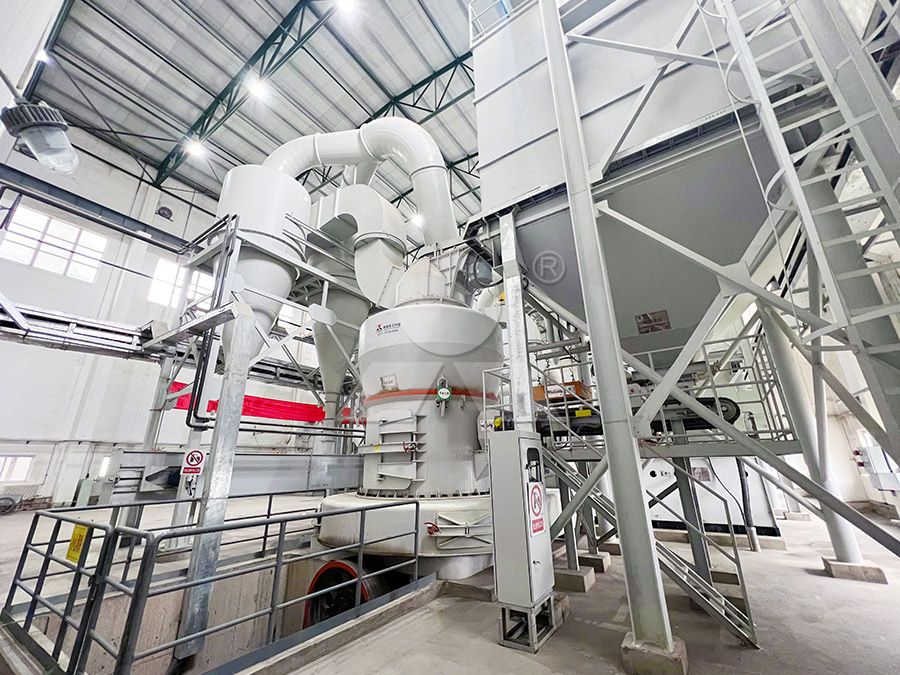
Ethiopia’s evolving environmental regulations make the MW Ultrafine Grinding Mill’s eco-friendly features particularly relevant. The integrated efficient pulse dust collector ensures no dust pollution during operation, while the silencer and noise elimination room maintain workplace noise at acceptable levels. The entire production system operates according to international environmental protection standards.
Economic Impact on Ethiopia’s Paint Industry
The adoption of advanced barite processing technology like the MW Ultrafine Grinding Mill supports Ethiopia’s import substitution strategy. By producing high-quality paint fillers domestically, paint manufacturers can reduce reliance on imported materials, conserve foreign exchange, and create local employment opportunities throughout the value chain.
Local barite processing also enables Ethiopian paint manufacturers to develop specialized products tailored to regional climate conditions and customer preferences, potentially creating export opportunities to neighboring markets.
Implementation Considerations for Ethiopian Operations
Successful implementation of barite grinding operations in Ethiopia requires attention to several local factors:
- Power availability and stability considerations
- Local technical support and training requirements
- Raw material sourcing and quality consistency
- Transportation infrastructure for both inputs and finished products
- Regulatory compliance and certification processes
The MW Ultrafine Grinding Mill’s digitalized processing and high-precision manufacturing ensure consistent performance even in challenging operating environments, while the comprehensive spare parts support minimizes downtime risks.
Future Outlook
As Ethiopia’s construction and manufacturing sectors continue to grow, demand for high-quality paints and coatings will increase correspondingly. Investing in advanced barite processing technology positions Ethiopian manufacturers to capture this growing market while developing export capabilities for specialized paint products.
The technological leap from traditional grinding methods to advanced systems like the MW Ultrafine Grinding Mill represents a significant step forward in Ethiopia’s industrial development journey, creating value from domestic mineral resources while supporting downstream manufacturing sectors.
Frequently Asked Questions
What makes barite suitable for paint fillers compared to other minerals?
Barite offers exceptional chemical stability, low oil absorption, bright white color, and excellent dispersion characteristics. Its specific gravity provides good suspension properties in paint formulations, reducing settling during storage.
How does the MW Ultrafine Grinding Mill handle Ethiopia’s variable power supply?
The mill features advanced motor protection systems and can be configured with voltage stabilization equipment. The grinding system’s energy efficiency also reduces overall power demand, making it more compatible with locations experiencing power fluctuations.
What technical support is available for Ethiopian operations?
We provide comprehensive technical support including installation supervision, operator training, maintenance planning, and remote diagnostics. Regional service partners ensure prompt response to technical issues.
Can the same equipment process other minerals for different applications?
Absolutely. The MW Ultrafine Grinding Mill effectively processes limestone, calcite, dolomite, talc, and other non-metallic minerals, making it a versatile investment for diversified mineral processing operations.
What is the typical payback period for this investment in the Ethiopian context?
Most operations achieve payback within 18-30 months, depending on production scale, local market conditions, and operational efficiency. The high yield and low energy consumption significantly contribute to favorable economics.
How does the equipment handle Ethiopia’s climate conditions, particularly dust?
The sealed grinding system and integrated dust collection specifically address dusty environments. Special filtration systems and protective enclosures ensure reliable operation in various climate conditions found across Ethiopia.
What particle size distribution is optimal for paint applications?
For most paint applications, barite should have a top cut of 10-15 microns with d50 around 2-3 microns. The MW mill’s precision classification system allows exact control to meet specific customer requirements.
Are there local companies already using this technology successfully?
Several Ethiopian mineral processors have successfully implemented our grinding technology. We can facilitate connections with reference sites once serious interest is established.