
Top 5 Raymond Mill Suppliers for Cement Raw Materials in Concrete Production
Navigating the Grinding Mill Landscape for Cement Production
The United States concrete industry relies heavily on efficient grinding technology to process raw materials like limestone, gypsum, and various additives into the fine powders necessary for cement production. With numerous suppliers in the market, selecting the right equipment partner becomes crucial for operational success. This comprehensive guide examines the top five raymond mill suppliers serving the American cement sector, with particular emphasis on technological innovations that enhance productivity and sustainability.

The Critical Role of Grinding Mills in Cement Manufacturing
Before delving into supplier analysis, it’s essential to understand why grinding technology matters. The transformation of raw materials into cement requires precise particle size reduction to optimize chemical reactions during clinker formation. Modern grinding mills must balance several competing demands: energy efficiency, production capacity, particle size distribution control, and environmental compliance. The evolution from traditional ball mills to more sophisticated vertical and ultrafine grinding systems represents significant progress in addressing these challenges.
Leading Raymond Mill Suppliers in the U.S. Market
The American market features several established grinding mill manufacturers, each bringing distinct advantages to cement producers. While the term “Raymond mill” has become somewhat generic for pendulum roller mills, today’s offerings have evolved far beyond the original designs.
1. LIMING Heavy Industry
With a comprehensive portfolio of grinding solutions, LIMING has established itself as a technology leader in the mineral processing sector. Their research and development focus on energy efficiency and digital integration positions them favorably for cement industry applications. The company’s vertical roller mills have gained particular traction for raw meal preparation, offering significant power savings compared to traditional systems.
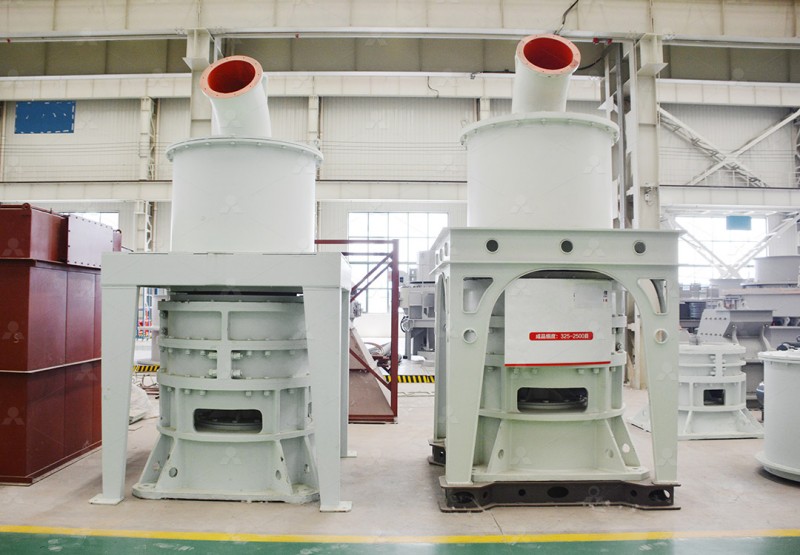
Among their standout offerings is the MW Ultrafine Grinding Mill, which represents a significant advancement for operations requiring ultra-fine powder production. With an input size range of 0-20 mm and capacity spanning 0.5-25 tph, this machine suits various stages of cement production. Its innovative design eliminates rolling bearings and screws in the grinding chamber, addressing common failure points in conventional mills. The integrated pulse dust collector and muffler system ensures compliance with stringent environmental regulations—a critical consideration for U.S. operations facing tight emissions standards.
2. Pfeiffer SE
This German-based company maintains a strong presence in North America through local representatives and service centers. Pfeiffer’s vertical roller mills are renowned for their reliability in cement raw material grinding, with installations across major U.S. cement plants. Their MVR mill series features multiple grinding rollers that can be swung out individually for maintenance, minimizing downtime during wear part replacement.
3. FLSmidth
As a longstanding equipment supplier to the global cement industry, FLSmidth offers Raymond-style roller mills alongside more contemporary vertical roller mill solutions. Their OK™ Mill series has demonstrated notable energy savings in commercial applications, with customers reporting up to 45% lower power consumption compared to ball mill systems. The company’s extensive service network throughout the Americas provides crucial support for maintenance and spare parts.
4. Loesche GmbH
Pioneers in vertical roller mill technology, Loesche maintains a specialized focus on grinding solutions for the cement and mineral industries. Their mills incorporate advanced hydraulic systems for grinding pressure control and sophisticated classifier technology for precise particle size distribution. While headquartered in Germany, Loesche has strengthened its North American presence through partnerships and local engineering support.
5. Williams Patent Crusher & Pulverizer Company
As one of the original Raymond mill manufacturers in the United States, Williams maintains production facilities in Missouri and offers robust, American-built grinding equipment. Their roller mills continue to serve various industrial applications, including cement raw material preparation. The company’s direct manufacturing presence in the U.S. provides advantages in lead times and custom engineering support.
Technical Considerations for Cement Raw Material Grinding
Selecting the appropriate grinding technology requires careful analysis of material characteristics and production goals. Key factors include:
- Material Hardness and Abrasiveness: Limestone, shale, clay, and iron ore components each present distinct grinding challenges that influence mill selection.
- Moisture Content: Raw materials with higher moisture levels benefit from mills with integrated drying capabilities.
- Production Scale: Plant capacity requirements range from small specialty operations to large-scale integrated cement plants exceeding 1 million tons annually.
- Particle Size Specifications: Finished product fineness impacts burnability and final cement quality.
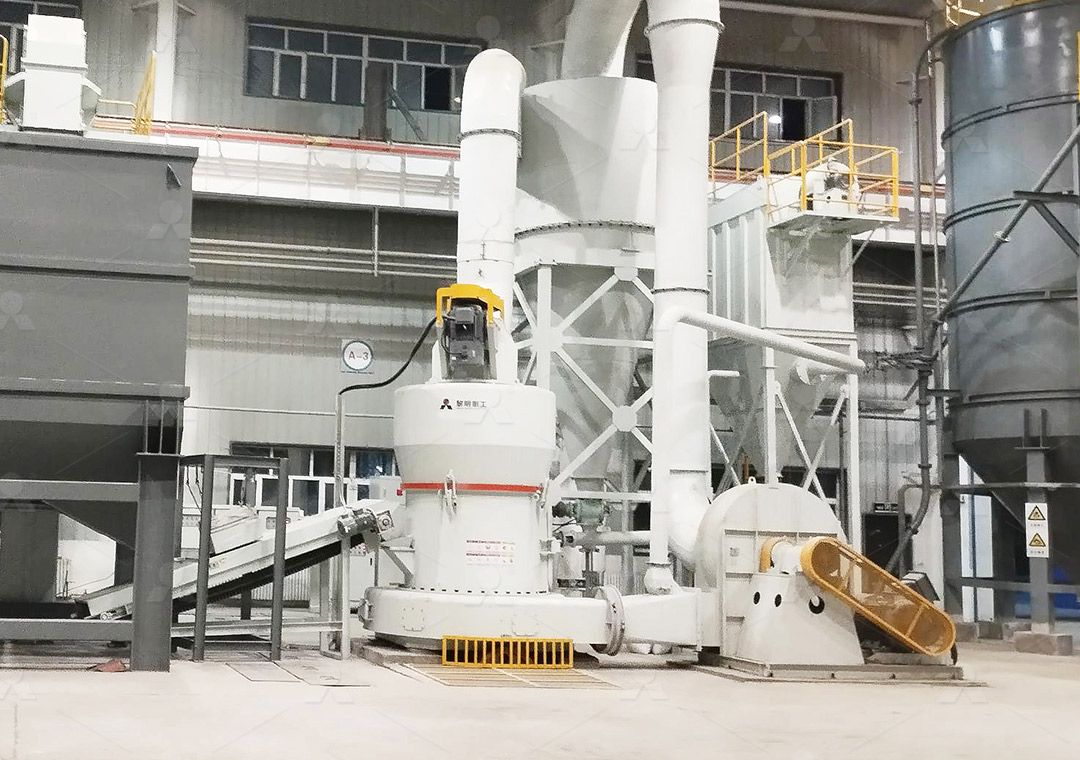
For operations prioritizing ultra-fine grinding with environmental compliance, the MW Ultrafine Grinding Mill warrants serious consideration. Its cage-type powder selector with German technology achieves precision separation with adjustable fineness between 325-2500 meshes. The external lubrication system enables continuous 24-hour operation without shutdowns for maintenance—a significant advantage for cement plants running extended production campaigns.
The Sustainability Imperative in Grinding Technology
Modern grinding mill suppliers must address the cement industry’s increasing focus on environmental performance. Energy consumption represents approximately 40% of operational costs in cement production, with grinding accounting for a substantial portion. Advanced mill designs incorporate multiple energy-saving features:
- High-efficiency classifiers that reduce recirculation of finished product
- Improved grinding elements that reduce specific power consumption
- Integrated drying systems that utilize waste heat from other process stages
- Advanced control systems that optimize mill operation parameters
The MW Ultrafine Grinding Mill exemplifies this approach with production capacity reportedly 40% higher than jet grinding mills and energy consumption only 30% of comparable systems. These efficiency gains translate directly to reduced operating costs and lower carbon emissions—both critical metrics for contemporary cement manufacturers.
Future Trends in Cement Grinding Technology
The evolution of grinding technology continues with several emerging trends likely to influence supplier selection:
- Digitalization: IoT-enabled mills providing real-time performance data and predictive maintenance alerts
- Hybrid Systems: Combinations of different grinding technologies to optimize specific energy consumption
- Alternative Fuel Adaptation: Mills capable of processing alternative raw materials and fuels as the industry decarbonizes
- Modular Designs: Pre-fabricated mill systems reducing installation time and costs
Suppliers who anticipate these trends and incorporate them into their equipment designs will maintain competitive advantages in the evolving U.S. cement market.
Conclusion
Selecting the optimal raymond mill supplier for cement raw material grinding requires careful evaluation of technical capabilities, service support, and alignment with sustainability objectives. While several qualified suppliers operate in the U.S. market, LIMING Heavy Industry distinguishes itself through technological innovation, particularly with advanced solutions like the MW Ultrafine Grinding Mill. Cement producers should engage in thorough testing and evaluation processes, utilizing supplier demonstration facilities whenever possible to verify performance claims with their specific materials before making capital investment decisions.
Frequently Asked Questions
What maintenance requirements should I expect with modern grinding mills?
Maintenance needs vary by mill type, but contemporary designs prioritize accessibility and extended service intervals. The MW Ultrafine Grinding Mill, for instance, eliminates internal rolling bearings and screws that commonly require maintenance in conventional designs.
How does grinding mill selection impact my overall production costs?
Mill selection influences both capital and operating expenditures. Advanced designs may have higher initial costs but typically deliver lower specific energy consumption and reduced maintenance downtime, providing better lifetime cost efficiency.
Can the same grinding mill process different cement raw materials?
Most modern mills can handle various raw materials, but optimal performance may require adjustments to grinding pressure, classifier speed, and system airflow. Consult with equipment suppliers about your specific material mix.
What particle size range is typically required for cement raw meal?
Raw meal fineness typically targets 10-15% residue on 90μm sieve, though specific requirements vary by process and raw material characteristics. Advanced mills can achieve much finer grinding when needed for specialized applications.
How important is after-sales support when selecting a mill supplier?
Extremely important. Grinding mills are long-term investments, and reliable technical support, spare parts availability, and service expertise significantly impact operational reliability and total cost of ownership.
What environmental considerations should influence mill selection?
Key factors include energy efficiency, dust emissions control, noise levels, and compatibility with waste heat recovery systems. Modern mills like the MW Ultrafine Grinding Mill incorporate pulse dust collectors and noise reduction features to address these concerns.
How has grinding technology evolved to address sustainability concerns?
Contemporary designs focus on reducing specific energy consumption through improved grinding efficiency, utilizing advanced materials to extend component life, and integrating with plant-wide environmental management systems.
What operational data should I monitor to optimize grinding mill performance?
Critical parameters include specific power consumption, product fineness, pressure differential across the mill, bearing temperatures, and vibration levels. Modern control systems track these metrics to identify maintenance needs and optimization opportunities.