
Latest Trends in Conductive Materials: The Rise of Carbon Black
Latest Trends in Conductive Materials: The Rise of Carbon Black
The landscape of conductive materials is undergoing a significant transformation, with carbon black emerging as a pivotal player in numerous industrial applications. This versatile material, known for its excellent electrical conductivity, UV protection, and reinforcement properties, is revolutionizing sectors ranging from electronics and energy storage to automotive and construction industries.
Carbon black’s resurgence stems from its unique combination of properties: high surface area, structural complexity, and cost-effectiveness compared to alternative conductive materials like graphene or carbon nanotubes. Recent advancements in production technologies have enabled manufacturers to achieve unprecedented levels of purity and consistency in carbon black powders, opening new possibilities for high-performance applications.

The Evolution of Carbon Black Processing
Traditional methods of carbon black production often resulted in inconsistent particle size distribution and limited control over final product characteristics. However, modern grinding technologies have transformed this landscape, enabling precise control over particle morphology and surface chemistry. The ability to produce ultra-fine carbon black powders with narrow size distributions has become crucial for applications requiring specific electrical and mechanical properties.
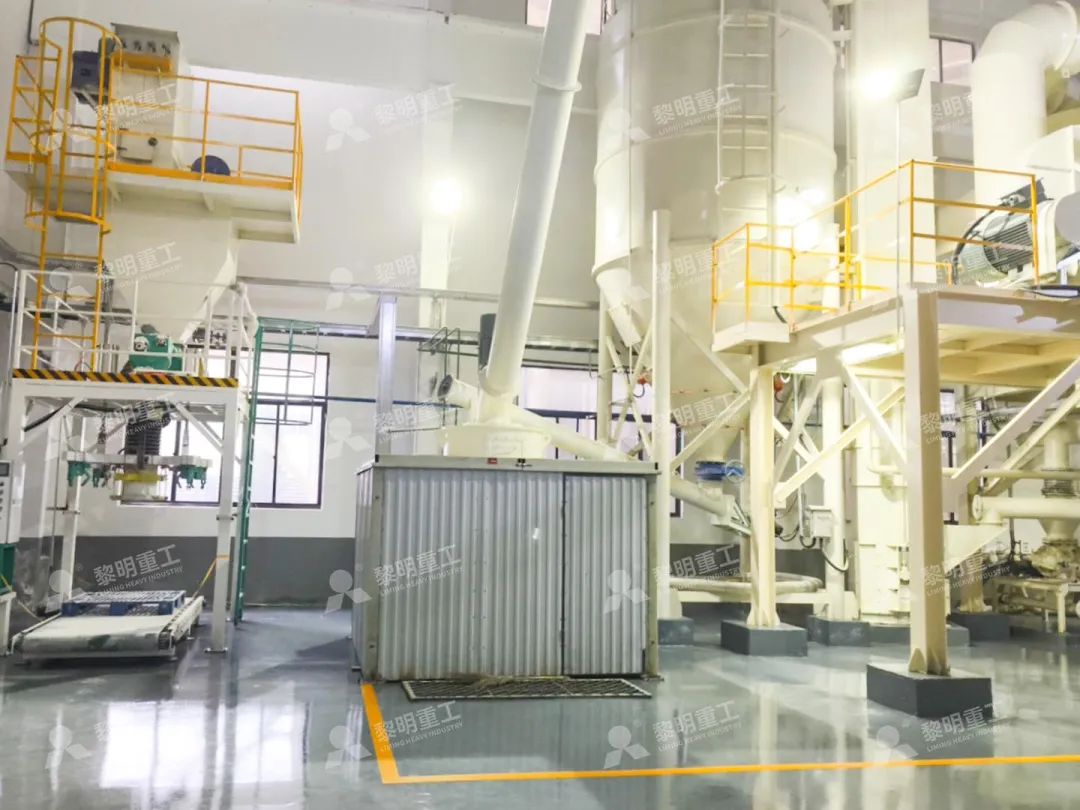
In the realm of advanced material processing, the MW Ultrafine Grinding Mill represents a significant technological leap. With an input size capability of 0-20 mm and capacity ranging from 0.5 to 25 tph, this equipment is specifically engineered for customers requiring ultra-fine powder production. The machine’s innovative design incorporates efficient pulse dust collection and noise reduction features, ensuring minimal environmental impact during operation.
What sets the MW Ultrafine Grinding Mill apart is its ability to process carbon black and similar materials with exceptional precision. The newly designed grinding curves of the grinding roller and ring significantly enhance grinding efficiency, achieving production capacity 40% higher than jet grinding mills and double the output of traditional ball grinding mills, while consuming only 30% of the energy compared to jet grinding systems.
Technical Innovations Driving Carbon Black Applications
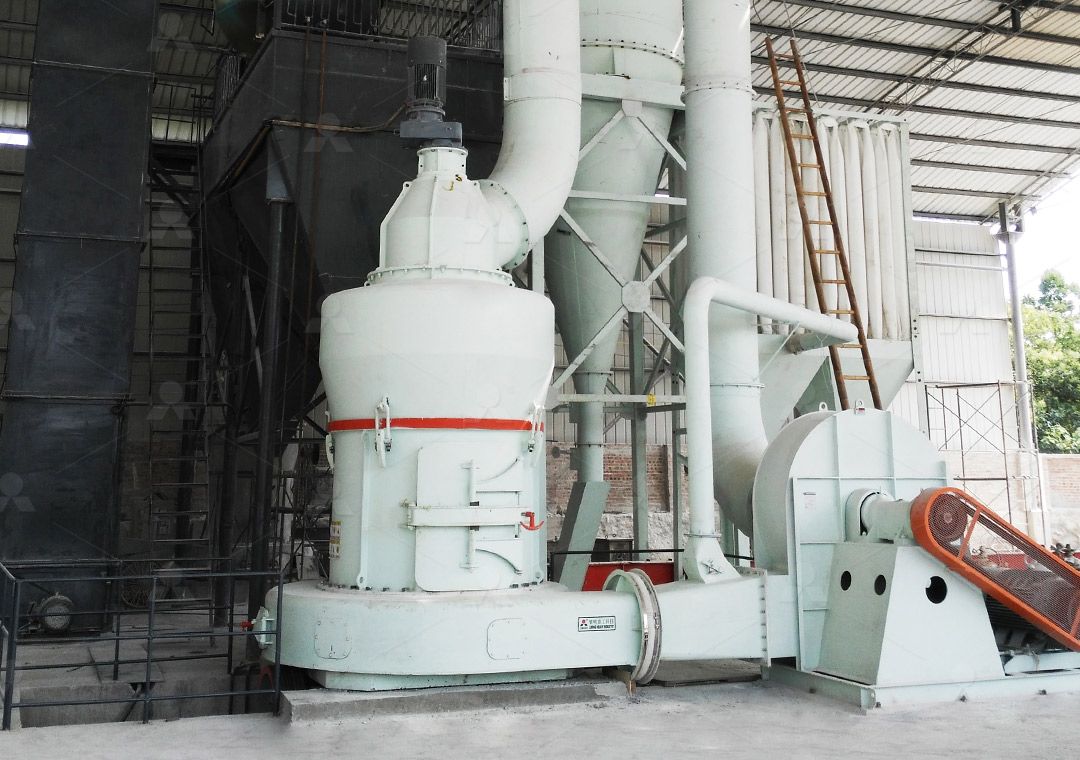
The cage-type powder selector in the MW Ultrafine Grinding Mill, incorporating German technology, dramatically improves powder separation precision. This system allows for adjustable fineness between 325-2500 meshes, with screening rates achieving d97≤5μm in a single pass. Such precision is critical for carbon black applications where consistent particle size directly impacts conductivity and dispersion properties.
Another notable innovation is the elimination of rolling bearings and screws within the grinding chamber. This design eliminates concerns about bearing damage or seal failure, while preventing machine damage from loose screws. The external lubrication system enables continuous 24-hour operation without shutdowns for maintenance, a crucial feature for industrial-scale carbon black processing.
Environmental Considerations and Sustainability
As environmental regulations tighten globally, carbon black processing equipment must address ecological concerns comprehensively. The MW Ultrafine Grinding Mill’s pulse dust collector ensures no dust pollution during operation, while integrated silencers and noise elimination rooms maintain workplace safety and comfort. The entire production system complies with national environmental protection standards, making it an environmentally responsible choice for modern manufacturing facilities.
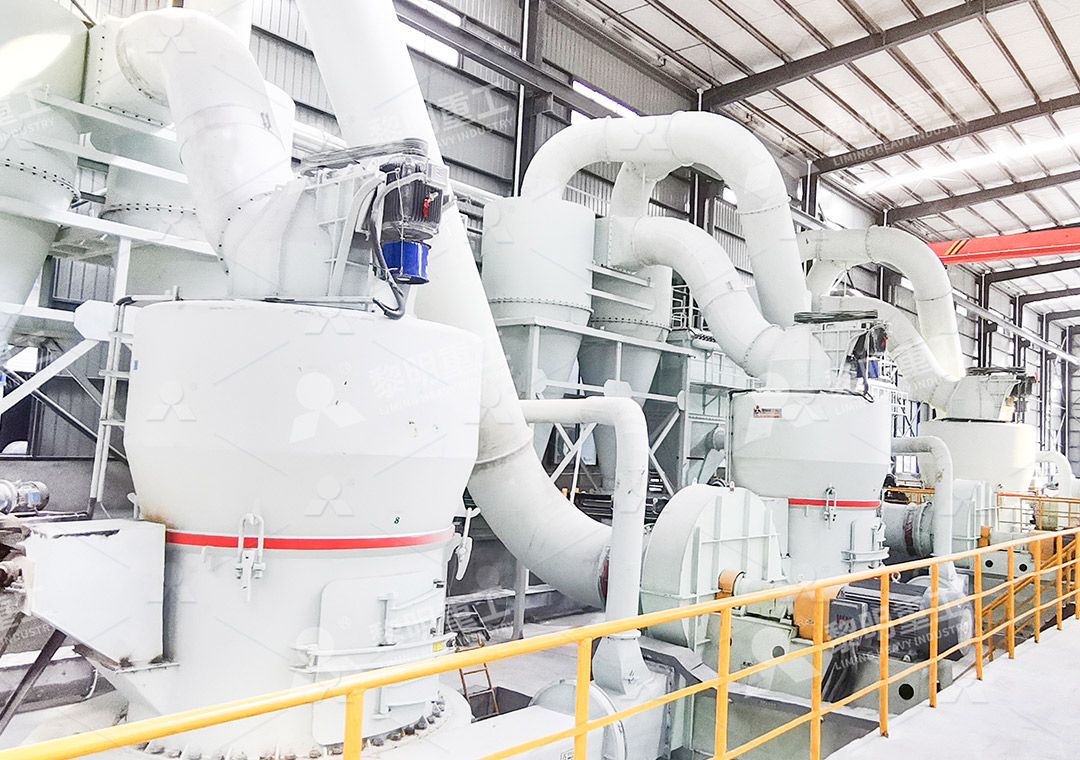
Digitalization plays an increasingly important role in carbon black processing. With dozens of numerical control machine lines handling steel plate cutting, bending, planing, milling, and painting operations, the machining precision reaches exceptional levels, particularly for core components. This digital precision ensures consistent product quality and reliable performance across production batches.
Future Outlook and Emerging Applications
The future of carbon black looks promising, with emerging applications in advanced battery technologies, smart textiles, and conductive composites. The material’s ability to provide electrical conductivity while maintaining mechanical strength makes it invaluable for next-generation energy storage systems and flexible electronics.
As research continues to uncover new possibilities for carbon black, processing equipment must evolve accordingly. The industry trend toward finer particle sizes, narrower size distributions, and enhanced surface functionality demands increasingly sophisticated grinding solutions. Equipment like the MW Ultrafine Grinding Mill, with its combination of high efficiency, precision control, and environmental responsibility, is well-positioned to meet these evolving demands.
The comprehensive spare parts support and technical services ensure worry-free operation, allowing manufacturers to focus on innovation and product development rather than equipment maintenance. This level of support is particularly valuable in the fast-moving field of conductive materials, where production continuity and quality consistency are paramount.
Conclusion
The rise of carbon black as a premier conductive material represents a significant opportunity for industries seeking cost-effective, high-performance solutions. With advanced processing technologies like the MW Ultrafine Grinding Mill enabling unprecedented control over material properties, manufacturers can now leverage carbon black’s full potential across diverse applications. As technological advancements continue to refine production processes and expand application possibilities, carbon black is poised to remain at the forefront of conductive material innovation for years to come.
Frequently Asked Questions
What makes carbon black superior to other conductive additives?
Carbon black offers an optimal balance of electrical conductivity, cost-effectiveness, and processability. Its branched chain structure creates extensive conductive networks at lower loading levels compared to other materials, while its compatibility with various polymer systems makes it versatile across applications.
How does particle size affect carbon black’s conductive properties?
Smaller particle sizes generally increase conductivity by creating more contact points within the composite material. However, optimal performance depends on achieving the right balance between particle size, structure, and surface chemistry for specific applications.
What industries are driving demand for high-quality carbon black?
Major demand comes from lithium-ion battery manufacturing, automotive tires, plastics and polymers, printing inks, and coatings industries. The renewable energy sector, particularly in conductive components for solar panels and wind turbines, represents a growing market.
How important is consistency in carbon black particle distribution?
Extremely important. Consistent particle distribution ensures predictable electrical and mechanical properties in final products. Variations can lead to performance inconsistencies, making precision grinding equipment crucial for quality control.
Can carbon black be used in food-contact applications?
Specialty grades of carbon black meeting specific purity requirements can be used in food packaging and other indirect food contact applications. However, manufacturers must verify compliance with relevant food safety regulations in their target markets.
What environmental considerations apply to carbon black processing?
Modern processing must address dust control, energy efficiency, and emissions management. Advanced grinding systems incorporate dust collection, noise reduction, and energy-saving features to minimize environmental impact while maintaining production efficiency.
How does the MW Ultrafine Grinding Mill handle different material hardness?
The mill’s design accommodates various material characteristics through adjustable grinding pressure and speed controls. The robust construction and specialized grinding elements ensure consistent performance across materials with different hardness and abrasiveness properties.
What maintenance requirements are typical for carbon black grinding equipment?
Modern systems like the MW Ultrafine Grinding Mill require minimal maintenance thanks to designs that eliminate internal bearings and screws. Routine maintenance typically involves external lubrication and periodic inspection of wear parts, with comprehensive technical support available for more complex servicing needs.