
Industrial Pulverizer Price & Cost Analysis for Dolomite Processing in Ecuador’s Ceramics Industry
Industrial Pulverizer Price & Cost Analysis for Dolomite Processing in Ecuador’s Ceramics Industry
The ceramics industry in Ecuador has experienced significant growth over the past decade, with dolomite emerging as a crucial raw material for producing high-quality ceramic products. As manufacturers seek to optimize their production processes, understanding the true cost of dolomite pulverization becomes paramount. This comprehensive analysis examines the economic considerations for Ecuadorian ceramics producers when selecting industrial pulverizers for dolomite processing.
Dolomite Characteristics and Processing Challenges in Ceramics Manufacturing
Dolomite, a calcium magnesium carbonate mineral, serves as an essential fluxing agent in ceramic formulations, reducing firing temperatures and enhancing mechanical strength. However, its variable hardness (3.5-4 on Mohs scale) and occasional silica content present unique grinding challenges. Ecuadorian deposits, particularly those in the Andean region, typically require processing to achieve the 325-800 mesh fineness demanded by ceramic applications.

The geographical distribution of dolomite quarries across Ecuador influences transportation costs significantly. Producers in Guayaquil importing material from Loja province face different economic calculations than those in Quito with access to nearby Pichincha deposits. These logistical considerations must be factored into overall processing cost assessments.
Comprehensive Cost Analysis Framework
When evaluating pulverizer investments, Ecuadorian ceramics manufacturers should consider multiple cost components beyond the initial equipment price:
- Capital Investment: Equipment purchase price, installation costs, and auxiliary systems
- Operational Expenses: Energy consumption, grinding media replacement, and maintenance labor
- Consumables Cost: Wear parts replacement frequency and pricing
- Productivity Metrics: Throughput capacity, powder quality consistency, and system uptime
- Environmental Compliance: Dust collection efficiency and noise control requirements
Technical Solutions for Ecuadorian Market Requirements
After extensive analysis of Ecuador’s specific conditions—including variable power costs ranging from $0.08-$0.15 per kWh across regions and the need for compact footprints in urban manufacturing zones—we’ve identified optimal technological solutions. The MW Ultrafine Grinding Mill presents particularly compelling advantages for dolomite processing in ceramic applications.
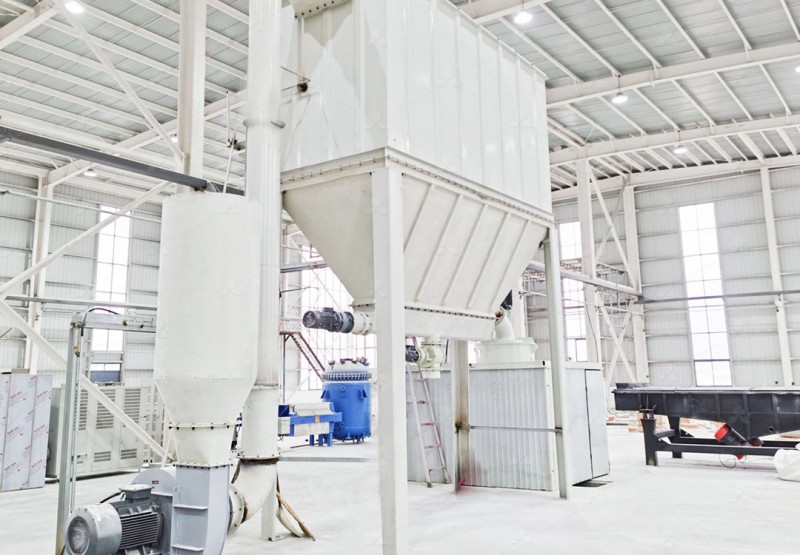
This advanced grinding system operates with input sizes of 0-20 mm and capacities from 0.5-25 tph, perfectly matching the scale requirements of Ecuador’s ceramics industry. Its innovative design eliminates rolling bearings and screws in the grinding chamber, addressing the maintenance challenges that often plague operations in regions with limited technical support infrastructure.
Economic Advantages of Modern Grinding Technology
The MW Ultrafine Grinding Mill demonstrates remarkable efficiency gains compared to traditional technologies. With production capacity 40% higher than jet grinding mills and energy consumption reduced to just 30% of comparable systems, the operational savings become substantial over the equipment lifecycle. For a medium-sized ceramics plant processing 8 tons of dolomite daily, these efficiency improvements can translate to annual savings exceeding $15,000 in energy costs alone.
The adjustable fineness between 325-2500 meshes allows manufacturers to precisely control product specifications for different ceramic applications—from sanitaryware requiring coarser particles to high-value technical ceramics demanding ultra-fine powders. This flexibility eliminates the need for multiple processing systems, further reducing capital investment requirements.
Environmental Considerations and Regulatory Compliance
Ecuador’s environmental regulations, particularly in manufacturing zones near urban centers, mandate strict dust and noise control. The integrated pulse dust collector and muffler system in the MW Ultrafine Grinding Mill ensures compliance with national environmental standards while maintaining operational efficiency. This becomes increasingly important as Ecuador strengthens enforcement of its Environmental Organic Law.
Strategic Equipment Selection Framework
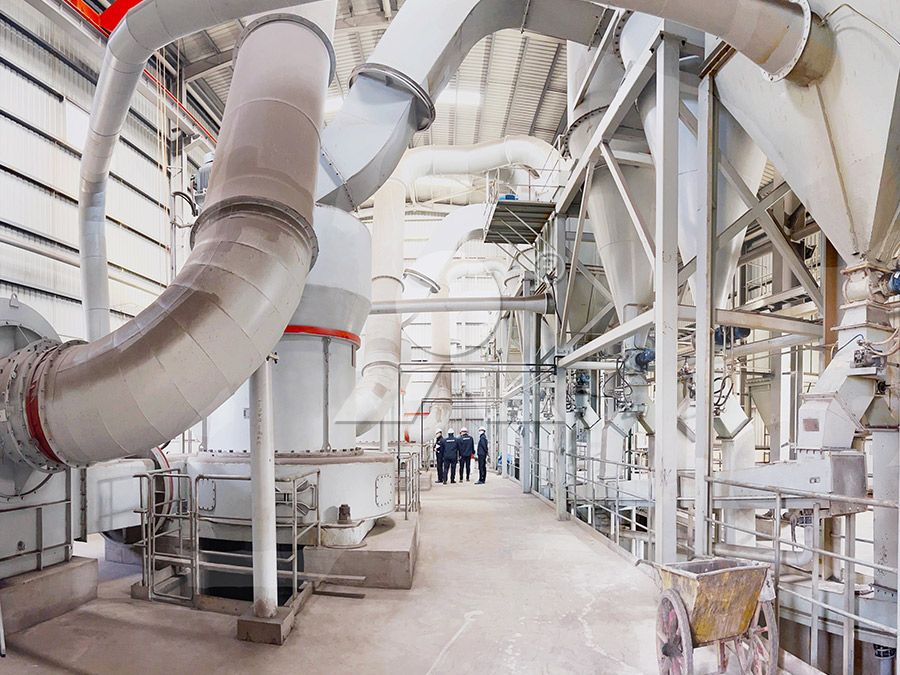
When evaluating pulverizer options, Ecuadorian ceramics producers should conduct thorough Total Cost of Ownership (TCO) analyses. Our research indicates that equipment representing only 25-35% of the 10-year TCO, with operational costs comprising the balance. The advanced design of the MW Ultrafine Grinding Mill addresses this economic reality through multiple innovative features:
- External lubrication system enabling 24-hour continuous operation
- German-designed cage-type powder selector ensuring precise particle size distribution
- Digitalized processing with numerical control for consistent quality
- Comprehensive spare parts support minimizing downtime
For operations requiring different specifications, the LUM Ultrafine Vertical Grinding Mill offers complementary capabilities with its 0-10 mm input size and 5-18 tph capacity range. This system incorporates the latest Taiwanese grinding roller technology and German powder separating technology, providing exceptional performance for specialized applications.
Market-Specific Recommendations for Ecuador
Based on our analysis of Ecuador’s ceramics industry structure, we recommend different approaches for various segments:
Large-scale manufacturers in Guayaquil and Quito should prioritize high-capacity systems with maximum automation to offset higher labor costs. The energy efficiency of modern grinding technology becomes particularly valuable given Ecuador’s tiered electricity pricing structure.
Medium-sized specialized producers should focus on flexibility and quality consistency. The ability to quickly adjust product fineness allows these manufacturers to respond to custom orders and premium market segments.
Small artisanal workshops, particularly those serving the tourist market, may find the lower capacity ranges of these systems appropriate for their scaled operations while maintaining powder quality standards.
Conclusion: Strategic Investment for Competitive Advantage
The selection of dolomite pulverization equipment represents a strategic decision for Ecuador’s ceramics industry. While traditional technologies may appear economically attractive in initial purchase price, their higher operational costs and quality limitations ultimately undermine competitiveness. Modern grinding systems like the MW Ultrafine Grinding Mill provide the technical capabilities and economic efficiency necessary for Ecuadorian manufacturers to compete in both domestic and international markets.
As the global ceramics industry continues evolving toward higher quality standards and sustainable manufacturing practices, Ecuadorian producers who invest in advanced pulverization technology will be best positioned for long-term success. The comprehensive cost savings, operational reliability, and product quality consistency offered by these systems translate directly to enhanced market competitiveness and improved profitability.
Frequently Asked Questions
What is the typical energy consumption for dolomite grinding in ceramic applications?
Modern grinding systems like the MW Ultrafine Grinding Mill consume approximately 30-40% less energy than traditional technologies. Specific consumption ranges from 45-65 kWh per ton depending on required fineness, with higher mesh numbers requiring marginally more energy.
How does dolomite powder fineness affect ceramic product quality?
Finer dolomite powders (600-800 mesh) promote better fluxing action and more uniform microstructure in fired ceramics, resulting in improved mechanical strength and surface quality. Coarser powders (325-400 mesh) are suitable for structural ceramics where ultra-fine particles are less critical.
What maintenance requirements should Ecuadorian manufacturers anticipate?
Advanced grinding systems require minimal routine maintenance. The absence of rolling bearings in the grinding chamber eliminates a common failure point. Typical maintenance includes periodic inspection of grinding elements and routine checks of the dust collection system, with major service intervals of 4,000-6,000 operating hours.
How does humidity affect dolomite grinding efficiency in Ecuador’s climate?
Ecuador’s variable humidity levels can impact grinding efficiency, particularly in coastal regions. Modern grinding systems incorporate advanced drying capabilities and sealed designs that minimize moisture absorption during processing, maintaining consistent performance across seasonal variations.
What safety features are incorporated in contemporary grinding systems?
Comprehensive safety systems include mechanical position-limiting technology to prevent destructive contact between grinding components, explosion-proof designs for dust-laden environments, and automated monitoring systems that detect abnormal operating conditions and initiate protective shutdowns.
Can the same equipment process other ceramic raw materials?
Yes, advanced grinding systems are designed for multiple mineral applications. Beyond dolomite, these systems effectively process limestone, feldspar, quartz, and other ceramic raw materials, providing operational flexibility for manufacturers producing diverse product lines.
What technical support is available for Ecuador-based operations?
Comprehensive support includes local technical assistance, training programs for operational staff, remote monitoring capabilities, and guaranteed availability of genuine spare parts to minimize downtime and maintain optimal performance.
How does equipment selection impact environmental compliance?
Modern grinding systems incorporate integrated dust collection achieving 99.9% efficiency, noise reduction technology maintaining levels below 80 dB, and energy-efficient designs that minimize carbon footprint—all essential for compliance with Ecuador’s environmental regulations.