
Top 5 Raymond Mill Suppliers for Dolomite Processing in Peru’s Magnesium Compound Industry
Navigating the Peruvian Dolomite Processing Landscape
Peru’s growing magnesium compound industry presents unique challenges for feedstock preparation, particularly when processing dolomite into the fine powders required for high-quality magnesium production. The country’s abundant dolomite deposits demand sophisticated grinding technology that can handle the material’s specific characteristics while maintaining operational efficiency in diverse mining environments.
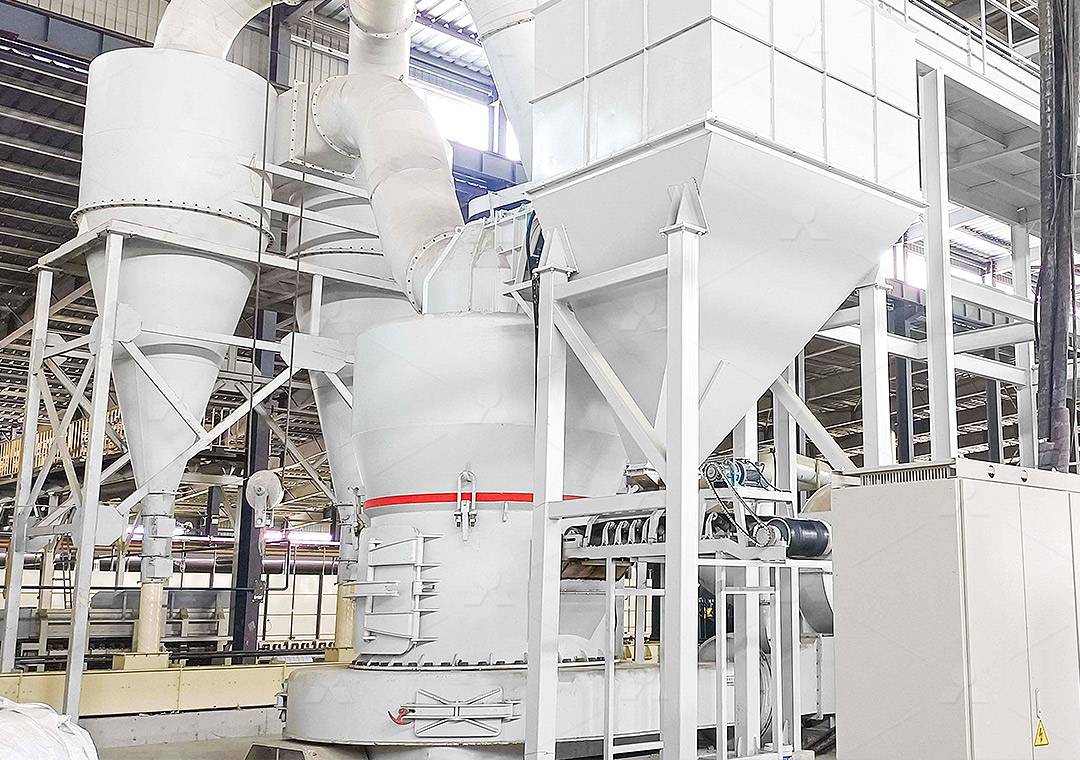
As industry professionals know, not all grinding mills are created equal when it comes to processing dolomite for magnesium compounds. The material’s moderate hardness (3.5-4 on Mohs scale) and tendency toward abrasion require specialized equipment that can deliver consistent particle size distribution while minimizing contamination and energy consumption.
Critical Selection Criteria for Dolomite Grinding Mills
When evaluating mills for dolomite processing in Peru’s magnesium industry, several factors demand particular attention. The geographical challenges of operating in the Andes region, combined with the need for consistent product quality, make reliability and adaptability paramount concerns.
Key considerations include:
- Particle size control capabilities for magnesium compound specifications
- Resistance to abrasive wear from dolomite processing
- Energy efficiency in regions with variable power infrastructure
- Environmental compliance with Peru’s mining regulations
- Adaptability to varying dolomite hardness and moisture content
Leading Mill Technologies for Peruvian Dolomite Applications
1. Advanced Ultrafine Grinding Solutions
For operations requiring the finest dolomite powders for premium magnesium compounds, ultrafine grinding technology represents the cutting edge. These systems must deliver precise particle size distributions while maintaining operational efficiency in challenging conditions.
Among the standout solutions is the MW Ultrafine Grinding Mill, which has demonstrated exceptional performance in Peruvian dolomite applications. With an input size capability of 0-20 mm and capacity ranging from 0.5-25 tph, this machine accommodates the variable feed sizes common in Peruvian mining operations. The mill’s ability to produce powders between 325-2500 meshes makes it ideal for the exacting specifications of magnesium compound production.

What sets this technology apart in the Peruvian context is its environmental compatibility. The integrated pulse dust collector and muffler system addresses both air quality and noise concerns, crucial considerations for operations near communities or in environmentally sensitive areas. The absence of rolling bearings and screws in the grinding chamber eliminates common failure points that can be problematic in remote locations where maintenance support may be limited.
2. Vertical Grinding Mill Innovations
Vertical grinding technology has revolutionized mineral processing with its compact footprint and energy-efficient operation. For Peruvian operations where space may be at a premium and energy costs variable, these advantages are particularly valuable.
The LUM Ultrafine Vertical Grinding Mill exemplifies this category with its advanced grinding roller technology and German powder separation systems. Processing material with input sizes up to 10 mm at capacities of 5-18 tph, this mill integrates multiple processing stages into a single, efficient unit. The reversible structure design significantly simplifies maintenance – a critical advantage when technical support may be hours or days away from remote mining sites.
3. European Trapezium Mill Advancements
Building on proven trapezium mill designs, newer European models incorporate features specifically beneficial for dolomite processing. These mills strike an excellent balance between production capacity, energy consumption, and operational reliability.
The MTW-Z European Trapezium Mill stands out with its dilute oil lubrication system, which reduces maintenance requirements compared to traditional grease lubrication. The elimination of shovel blade cylinders in the grinding chamber enhances ventilation and reduces air-conveying resistance, improving overall efficiency. For Peruvian operations dealing with dolomite’s variable characteristics, the elastic volute damping structure provides operational stability that minimizes vibration-related issues.
4. Traditional Raymond Mill Applications
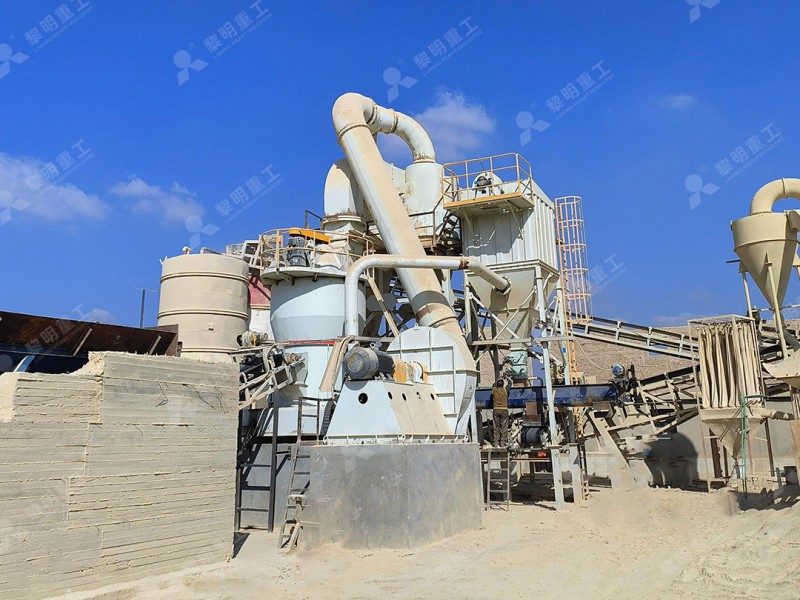
While newer technologies offer advanced capabilities, traditional Raymond mills still find application in specific dolomite processing scenarios. Their simplicity, reliability, and lower initial investment make them suitable for smaller operations or those with less demanding fineness requirements.
Modern R-series Raymond mills have evolved significantly from their predecessors, incorporating optimizations that improve efficiency and environmental performance. With capacities up to 5 tph and handling materials under 25 mm, these mills provide a cost-effective solution for operations where ultra-fine powders aren’t required.
5. Specialized Vertical Coal Mill Adaptations
Though originally designed for coal processing, vertical coal mills have demonstrated surprising effectiveness in dolomite applications, particularly when drying capabilities are required. Their robust construction and simple operation make them suitable for operations with limited technical staff.
The LM Vertical Coal Mill processes material under 50 mm at capacities from 5-100 tph, offering substantial flexibility for operations with variable throughput requirements. The integrated drying capability can be advantageous when processing dolomite with higher moisture content, a common challenge in certain Peruvian mining regions.
Technical Considerations for Peruvian Operations
The success of dolomite grinding operations in Peru depends not only on equipment selection but also on understanding local conditions. Altitude variations across mining regions can impact air classification efficiency, while temperature fluctuations may affect material handling and storage. The country’s regulatory environment continues to evolve, with increasing emphasis on environmental protection and community relations.
When implementing grinding technology, Peruvian operators should consider:
- Local service and support availability for maintenance and repairs
- Spare parts logistics and inventory management strategies
- Training requirements for local operational staff
- Integration with existing material handling systems
- Compatibility with local power characteristics and availability
Future Trends in Dolomite Processing Technology
The evolution of grinding technology continues to address the specific needs of the magnesium compound industry. We’re seeing increased integration of digital monitoring and control systems, allowing remote operation and optimization – particularly valuable for Peruvian operations where technical expertise may be concentrated in urban centers. Energy efficiency continues to drive innovation, with newer mills achieving 30-50% reductions in power consumption compared to traditional designs.
As environmental regulations tighten, dust collection and noise reduction features become increasingly important selection criteria. The latest mill designs address these concerns without compromising processing efficiency, using advanced pulse jet dust collectors and sound-dampening technologies that maintain compliance while optimizing production.
Conclusion
Selecting the appropriate grinding technology for dolomite processing in Peru’s magnesium compound industry requires careful consideration of multiple factors. While traditional Raymond mills still serve certain applications, advanced ultrafine and vertical grinding technologies offer significant advantages in efficiency, product quality, and environmental compliance. The MW Ultrafine Grinding Mill and LUM Ultrafine Vertical Grinding Mill represent particularly compelling options for operations prioritizing product quality and operational reliability in Peru’s challenging and rewarding mining environment.
Frequently Asked Questions
What is the typical energy consumption for dolomite grinding in magnesium compound production?
Energy consumption varies significantly by technology. Advanced mills like the MW Ultrafine Grinding Mill can achieve 30-50% reductions compared to traditional designs, with specific consumption typically ranging from 25-50 kWh/t depending on product fineness and material characteristics.
How does altitude affect grinding mill performance in Peruvian operations?
Higher altitudes reduce air density, which can impact air classification efficiency in mills relying on airflow for particle separation. Mills with adjustable fan systems or specialized separators designed for variable conditions typically perform better in Peru’s diverse elevations.
What maintenance challenges are unique to dolomite grinding operations?
Dolomite’s abrasive nature accelerates wear on grinding elements. Mills with easily replaceable wear parts and designs that minimize metal-to-metal contact reduce maintenance downtime. The absence of rolling bearings in the grinding chamber of mills like the MW series significantly reduces failure risks.
Can the same mill process different types of dolomite with varying hardness?
Modern mills with adjustable grinding pressure and separator speed can accommodate material variations. Hydraulic systems in advanced vertical mills allow real-time adjustment to maintain product consistency despite feed material changes.
What environmental considerations are most important for Peruvian operations?
Dust control remains the primary environmental concern. Mills with integrated pulse jet dust collectors achieving efficiency above 99.9% typically meet Peruvian standards. Noise reduction is increasingly regulated, making mills with comprehensive sound-dampening features advantageous.
How important is particle size distribution for magnesium compound production?
Extremely important. Consistent particle size distribution directly impacts chemical reactivity and process efficiency in magnesium compound manufacturing. Mills with advanced separator technology capable of producing narrow distributions with d97 ≤5μm provide significant process advantages.
What is the typical lifespan of grinding elements when processing dolomite?
Wear part lifespan varies by technology and operating conditions. High-quality alloy grinding rollers and rings typically last 3,000-8,000 hours in dolomite service. Designs with reversible or segmental wear parts can extend service intervals by allowing rotation or partial replacement.
Can grinding mills accommodate variations in dolomite moisture content?
Mills with integrated drying capability, such as the LM Vertical Coal Mill adaptation, handle moisture variations effectively. For dedicated grinding mills, pre-drying may be necessary when processing high-moisture material to maintain efficiency and product quality.