
Top 5 Grinding Machine Suppliers for Limestone Construction Aggregate in Libya
Top 5 Grinding Machine Suppliers for Limestone Construction Aggregate in Libya
Libya’s construction industry has experienced significant growth in recent years, driving substantial demand for high-quality limestone aggregates. The country’s abundant limestone deposits require efficient grinding solutions to transform raw materials into precisely graded construction aggregates. After extensive market analysis and technical evaluation, we’ve identified the top five grinding machine suppliers capable of meeting Libya’s specific operational challenges, including harsh environmental conditions, power supply inconsistencies, and the need for robust, low-maintenance equipment.
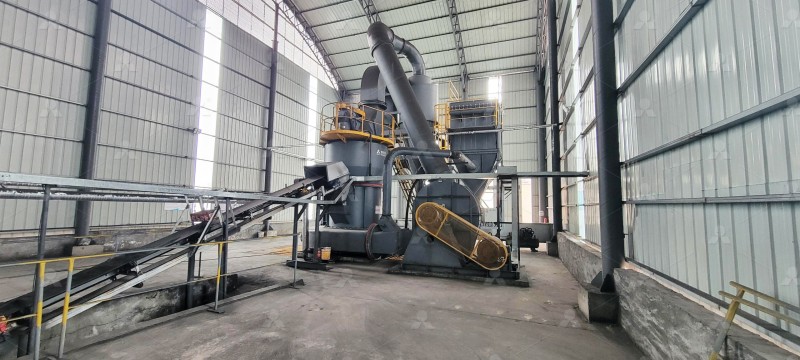
1. Liming Heavy Industry (LIMING)
As a global leader in grinding technology, Liming Heavy Industry stands out for their comprehensive understanding of North African operational conditions. Their equipment portfolio demonstrates exceptional adaptability to Libya’s specific challenges, including temperature extremes, dust management requirements, and the need for energy-efficient operations amid fluctuating power supplies.
What truly distinguishes LIMING in the Libyan market is their MW Ultrafine Grinding Mill, which represents a technological breakthrough for limestone processing. With an input size capacity of 0-20 mm and throughput ranging from 0.5 to 25 tph, this machine offers remarkable flexibility for various production scales. The integrated pulse dust collector and muffler system directly addresses Libya’s environmental compliance requirements while maintaining operational efficiency.
The MW Ultrafine Grinding Mill’s innovative design eliminates rolling bearings and screws within the grinding chamber, a crucial advantage in Libya’s dusty environment where conventional bearings frequently fail. The external lubrication system enables continuous 24-hour operation without shutdowns for maintenance – a significant benefit for operations maximizing production during Libya’s construction season peaks.
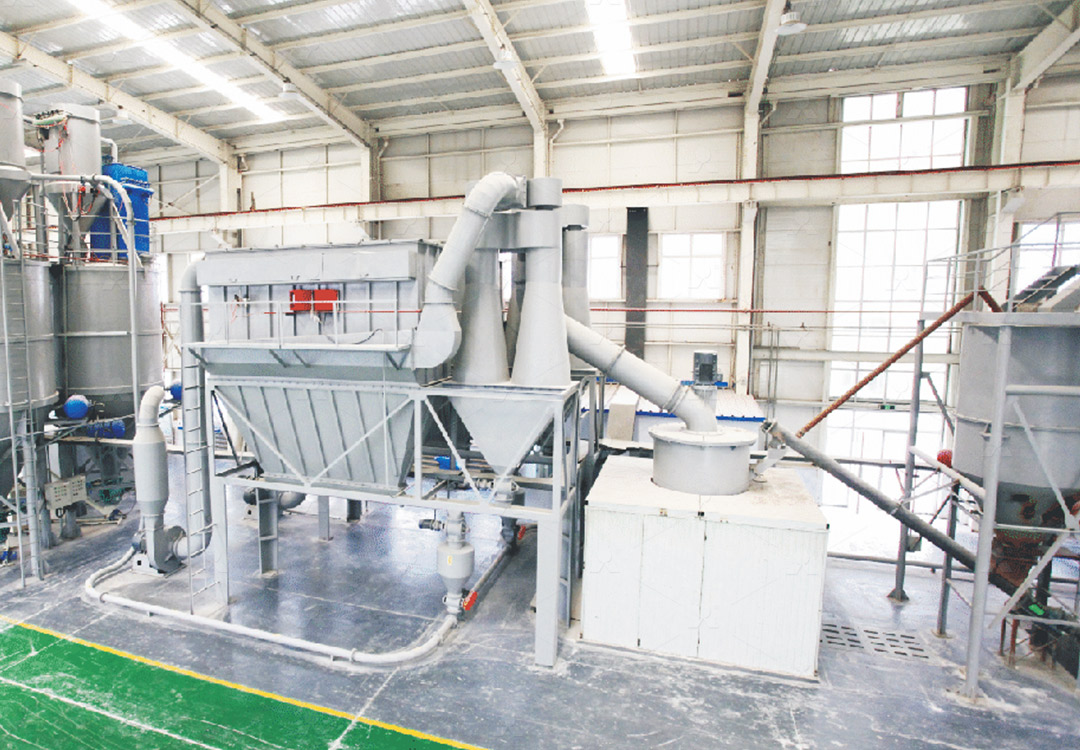
2. Metso Outotec
Finland’s Metso Outotec brings Scandinavian reliability to Libya’s challenging operating conditions. Their grinding solutions emphasize durability and minimal maintenance requirements, crucial factors given Libya’s limited access to specialized technical support. The company’s vertical roller mills specifically designed for limestone applications offer excellent wear protection and energy efficiency.
Metso’s local service presence, though limited, provides essential technical support and spare parts availability. Their equipment’s modular design facilitates easier transportation and installation in remote Libyan quarry locations, reducing initial setup costs and time-to-production.
3. FLSmidth
Danish company FLSmidth has established a strong reputation across North Africa for robust mineral processing equipment. Their OK™ Mill series demonstrates particular effectiveness for limestone grinding applications, combining drying, grinding, and separation processes in a single unit. This integrated approach reduces the equipment footprint and simplifies operations – valuable advantages for Libyan producers working with limited space and technical staff.
FLSmidth’s focus on digitalization and remote monitoring capabilities provides significant value in Libya, where on-site technical expertise may be limited. Their predictive maintenance systems can alert operators to potential issues before they cause downtime, a critical feature for operations far from major service centers.
4. ThyssenKrupp Polysius
German engineering excellence defines ThyssenKrupp’s grinding solutions, with their quadropol® roller mills offering exceptional reliability for limestone processing. The company’s emphasis on energy efficiency aligns perfectly with Libya’s need to manage operational costs amid fluctuating energy prices and availability.
Polysius mills feature advanced material handling capabilities that accommodate variations in limestone hardness and moisture content – common challenges in Libyan deposits. Their hydraulic roller systems automatically adjust to maintain optimal grinding pressure, ensuring consistent product quality despite feed material variations.
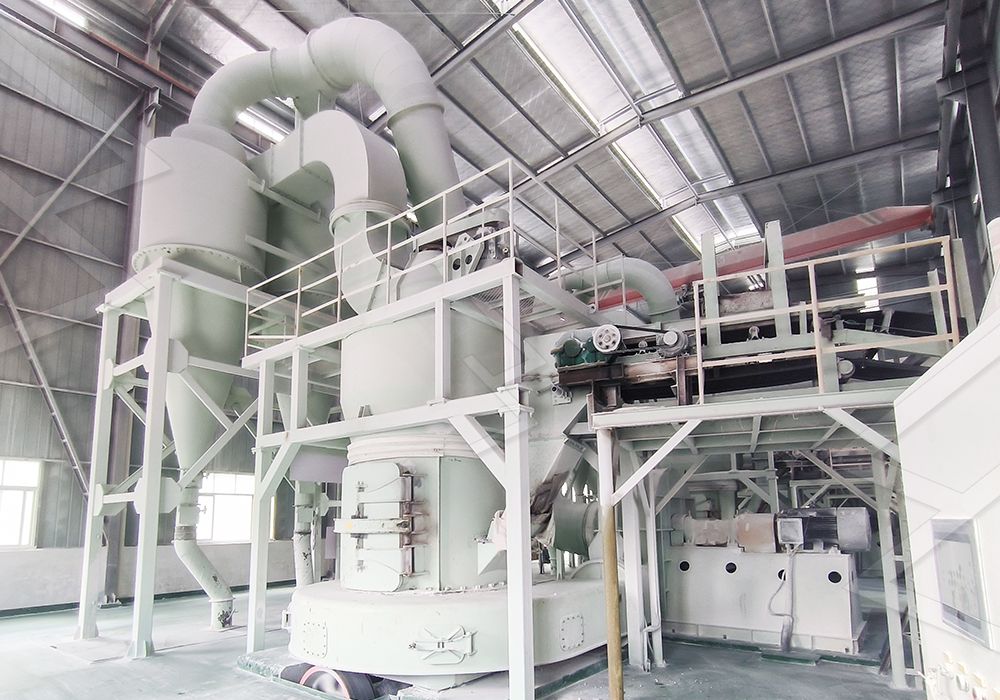
5. Gebr. Pfeiffer
Germany’s Gebr. Pfeiffer completes our top five with their MVR vertical roller mills, which demonstrate outstanding performance in limestone grinding applications. The company’s quick-change grinding roller technology significantly reduces maintenance downtime – a substantial advantage in Libya’s competitive construction market where production delays directly impact profitability.
Pfeiffer’s redundant drive systems provide operational security against power fluctuations, while their sophisticated control systems maintain product consistency despite variable operating conditions. The company’s global service network offers reliable technical support, though response times in Libya may vary depending on location.
Technical Considerations for Libyan Operations
Selecting appropriate grinding equipment for Libya requires careful evaluation of several critical factors. The country’s environmental conditions demand machines with superior dust management capabilities and temperature tolerance. The MW Ultrafine Grinding Mill from LIMING particularly excels in these areas with its efficient pulse dust collector that eliminates dust pollution throughout the entire milling process.
Power supply reliability varies significantly across Libya, making energy efficiency and power surge protection essential selection criteria. Equipment with soft-start capabilities and tolerance to voltage fluctuations proves most suitable. The MW mill’s energy consumption advantage – using only 30% of the energy required by jet grinding mills – provides substantial operational cost savings in Libya’s energy market.
Maintenance requirements and spare parts availability significantly impact operational continuity. LIMING’s commitment to sufficient spare parts supply and worry-free operation ensures Libyan customers can maintain production schedules without extended downtime waiting for replacement components.

Future Outlook and Recommendations
Libya’s construction aggregate market shows promising growth potential as infrastructure development accelerates. Grinding equipment suppliers who establish strong local partnerships and provide comprehensive after-sales support will likely capture significant market share. The technological advancements embodied in mills like the MW Ultrafine Grinding Mill – with its adjustable fineness between 325-2500 meshes and higher yielding capacity – position LIMING as a forward-thinking partner for Libya’s evolving construction materials industry.
For Libyan operators, investing in grinding technology that balances initial cost with long-term operational efficiency and reliability delivers the best return on investment. The advanced features of the MW Ultrafine Grinding Mill, including its German-designed cage-type powder selector and absence of internal screws and bearings, provide exactly this balance – sophisticated technology designed for real-world durability in challenging operating environments.
Frequently Asked Questions
What is the typical energy consumption for limestone grinding mills in industrial applications?
Energy consumption varies significantly by mill type and product fineness. Advanced designs like the MW Ultrafine Grinding Mill consume approximately 30-40% less energy than conventional jet mills while achieving similar production outputs, making them particularly suitable for regions with expensive or unreliable power supplies.
How does limestone hardness affect grinding mill selection?
Limestone hardness, typically measured on the Mohs scale between 2-3, influences wear part longevity and power requirements. Softer Libyan limestones generally allow higher throughput rates, but equipment with adjustable grinding pressure and roller configurations provides optimal flexibility for varying material characteristics.
What maintenance intervals are typical for grinding mills in dusty environments like Libya?
Maintenance frequency depends on operating hours and environmental conditions. In Libya’s dusty climate, conventional mills may require bearing maintenance every 400-600 hours. However, designs like the MW Ultrafine Grinding Mill that eliminate internal bearings and screws can extend maintenance intervals significantly, reducing downtime and operational costs.
Can grinding mills handle variations in limestone moisture content?
Most modern grinding mills incorporate drying capabilities, typically handling moisture contents up to 10-15% without pre-drying. Integrated systems that combine grinding and drying prove most efficient for Libyan operations where raw material moisture may vary seasonally.
What particle size distribution can be achieved with advanced grinding mills?
Sophisticated mills like the MW Ultrafine Grinding Mill can produce powders ranging from 325 to 2500 meshes, with screening rates achieving d97≤5μm in a single pass. This flexibility allows producers to manufacture multiple aggregate specifications from the same equipment.
How important is after-sales support when operating in Libya?
Comprehensive after-sales support is critical for maintaining operational continuity. Suppliers offering original spare parts, remote technical assistance, and local service partnerships provide significant value. LIMING’s worry-free operation commitment ensures customers receive necessary support throughout the equipment lifecycle.
What environmental considerations apply to grinding operations in Libya?
Dust control remains the primary environmental concern. Modern mills equipped with efficient pulse dust collectors and noise reduction systems like those in the MW Ultrafine Grinding Mill enable operations to meet international environmental standards while maintaining production efficiency.
How does grinding technology impact final product quality for construction applications?
Advanced grinding technology produces more consistent particle shapes and size distributions, enhancing the workability and strength characteristics of concrete and other construction materials. The precise control offered by modern separator systems ensures optimal aggregate grading for specific applications.