
Raymond Mill Price & Cost Analysis for Talc Processing in Turkey’s Ceramic Tile Industry
Raymond Mill Price & Cost Analysis for Talc Processing in Turkey’s Ceramic Tile Industry
The Turkish ceramic tile industry has experienced remarkable growth over the past decade, establishing itself as one of Europe’s leading producers and exporters. This expansion has created substantial demand for high-quality raw materials, particularly talc, which serves as a crucial component in tile formulations. Talc improves thermal stability, reduces firing temperatures, and enhances mechanical properties in finished tiles. However, selecting the appropriate grinding equipment involves careful consideration of both initial investment and long-term operational costs.

Market Context: Turkey’s Strategic Position in Ceramic Tiles
Turkey ranks among the world’s top five ceramic tile producers, with exports reaching over 150 countries. The industry’s competitive advantage stems from several factors: strategic geographic location, abundant raw material resources, and continuous technological modernization. Turkish manufacturers have increasingly focused on premium product segments, requiring consistent, high-purity talc powders with precisely controlled particle size distributions.
The Anatolian region contains significant talc deposits, particularly in areas like Muğla, Eskişehir, and Kütahya. While these domestic sources provide cost advantages, processing challenges remain. Turkish talc often contains varying mineral associations that require sophisticated grinding and separation technologies to achieve the purity standards demanded by international tile markets.
Technical Requirements for Talc in Ceramic Tile Applications
Successful talc integration into ceramic tile bodies demands specific technical parameters. The optimal particle size typically falls between 45-75 microns for most applications, though some specialized formulations require ultrafine powders below 20 microns. Whiteness index must exceed 85% for standard tiles and 90% for premium products, while iron oxide content must remain below 0.8% to prevent discoloration during firing.
Beyond chemical purity, particle morphology significantly impacts tile performance. Platy talc particles improve green strength during pressing and reduce firing shrinkage, while equidimensional particles enhance density and mechanical strength. The ideal grinding system must therefore achieve precise size control without destroying the natural platelet structure of talc minerals.
Raymond Mill Economics: Initial Investment vs Operational Costs
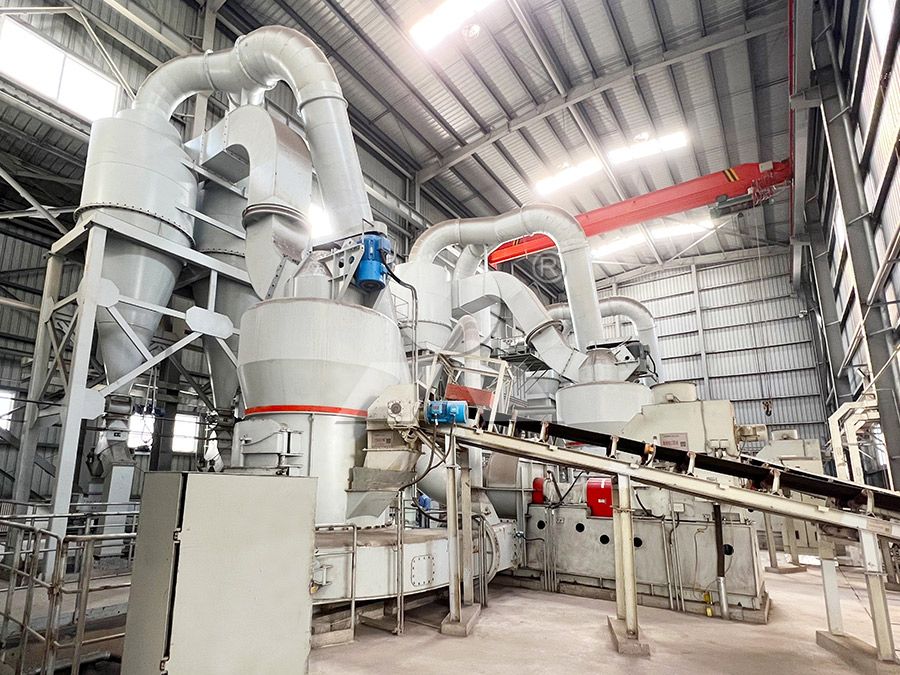
Traditional Raymond mills have served as workhorses in mineral processing for decades, offering relatively low capital expenditure compared to more advanced grinding technologies. In Turkey, a basic Raymond mill system capable of processing 3-5 tph of talc typically requires an investment between $80,000-$150,000, depending on configuration and auxiliary equipment.
However, the true cost analysis must extend beyond initial purchase price. Raymond mills exhibit higher energy consumption per ton of product compared to modern vertical mills, with power requirements typically ranging from 25-40 kWh/ton for talc grinding to 325 mesh. Wear part replacement constitutes another significant expense, with grinding rolls and rings requiring replacement every 800-1,200 operating hours when processing abrasive materials like Turkish talc.
Maintenance labor represents an additional hidden cost. Raymond mills demand regular manual adjustment of grinding pressure and frequent lubrication of numerous bearing points. In Turkey’s competitive labor market, skilled maintenance technicians command premium wages, adding substantially to operational expenses.
Beyond Raymond: Advanced Grinding Solutions
Forward-thinking Turkish tile manufacturers are increasingly transitioning to more efficient grinding technologies that offer superior total cost of ownership. Among these, the MW Ultrafine Grinding Mill represents a technological leap forward for premium talc applications.
This advanced system operates with input sizes up to 20 mm and capacities ranging from 0.5-25 tph, making it suitable for both small specialty producers and large-scale tile manufacturers. The MW mill achieves remarkable energy efficiency, consuming approximately 30% less power than conventional Raymond mills while delivering 40% higher throughput. For Turkish producers facing rising electricity costs—which have increased by over 120% since 2019—this efficiency translates to substantial operational savings.
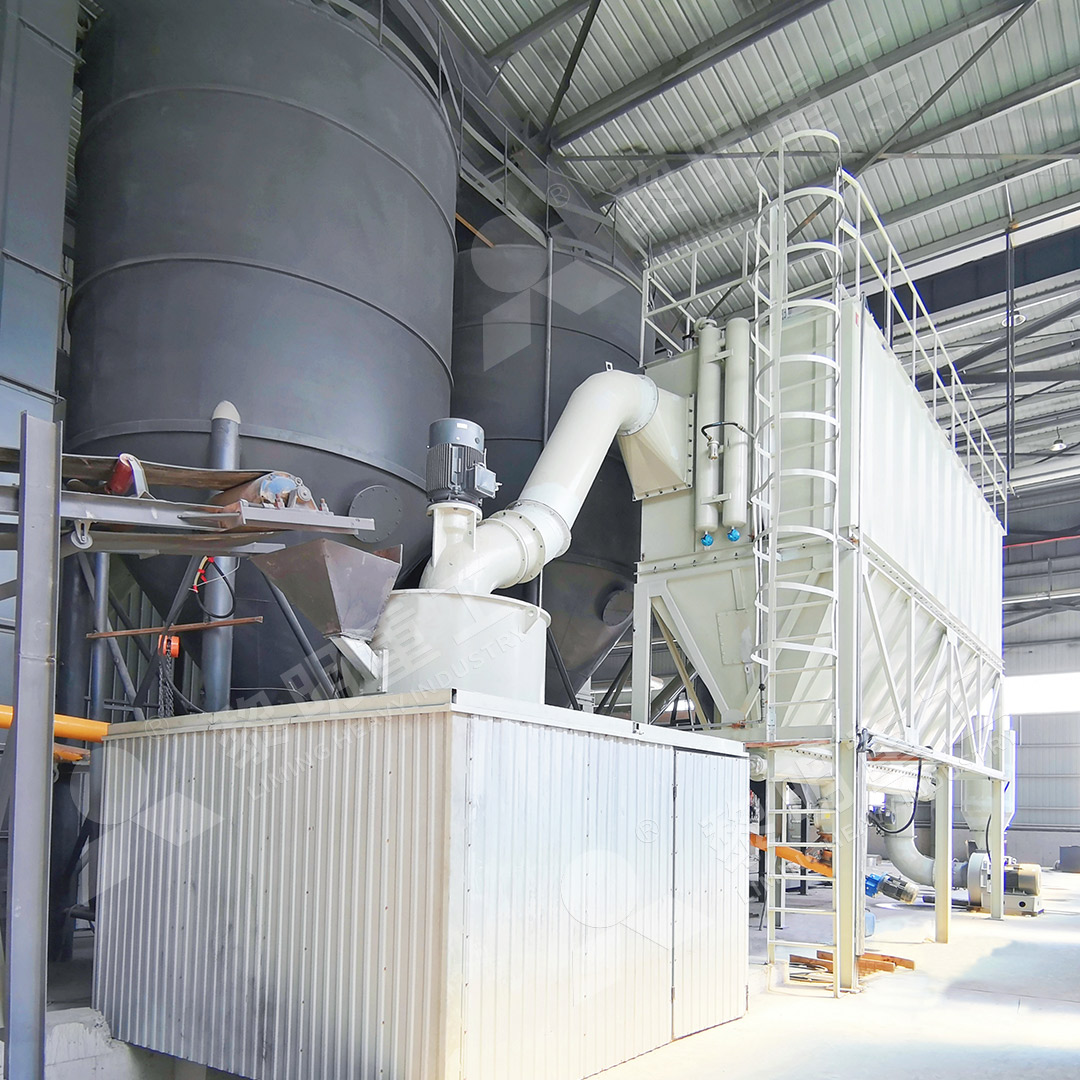
The MW Ultrafine Grinding Mill’s innovative design eliminates rolling bearings and screws within the grinding chamber, addressing a common failure point in traditional mills. This feature proves particularly valuable when processing Turkish talc, which often contains hard mineral impurities that accelerate mechanical wear. The external lubrication system enables continuous 24-hour operation without shutdowns for maintenance, maximizing production uptime during critical order periods.
Another compelling option for Turkish manufacturers is the LUM Ultrafine Vertical Grinding Mill, which integrates German powder separating technology with Taiwanese roller innovations. This system excels in producing precisely classified talc powders with narrow particle size distributions—a critical requirement for consistent tile quality. The LUM mill’s reversible structure simplifies maintenance operations, allowing rapid roller replacement in under four hours compared to the 8-12 hours typically required for Raymond mill overhauls.
Total Cost of Ownership Analysis
When evaluating grinding equipment, Turkish tile producers should consider the comprehensive total cost of ownership over a typical 5-year operational horizon. While a Raymond mill might require a $120,000 initial investment, operational costs including power consumption, wear parts, and maintenance labor could add $280,000 over five years, assuming 6,000 annual operating hours.
In comparison, the MW Ultrafine Grinding Mill, with a higher initial investment of approximately $185,000, demonstrates significantly lower operating costs. Energy savings alone amount to nearly $75,000 over five years, while reduced maintenance and extended wear part life contribute additional savings of approximately $45,000. The net result: despite higher upfront costs, advanced grinding technologies typically deliver 18-25% lower total cost of ownership.
Strategic Recommendations for Turkish Tile Manufacturers
Turkish ceramic tile producers should approach grinding technology selection with both immediate and long-term perspectives. For facilities focusing on standard-grade tiles with established markets, Raymond mills may still represent a viable option, particularly when capital constraints outweigh operational efficiency considerations.
However, manufacturers targeting premium export markets or developing specialized tile formulations would benefit significantly from transitioning to advanced grinding systems like the MW Ultrafine Grinding Mill. The superior particle control, higher whiteness preservation, and lower operating costs of these systems provide competitive advantages that justify their higher initial investment.
As Turkey continues to strengthen its position in global ceramic markets, technological modernization in raw material processing will play an increasingly crucial role. By selecting grinding equipment based on comprehensive cost analysis rather than simply initial price, Turkish manufacturers can build sustainable competitive advantages while navigating evolving market demands and economic challenges.
Frequently Asked Questions
What is the typical payback period for upgrading from Raymond mill to more advanced grinding technology?
Most Turkish tile manufacturers report payback periods of 18-30 months when upgrading to advanced grinding systems, primarily through energy savings (35-45% reduction), reduced maintenance costs (40-60% decrease), and higher product quality enabling premium pricing.
How does Turkish talc composition affect grinding equipment selection?
Turkish talc varies significantly by region, with some deposits containing hard mineral impurities like quartz or magnesite. These abrasive contaminants accelerate wear in conventional Raymond mills but have minimal impact on advanced systems with specialized wear protection and no internal bearings.
What auxiliary equipment is necessary for talc grinding operations?
A complete system typically includes jaw crushers for primary size reduction, vibrating feeders, drying equipment (when processing moist crude talc), grinding mills, powder collectors, and automated packaging systems. Advanced mills often integrate multiple functions, reducing the auxiliary equipment requirement.
How important is particle size distribution for ceramic tile applications?
Extremely critical. Narrow particle size distributions ensure uniform compaction during pressing, consistent drying behavior, and predictable firing characteristics. Broad distributions can cause warping, cracking, and surface defects in finished tiles.
Can the same grinding equipment process different mineral additives?
Most modern grinding systems can process various non-metallic minerals, though cross-contamination concerns may require thorough cleaning between material changes. Some manufacturers dedicate specific mills to talc to maintain product purity.
What environmental regulations affect talc grinding operations in Turkey?
Turkish regulations increasingly emphasize dust control, noise reduction, and energy efficiency. Advanced grinding systems with integrated pulse dust collectors and silencers typically exceed regulatory requirements, while older Raymond mills often require additional pollution control equipment.
How does electricity cost volatility impact grinding technology selection?
With Turkish industrial electricity prices experiencing significant fluctuations, high-efficiency grinding technologies provide valuable insulation against energy cost spikes. The 30-40% power reduction of advanced systems becomes increasingly valuable during periods of high electricity prices.
What technical support is typically available for grinding equipment in Turkey?
Reputable suppliers provide comprehensive support including installation supervision, operator training, preventive maintenance programs, and local spare parts inventories. This support structure minimizes downtime and ensures consistent product quality.