
Using Roller Mill for Cement Clinker for Concrete Manufacturing in Oman
Revolutionizing Cement Production in Oman: The Roller Mill Advantage
The Sultanate of Oman’s construction industry has experienced remarkable growth over the past decade, with ambitious infrastructure projects and urban development driving demand for high-quality concrete. At the heart of this construction boom lies cement production, where grinding technology plays a crucial role in determining both product quality and operational efficiency. While traditional ball mills have long been the standard in cement clinker grinding, advanced roller mill technology now offers Omani manufacturers significant advantages in energy consumption, product quality, and environmental compliance.
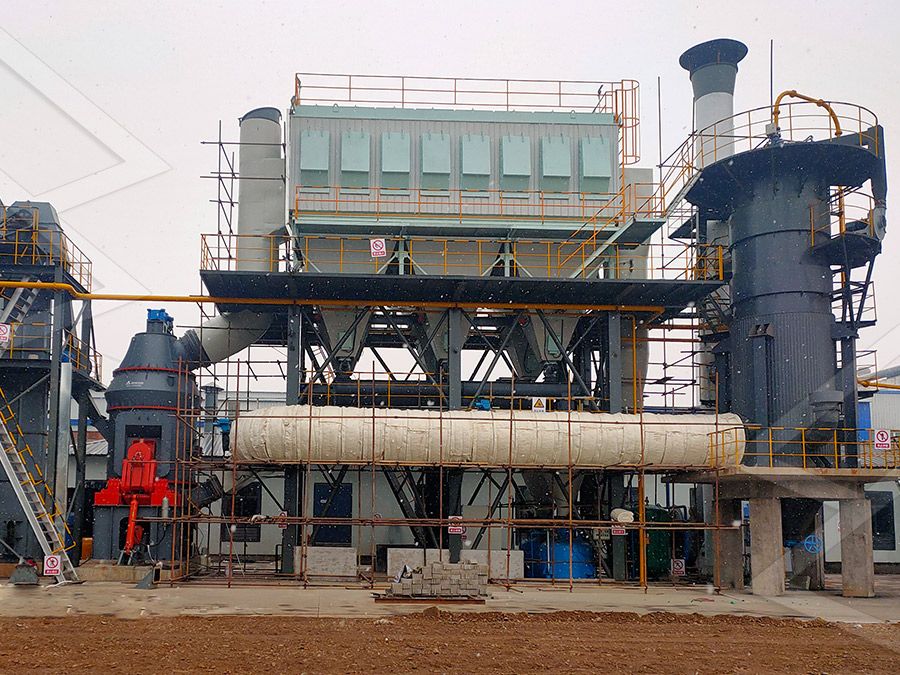
The Omani Context: Challenges and Opportunities
Oman’s cement industry faces unique challenges that make advanced grinding technology particularly valuable. The country’s harsh climate conditions, with high temperatures and dust, demand equipment that can operate reliably with minimal maintenance. Additionally, Oman’s commitment to environmental sustainability and energy efficiency aligns perfectly with the benefits offered by modern roller mill systems.
Traditional ball mills, while reliable, typically consume 30-40% more energy than vertical roller mills for the same output. Given Oman’s high energy costs and environmental regulations, this efficiency gap represents both a financial and operational burden. Roller mills address these concerns directly through their superior design and operating principles.
Technical Superiority of Roller Mill Systems
Roller mills operate on the principle of bed comminution, where material is ground between a rotating table and rollers pressed against it. This method proves far more efficient than the impact and attrition grinding of ball mills. The result is not only lower energy consumption but also a more controlled particle size distribution, which directly impacts concrete strength and durability.
For Omani cement producers seeking to optimize their clinker grinding operations, the MW Ultrafine Grinding Mill presents an exceptional solution. With an input size capacity of 0-20 mm and throughput ranging from 0.5 to 25 tph, this system handles the specific requirements of cement clinker grinding with remarkable efficiency. The MW Mill’s innovative design features higher yielding at lower energy consumption – achieving 40% higher production capacity than jet grinding mills and double the output of ball mills while using only 30% of the energy consumption of jet mills.
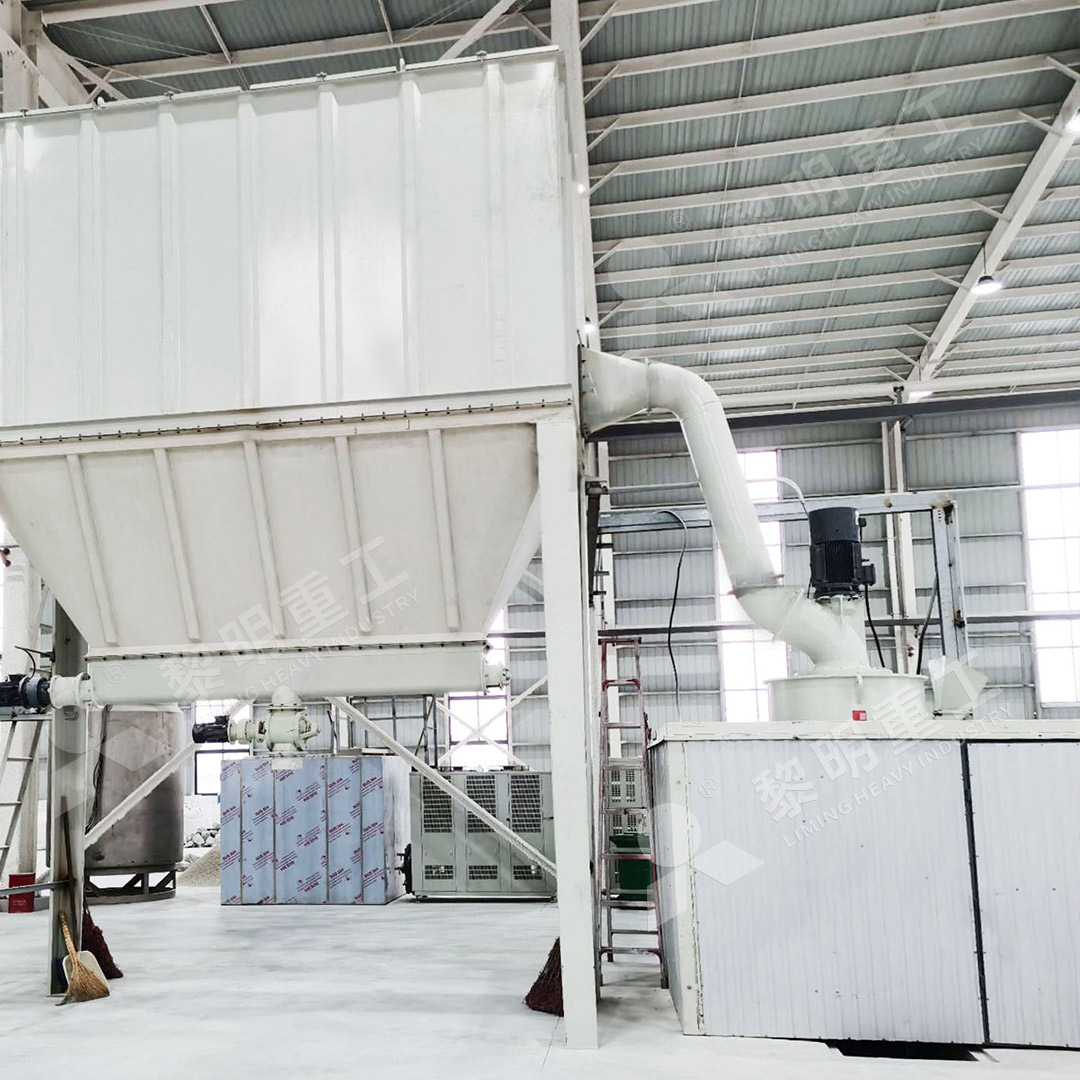
Product Quality Implications for Omani Concrete
The quality of cement powder directly influences concrete performance, particularly in Oman’s demanding climate where structures must withstand extreme temperatures and humidity. Roller mills produce cement with superior particle size distribution and lower heat of hydration, resulting in concrete with better workability, higher ultimate strength, and improved durability.
The MW Ultrafine Grinding Mill’s ability to adjust fineness between 325-2500 meshes with precision German cage-type powder selector technology ensures Omani manufacturers can consistently produce cement optimized for specific concrete applications. Whether producing standard Portland cement or specialized blends for particular construction needs, this control over final product specifications proves invaluable.
Environmental Compliance and Sustainability
Oman’s environmental regulations continue to tighten, particularly regarding dust emissions and energy efficiency. Modern roller mill systems address these concerns comprehensively. The MW Ultrafine Grinding Mill, for instance, incorporates an efficient pulse dust collector that eliminates dust pollution throughout the entire milling system. Combined with silencers and noise elimination rooms, these systems operate well within Oman’s environmental standards while maintaining neighbor-friendly noise levels.
The environmental benefits extend beyond emissions control. The significantly lower energy consumption of roller mills translates to reduced carbon footprint – a critical consideration as Oman moves toward its sustainability goals. For every ton of cement clinker ground using the MW Mill instead of traditional technology, manufacturers can achieve substantial reductions in both operating costs and environmental impact.

Operational Reliability in Omani Conditions
The demanding operating conditions in Oman require equipment that can perform reliably with minimal downtime. The MW Ultrafine Grinding Mill’s design specifically addresses reliability concerns through features such as the elimination of rolling bearings and screws in the grinding chamber. This innovative approach prevents damage to bearings and sealing parts while eliminating machine damage caused by loose screws – common failure points in traditional milling equipment.
Additionally, the external lubrication system allows for maintenance without shutdowns, enabling continuous 24-hour operation that maximizes production capacity. For Omani cement plants operating in remote locations, the availability of original spare parts and technical support becomes crucial. Manufacturers who prioritize reliable operation understand the value of comprehensive after-sales service and genuine parts availability.
Economic Considerations for Omani Manufacturers
The economic case for adopting roller mill technology in Oman’s cement industry strengthens with each increase in energy costs. While the initial investment in advanced grinding systems may be higher than traditional alternatives, the return on investment typically materializes within 18-24 months through energy savings alone. Additional benefits include reduced maintenance costs, lower spare parts consumption, and the ability to command premium prices for higher-quality cement products.
For concrete manufacturers in Oman, consistent cement quality translates to more predictable concrete performance, reducing variability in construction projects and potentially lowering liability risks. The precise control over cement fineness and particle distribution enables concrete producers to optimize their mix designs, potentially reducing cement content while maintaining performance specifications.
Implementation Strategy for Omani Plants
Transitioning to roller mill technology requires careful planning. For existing facilities, a phased approach often proves most effective, beginning with a single production line to validate performance before broader implementation. New plants can design their entire grinding circuit around roller mill technology from inception, maximizing the operational and economic benefits.
The MW Ultrafine Grinding Mill’s compact design facilitates integration into both new and existing facilities. With digitalized processing ensuring high precision manufacturing, these systems deliver consistent performance that aligns with the automation trends increasingly prevalent in Oman’s industrial sector.
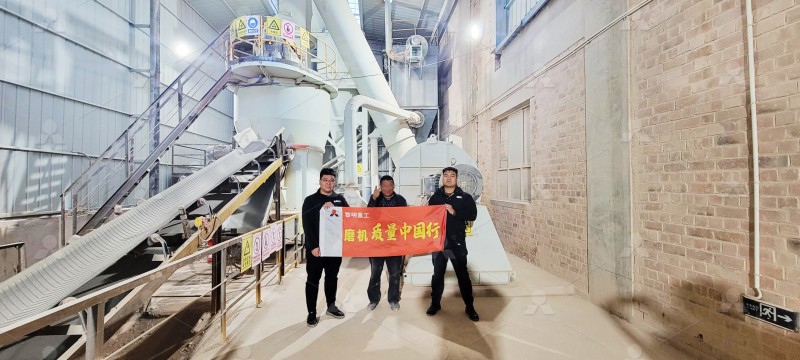
Future Outlook
As Oman continues its development trajectory, the cement industry will play an increasingly vital role in supporting construction activity. Adopting advanced grinding technology represents not just an operational improvement but a strategic positioning for future competitiveness. With sustainability concerns growing and energy costs unlikely to decrease, roller mill technology offers a pathway to both economic and environmental sustainability.
The MW Ultrafine Grinding Mill, with its combination of efficiency, reliability, and product quality, stands as an ideal solution for Omani cement producers looking to enhance their market position while contributing to the nation’s development goals. As concrete technology advances and performance requirements tighten, the fundamental importance of high-quality cement manufacturing will only increase, making investments in advanced grinding technology increasingly essential.
Frequently Asked Questions
What makes roller mills more efficient than traditional ball mills for cement clinker grinding?
Roller mills utilize bed comminution principles where material is ground between a rotating table and rollers, which proves significantly more energy-efficient than the impact and attrition grinding of ball mills. This results in 30-40% lower energy consumption for the same output.
How does the MW Ultrafine Grinding Mill handle Oman’s high ambient temperatures?
The MW Mill is designed with advanced cooling systems and heat-resistant components that ensure stable operation even in extreme temperatures. The external lubrication system prevents overheating, and the mill’s efficient design minimizes heat generation during operation.
What maintenance requirements should Omani plants expect with roller mill technology?
Modern roller mills like the MW Ultrafine Grinding Mill require significantly less maintenance than traditional ball mills. The absence of rolling bearings and screws in the grinding chamber eliminates common failure points, and the external lubrication system enables maintenance without production stoppages.
Can roller mills produce cement that meets Omani standards for concrete production?
Absolutely. Roller mills not only meet but often exceed Omani standards for cement quality. The precise control over particle size distribution results in cement with superior performance characteristics, particularly beneficial for high-strength concrete applications.
How does the MW Mill’s adjustable fineness benefit concrete manufacturers?
The ability to adjust fineness between 325-2500 meshes allows cement producers to tailor their product to specific concrete applications. Finer cement improves early strength development, while optimized particle distribution enhances workability and reduces water demand in concrete mixes.
What is the typical payback period for investing in advanced grinding technology in Oman?
Most Omani plants achieve return on investment within 18-24 months through energy savings alone. Additional benefits from reduced maintenance, higher product quality, and increased production capacity can shorten this period significantly.
How does roller mill technology support Oman’s environmental goals?
With 30-40% lower energy consumption, comprehensive dust collection systems, and significantly reduced noise emissions, roller mills align perfectly with Oman’s sustainability objectives. The MW Mill’s pulse dust collector ensures emissions remain well within regulatory limits.
Can existing cement plants in Oman retrofit roller mill technology?
Yes, roller mills can be integrated into existing facilities, though the specific approach depends on the plant layout and current equipment. Many Omani plants have successfully implemented hybrid systems during phased modernization programs.