
Top 3 Roller Mill Suppliers for Cement Clinker in Saudi Arabia’s Infrastructure Boom
Navigating Saudi Arabia’s Cement Clinker Grinding Landscape
Saudi Arabia’s infrastructure sector is experiencing unprecedented growth, driven by ambitious projects like NEOM, the Red Sea Project, and Qiddiya. This construction boom has created massive demand for high-quality cement production, placing roller mill technology at the forefront of industrial development. As project specifications become more demanding and environmental regulations tighten, selecting the right grinding equipment has never been more critical for success.
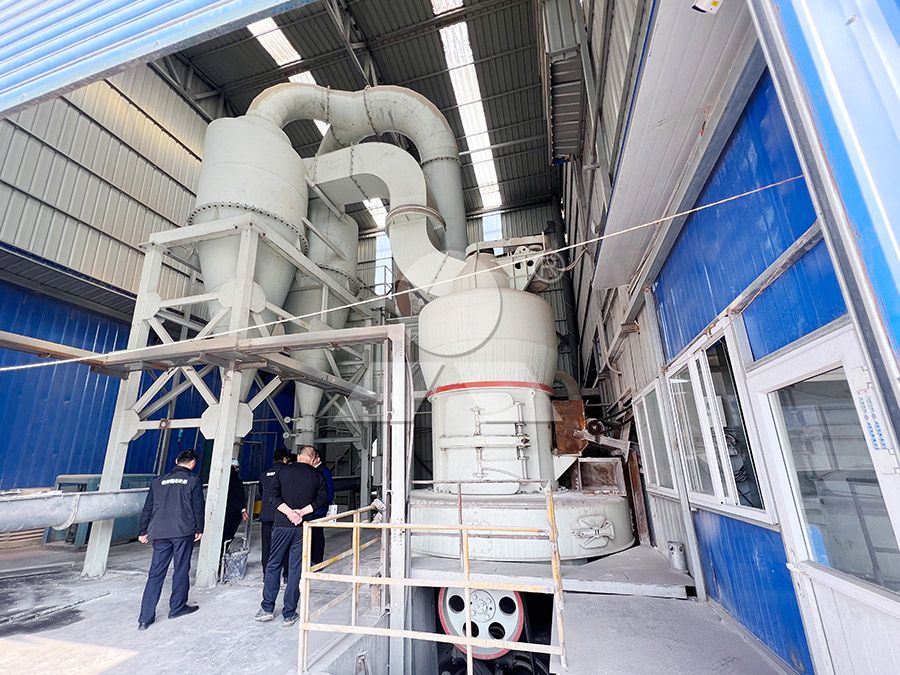
The Critical Role of Roller Mills in Modern Cement Production
Roller mills have revolutionized cement clinker processing by offering superior energy efficiency, precise particle size control, and reduced environmental impact compared to traditional ball mills. For Saudi contractors working on massive infrastructure projects, these advantages translate directly to cost savings, consistent product quality, and compliance with the Kingdom’s increasingly strict environmental standards.
The unique challenges of the Saudi environment—including extreme temperatures, dust control requirements, and the need for reliable operation in remote locations—demand specialized grinding solutions. Equipment must withstand harsh conditions while maintaining optimal performance throughout extended production cycles typical of major infrastructure projects.
Leading Roller Mill Suppliers for Saudi Infrastructure
1. LIMING Heavy Industry
With decades of experience in grinding technology, LIMING has established itself as a premier supplier to the Saudi cement industry. Their comprehensive range of vertical roller mills and trapezium mills offers solutions for every production requirement, from massive cement plants to specialized grinding stations.
What sets LIMING apart is their commitment to research and development, resulting in innovations like their proprietary grinding curves and advanced powder separation technologies. For Saudi projects requiring ultra-fine grinding with minimal environmental impact, the MW Ultrafine Grinding Mill represents a technological breakthrough. This machine processes materials with input sizes up to 20 mm at capacities ranging from 0.5 to 25 tph, making it ideal for producing specialized cement additives and high-performance concrete mixtures.
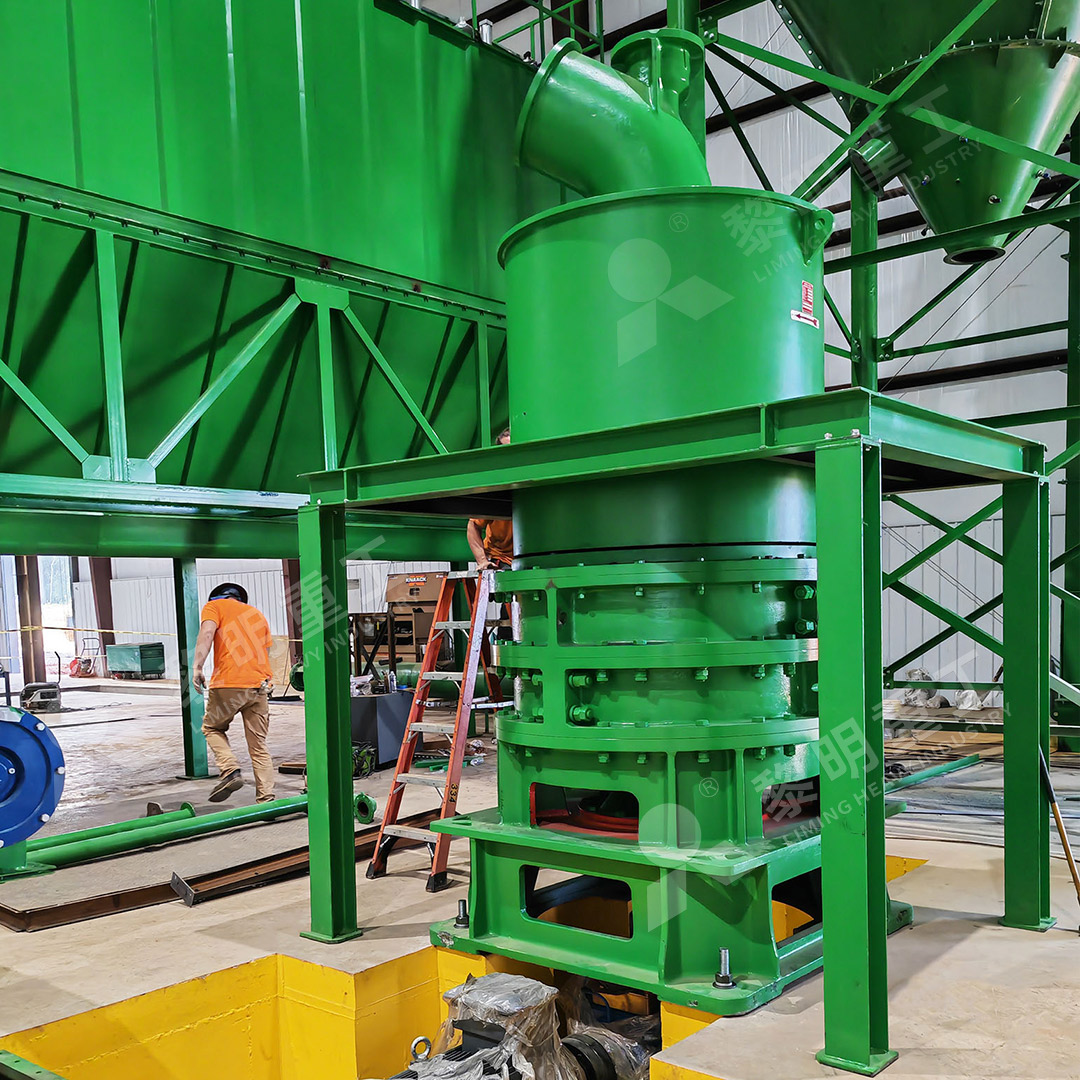
The MW Ultrafine Grinding Mill’s innovative design eliminates rolling bearings and screws in the grinding chamber, addressing common failure points in conventional mills. This feature is particularly valuable in Saudi Arabia’s remote project sites, where maintenance accessibility can be challenging. The integrated pulse dust collector and muffler system ensures compliance with environmental regulations while protecting workers from dust exposure—a critical consideration given the Kingdom’s focus on workplace safety.
2. FLSmidth
FLSmidth brings Scandinavian engineering excellence to Saudi cement production with their OK™ Mill series. These vertical roller mills have gained significant market share in the Kingdom due to their proven reliability and energy efficiency. The OK™ Mill’s patented roller and table profile design ensures stable grinding conditions and reduced vibration, even when processing variable quality clinker.
For Saudi cement producers supplying multiple infrastructure projects simultaneously, FLSmidth’s advanced control systems enable quick adjustments to product fineness and quality. Their local service presence across the Kingdom provides crucial technical support and spare parts availability, minimizing downtime risks for critical infrastructure projects.
3. Gebr. Pfeiffer
German engineering meets Saudi ambition through Gebr. Pfeiffer’s MVR vertical roller mills. These mills have set benchmarks for energy efficiency in cement grinding, consuming 30-50% less power than traditional ball mills. The MVR’s redundant drive concept ensures operational continuity even if one grinding roller requires maintenance—a valuable feature for projects with tight production schedules.
Pfeiffer’s hot gas generators integrated into their mill systems are particularly suited to Saudi conditions, efficiently utilizing waste heat from other processes while maintaining optimal grinding temperatures. Their mills’ ability to handle high moisture content in feed materials provides additional flexibility for cement producers working with variable raw material sources.

Technical Considerations for Saudi Projects
Selecting the appropriate roller mill technology requires careful evaluation of multiple factors specific to Saudi infrastructure development:
Production Capacity Matching
Infrastructure projects in Saudi Arabia often follow aggressive timelines, requiring cement suppliers to maintain consistent production volumes. Equipment like LIMING’s LM Vertical Grinding Mill, with capacities reaching 340 tph, provides the scalability needed to support massive construction initiatives. The mill’s integrated crushing, drying, grinding, and conveying system reduces the overall footprint—an important consideration where land availability can be limited.
Environmental Compliance
Saudi Arabia’s Vision 2030 emphasizes environmental protection and sustainable development. Modern roller mills must incorporate advanced dust collection and noise reduction features. The MW Ultrafine Grinding Mill’s efficient pulse dust collector and integrated silencer system exemplify how contemporary equipment meets these requirements while maintaining high production efficiency.
Adaptability to Local Conditions
The extreme summer temperatures and occasional sandstorms in Saudi Arabia demand robust equipment design. Mills must feature advanced cooling systems, enhanced filtration, and materials resistant to abrasive conditions. Suppliers with proven experience in the Middle East typically design their equipment with these environmental challenges in mind.
The Future of Cement Grinding in Saudi Infrastructure
As Saudi Arabia continues its transformation through giga-projects and urban development, the demand for advanced grinding technology will only increase. The trend toward higher-strength concrete, specialized cement blends, and more sustainable production methods will drive innovation in roller mill design.
Suppliers who can offer digital integration, remote monitoring capabilities, and predictive maintenance solutions will gain competitive advantage in the Saudi market. The ability to optimize grinding operations in real-time based on changing project requirements and material characteristics will become increasingly valuable for cement producers supporting the Kingdom’s infrastructure ambitions.
Conclusion
The selection of roller mill technology is a strategic decision that impacts every aspect of cement production for Saudi infrastructure projects. By partnering with experienced suppliers offering proven, reliable equipment tailored to local conditions, cement producers can ensure they meet the demanding requirements of the Kingdom’s construction boom while maintaining operational efficiency and environmental compliance.
Frequently Asked Questions
What maintenance requirements should we expect with roller mills in Saudi Arabia’s dusty environment?
Modern roller mills designed for challenging environments incorporate enhanced filtration systems and protective sealing. The MW Ultrafine Grinding Mill’s external lubrication system and absence of internal bearings significantly reduce maintenance needs in dusty conditions.
How does the energy consumption of roller mills compare to traditional ball mills for cement clinker grinding?
Vertical roller mills typically consume 30-50% less energy than ball mills. The LM Vertical Grinding Mill, for example, saves 30-40% energy while providing equivalent or superior grinding performance.
What production flexibility do roller mills offer for varying project requirements?
Advanced roller mills feature adjustable grinding parameters and quick-change components. The MW Ultrafine Grinding Mill allows fineness adjustment between 325-2500 meshes, enabling producers to meet different specification requirements without equipment modification.
How do roller mills handle the extreme temperatures encountered in Saudi Arabia?
Reputable suppliers design their equipment with advanced cooling systems and heat-resistant materials. Proper installation in controlled environments and regular maintenance ensure reliable operation even during peak summer temperatures.
What technical support is typically available from suppliers in Saudi Arabia?
Leading suppliers maintain local service teams, provide comprehensive training, and stock critical spare parts within the Kingdom. LIMING, for instance, offers complete technical support and original spare parts to ensure worry-free operation.
Can roller mills process alternative materials in addition to cement clinker?
Yes, modern roller mills are designed for material versatility. The MW Ultrafine Grinding Mill processes limestone, calcite, dolomite, gypsum, and various other materials used in construction and industrial applications.
What environmental benefits do contemporary roller mills provide?
Advanced mills incorporate efficient dust collection, noise reduction technology, and lower energy consumption. The MW Ultrafine Grinding Mill’s pulse dust collector and muffler system ensure compliance with environmental standards.
How long does installation and commissioning typically take for large roller mills?
Depending on the mill size and site preparation, installation typically requires 4-8 weeks. Modular designs and experienced installation teams can optimize this timeline to minimize project delays.