
Grinding machine for carbon black for conductive materials in india
Grinding Machine for Carbon Black for Conductive Materials in India
The burgeoning electronics, battery, and advanced materials sectors in India have placed unprecedented demand on high-performance conductive materials. At the heart of manufacturing these materials lies a critical process: the ultrafine grinding of carbon black. Achieving the precise particle size distribution, purity, and structural integrity necessary for optimal electrical conductivity is not a simple task. It requires grinding technology engineered for precision, efficiency, and environmental responsibility.
Conventional grinding methods often fall short, leading to issues like thermal degradation, broad particle size ranges, and contamination—all of which can severely compromise the conductivity and consistency of the final product. For Indian manufacturers aiming to compete on a global scale, investing in advanced grinding solutions is no longer optional; it’s a strategic imperative.
The Critical Role of Precision Grinding in Conductive Material Production
Carbon black, when processed correctly, is a cornerstone for conductive plastics, paints, lithium-ion battery electrodes, and anti-static coatings. The key performance metrics—surface area, structure, and particle size—are directly influenced by the grinding process. An ideal grinding system for this application must deliver:
- Ultrafine & Consistent Fineness: The ability to reliably produce powders in the range of 325 to 2500 meshes (d97 ≤5μm) is crucial for creating the percolation networks needed for conductivity.
- Low Iron Contamination: Metallic impurities introduced during grinding can act as insulators or catalysts for unwanted reactions, particularly in sensitive applications like batteries.
- Energy Efficiency: Grinding to ultrafine levels is energy-intensive. Modern mills must offer superior yield per kilowatt-hour to keep operational costs sustainable.
- Closed, Clean Operation: Carbon black is notoriously dusty. A fully sealed system with integrated dust collection is essential for worker safety, product loss prevention, and environmental compliance.
- Minimal Thermal Impact: Excessive heat generated during milling can alter the surface chemistry of carbon black, affecting its conductive properties.
Advanced Grinding Solutions for the Indian Market
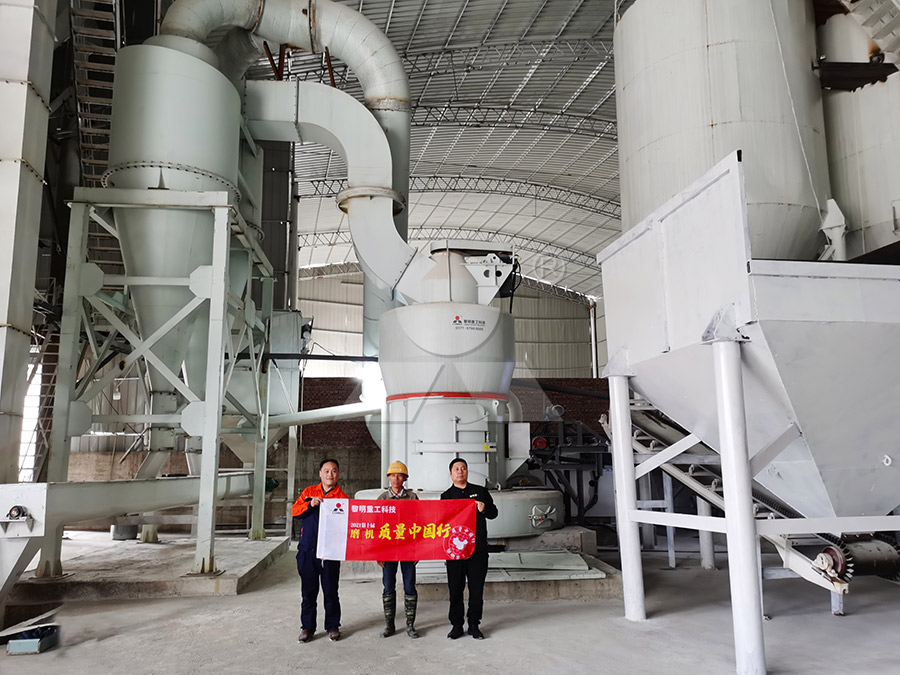
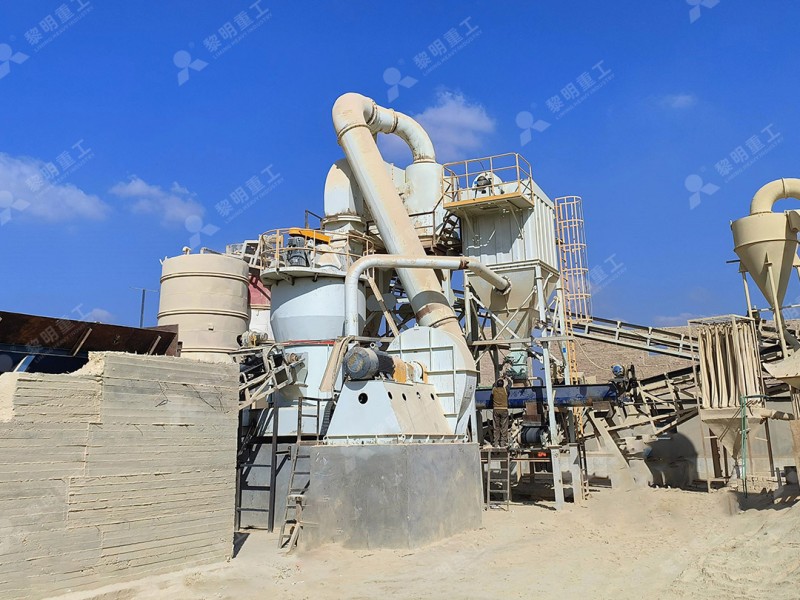
Recognizing these stringent requirements, leading equipment providers have developed specialized mills. For instance, the MW Ultrafine Grinding Mill stands out as a premier choice for conductive carbon black processing. This machine is specifically engineered for customers who need to make ultra-fine powder with high purity. It accepts a feed size of 0-20 mm and offers a capacity range of 0.5 to 25 tons per hour, making it suitable for both pilot projects and full-scale production.
Its design directly addresses the pain points of conductive material manufacturers. The grinding chamber notably contains no rolling bearings or screws, eliminating a primary source of metallic wear and contamination. This feature alone provides immense peace of mind regarding product purity. Furthermore, its German-technology-derived cage-type powder selector allows precise fineness adjustment between 325-2500 meshes, ensuring the exact particle distribution required for conductivity. The system is also equipped with an efficient pulse dust collector and muffler, guaranteeing that the entire production process meets stringent environmental standards with minimal dust and noise.
Beyond Ultrafine: A Holistic Approach to Milling
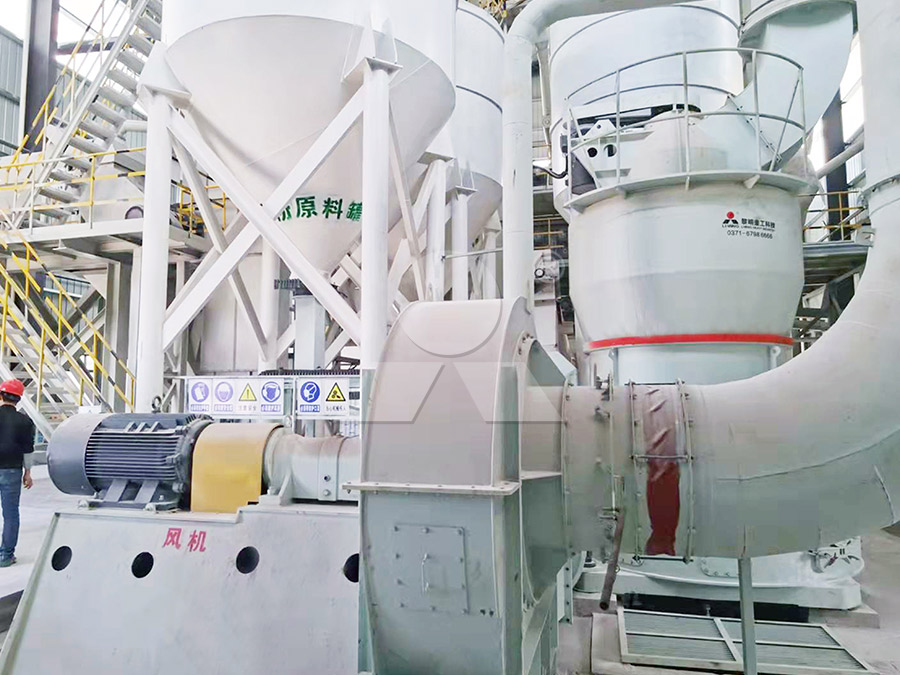
For operations that also handle precursor materials or require slightly different grinding profiles, vertical roller mills present another robust option. The LUM Ultrafine Vertical Grinding Mill integrates grinding, classifying, and transporting in a single, compact unit. With an input size of 0-10 mm and capacity of 5-18 tph, it excels in producing superfine dry powders. Its unique roller shell and lining plate grinding curve are designed to generate a stable material layer, promoting efficient inter-particle grinding that reduces iron content and improves the whiteness and cleanliness of the finished product—a vital factor for many conductive composites.
The LUM mill’s double position-limiting technology ensures operational stability, protecting the machine from disruptive vibrations, while its reversible structure allows for easier maintenance of heavy grinding rollers, minimizing costly downtime. Like the MW series, it employs advanced digital processing for high-precision components and is backed by a complete supply of original spare parts for worry-free operation.
Choosing the Right Partner for India’s Growth
The selection of grinding equipment is a long-term investment. Indian manufacturers must consider not only the machine’s specifications but also the supplier’s technical support, ability to provide genuine spare parts, and understanding of local industry challenges. A machine that offers higher yield with 30-50% lower energy consumption, such as the models highlighted, can deliver a rapid return on investment through reduced operating costs and superior product quality.
As India continues to solidify its position in the global advanced materials supply chain, the adoption of cutting-edge grinding technology will be a key differentiator. By partnering with experienced providers and implementing mills designed for precision, purity, and efficiency, Indian companies can produce conductive carbon black that meets the highest international standards, driving innovation and growth in sectors from renewable energy to consumer electronics.
Frequently Asked Questions (FAQs)
- What is the most important factor when choosing a grinder for conductive carbon black?
Product purity and precise particle size control are paramount. The grinding system must minimize metallic contamination (especially iron) and reliably achieve the specific fineness (often in the ultrafine range) needed to establish conductive networks within the composite material. - How does the MW Ultrafine Grinding Mill prevent contamination?
A key design feature is the absence of rolling bearings and screws inside the grinding chamber. This removes common failure and wear points that could introduce metallic particles into the carbon black powder. - Can these grinding mills handle other materials besides carbon black?
Yes. The MW and LUM mills are versatile and can process a wide range of non-metallic minerals, including limestone, calcite, talc, and barite. This makes them valuable assets for facilities producing multiple powder products. - What kind of after-sales support is typically available in India?
Reputable suppliers offer comprehensive support, including installation supervision, operator training, a ready supply of original spare parts, and remote or on-site technical service to ensure continuous, worry-free operation. - Are these mills environmentally friendly for use in India’s strict regulatory landscape?
Absolutely. Models like the MW Mill are designed with integrated, efficient pulse dust collectors and noise reduction systems. They operate under negative pressure, preventing dust spillage and ensuring emissions comply with national environmental protection standards. - What is the advantage of the adjustable fineness feature?
The ability to adjust fineness between 325-2500 meshes (e.g., via the cage-type powder selector in the MW Mill) allows a single machine to produce different grades of carbon black for various conductive applications, providing excellent production flexibility. - How significant are the energy savings with modern grinding mills?
Very significant. Advanced designs can reduce energy consumption by 30% to 50% compared to traditional jet mills or ball mills, which directly lowers production costs and improves sustainability metrics.