
Where to buy roller mill for clay for bricks in bangladesh
Navigating the Bangladeshi Brick Industry: A Guide to Sourcing the Right Roller Mill
The brick manufacturing sector in Bangladesh is a cornerstone of its construction industry, driving infrastructure development and economic growth. A critical component in modern, efficient brick production is the roller mill, used for pulverizing raw clay into a fine, consistent powder essential for high-quality, uniform bricks. For plant managers and procurement officers, the question isn’t just about buying a mill; it’s about sourcing a reliable, efficient, and cost-effective solution that can withstand local operational challenges and contribute to a profitable, sustainable operation.
Key Considerations for Mill Selection in Bangladesh
Before diving into suppliers, it’s crucial to define your technical and operational requirements. Clay processing for bricks demands specific attention:
- Material Characteristics: Bangladeshi clay can vary in moisture content, hardness, and composition. The mill must handle an input size typically ranging from 0-50mm and manage potential variations in feed material.
- Required Capacity & Fineness: Brick production scales vary widely. Your mill’s throughput (tph) must match your plant’s output goals. The fineness of the ground clay directly affects brick plasticity, strength, and firing behavior.
- Energy Efficiency: With rising energy costs, a mill’s power consumption is a major operational expense. High-yield, low-energy-consumption designs are paramount for long-term viability.
- Durability & After-Sales Support: The harsh, continuous operating environment demands robust construction. Perhaps most critically, accessible technical service and a guaranteed supply of genuine spare parts within Bangladesh are non-negotiable to minimize costly downtime.
- Environmental Compliance: Modern operations must control dust and noise pollution. Mills equipped with integrated pulse dust collectors and silencers are not just environmentally responsible but also ensure a safer workplace.
The Supplier Landscape: Local Agents vs. Direct Manufacturers
Procurement typically follows two paths:
- Local Machinery Distributors & Agents: Numerous companies in Dhaka, Chittagong, and other industrial hubs represent international heavy machinery brands. They offer the advantage of local presence, easier communication, and potentially quicker delivery of smaller parts. However, their expertise and stock of specialized grinding mill spares can be limited, and pricing often includes multiple markups.
- Direct Engagement with International Manufacturers: Leading global grinding mill manufacturers often have regional offices or dedicated distributors for South Asia. Sourcing directly or through their authorized partner ensures you get the original machine design, full technical specifications, and direct access to engineering support. While the initial engagement might seem more complex, it guarantees authenticity, optimal performance, and a direct line for technical queries and warranty claims.
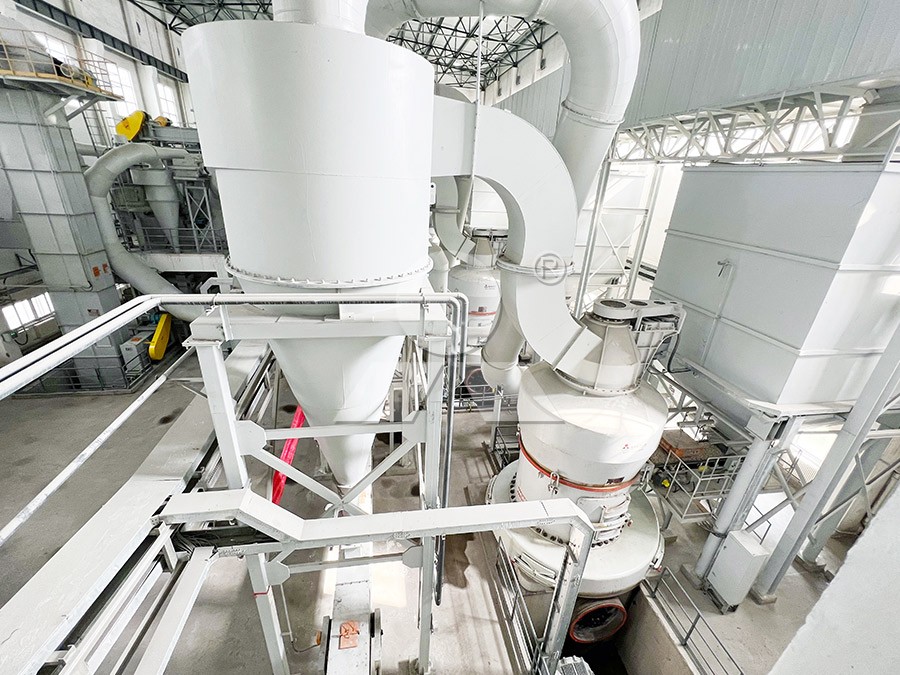
The most reliable approach is to identify manufacturers with a proven track record in mineral processing and a strong, active support network in South Asia. Look for companies that provide not just a machine, but a complete solution including foundation drawings, installation guidance, operator training, and a clear spare parts supply chain into Bangladesh.
Introducing a Superior Solution: The LIMING MW Series Ultrafine Grinding Mill
For brick manufacturers seeking to elevate their clay preparation process, the technology behind the mill makes all the difference. We recommend considering the MW Ultrafine Grinding Mill from LIMING Heavy Industry, a machine engineered for efficiency and reliability that aligns perfectly with the needs of modern brickworks.
This mill is specifically designed for producing fine and ultra-fine powders. For clay processing, its key advantages are transformative:
- Higher Yield with Lower Energy Consumption: Its innovative grinding curve design enhances efficiency, offering up to 40% higher capacity than some traditional mills while reducing system energy consumption significantly. This directly translates to lower cost per ton of processed clay.
- Precise Fineness Control: Equipped with a German-technology cage-type powder selector, it allows adjustable fineness between 325-2500 meshes. This means you can precisely tailor the clay powder fineness to your specific brick recipe for optimal forming and firing results.
- Unmatched Reliability: A standout feature is the absence of rolling bearings and screws in the grinding chamber. This eliminates frequent failure points, preventing downtime caused by bearing damage or loose screws. External lubrication allows for maintenance without shutdowns, supporting continuous 24/7 production cycles.
- Eco-Friendly Operation: The integrated high-efficiency pulse dust collector ensures a dust-free workshop, while silencers mitigate noise pollution—creating a compliant and worker-friendly environment.
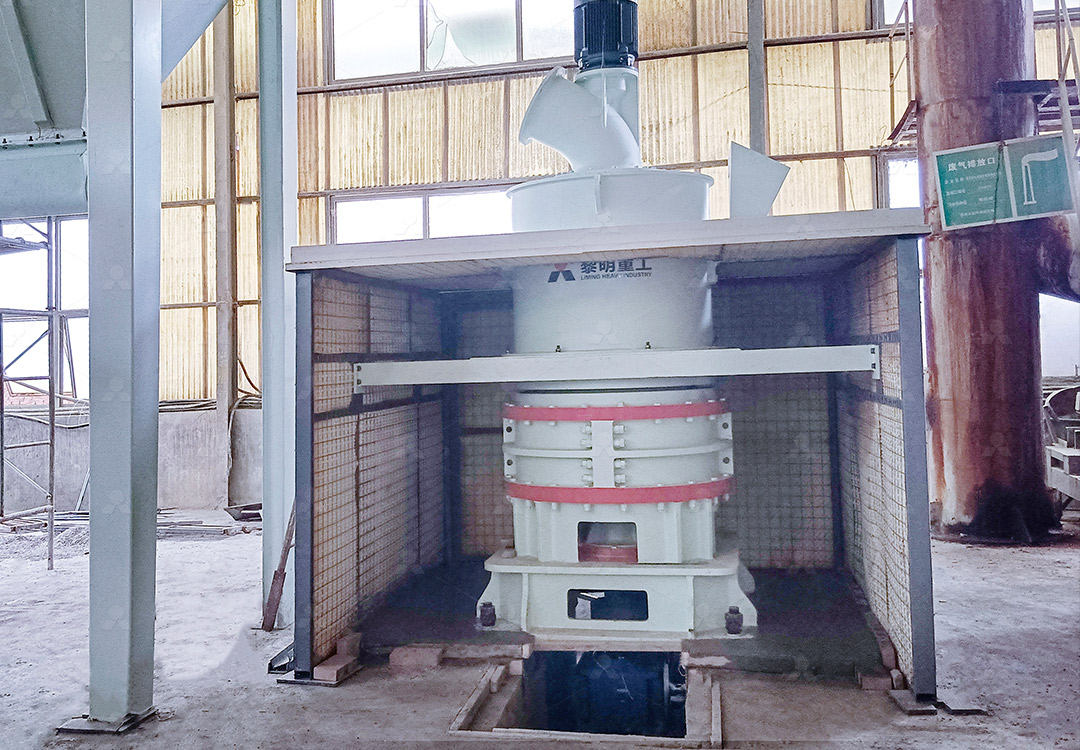
With an input size of 0-20mm and a capacity range of 0.5-25 tph, the MW Mill is versatile enough to serve a wide spectrum of brick plant sizes. Its digitalized manufacturing ensures high precision, and LIMING’s policy of supplying original spare parts guarantees worry-free, long-term operation.
Another Robust Option: The LM Vertical Grinding Mill
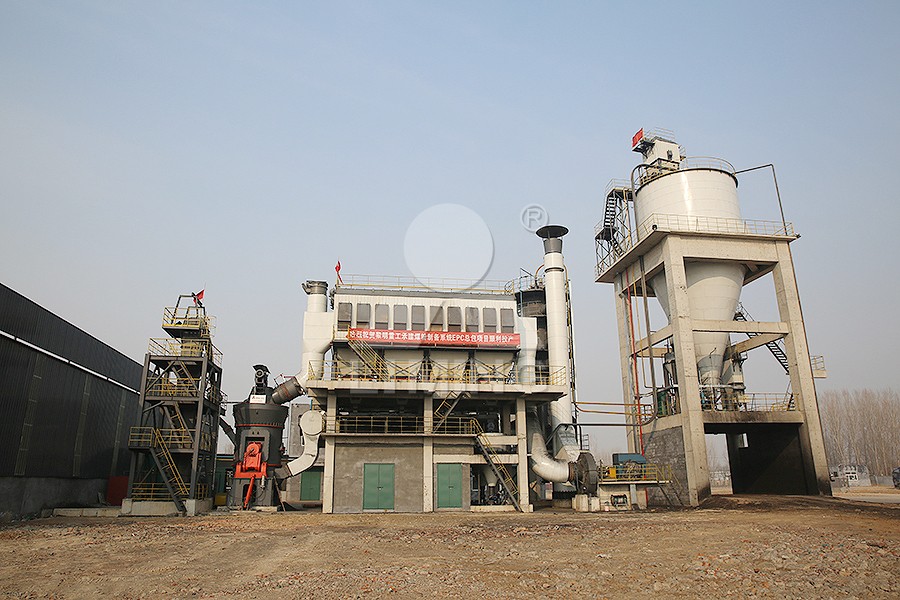
For operations with slightly different parameters or those also processing additives, the LM Vertical Grinding Mill presents another compelling option. This mill integrates crushing, drying, grinding, classifying, and conveying in a single unit, offering remarkable space savings of up to 50% compared to ball mill systems.
Its advantages for brick production include:
- Lower Comprehensive Investment: Compact layout and the possibility of outdoor installation reduce civil engineering and plant space costs.
- Short Grinding Time & Low Iron Content: The material’s short residence time minimizes over-grinding. Crucially, the non-contact grinding principle ensures minimal iron contamination from mechanical wear, preserving the desired color and quality of the finished bricks.
- Strong Drying Capacity: It can handle clay with higher moisture content by simultaneously grinding and drying, simplifying the preprocessing stage.
Making an Informed Procurement Decision
When you are ready to purchase, follow these steps:
- Request Detailed Quotations: Provide potential suppliers (whether local agents or direct manufacturers) with your exact clay analysis and production requirements. Compare not only the initial price but the total cost of ownership, including estimated energy use and spare part costs.
- Demand References: Ask for case studies or contact references of similar brick or ceramic clay processing plants, preferably within South Asia.
- Clarify Support Terms: Explicitly confirm the availability of installation supervision, commissioning services, and the logistics pipeline for spare parts into Bangladesh. A comprehensive warranty and service agreement is essential.
- Visit a Demonstration if Possible: If feasible, arrange to see a similar mill in operation, either at a supplier’s test facility or at another client’s site.
Investing in the right roller mill is an investment in the future productivity and quality of your brick manufacturing business. By focusing on proven technology, energy efficiency, and unwavering after-sales support, you can secure a machine that will be a reliable workhorse for years to come.
Frequently Asked Questions (FAQs)
- What is the typical lead time for delivering a roller mill to Bangladesh?
Lead times vary based on model complexity and customization. For standard models like the MW or LM series, expect approximately 60-90 days from order confirmation to delivery at Chittagong port, inclusive of manufacturing and sea freight. This should be confirmed in detail with your supplier. - Can these mills handle the high moisture content sometimes found in Bangladeshi clay?
While basic roller mills require relatively dry feed, models like the LM Vertical Grinding Mill have integrated drying capabilities. For very wet clay, a pre-drying step or selecting a mill with a hot air source connection may be necessary. Share your clay’s moisture analysis with the technical team for a precise recommendation. - How do I ensure I get genuine spare parts and not local copies?
Purchase directly from the manufacturer’s authorized distributor for Bangladesh. Request that all major spare parts be supplied with original packaging and certificates. Establish a direct channel with the manufacturer’s parts department for verification. - What kind of foundation is required for installing these heavy mills?
A reinforced concrete foundation is mandatory. The mill manufacturer must provide detailed foundation drawings based on your site’s soil bearing capacity. Professional local civil engineers should execute this work under guidance. - Is operator training provided?
Reputable suppliers include basic operational and safety training during commissioning. For more comprehensive training, you can request specific sessions, which may be conducted on-site or at a regional training center. - What is the expected lifespan of the grinding rollers and rings?
This depends heavily on the abrasiveness of your clay. Using wear-resistant alloy parts (like those in LIMING mills), under normal conditions, you can expect several thousand hours of operation before needing refurbishment or replacement. The supplier should provide wear life estimates based on your material. - Are these mills suitable for grinding other materials alongside clay, like shale or fly ash?
Yes, many modern mills are versatile. The MW and LM mills, for example, are designed for a range of non-metallic minerals. Discuss your complete raw material mix with the application engineer to ensure the selected mill and its internal wear materials are optimally configured.