
How to optimize cement raw materials processing with industrial pulverizer for mortar production in argentina
How to Optimize Cement Raw Materials Processing with Industrial Pulverizer for Mortar Production in Argentina
The Argentine construction industry, particularly the mortar production sector, faces unique challenges. From the limestone-rich quarries of Córdoba to the gypsum deposits in the Andean regions, the quality and consistency of raw material processing directly impact the performance, durability, and cost-effectiveness of the final mortar product. In this context, selecting and optimizing industrial pulverization technology is not merely an operational decision—it’s a strategic one that defines competitiveness.
Traditional grinding methods often fall short, plagued by high energy consumption, inconsistent particle size distribution, and significant environmental footprint. For modern mortar plants aiming to meet both local ASTM and international quality standards, a shift towards advanced, intelligent milling systems is imperative. The goal is to achieve a perfectly calibrated raw meal where particle fineness, morphology, and chemical reactivity are precisely controlled to enhance the hydration process and final mortar strength.
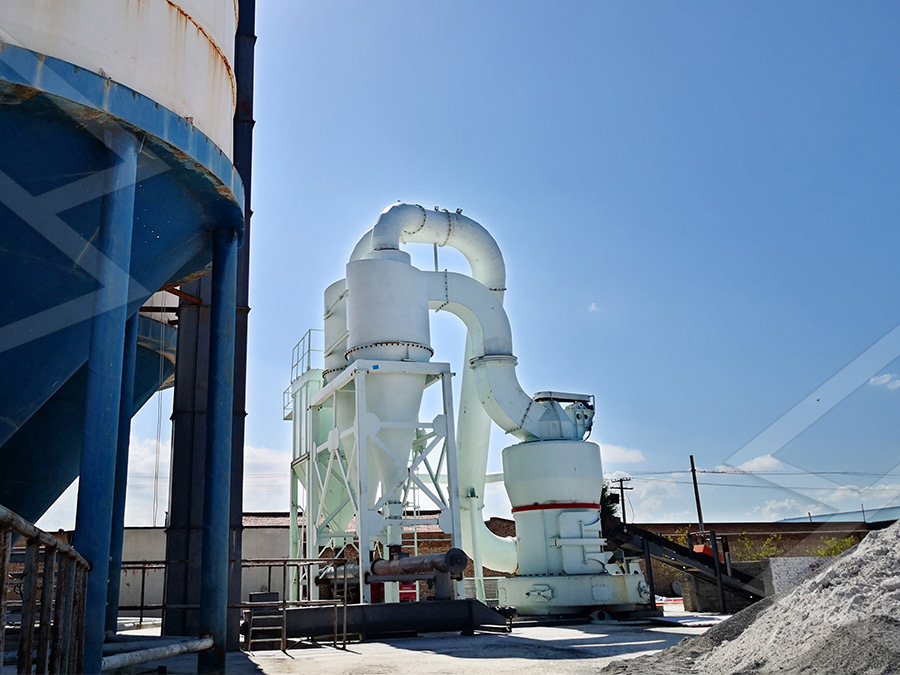
The Critical Role of Particle Size Distribution in Mortar Quality
The science behind high-performance mortar begins at the micron level. The fineness of cement, limestone filler, and other additives directly influences:
- Workability & Water Demand: A controlled, narrow particle size distribution reduces water demand for the same workability, leading to higher final density and reduced shrinkage cracking.
- Reactivity & Setting Time: Ultra-fine particles (below 10μm) dramatically increase the surface area available for hydration, accelerating early strength development—a key factor in Argentina’s fast-paced construction projects.
- Binder Efficiency: Optimal grinding can unlock higher reactivity from local materials, potentially reducing clinker factor and lowering the carbon footprint of the mortar.
Therefore, the pulverizer is no longer just a crusher; it is the heart of a precision manufacturing process. The market demands equipment that offers not just high capacity, but exceptional control over the entire particle spectrum.
Beyond the Ball Mill: Modern Milling Solutions for Argentine Producers
While ball mills have been industry staples, their limitations in energy efficiency (up to 70% of energy is lost as heat and noise) and limited fineness control are well-documented. Argentine producers looking to upgrade their processing lines should focus on vertical roller mill (VRM) and advanced trapezium mill technologies that offer integrated drying, grinding, and classifying.
These systems provide superior energy economics, often reducing specific power consumption by 30-50% compared to traditional systems. For mortar production, where materials like limestone, gypsum, and pozzolans may have varying moisture content from the Pampas humidity or northern climates, the integrated drying capability is a game-changer, ensuring consistent feed to the grinding chamber regardless of weather conditions.
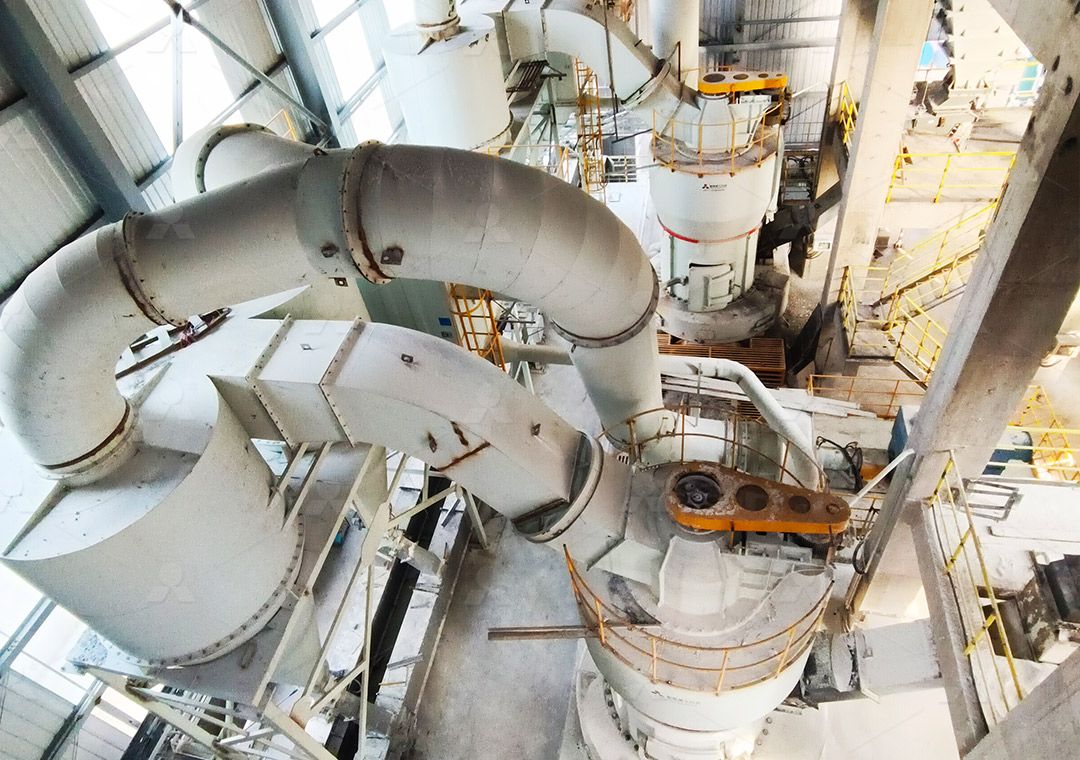
Introducing the MW Ultrafine Grinding Mill: Precision for Specialized Mortar Applications
For producers specializing in high-value, specialized mortars—such as thin-set tile adhesives, self-leveling compounds, or high-performance repair mortars—the requirements for raw material fineness are extreme. Here, achieving a consistent product in the range of 325 to 2500 meshes (d97 ≤ 5μm) is crucial.
This is where the MW Ultrafine Grinding Mill from LIMING demonstrates its unparalleled value. Engineered for customers who need to make ultra-fine powder, this machine is a standout solution for processing the high-purity limestone and calcite found in Argentina for use as functional fillers.
Its key advantages for the Argentine mortar industry include:
- Higher Yielding, Lower Energy Consumption: With a newly designed grinding curve, its production capacity is 40% higher than jet mills and double that of ball mills for the same fineness, while system energy consumption is slashed by 70% compared to jet milling. This directly translates to lower operational costs in a market sensitive to energy prices.
- Adjustable Fineness with German Powder Selector Technology: The cage-type powder selector allows precise calibration of fineness between 325-2500 meshes, giving producers the flexibility to create custom raw material blends for different mortar grades from a single mill.
- Unmatched Reliability & Eco-Friendly Operation: The innovative design with no rolling bearings or screws in the grinding chamber eliminates common failure points. Coupled with an efficient pulse dust collector and muffler, the MW Mill ensures a clean, quiet operation that aligns with increasingly strict local environmental regulations in Argentine industrial zones.
For a versatile workhorse capable of handling the full spectrum of raw materials from 0-70mm at high capacities (3-340 tph), the LM Vertical Grinding Mill is another exemplary choice. It integrates crushing, drying, grinding, and classifying in a single footprint 50% smaller than a ball mill system, ideal for plant expansions where space is at a premium. Its ability to process materials with short grinding time and low iron contamination is vital for producing bright, high-quality mortar with consistent color.
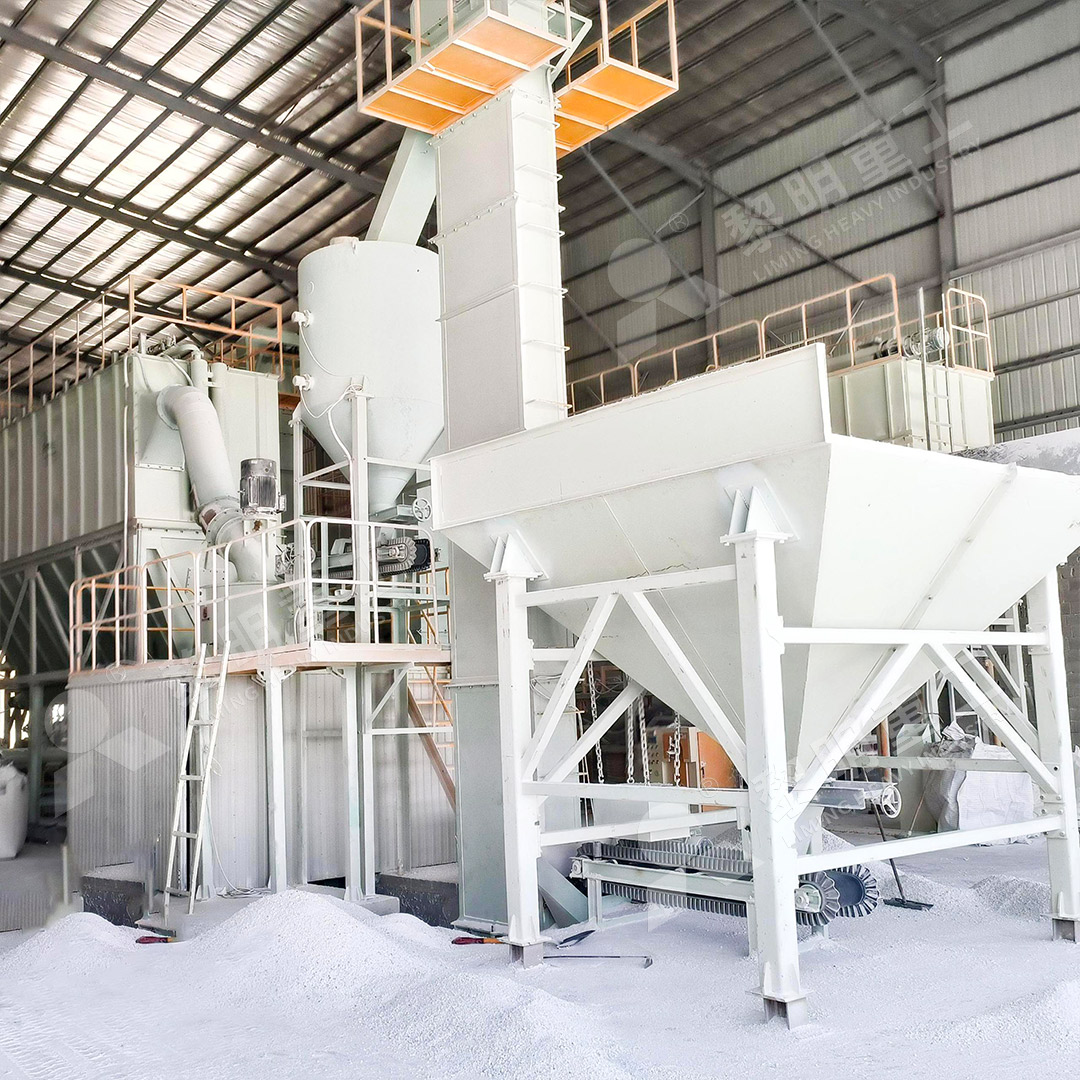
Optimizing Your Processing Line: Key Considerations for Argentina
- Material Analysis: Conduct a full mineralogical and moisture analysis of your local raw materials (limestone, clay, gypsum) to determine the required grinding curve and drying needs.
- System Integration: Choose a mill that offers seamless integration with feeders, classifiers, dust collectors, and silos. Look for digital control systems that allow for remote monitoring—a significant advantage for managing multiple sites across Argentina’s vast geography.
- After-Sales & Spare Parts: Given geographical considerations, partner with a supplier like LIMING that guarantees a sufficient supply of original spare parts and local technical support to ensure worry-free, continuous operation and minimize costly downtime.
- Future-Proofing: Select technology that can adapt to changing raw material sources and evolving mortar formulations, such as those incorporating more industrial by-products.
In conclusion, optimizing cement raw material processing for mortar in Argentina hinges on adopting intelligent, efficient, and precise grinding technology. By moving beyond outdated methods and leveraging advanced solutions like the MW Ultrafine Grinding Mill for specialty applications or the robust LM Vertical Mill for high-volume base materials, producers can achieve superior product quality, significant cost savings, and a stronger competitive position in both domestic and Mercosur markets.
Frequently Asked Questions (FAQs)
1. What is the main advantage of a vertical roller mill over a traditional ball mill for mortar raw material processing?
The primary advantages are dramatically lower energy consumption (30-50% savings), integrated drying capability for moist materials, a significantly smaller footprint, and superior particle size control, leading to more consistent and reactive raw meal for mortar production.
2. Can the same mill process both hard limestone and softer gypsum for cement blends?
Yes, modern mills like the LM Vertical Grinding Mill are designed for multi-material processing. The grinding pressure and speed can be adjusted via hydraulic and PLC systems to efficiently handle materials of different hardness without compromising product quality or mill integrity.
3. How important is particle fineness for non-structural mortars like tile adhesive?
Extremely important. In specialty mortars, ultrafine fillers (often processed by mills like the MW Ultrafine Grinding Mill) improve adhesion, reduce sagging, enhance water retention, and create a smoother finish. Fineness directly impacts key performance properties like open time and adjustability.
4. We have variable moisture content in our raw materials due to seasonal changes. Is this a problem?
Not with the right technology. Both the LM and LUM series vertical mills feature integrated hot air ducts that can dry materials with moisture content during the grinding process itself, ensuring a stable, dry feed and consistent grinding efficiency year-round.
5. What kind of maintenance downtime should we expect with advanced pulverizers?
Designed for reliability, mills like the MW series have features like external lubrication and no internal bearings in the grinding chamber to minimize wear. The LUM Ultrafine Mill includes a reversible roller structure, allowing quick maintenance without fully dismantling the mill, drastically reducing planned downtime to a matter of hours.
6. Are these grinding systems compliant with Argentine environmental regulations?
Absolutely. Leading models are equipped with high-efficiency pulse jet dust collectors (achieving over 99.9% collection) and sound-dampening technologies like mufflers and insulated rooms. They operate under negative pressure, preventing dust spillage, and meet strict international emission standards.
7. Can the fineness of the final product be adjusted quickly for different product batches?
Yes, this is a key feature. Using advanced cage-type or multi-head powder separators (as in the MW and MTW-Z mills), the fineness can be adjusted in real-time via the control system without stopping the mill, allowing for flexible production scheduling between different mortar grades.