
Industrial pulverizer for bentonite for animal feed binder in usa
Industrial Pulverizer for Bentonite in Animal Feed Binders: A U.S. Market Perspective
The American animal feed industry is a cornerstone of national agriculture, demanding consistent quality, nutritional integrity, and operational efficiency. A critical, yet often understated, component in modern feed formulation is the binder. Bentonite clay, prized for its natural binding, anti-caking, and mycotoxin-adsorption properties, has become a staple. However, its efficacy is intrinsically tied to one factor: particle size. This is where the specialized role of the industrial pulverizer becomes non-negotiable.
Superfine bentonite powder, with a controlled and uniform particle distribution, dramatically increases the surface area. This enhances its binding capacity, ensures homogeneous mixing within the feed pellet, and improves overall pellet durability and shelf life. For U.S. feed mills targeting high-performance livestock, poultry, and aquaculture nutrition, investing in the right grinding technology is not an overhead—it’s a strategic advantage.
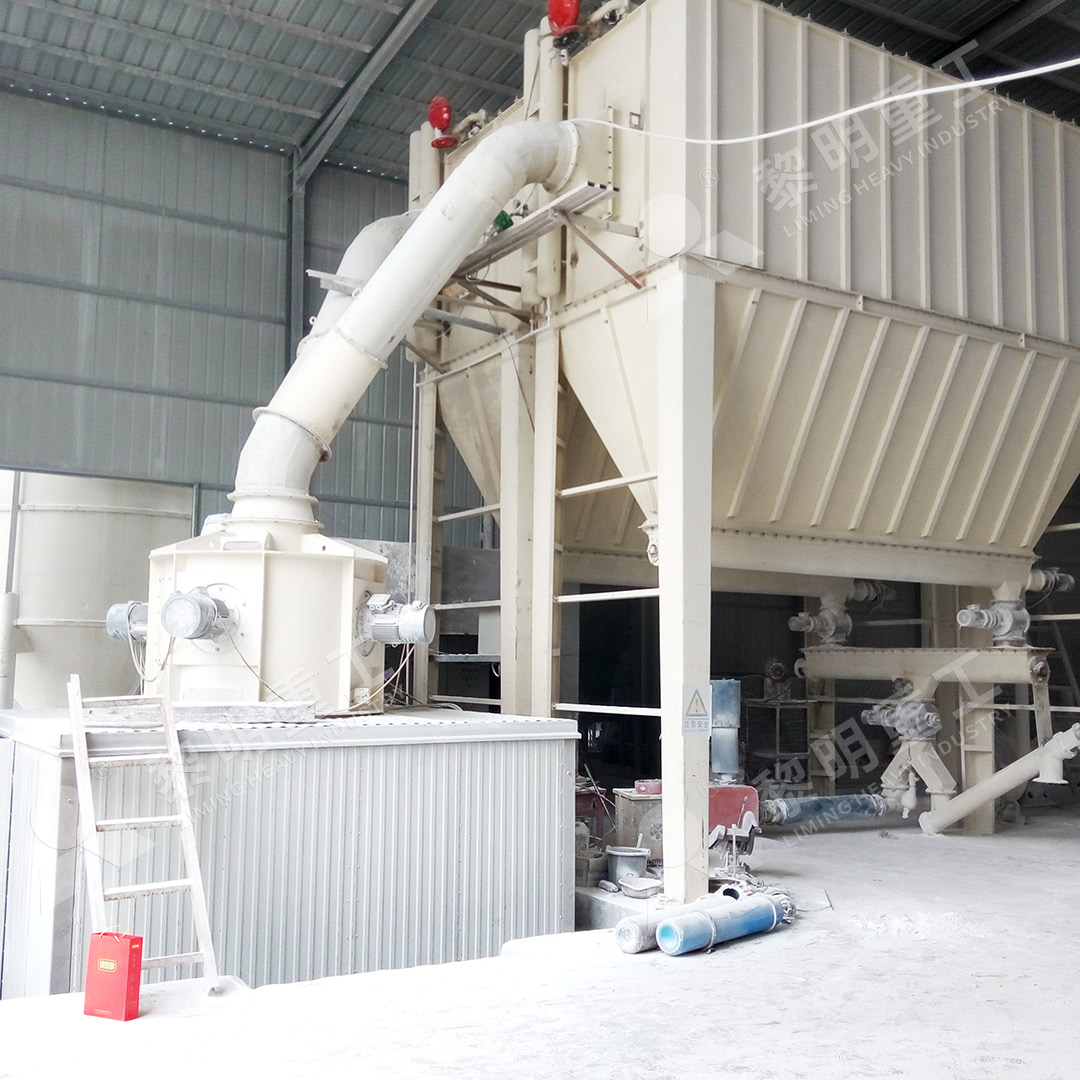
The Grinding Challenge: Beyond Simple Crushing
Processing bentonite for feed-grade binders presents unique challenges. Bentonite is naturally absorbent and can be slightly abrasive. Traditional hammer mills or basic Raymond mills often struggle with consistency, generating excessive heat that can compromise the clay’s structure and lead to uneven particle size distribution (PSD). The goal is not merely to reduce size but to achieve a precise, ultra-fine powder (often targeting 325 to 800 meshes) with high throughput and minimal energy waste.
Key considerations for U.S. operators include:
- Precision & Consistency: A narrow PSD ensures predictable binding performance batch after batch.
- Energy Efficiency: Grinding can be energy-intensive; modern mills must offer higher yield per kilowatt-hour.
- Hygiene & Purity: The system must prevent contamination and allow for easy cleaning to meet stringent FDA and feed safety standards.
- Environmental Compliance: Dust control and noise reduction are critical for OSHA compliance and sustainable operation.
- Operational Uptime: Robust design and accessible maintenance minimize costly production halts.
Engineering Excellence for Feed-Grade Bentonite
Meeting these demands requires advanced engineering. Leading solutions move away from old-fashioned, high-friction grinding chambers. Instead, they employ technologies like curved grinding rolls, efficient centrifugal classification, and intelligent hydraulic systems that adjust pressure in real-time. The result is a cooler, more controlled milling process that preserves the beneficial properties of bentonite while delivering exceptional fineness.

For operations focused on ultra-fine bentonite powder with capacities in the mid-range, the MW Ultrafine Grinding Mill presents a compelling solution. Engineered for customers requiring precise ultra-fine powder, it handles an input size of 0-20 mm with a capacity ranging from 0.5 to 25 tons per hour. Its defining feature is a German-technology, cage-type powder selector that allows precise fineness adjustment between 325 and 2500 meshes, achieving a d97 ≤5μm in a single pass—ideal for high-quality binder production. Furthermore, its innovative design eliminates rolling bearings and screws inside the grinding chamber, virtually removing concerns about related mechanical failures. Coupled with an efficient pulse dust collector and muffler, it ensures an environmentally sound operation that aligns with U.S. regulatory expectations.
Integrated Solutions for High-Volume Production
Larger feed conglomerates or dedicated mineral processors may require greater throughput and an integrated drying-grinding-classifying system. For these applications, vertical roller mills have set a new standard. A prime example is the LUM Ultrafine Vertical Grinding Mill. Independently designed with the latest roller and powder separating technology, it integrates multiple processes into one footprint. With an input size of 0-10 mm and a capacity of 5-18 tph, it excels in producing superfine dry powder. Its unique roller shell and lining plate curve promote efficient material layer formation, enabling high rates of finished product in a single pass, which enhances whiteness and cleanliness—a bonus for premium feed products. The reversible structure, allowing grinding rollers to be easily moved out for maintenance, is a game-changer for minimizing downtime and operational headaches.

The Bottom Line for U.S. Feed Producers
Selecting an industrial pulverizer for bentonite is a long-term capital decision that impacts product quality, operating costs, and regulatory standing. The trend is unmistakably toward intelligent, energy-saving, and environmentally responsible equipment. By partnering with a technology provider that offers robust digital processing, high-precision manufacturing, and comprehensive after-sales support—including genuine spare parts—American feed mills can secure a reliable supply of high-performance bentonite binder, strengthening their position in a competitive market.
In conclusion, the transformation of raw bentonite clay into a consistent, high-functioning feed binder is a precise science enabled by advanced grinding technology. Investing in the right pulverizer is an investment in feed quality, animal health, and ultimately, the profitability and sustainability of the American feed production enterprise.
Frequently Asked Questions (FAQs)
- What is the ideal fineness (mesh size) for bentonite used in animal feed binders?
For most feed binding applications, a fineness between 325 and 800 meshes is typical. This range optimizes surface area for binding and mycotoxin adsorption while ensuring good flowability and mixability. - Can the same mill process other minerals for feed additives, like limestone or diatomaceous earth?
Yes. Advanced mills like the MW or LUM series are designed for non-metallic minerals, including calcite, dolomite, and talc, making them versatile for multi-additive production lines. - How significant is energy consumption in operating an industrial pulverizer?
It is a major operational cost. Modern mills can reduce energy consumption by 30-50% compared to traditional ball mills or jet mills, offering a rapid return on investment through lower utility bills. - What are the key maintenance concerns with a bentonite grinding mill?
Primary concerns are wear on grinding rollers/rings and ensuring the classifier functions precisely. Choosing a mill with accessible wear parts, a reversible roller system (like the LUM), and no internal bearings in the grinding zone (like the MW) drastically reduces maintenance complexity and downtime. - Is dust control a major issue when grinding bentonite?
Absolutely. Bentonite dust can be a respiratory irritant and creates housekeeping challenges. Modern mills are equipped with integrated, high-efficiency pulse jet dust collectors that keep the entire system under negative pressure, ensuring no dust spillage and compliance with workplace air quality standards. - How does the moisture content of raw bentonite affect the grinding process?
High moisture can lead to clogging and reduced grinding efficiency. Some vertical mill designs (like the LM series) integrate drying functionality using hot air. For standalone fine grinding mills, pre-drying the bentonite to a consistent, low moisture level is recommended for optimal results. - What is the typical lead time for acquiring and installing a new industrial pulverizer system in the U.S.?
Lead times vary by manufacturer and model complexity. It’s essential to work with a supplier that has a strong U.S. support network or local representatives to coordinate shipping, installation, and commissioning, which can take several weeks to a few months from order placement.