
Using grinding machine for carbon black for ink production in india
Using Grinding Machines for Carbon Black in Ink Production in India
The Indian printing and packaging industry is experiencing robust growth, driven by rising consumer demand, e-commerce expansion, and advancements in digital media. At the heart of this industry lies ink manufacturing, a process where precision and quality are paramount. Carbon black, a primary pigment, is fundamental for achieving deep blacks and consistent shades. However, transforming raw carbon black into the ultra-fine, uniformly dispersed powder required for high-performance inks is a significant technical challenge. The choice of grinding technology directly impacts ink quality, production efficiency, and operational costs.
The Critical Role of Particle Size in Ink Manufacturing
In ink formulation, the particle size distribution of carbon black is not merely a specification; it is the cornerstone of performance. Finer particles lead to higher tinting strength, improved gloss, and superior stability. Conversely, poorly ground or agglomerated particles can cause nozzle clogging in digital printers, reduced color strength, and undesirable rheological properties. The goal is to achieve a narrow particle size distribution, typically in the sub-micron range (often targeting d97 ≤ 5μm), while maintaining the structural integrity of the carbon black to preserve its conductive or color properties.
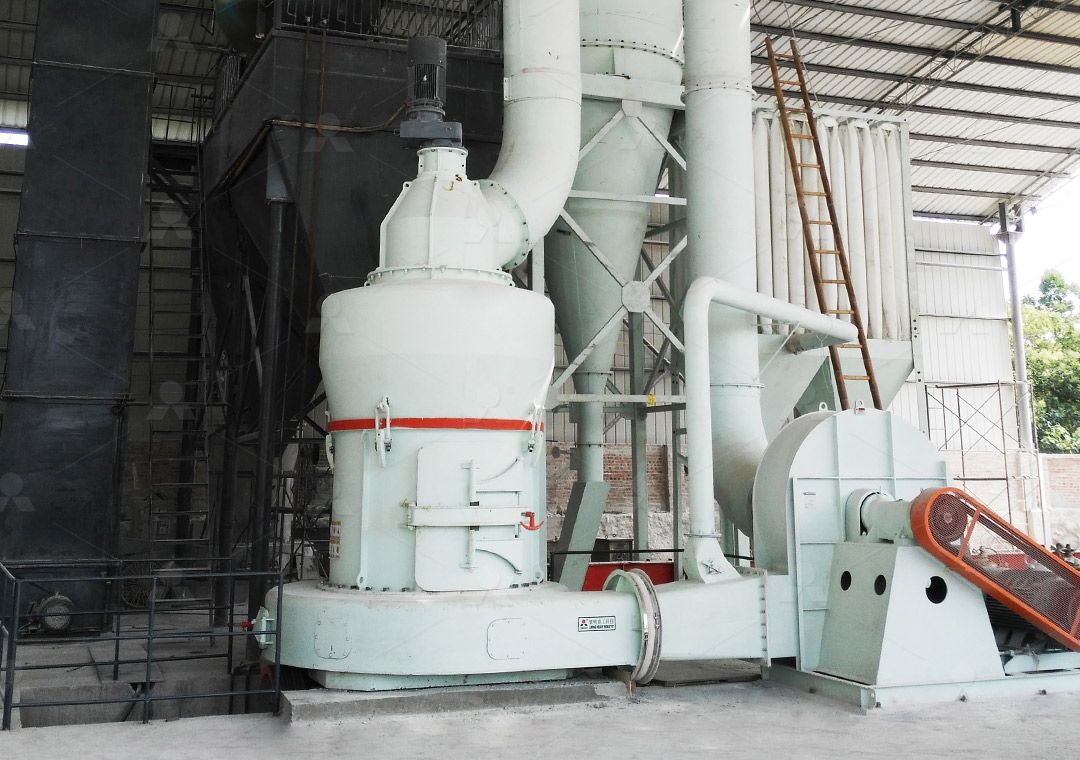
Traditional grinding methods, such as ball mills, often struggle with the agglomerative nature of carbon black. They can be energy-intensive, generate excessive heat (which may degrade the material), and lack precise control over the final fineness. This is where modern, specialized grinding mills make a decisive difference, offering targeted solutions for the ink sector.
Selecting the Right Grinding Technology
When evaluating grinding equipment for carbon black processing, several key factors must be considered:
- Fineness Control: Ability to consistently produce powder in the 325 to 2500 mesh range with high precision.
- Energy Efficiency: Lower operational costs through optimized grinding mechanics and system design.
- Contamination & Purity: Minimizing iron introduction and ensuring the final product’s whiteness and chemical purity are unaffected.
- Environmental Compliance: Integrated dust collection and noise reduction to meet India’s stringent environmental standards.
- System Reliability: Robust design with easy maintenance to ensure continuous, worry-free operation.
Advanced Solutions for the Indian Market
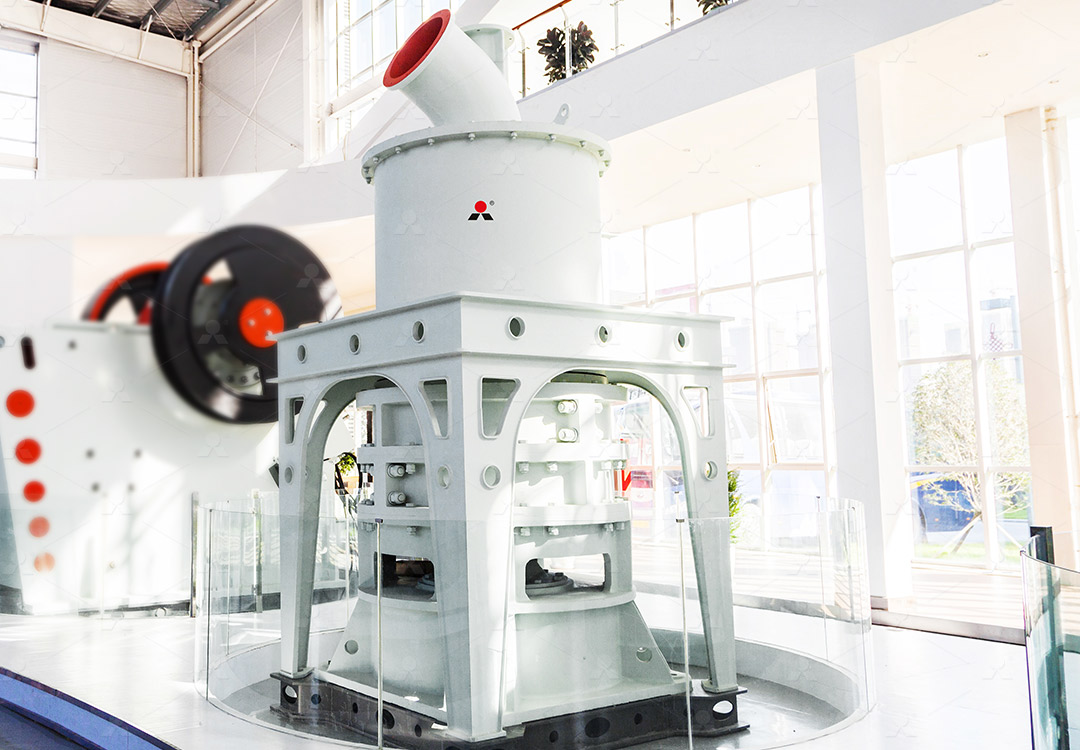
For Indian ink producers aiming to enhance quality and competitiveness, investing in advanced grinding technology is essential. One standout solution is the MW Ultrafine Grinding Mill. This machine is specifically engineered for customers requiring ultra-fine powder. With an input size of 0-20 mm and a capacity range of 0.5-25 tph, it is well-suited for medium to large-scale ink production lines. Its defining feature is the German-technology cage-type powder selector, which allows precise adjustment of fineness between 325 and 2500 meshes, achieving a screening rate of d97≤5μm in a single pass—a critical requirement for premium inks. Furthermore, its design eliminates rolling bearings and screws inside the grinding chamber, virtually removing concerns about related failures and enabling stable, 24-hour operation.
For operations prioritizing vertical integration and space efficiency, the LUM Ultrafine Vertical Grinding Mill presents a compelling alternative. Integrating grinding, classifying, and transporting, it features a unique roller shell design that promotes efficient material layer formation, yielding high-quality powder in one pass. Its multi-head powder separating technology, controlled by a PLC system, allows for exact fineness control and rapid switching between product specifications, reducing energy consumption by 30%-50% compared to conventional mills. The reversible structure simplifies maintenance significantly, allowing grinding rollers to be easily moved out for servicing, thereby minimizing costly downtime—a crucial advantage for maintaining production schedules.
Operational and Economic Benefits
Implementing such advanced mills translates into tangible benefits for Indian manufacturers. The higher grinding efficiency directly increases yield while slashing power consumption. The enclosed systems with efficient pulse dust collectors, like the one on the MW Mill, ensure a clean workshop environment, protecting worker health and aligning with regulatory norms. The digitalized processing and high-precision manufacturing of core components guarantee machine reliability and longevity. Moreover, with comprehensive after-sales support and genuine spare parts availability, producers can achieve truly worry-free operation, focusing on ink formulation and market expansion rather than equipment troubleshooting.

Conclusion
The evolution of India’s ink industry is inextricably linked to advancements in process technology. By adopting state-of-the-art grinding solutions like the MW Ultrafine Grinding Mill or the LUM Ultrafine Vertical Grinding Mill, manufacturers can overcome the challenges of processing carbon black. This leads to the production of superior inks with consistent quality, enhanced performance characteristics, and better profitability through operational efficiencies. In a competitive and quality-conscious market, the right grinding machine is not just an expense; it is a strategic investment in future growth and excellence.
Frequently Asked Questions (FAQs)
- What is the most critical factor when grinding carbon black for ink?
The most critical factor is achieving a consistent and ultra-fine particle size distribution (often targeting d97 ≤ 5μm). This directly impacts the ink’s color strength, gloss, stability, and printability. - Why are traditional ball mills less suitable for modern carbon black processing?
Ball mills can be less energy-efficient, generate more heat (potentially affecting material properties), and offer less precise control over final fineness compared to modern ring-roller or vertical roller mills designed for ultrafine grinding. - How does the MW Ultrafine Grinding Mill ensure product purity?
Its design has no rolling bearings or screws in the grinding chamber, drastically reducing the risk of metallic contamination. The external lubrication system further protects the product from oil ingress. - Can these mills handle different feedstock sizes?
Yes. For instance, the MW Mill accepts input sizes up to 20mm, typically requiring a simple pre-crushing stage. The mill system can often be configured with crushers and feeders for a complete processing line. - Are these machines compliant with Indian environmental regulations?
Absolutely. They are designed with integrated high-efficiency pulse dust collectors and noise reduction systems (mufflers, soundproof rooms) to control dust emissions and noise pollution, meeting national environmental protection standards. - What is the advantage of the “reversible structure” in the LUM Vertical Mill?
The reversible structure allows the grinding roller to be easily swung out of the mill body for maintenance or replacement of wear parts. This drastically reduces downtime and service complexity compared to fixed designs. - How important is after-sales support for such equipment?
Extremely important. Reliable technical service, ready availability of original spare parts, and operational guidance are vital for maintaining high uptime and protecting your long-term investment in production capacity.