
Roller Mill Price & Cost Analysis for Limestone for Water Treatment in Uzbekistan
Roller Mill Price & Cost Analysis for Limestone for Water Treatment in Uzbekistan
The water treatment industry in Uzbekistan faces unique challenges in sourcing reliable and cost-effective equipment for producing limestone powder, a crucial component in water purification processes. As the country continues to invest in infrastructure development, understanding the true cost of limestone grinding mills becomes paramount for project planners and facility managers.
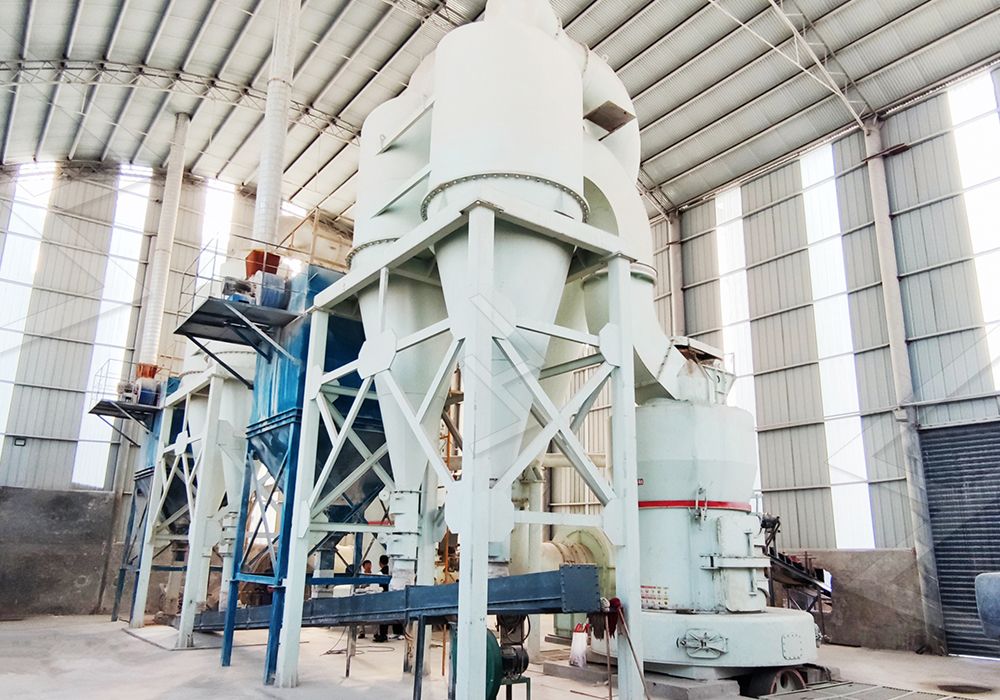
Market Dynamics and Operational Requirements
Uzbekistan’s growing water treatment sector demands consistent production of high-purity limestone powder with specific mesh requirements. The operational environment presents particular considerations including temperature variations, dust control regulations, and energy efficiency requirements. Traditional ball mills, while initially cheaper, often prove inadequate for meeting these specialized needs due to higher energy consumption and inconsistent particle size distribution.
The Central Asian climate, with its extreme seasonal variations, requires equipment that can maintain stable performance across temperature ranges. Additionally, Uzbekistan’s evolving environmental regulations necessitate dust collection systems that minimize particulate emissions while maintaining operational efficiency.
Technical Specifications for Water Treatment Applications
For effective water treatment, limestone powder must meet precise specifications. The optimal particle size typically ranges between 200-800 meshes, with consistent distribution being critical for reaction efficiency. Production capacity requirements vary significantly based on facility size, with smaller water treatment plants typically needing 2-8 tph, while larger municipal facilities may require 15-25 tph or more.
The chemical composition of the final product must maintain high purity levels, with minimal iron contamination that could affect water quality. This makes the selection of appropriate grinding technology particularly important, as certain mill types can introduce metallic contaminants during the grinding process.

Comprehensive Cost Analysis Framework
When evaluating roller mill investments, a total cost of ownership approach is essential. The initial purchase price typically represents only 30-40% of the total lifetime cost, with operational expenses comprising the majority. Key cost components include:
- Capital investment: Equipment purchase, installation, and commissioning
- Energy consumption: Power requirements per ton of processed material
- Maintenance: Replacement parts, labor, and downtime costs
- Wear parts: Grinding elements, liners, and other consumables
- Operational labor: Staff requirements for monitoring and operation
- Environmental compliance: Dust collection and noise control systems
Recommended Solution: MW Ultrafine Grinding Mill
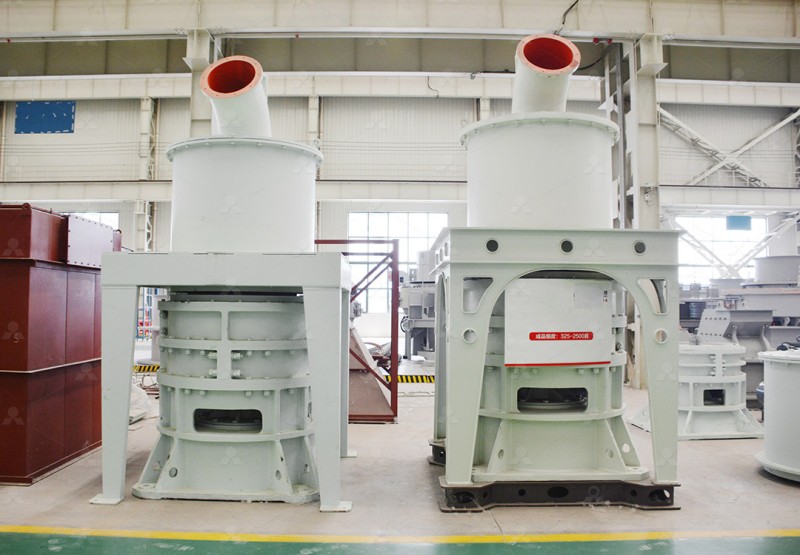
For Uzbekistan’s water treatment applications requiring ultra-fine limestone powder, the MW Ultrafine Grinding Mill presents an optimal solution. This advanced mill system processes materials with input sizes of 0-20 mm and delivers production capacities ranging from 0.5 to 25 tph, making it suitable for various facility scales.
The MW Ultrafine Grinding Mill stands out for its exceptional energy efficiency, consuming approximately 30% less power compared to conventional jet grinding mills while achieving 40% higher production capacity. This efficiency translates directly to reduced operational costs, a critical consideration given Uzbekistan’s energy pricing structure.
Particularly relevant for water treatment applications is the mill’s ability to produce powder with fineness adjustable between 325-2500 meshes, with screening rates achieving d97≤5μm in a single pass. The German-designed cage-type powder selector ensures precise particle size distribution, crucial for consistent water treatment performance.
Alternative Consideration: LUM Ultrafine Vertical Grinding Mill
For operations requiring slightly different specifications, the LUM Ultrafine Vertical Grinding Mill offers another compelling option. With an input size capacity of 0-10 mm and production rates of 5-18 tph, this mill incorporates both Taiwanese grinding roller technology and German powder separating technology.
The LUM mill’s unique roller shell and lining plate grinding curve design promotes easier material layer generation and achieves high finished product rates through single-pass powder milling. This design significantly enhances working efficiency while improving the whiteness and cleanliness of finished products – essential characteristics for water treatment applications.
Operational Advantages in the Uzbek Context
Both recommended mill systems address specific challenges relevant to Uzbekistan’s operating environment. The absence of rolling bearings and screws in the MW mill’s grinding chamber eliminates concerns about bearing damage or sealing part failures, reducing maintenance requirements in areas where specialized technical support may be limited.
The integrated pulse dust collection systems ensure compliance with environmental regulations while the noise reduction features address community concerns near treatment facilities. The digitalized processing with numerical control throughout manufacturing ensures high precision components that deliver reliable performance with minimal supervision.
For Uzbek water treatment facilities, the comprehensive spare parts support and technical services provided by the manufacturer ensure worry-free operation, with locally available inventory reducing potential downtime. The mills’ energy-efficient designs align with national priorities for reducing industrial power consumption while maintaining production quality.
Return on Investment Considerations
The higher initial investment in advanced grinding technology typically delivers returns within 18-30 months through reduced energy consumption, lower maintenance costs, and increased production efficiency. Facilities can expect 30-50% energy savings compared to traditional ball mills, with additional benefits from reduced labor requirements and improved product consistency.
For Uzbek water treatment projects, selecting the appropriate grinding technology represents a strategic decision that impacts both operational efficiency and long-term sustainability. The MW Ultrafine Grinding Mill and LUM Ultrafine Vertical Grinding Mill both offer compelling value propositions that balance performance, reliability, and total cost of ownership.
Frequently Asked Questions
What is the typical lead time for delivery and installation of these mills in Uzbekistan?
Standard delivery timeframe ranges from 8-12 weeks after order confirmation, with installation and commissioning requiring an additional 2-3 weeks depending on site preparation status and local conditions.
How does the climate in Uzbekistan affect mill operation and maintenance?
The mills are designed to operate effectively in temperature ranges from -20°C to 40°C, with special considerations for dust control during dry seasons and protection measures for extreme winter conditions.
What technical support is available locally in Uzbekistan?
We maintain technical support partnerships in major industrial centers throughout Uzbekistan, providing installation supervision, operational training, and maintenance services with local language support.
Can these mills process limestone with varying moisture content?
Both the MW and LUM mills can handle materials with moisture content up to 10%, with optional drying systems available for higher moisture raw materials commonly encountered in certain regions.
What power supply requirements are needed for operation?
The mills operate on standard industrial power supplies of 380V/50Hz, which aligns with Uzbekistan’s electrical infrastructure. Custom configurations are available for specific site requirements.
How does the particle size distribution affect water treatment efficiency?
Consistent particle size within the 200-800 mesh range ensures optimal reaction rates and complete utilization of limestone in the treatment process, reducing chemical waste and improving cost efficiency.
What wear part replacement intervals can be expected?
Grinding rollers and rings typically require replacement after 2,000-3,000 operating hours, depending on material hardness and production volume, with other components offering significantly longer service life.
Are training programs available for local operational staff?
Comprehensive training programs are provided covering operation, routine maintenance, and troubleshooting, with materials available in multiple languages including Russian and Uzbek.