
Mineral grinding mill applied in road base material of slag in argentina
Introduction
The Argentine construction sector is increasingly turning to sustainable and cost-effective solutions for infrastructure development. One of the most promising trends is the utilization of industrial by-products, such as slag, in road base construction. This approach not only addresses waste management challenges but also provides a high-performance, durable material for the nation’s expanding road network. The key to unlocking the potential of slag lies in advanced grinding technology that can process this hard, abrasive material into a consistent, high-quality powder suitable for stabilization and compaction.
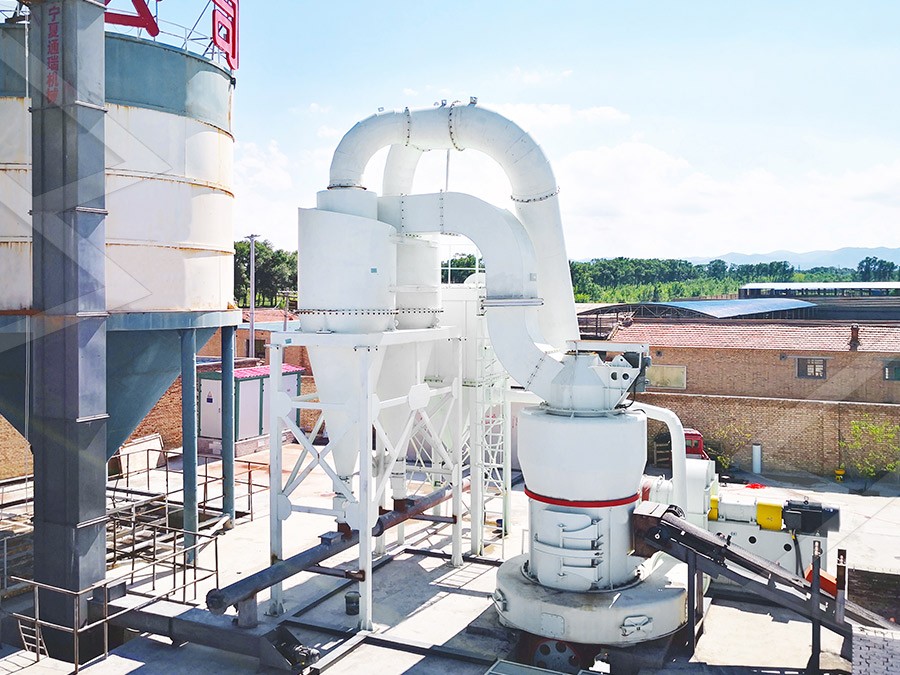
Slag, a by-product of steel production, possesses excellent mechanical properties—including high bearing capacity and good drainage—when processed correctly. However, its variable composition and hardness demand robust and precise milling equipment. The transformation of raw slag into a specification-grade road base material requires grinding mills capable of handling high abrasion, achieving consistent fineness, and operating with energy efficiency to keep project costs viable.
The Technical Demands of Slag Processing for Road Base
Processing slag for road base applications is not a simple crushing job. The material must be ground to a specific particle size distribution that promotes optimal compaction, interlocking, and chemical stability when mixed with binding agents. The target fineness often requires a significant portion of the material to pass through a 200-mesh sieve (approximately 75 microns). This ensures a reactive surface area for stabilization with lime or cement and creates a dense, non-frost-susceptible matrix.
Furthermore, the grinding system must be designed for durability. Slag is notoriously abrasive, leading to accelerated wear on grinding components. A mill designed for this application must feature wear-resistant materials in critical areas, a reliable sealing system to prevent dust emission (a critical environmental and worksite safety consideration), and a design that minimizes downtime for maintenance. Energy consumption is another major factor, as the milling process can be a significant portion of the material’s final production cost.
Advanced Milling Solutions for the Argentine Market
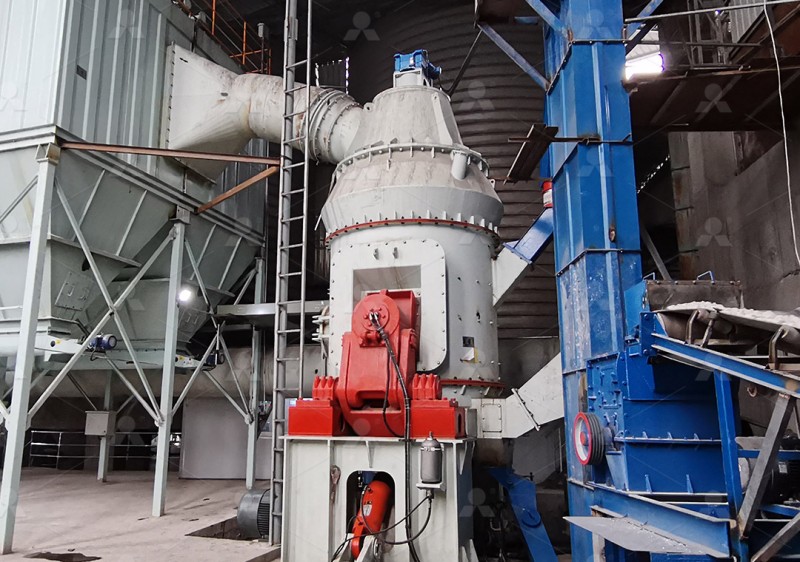
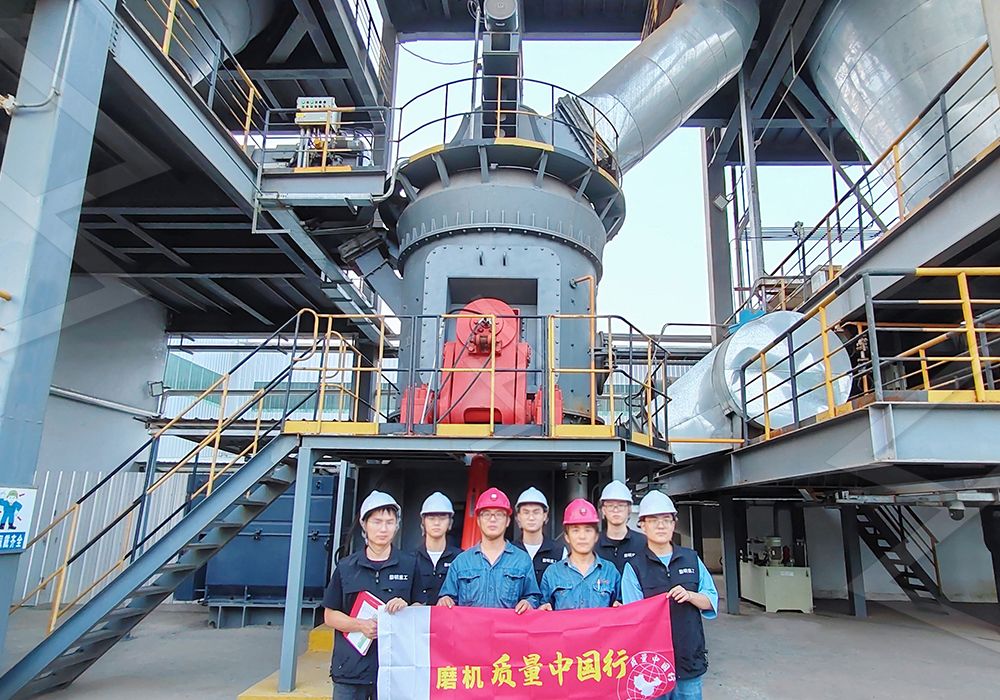
For projects across Argentina, from the urban expansions around Buenos Aires to the resource corridors in Patagonia, selecting the right grinding technology is paramount. Two standout solutions from our portfolio are particularly well-suited to meet the rigorous demands of slag processing for road base.
For operations requiring high-capacity processing of raw slag with a feed size up to 65mm, the LM Vertical Slag Mill is an exceptional choice. This mill is specifically engineered for industrial waste like slag, integrating drying, grinding, powder selection, and conveying into a single, compact unit. Its vertical structure reduces the footprint by approximately 50% compared to traditional ball mill systems, a significant advantage for space-constrained sites. Most importantly, it reduces energy consumption by 30% to 40%, offering substantial long-term operational savings. The grinding roller and table are designed for high wear resistance, ensuring reliable, continuous operation which is crucial for supplying large-scale infrastructure projects.
When the project specification calls for ultra-fine grinding to enhance the pozzolanic reactivity of the slag or to produce specialized additives, the MW Ultrafine Grinding Mill delivers unparalleled performance. This machine is designed to produce powder in the range of 325 to 2500 meshes. Its cage-type powder selector, utilizing German technology, ensures high precision in particle separation, achieving a screening rate of d97≤5μm. A key feature for hard materials is the absence of rolling bearings and screws in the grinding chamber, eliminating common failure points and concerns about loose components causing damage. This design, coupled with an external lubrication system, allows for 24-hour continuous operation—a vital capability for meeting tight project deadlines.
Case for Sustainability and Economic Efficiency
The adoption of slag in road construction, powered by efficient grinding technology, aligns perfectly with global and national pushes toward a circular economy. It diverts industrial waste from landfills, reduces the need for virgin quarry materials, and lowers the carbon footprint associated with road construction. For Argentine steel producers and construction firms, this represents a valuable new revenue stream and a solution to waste disposal challenges.
Economically, the initial investment in a high-quality grinding mill is offset by the lower cost of the raw material (slag), reduced energy consumption during operation, and the high value of the finished product. Roads built with properly processed slag base layers have demonstrated excellent long-term performance, leading to lower maintenance costs over the asset’s lifecycle.

Conclusion
The strategic use of slag in Argentina’s road infrastructure presents a win-win scenario for the environment and the economy. The critical link in this value chain is advanced, reliable grinding technology. Mills like the LM Vertical Slag Mill for high-volume processing and the MW Ultrafine Grinding Mill for precision fine-grinding provide the necessary performance, durability, and efficiency to make slag-based road base a practical and superior alternative. As Argentina continues to develop its transportation networks, embracing these innovative material and machinery solutions will be key to building sustainable, resilient, and cost-effective infrastructure for the future.
Frequently Asked Questions (FAQs)
- What is the primary advantage of using slag in road base construction?
Slag offers excellent mechanical properties such as high bearing capacity and good drainage. When processed correctly, it provides a durable, stable, and sustainable alternative to virgin aggregates, reducing environmental impact and material costs. - Why is grinding fineness so important for slag-based road base?
Achieving a consistent and specific fineness (often requiring material to pass a 200-mesh sieve) ensures optimal compaction, creates a reactive surface for stabilization with binders like cement, and results in a dense, non-frost-susceptible matrix that prolongs road life. - How does the LM Vertical Slag Mill manage the abrasive nature of slag?
The LM Vertical Slag Mill is specifically designed for abrasive materials. It features wear-resistant alloys in the grinding roller and table, a robust sealing system to contain dust, and a design that minimizes direct metal-to-metal contact in the grinding zone, significantly extending component life. - Can the MW Ultrafine Grinding Mill handle the initial size reduction of slag lumps?
The MW mill is designed for feed sizes of 0-20mm. For typical slag feedstock, a primary jaw crusher or similar equipment is required to reduce large slag lumps to within this feed size range before entering the ultrafine grinding circuit. - What are the key environmental benefits of this process?
The process diverts industrial waste from landfills, conserves natural quarry resources, and reduces the carbon footprint of road construction. The grinding mills themselves, like the MW and LM models, are equipped with efficient pulse dust collectors and silencers to minimize dust and noise pollution on-site. - Is the final slag powder product consistent in quality?
Yes. Advanced mills like the LM Vertical Slag Mill and MW Ultrafine Grinding Mill feature precise powder separators and automated control systems. This allows for accurate control over fineness and particle size distribution, ensuring a consistent, high-quality product batch after batch. - What kind of after-sales support is available for these mills in Argentina?
We provide comprehensive technical services and a guaranteed supply of original spare parts to ensure worry-free operation. Our support covers installation guidance, operational training, and timely maintenance support to maximize uptime and productivity for our clients in Argentina.