
Roller mill for cement clinker for cement production in iran
Roller Mill for Cement Clinker: Optimizing Cement Production in Iran
The Iranian cement industry stands as a pillar of national infrastructure and economic development. With ambitious construction projects and a focus on export markets, the demand for high-quality, efficiently produced cement is stronger than ever. At the heart of modern cement manufacturing lies the critical process of clinker grinding. Moving beyond traditional ball mills, advanced roller mill technology has become the benchmark for producers seeking to enhance productivity, reduce operational costs, and meet stringent environmental standards.
Roller mills, utilizing the principle of material bed comminution between grinding rollers and a rotating table, offer a quantum leap in grinding efficiency. For cement clinker, this translates to significantly lower specific energy consumption—often 30% to 40% less compared to ball mills. The compact design, integrated drying capability (especially beneficial when using additives like gypsum or slag), and precise particle size control make roller mills an indispensable asset for Iranian plants aiming to optimize their production lines.

Key Considerations for Clinker Grinding in the Iranian Market
Operating in Iran presents unique opportunities and challenges. Local raw material variations, power availability, and the need for robust, low-maintenance equipment must be carefully considered. A successful roller mill installation must deliver:
- Energy Efficiency: Directly reducing the largest variable cost in cement grinding.
- High Availability & Easy Maintenance: Minimizing downtime in a competitive market.
- Product Flexibility: Ability to produce a range of cement types (OPC, PPC, PSC) with consistent quality.
- Environmental Compliance: Low noise and near-zero dust emissions to align with environmental stewardship goals.
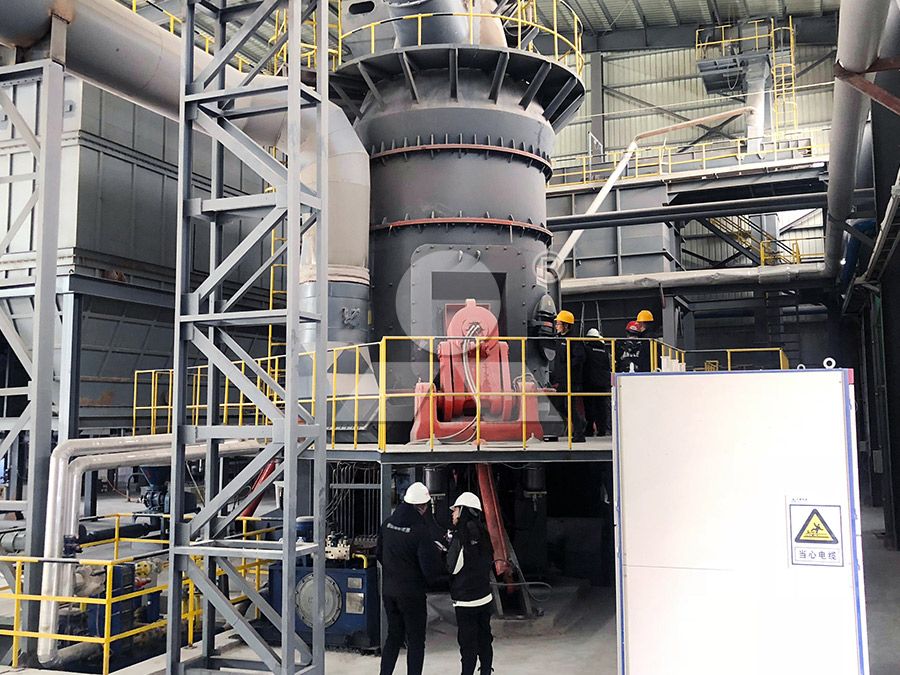
This is where selecting a partner with proven technology and local support becomes critical. Based on decades of engineering expertise, our LM Vertical Grinding Mill series stands out as a premier solution for Iranian cement producers. This mill integrates crushing, drying, grinding, classifying, and conveying into a single unit, offering a footprint 50% smaller than a ball mill system while saving 30%-40% in energy consumption. Its ability to handle input sizes up to 70mm and capacities scaling from 3 to over 340 tph makes it versatile for various plant scales. The short material retention time minimizes over-grinding and ensures a low iron content in the final product, which is crucial for cement quality.
Advanced Solutions for Specialized and High-Fineness Applications
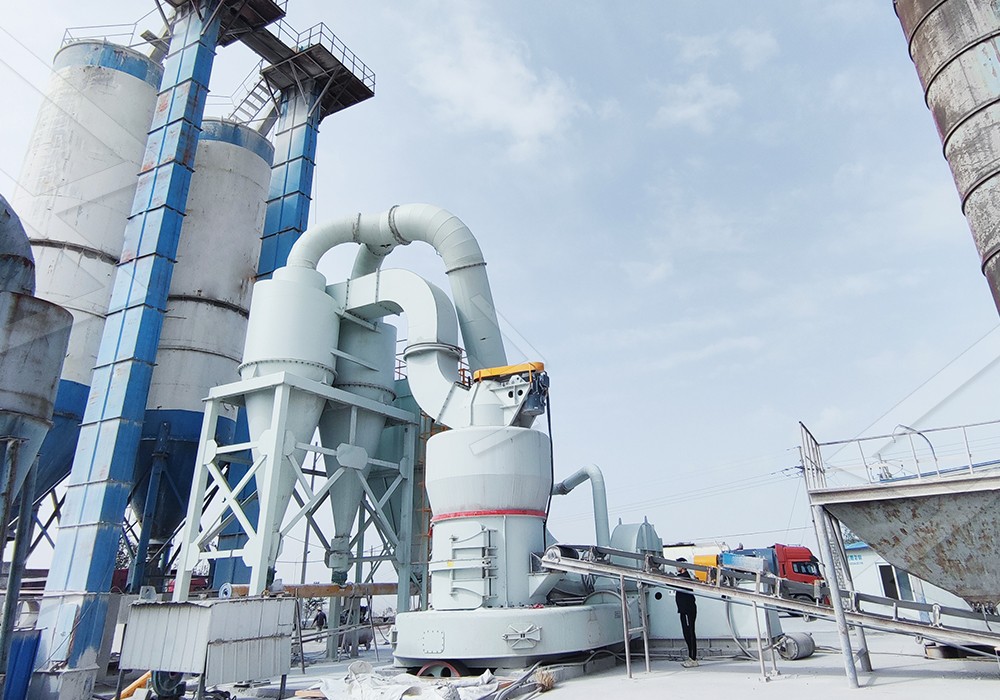
Beyond standard cement grinding, there is growing interest in producing specialized cements and utilizing industrial by-products. For ultra-fine grinding of slag or producing high-performance blended cements, a different level of technology is required. Our LUM Ultrafine Vertical Grinding Mill is engineered for such demanding applications. Independently designed with the latest grinding roller and German powder separating technology, it excels in producing superfine powders.
The LUM mill’s unique roller shell and lining plate grinding curve promote stable material bed formation, enabling a high rate of finished product in a single pass. Its multi-head powder separating technology, controlled by a PLC system, allows for precise cut-point control and fast adaptation to different product fineness requirements, achieving energy savings of 30%-50%. A standout feature for operational stability in demanding environments is its double position-limiting technology, which protects the mill from destructive vibration, a critical consideration for long-term, worry-free operation.

Driving Sustainable and Profitable Cement Production Forward
The future of Iran’s cement industry is inextricably linked to efficiency and sustainability. Adopting advanced roller mill technology is not merely an equipment upgrade; it’s a strategic decision to future-proof operations. The significant reduction in energy consumption directly lowers carbon footprint and production costs. The enclosed, negative-pressure grinding system inherently controls dust, while advanced pulse jet dust collectors ensure emissions are kept well below international standards.
Furthermore, the digitalized processing and high-precision manufacturing of our mills ensure reliability and longevity. With a full supply of original spare parts and dedicated technical support, we commit to ensuring the worry-free operation of every installation. For Iranian cement producers looking to enhance their market position, investing in the right grinding technology—whether the high-capacity LM Vertical Grinding Mill for main clinker grinding or the precision-focused LUM Ultrafine Vertical Grinding Mill for value-added products—is the foundation for enduring success.
Frequently Asked Questions (FAQs)
1. What is the primary advantage of a roller mill over a traditional ball mill for cement clinker?
The primary advantage is dramatically higher energy efficiency. Roller mills utilize material bed comminution, which consumes 30-40% less energy than the impact and attrition grinding in a ball mill. They also offer better drying capacity, lower noise, and a more compact plant layout.
2. Can roller mills handle the hard and abrasive nature of cement clinker?
Absolutely. Modern roller mills like the LM series are specifically designed with wear-resistant alloys for grinding rollers and tables. Their operating principle applies pressure to a bed of material, which is inherently less abrasive on the machinery than the direct impact of steel balls in a ball mill.
3. How does the LUM Ultrafine Mill achieve such precise particle size control?
The LUM mill incorporates advanced multi-head cage-type powder separating technology, often with PLC control. This allows for extremely accurate “cutting” of particle sizes and rapid adjustment of the separator speed to produce different fineness products, from standard cement to ultra-fine slag powder.
4. Is the drying capability integrated into these mills sufficient for Iranian raw materials?
Yes. Both the LM and LUM vertical mill designs integrate a strong hot gas stream into the grinding chamber. This effectively dries moisture from additives like gypsum or wet slag during the grinding process, eliminating the need for a separate dryer and simplifying the production line.
5. What is the typical maintenance interval for the grinding rollers, and how is it performed?
Maintenance intervals depend on abrasiveness but are significantly longer than ball mill liner changes. Crucially, mills like the LUM feature a reversible structure and hydraulic system, allowing grinding rollers to be easily swung out of the mill body for inspection or maintenance, drastically reducing downtime.
6. How do these systems address environmental dust control?
The entire grinding system operates under negative pressure, meaning air is drawn into the mill, preventing dust escape. This air, laden with fine product, then passes through high-efficiency pulse jet bag filters or cyclone collectors that capture over 99.9% of particulates before clean air is exhausted.
7. Are these mills suitable for producing different types of cement (e.g., OPC, PPC)?
Yes, their flexibility is a key strength. By adjusting parameters like separator speed, grinding pressure, and feed rate, the same mill can efficiently produce Ordinary Portland Cement (OPC), Portland Pozzolana Cement (PPC) with fly ash, or Portland Slag Cement (PSC) with consistent quality.