
Roller mill price & cost analysis for clay for ceramics in malaysia
Roller Mill Price & Cost Analysis for Clay for Ceramics in Malaysia
The Malaysian ceramics industry, renowned for its high-quality tiles, sanitaryware, and tableware, relies heavily on consistent and efficient raw material processing. At the heart of this process lies the comminution of clay, a critical step that directly impacts product quality, production efficiency, and overall operational costs. Selecting the right roller mill is not merely a purchase decision; it’s a strategic investment in the plant’s future profitability. This analysis delves into the key cost factors and performance considerations for roller mills in the Malaysian clay processing context.
Understanding the Cost Structure: Beyond the Initial Price Tag
The total cost of ownership (TCO) for a roller mill extends far beyond its initial purchase price. A holistic analysis must consider several interconnected factors:
- Capital Expenditure (CAPEX): This is the upfront cost of the mill, auxiliary equipment (feeders, classifiers, dust collectors), installation, and commissioning. While a lower initial quote may seem attractive, it can be a false economy if it leads to higher operational costs.
- Operational Expenditure (OPEX): This is the recurring cost of running the mill. Key components include:
- Energy Consumption: Grinding is inherently energy-intensive. Mills with advanced grinding curves and efficient drive systems can reduce power consumption by 30-50% compared to older designs, leading to substantial savings on Malaysia’s industrial electricity tariffs.
- Wear Parts & Maintenance: The abrasiveness of clay directly affects the lifespan of grinding rollers, rings, and liners. Mills designed with wear-resistant alloys and features that facilitate easy maintenance reduce downtime and spare parts costs.
- Labor Costs: Automated, digitally controlled mills with stable operation require less manual intervention and skilled labor for operation and adjustment.
- Yield & Product Quality: A mill that produces a higher percentage of in-specification powder on the first pass increases overall plant throughput and reduces waste. Consistent fineness (crucial for ceramic slip casting and pressing) and low iron contamination (preserving clay whiteness) are invaluable.
- Environmental & Compliance Costs: Modern mills must integrate effective dust collection and noise suppression systems. Non-compliance with Malaysia’s environmental regulations can result in fines and operational shutdowns. An eco-friendly design is no longer optional.
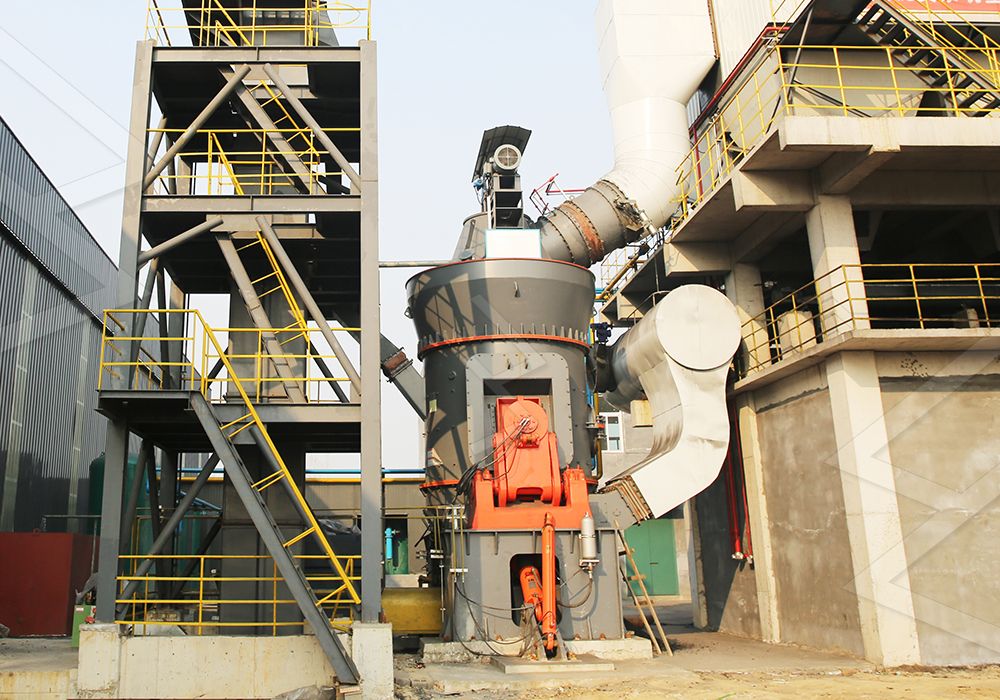
Technical Considerations for Malaysian Clay
Malaysian ceramic clays can vary in moisture content, plasticity, and hardness. The ideal roller mill must offer:
- Adjustable Fineness Control: The ability to precisely control product fineness between 325 to 2500 meshes is essential for different ceramic applications, from coarse body mixes to fine glaze preparations.
- Robust Drying Capability: Integrating drying and grinding is a significant advantage, especially in Malaysia’s humid climate, reducing the need for and cost of separate drying equipment.
- System Stability: Vibration control and protection mechanisms are critical to prevent unplanned downtime and ensure consistent product quality over long production runs.
A Strategic Solution for High-Precision Clay Grinding
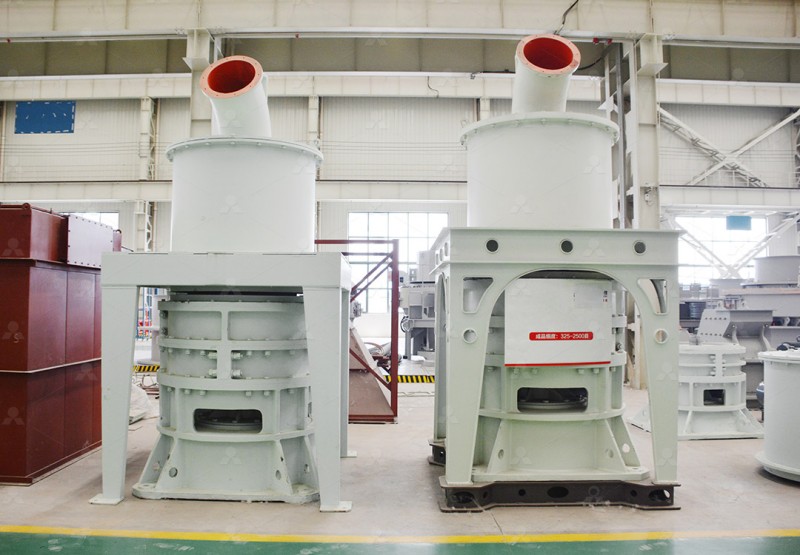
For operations prioritizing ultra-fine powder quality, energy efficiency, and operational stability, the MW Ultrafine Grinding Mill presents a compelling solution. Engineered for customers requiring precise ultra-fine powder, this mill is particularly suited for processing high-value ceramic materials where purity and consistency are paramount.
With an input size of 0-20 mm and a capacity range of 0.5-25 tph, it offers flexibility for various production scales. Its core advantages directly address the TCO concerns of Malaysian ceramic producers:
- Higher Yielding, Lower Energy Consumption: Its newly designed grinding curves enhance efficiency, offering production capacity up to 40% higher than jet mills with system energy consumption as low as 30% in comparison. This translates directly to lower kWh/ton costs.
- Precise Fineness Adjustment (325-2500 meshes): The German-technology cage-type powder selector ensures precise classification, achieving a fine product with a screening rate of d97≤5μm in a single pass, optimizing yield.
- Enhanced Reliability & Eco-Design: The innovative design eliminates rolling bearings and screws in the grinding chamber, mitigating common failure points. Furthermore, its integrated efficient pulse dust collector and muffler ensure the entire milling system operates cleanly and quietly, aligning with environmental standards.
Integrating the Mill into Your Ceramics Production Line
The true cost-benefit of a roller mill is realized through seamless integration. From raw clay feeding to finished powder conveying and storage, system design is key. Partnering with a supplier that offers comprehensive technical support, genuine spare parts, and a deep understanding of the ceramics industry—like LIMING—ensures not just a machine, but a productive asset. Their commitment to digitalized processing for higher precision and sufficient spare parts supply underpins a worry-free operation, minimizing lifecycle costs.

Conclusion: An Investment in Efficiency and Quality
In the competitive Malaysian ceramics market, optimizing clay processing costs is non-negotiable. A thorough price and cost analysis must evaluate the Total Cost of Ownership, weighing initial investment against long-term operational savings, product quality gains, and regulatory compliance. Advanced roller mills, such as the MW Ultrafine Grinding Mill, are engineered to excel across these parameters, offering a technologically advanced path to greater profitability and product excellence. The right investment today secures a more efficient and competitive tomorrow.
Frequently Asked Questions (FAQs)
- What is the typical payback period for investing in a higher-efficiency roller mill like the MW series?
While dependent on scale and energy costs, many plants see a return on investment within 18-36 months through energy savings, increased yield, and reduced maintenance downtime. - How does the humidity of Malaysian clay affect mill selection?
High humidity can lead to clogging. Mills with integrated drying capabilities (using hot air) or robust material handling designs are preferred to maintain consistent feed and grinding efficiency. - Can one mill handle different types of clay (e.g., ball clay, kaolin) for our product line?
Yes, modern mills with adjustable grinding pressure, rotor speed, and classifier settings can process different clay types. However, optimal fineness and output may vary, and process parameters should be adjusted accordingly. - What kind of after-sales support and spare parts availability can we expect in Malaysia?
Reputable suppliers maintain local service networks or partnerships. It’s crucial to confirm the availability of original wear parts like grinding rollers and prompt technical support to minimize potential downtime. - Is the fineness of the powder consistent throughout the production run?
Mills equipped with advanced, stable powder separators (like the cage-type selector in the MW mill) and automated control systems deliver highly consistent fineness, which is critical for ceramic product quality. - How significant is the noise level, and can it be mitigated for plant worker safety?
Noise is a key consideration. Modern mills incorporate design features like mufflers and soundproofing rooms to ensure operation complies with occupational health and safety regulations. - What are the key differences between vertical roller mills and traditional Raymond mills for clay?
Vertical roller mills (like the LUM series) generally offer higher energy efficiency, better drying performance, and lower noise. Traditional Raymond mills may have a lower initial cost but often higher operating costs and less precision for ultra-fine grinding.