
Grinding mill for calcium carbonate for paper coating in usa
Grinding Mill for Calcium Carbonate for Paper Coating in the USA: A Technical and Strategic Guide
The North American paper industry, a cornerstone of manufacturing, demands relentless innovation to maintain competitiveness and meet stringent quality standards. A critical component in producing high-quality coated paper is the preparation of the coating pigment, with ground calcium carbonate (GCC) being a primary filler and coating agent. The choice of grinding technology directly impacts the opacity, brightness, smoothness, and printability of the final paper product. This article delves into the specific requirements for GCC in paper coating and explores advanced milling solutions tailored for the US market.
The Critical Role of GCC in Paper Coating
For paper coating applications, calcium carbonate must achieve a very fine and tightly controlled particle size distribution (PSD). The target fineness typically ranges from 90% to 98% of particles below 2 microns (equivalent to a d98 ≤ 2μm). This ultrafine powder ensures a smooth, uniform coating layer that enhances gloss, ink receptivity, and overall print quality. Furthermore, the grinding process must preserve the mineral’s natural brightness and low abrasiveness while operating with high energy efficiency and minimal environmental impact—key concerns for modern US manufacturers.
Beyond Traditional Milling: The Need for Advanced Technology
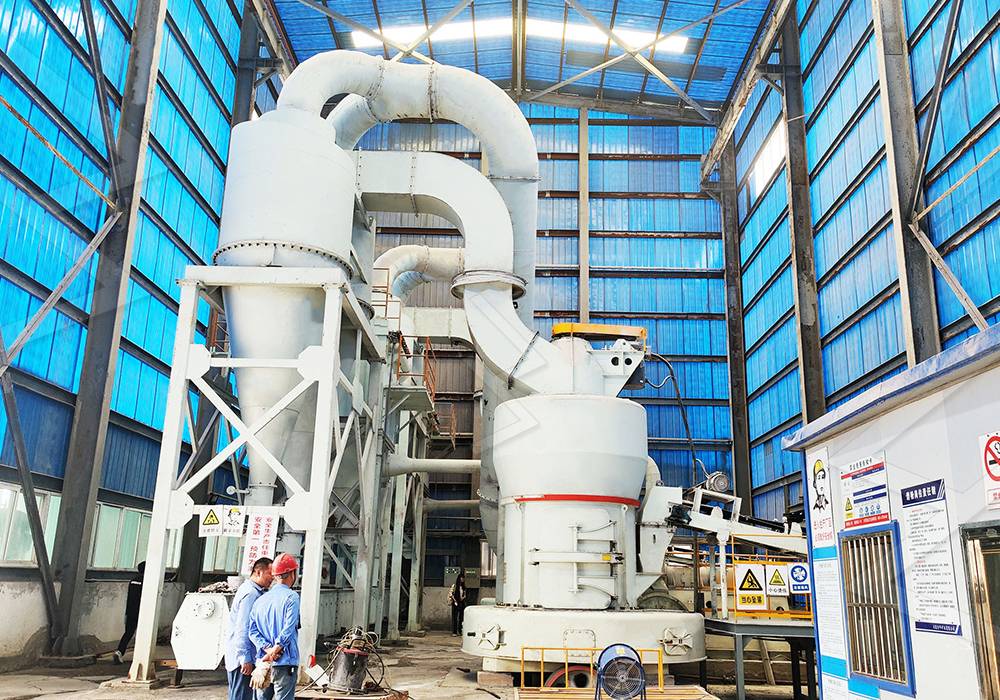
While traditional ball mills and early-generation Raymond mills have been used historically, they often fall short in meeting today’s demands for ultra-fine grinding, low energy consumption, and consistent product quality. Challenges include excessive energy use, broad PSD, potential for iron contamination (affecting brightness), and significant operational noise and dust. The modern paper coating sector requires a technological leap forward.
Introducing the MW Ultrafine Grinding Mill: Engineered for Precision
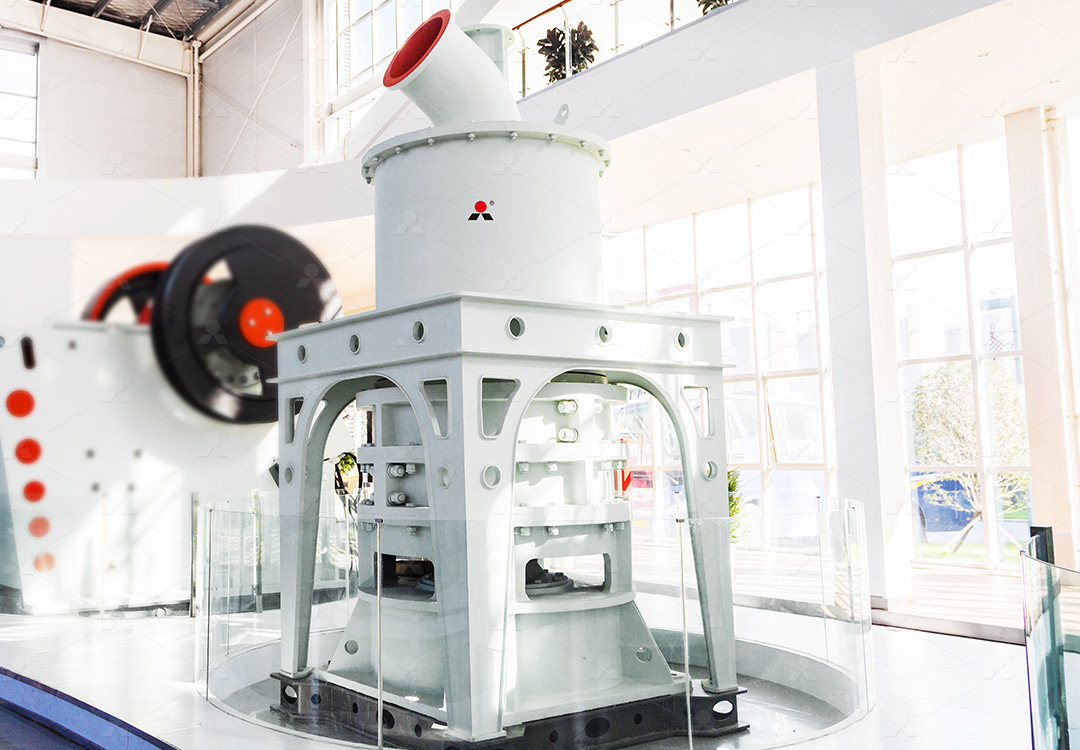
For operations requiring the pinnacle of fineness control for premium paper grades, the MW Ultrafine Grinding Mill presents a compelling solution. Designed specifically for producing ultra-fine powder, this mill excels in the critical d97≤5μm range, making it ideal for high-end GCC coating applications.
Its standout feature is the German-technology cage-type powder selector, which allows precise adjustment of fineness between 325 and 2500 meshes. This ensures the exact, narrow PSD required for superior coating uniformity. The mill’s design philosophy prioritizes reliability and cleanliness; with no rolling bearings or screws in the grinding chamber, risks of contamination from lubricant leaks or loose parts are eliminated, safeguarding product purity. Furthermore, its integrated efficient pulse dust collector and muffler system ensures the entire production process meets stringent US environmental and workplace safety standards, operating with remarkably low dust and noise emissions.
The LUM Ultrafine Vertical Grinding Mill: Efficiency and Stability for High-Volume Production
For large-scale paper coating pigment plants seeking optimal efficiency and operational stability, the LUM Ultrafine Vertical Grinding Mill is a top-tier choice. Integrating the latest grinding roller and powder separating technologies, it is designed to deliver higher yield rates and better product quality.
A key advantage for paper coating is its unique roller shell and lining plate grinding curve, which promotes stable material layer formation and achieves a high rate of finished product in a single pass. This design minimizes over-grinding and reduces iron content, directly contributing to the higher whiteness and cleanliness of the GCC—a vital metric for paper brightness. The mill’s double position-limiting technology guarantees stable operation by preventing destructive physical contact between grinding components, even under variable feed conditions. When maintenance is required, its reversible structure allows for quick and easy roller servicing, drastically reducing downtime—a crucial factor for continuous production lines.
Strategic Considerations for US-Based Operations
Selecting the right mill involves a holistic analysis. Beyond the machine’s specifications, factors such as total cost of ownership (including energy consumption and spare parts availability), footprint constraints, integration with existing drying and classification systems, and access to reliable technical support are paramount. Partnering with a manufacturer that understands the specific needs of the North American industrial landscape, from regulatory compliance to production culture, is essential.

Both the MW and LUM series mills are backed by comprehensive support, including a sufficient supply of original spare parts and dedicated technical services, ensuring worry-free, long-term operation. Their designs reflect a commitment to digitalized processing and higher machining precision, resulting in robust equipment capable of sustaining the rigorous demands of 24/7 paper coating pigment production.
Conclusion
The pursuit of excellence in paper coating is intrinsically linked to advancements in grinding technology. Moving beyond conventional methods to adopt specialized ultrafine grinding mills is no longer a luxury but a necessity for producers aiming to lead the market. Solutions like the MW Ultrafine Grinding Mill for unparalleled fineness control and the LUM Ultrafine Vertical Grinding Mill for high-efficiency, stable bulk production represent the next generation of equipment, empowering US paper manufacturers to achieve superior product quality, operational efficiency, and environmental stewardship.
Frequently Asked Questions (FAQs)
1. What is the typical target fineness (mesh or micron size) for calcium carbonate used in paper coating?
The industry standard typically aims for a particle size where 90-98% of the particles are below 2 microns (d98 ≤ 2μm). This corresponds to a very high mesh number (often above 1250 mesh) and is crucial for achieving a smooth, high-gloss coating surface.
2. Why is low iron content important in GCC for paper coating?
Iron contamination can cause yellowing or graying of the final paper product, significantly reducing its brightness and optical properties. Maintaining high whiteness is critical for premium printing and writing papers.
3. How does the MW Ultrafine Grinding Mill prevent product contamination?
Its innovative design excludes rolling bearings and screws from the grinding chamber entirely. This eliminates risks associated with bearing seal failure (lubricant leaks) and loose hardware, ensuring the ground calcium carbonate remains pure and uncontaminated.
4. What are the primary energy-saving features of the LUM Ultrafine Vertical Grinding Mill?
The LUM mill incorporates a high-efficiency powder separator and an optimized grinding curve that promotes efficient single-pass milling. These features can reduce energy consumption by 30%-50% compared to traditional grinding mills like ball mills for achieving similar fineness.
5. Can these mills handle the required production capacity for a mid-sized paper coating plant?
Yes. The MW Ultrafine Grinding Mill offers capacities up to 25 tph, while the LUM Ultrafine Vertical Grinding Mill ranges up to 18 tph. These capacities are well-suited for dedicated pigment production lines supplying mid to large-scale paper coating operations.
6. How is dust control managed to meet US environmental regulations?
Both mills are equipped with high-efficiency pulse jet dust collectors integrated into the system. This ensures the milling process operates under negative pressure, containing dust within the system and resulting in clean, compliant emissions.
7. What kind of after-sales support is available for these mills in the USA?
Comprehensive support is provided, including detailed installation guidance, operator training, a guaranteed supply of original manufacturer spare parts, and access to remote and on-site technical service to ensure maximum uptime and operational efficiency.