
Grinding mill price & cost analysis for talc for cosmetics in sri lanka
Grinding Mill Price & Cost Analysis for Talc in Cosmetics: A Sri Lankan Perspective
The cosmetics industry in Sri Lanka is a vibrant and growing sector, with talc remaining a fundamental ingredient in products ranging from face powders and blushes to body powders and eyeshadows. For manufacturers and processors, the selection of grinding equipment is a critical capital decision that directly impacts product quality, operational efficiency, and long-term profitability. This analysis delves into the key factors influencing grinding mill costs for talc processing in Sri Lanka and provides a framework for making an informed investment.
The Sri Lankan Talc Processing Landscape
Sri Lanka’s cosmetic-grade talc demands exceptional fineness, high brightness, and consistent purity. The grinding process must achieve particle sizes typically ranging from 325 to 2500 meshes (d97 ≤ 5μm) to ensure the smooth, silky texture consumers expect. Beyond fineness, factors like iron contamination (which affects whiteness), energy consumption, and environmental compliance are paramount. The local operational context—including utility costs, availability of technical support, and spare parts logistics—adds another layer of complexity to the cost equation.
Decoding the Total Cost of Ownership (TCO)
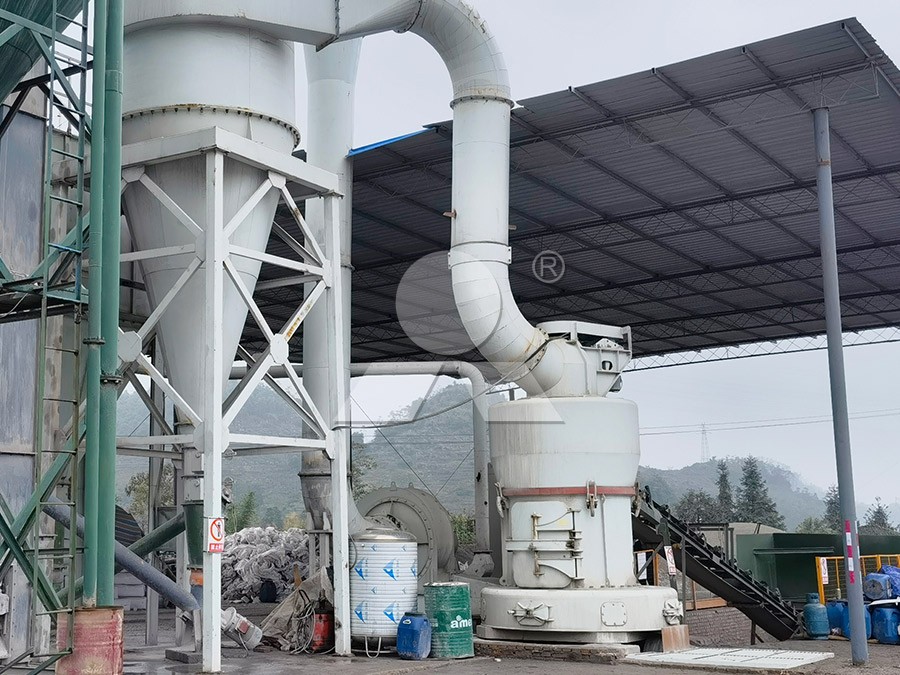
When analyzing mill prices, savvy buyers look beyond the initial purchase quote. The Total Cost of Ownership (TCO) provides a more accurate picture and includes:
- Capital Expenditure (CAPEX): The upfront cost of the mill, auxiliary equipment (crusher, feeder, classifier, dust collector), installation, and commissioning.
- Operational Expenditure (OPEX): Ongoing costs including electrical power consumption (a major factor given Sri Lanka’s energy prices), wear part replacement (rollers, rings), maintenance labor, and filter bags for dust collection.
- Quality & Yield Costs: Inefficient grinding leading to off-spec product, low yield, or high iron content results in waste and lost revenue.
- Downtime Costs: Unplanned stoppages for repairs or lengthy maintenance procedures disrupt production and delay orders.
Technology Match: Finding the Right Mill for Cosmetic Talc
Not all grinding mills are created equal for ultra-fine talc processing. Traditional ball mills, while having a lower initial cost, often struggle with high energy consumption, potential for iron contamination, and limited fineness control. Modern ring-roller mills and vertical roller mills offer superior solutions.
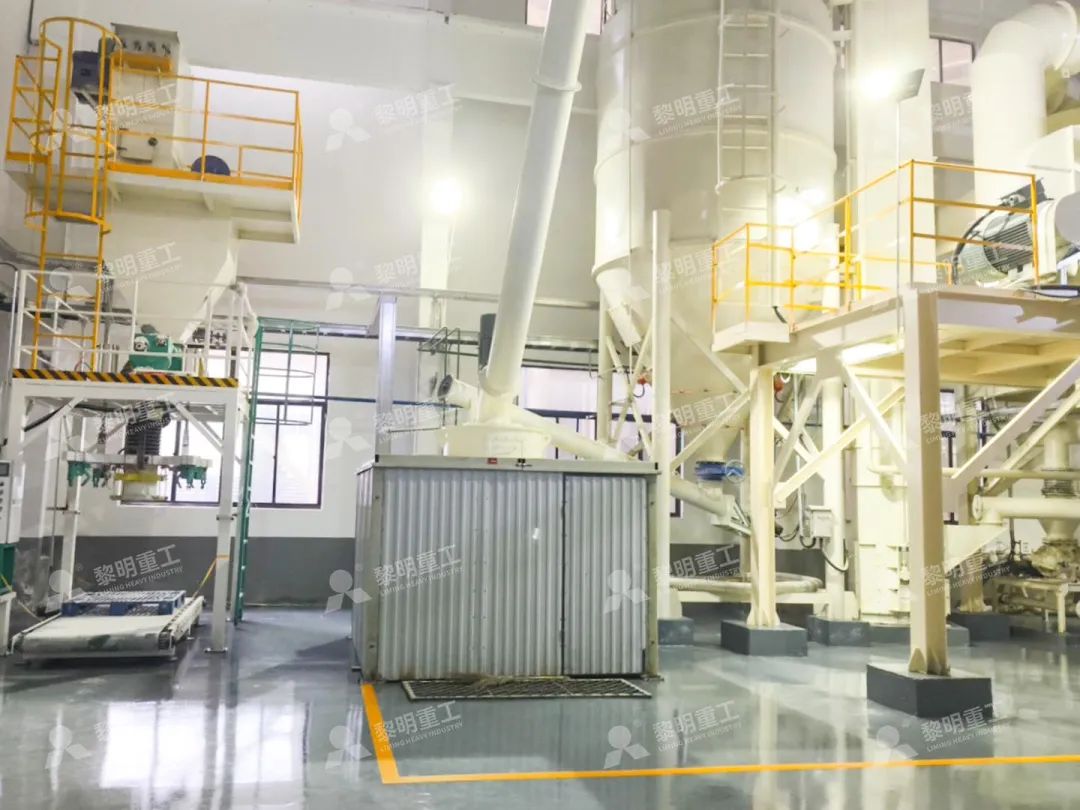
For Sri Lankan processors targeting the high-end cosmetics market, we highly recommend evaluating the MW Ultrafine Grinding Mill. This machine is specifically engineered for producing ultra-fine powder like cosmetic talc. Its design directly addresses many TCO pain points. It features a German-technology cage-type powder selector that allows precise fineness adjustment between 325-2500 meshes, ensuring your product consistently meets stringent specifications. Crucially for product purity, its grinding chamber has no rolling bearings or screws, eliminating a primary source of iron contamination and machine failure. Furthermore, its grinding curve optimization delivers a 40% higher yield with 30% lower system energy consumption compared to jet mills, significantly reducing OPEX. The integrated efficient pulse dust collector ensures the entire production process is clean and meets national environmental standards, a critical consideration for sustainable operation.
Price Benchmarks and Strategic Considerations in Sri Lanka
Mill prices vary widely based on capacity, configuration, and automation level. For a system capable of producing 1-5 tph of cosmetic-grade talc powder, capital investment can range significantly. When sourcing equipment, consider:
- Local Agent Support: Does the supplier have a reliable local partner in Sri Lanka for after-sales service, technical support, and spare parts inventory?
- Energy Efficiency Certification: Given local electricity costs, mills with verifiable lower kWh/ton metrics will have a faster payback period.
- Scalability: Can the mill’s capacity be easily adjusted to meet growing demand without a complete system overhaul?
Another excellent option for integrated operations is the LUM Ultrafine Vertical Grinding Mill. It combines grinding, classifying, and transporting in one unit, featuring advanced roller technology for high yield and better product whiteness. Its reversible structure allows grinding rollers to be easily moved out for maintenance, drastically reducing downtime and associated costs.

Conclusion: Investing in Precision and Efficiency
The choice of a grinding mill for cosmetic talc in Sri Lanka is a strategic decision that balances initial investment with long-term operational efficiency and product quality. By focusing on the Total Cost of Ownership and prioritizing technologies that offer energy savings, minimal contamination, high yield, and reliable operation, processors can secure a competitive edge. Equipment like the MW Ultrafine Grinding Mill or the LUM Vertical Mill, designed with these precise challenges in mind, represent not just a cost but a value-driven investment into the quality and sustainability of your cosmetic talc production line.
Frequently Asked Questions (FAQs)
- What is the typical particle size range required for talc in cosmetics, and can your mills achieve it?
Cosmetic talc often requires fineness between 325 to 2500 meshes (d97 ≤ 5μm). Our MW Ultrafine Grinding Mill is specifically designed for this range, featuring an adjustable cage-type powder selector for precise control. - How significant is energy consumption in the overall operating cost in Sri Lanka?
Extremely significant. Energy can constitute 30-50% of OPEX. Selecting an energy-efficient mill like the MW series, which uses 30-40% less power than some alternatives, is crucial for profitability. - How do you prevent iron contamination, which affects talc whiteness?
Our MW Mill addresses this by having no rolling bearings or screws in the grinding chamber, a primary source of metallic wear. The LUM Mill also uses a non-contact grinding curve design to minimize iron content. - Is after-sales support and spare parts availability a concern for Sri Lankan customers?
We understand this concern. As a manufacturer covering production and sales, we take direct responsibility. We provide technical services and ensure a sufficient supply of original spare parts for worry-free operation. - What is the lead time for delivery and installation of a complete grinding system?
Lead times vary based on system complexity and configuration. Typically, it ranges from 3 to 6 months from order confirmation, including manufacturing, shipping, and supervised installation. - Can the mill handle the varying moisture content of raw talc from different Sri Lankan sources?
While our mills are primarily for grinding, we offer integrated system solutions. For high-moisture feed, we can configure a pre-drying system or recommend our LM Vertical Mill series, which has stronger drying capabilities. - What kind of dust control is integrated into the mill system?
Environmental compliance is key. Our MW and most other models come equipped with high-efficiency pulse jet dust collectors, ensuring the operation is dust-free and meets stringent environmental standards.