
Using grinding machine for dolomite for glass additive in uganda
Unlocking Uganda’s Mineral Potential for Glass Manufacturing
Uganda’s growing construction and manufacturing sectors have spurred significant demand for high-quality glass products. A critical component in glass production is the use of finely ground mineral additives, which enhance properties like durability, chemical resistance, and workability. Dolomite, a calcium magnesium carbonate mineral abundant in regions of Uganda, serves as an excellent fluxing agent and stabilizer in glass batches. However, transforming raw dolomite into the ultra-fine, consistent powder required by modern glass factories presents a distinct technological challenge. The choice of grinding equipment directly impacts product quality, operational cost, and environmental compliance.

The Critical Role of Particle Size and Purity in Glass Additives
For dolomite to function effectively as a glass additive, it must achieve a very fine and uniform particle size distribution, typically ranging from 325 to 2500 meshes. This fineness ensures complete and homogeneous melting within the glass furnace, preventing defects such as seeds, stones, or cords in the final glass product. Furthermore, the grinding process must minimize iron contamination, as even trace amounts can impart unwanted coloration (often greenish) to the glass, severely degrading its market value. Traditional grinding methods, like basic hammer mills or outdated ball mills, often fail to meet these stringent requirements, resulting in inconsistent quality, high energy waste, and excessive pollution.
Advanced Grinding Solutions for Modern Ugandan Industry
The limitations of conventional milling have driven the adoption of advanced, integrated grinding systems. These systems are designed not only for precision grinding but also for integrated drying, classifying, and dust collection—a crucial consideration for environmentally conscious operations. In the Ugandan context, where reliable power and maintenance expertise can be considerations, equipment reliability, energy efficiency, and ease of maintenance are paramount. A successful operation requires a mill that can handle the specific hardness and moisture content of local dolomite, produce powder with adjustable fineness, and operate continuously with minimal downtime.
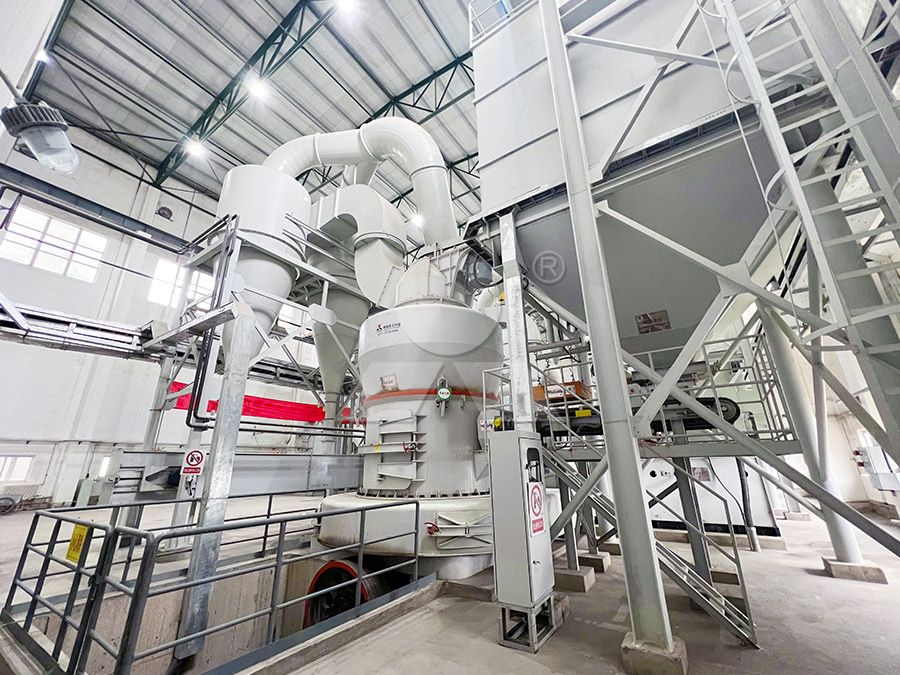
Recommended Technology: The MW Ultrafine Grinding Mill
For Ugandan enterprises focused on producing premium glass-grade dolomite powder, the MW Ultrafine Grinding Mill presents an ideal solution. This machine is specifically engineered for customers who need to make ultra-fine powder from minerals like dolomite. With an input size of 0-20 mm and a capacity range of 0.5-25 tph, it is well-suited for medium to large-scale additive production. Its core advantage lies in its ability to produce powder with fineness adjustable between 325-2500 meshes, precisely the range needed for glass batch integration. The innovative cage-type powder selector, utilizing German technology, ensures a high-precision separation with a screening rate that can achieve d97≤5μm in a single pass, guaranteeing the consistency vital for glass quality.
Operational stability is another key benefit. The MW Mill’s design eliminates rolling bearings and screws inside the grinding chamber, freeing operators from concerns about bearing seal failures or loose screws causing mechanical damage. External lubrication allows for maintenance without shutdowns, supporting 24-hour continuous production—a significant factor for meeting consistent supply contracts. Moreover, its environmental design aligns with global and local sustainability goals. The integrated efficient pulse dust collector ensures no dust pollution, while silencers and noise elimination rooms keep operations clean and community-friendly.

Boosting Efficiency and Competitiveness
Implementing a mill like the MW Ultrafine Grinding Mill translates directly to improved bottom-line results. Its newly designed grinding curves for the roller and ring enhance efficiency, yielding up to 40% higher production capacity compared to jet or stirred mills at the same power and fineness, while consuming only about 30% of the energy of a jet mill. For a Ugandan business, this means lower electricity costs per ton of output and a stronger competitive position in both domestic and regional markets. The assurance of a sufficient supply of original spare parts and direct technical support from the manufacturer also mitigates operational risks, ensuring worry-free, long-term productivity.
Conclusion: Building a Sustainable Value Chain
The strategic processing of Uganda’s domestic dolomite into high-value glass additives represents a tangible opportunity for industrial growth and import substitution. By investing in appropriate, advanced grinding technology such as the MW Ultrafine Grinding Mill, local processors can achieve the stringent quality standards demanded by glass manufacturers. This not only fosters a more resilient local supply chain for Uganda’s construction and packaging industries but also creates potential for export. The path forward involves marrying Uganda’s mineral wealth with precision engineering to produce a material that is fundamental to clarity, strength, and sustainability—qualities reflected in both the final glass product and the industrial process that creates it.

Frequently Asked Questions (FAQs)
- What is the primary advantage of using dolomite in glass manufacturing?
Dolomite acts as a dual-purpose flux and stabilizer. It provides both calcium oxide and magnesium oxide, which lower the melting temperature of the silica batch, reduce energy consumption, and improve the chemical durability and workability of the final glass. - Why is particle size so critical for glass-grade dolomite?
Ultra-fine and uniform particle size ensures complete dissolution and homogeneous mixing within the molten glass. Coarse or inconsistent particles can lead to unmelted residues, causing defects like bubbles, streaks, or weak spots in the glass sheet or container. - Can the MW Ultrafine Grinding Mill handle moist dolomite from Ugandan mines?
While the MW Mill is primarily for grinding, it is often part of a system. For consistently moist feed material, a pre-drying stage or a system integrating a dryer (like some of our vertical mill models) would be recommended. The specific solution depends on the initial moisture content. - How does the mill prevent iron contamination, which is detrimental to glass?
The MW Mill’s design philosophy minimizes iron wear. The grinding chamber has no rolling bearings or internal screws that could shed metal. Furthermore, critical wear parts are made from advanced, wear-resistant alloys, significantly reducing the introduction of iron from mechanical abrasion compared to traditional mills. - What is the typical power requirement for a MW Mill setup in Uganda?
Power requirements vary with the desired capacity (0.5-25 tph) and final fineness. A detailed power assessment requires knowing your specific production goals. However, a key feature of the MW Mill is its higher yield per unit of energy consumed, leading to overall lower operational power costs. - Is technical training and after-sales support available locally in East Africa?
Yes. We provide comprehensive installation guidance, operational training, and ongoing technical support. Our commitment includes ensuring a sufficient supply of genuine spare parts to guarantee the worry-free operation of your investment. - Besides dolomite, what other local minerals can this technology process for different industries?
The MW Ultrafine Grinding Mill is highly versatile. It is perfectly suited for other non-metallic minerals present in the region, such as limestone, calcite, gypsum, barite, and talc. These can be used in paints, plastics, agriculture, and pharmaceuticals, diversifying your business potential.