
How to optimize clay processing with grinding machine for bricks in kenya
How to Optimize Clay Processing with Grinding Machines for Bricks in Kenya
The Kenyan construction industry is experiencing robust growth, driving a significant demand for high-quality, affordable building materials, particularly bricks. At the heart of brick manufacturing lies a critical yet often under-optimized process: clay preparation. The efficiency, fineness, and consistency of the ground clay directly influence the strength, durability, and aesthetic appeal of the final brick product. For manufacturers looking to enhance productivity, reduce waste, and improve product quality, selecting and optimizing the right grinding machine is paramount.
The Critical Role of Fine Grinding in Brick Making
Raw clay extracted from quarries contains lumps, stones, and organic matter of varying sizes. Effective grinding serves multiple essential functions:
- Homogenization: Creates a uniform particle size distribution, ensuring consistent drying and firing characteristics.
- Plasticity Enhancement: Finer particles increase the surface area, improving water absorption and the workability of the clay body.
- Impurity Reduction: The grinding process can help break down and disperse minor impurities, leading to a more uniform final product.
- Energy Efficiency in Firing: A consistently fine clay body fires more evenly, reducing fuel consumption and minimizing defects like cracks or warping in the kiln.
Traditional methods using basic crushers or hammer mills often result in inconsistent particle size, high energy consumption, and excessive wear on equipment. Modern grinding technology offers a transformative solution.
Key Considerations for Selecting a Grinding Mill in Kenya
When choosing equipment for a Kenyan brickworks, several local factors must be weighed:
- Clay Characteristics: Hardness, moisture content, and abrasiveness of local clay deposits.
- Production Scale: Daily or hourly throughput requirements, from small-scale operations to large industrial plants.
- Power Availability & Cost: Energy efficiency is crucial given Kenya’s focus on sustainable industrial growth and variable power costs.
- Operational & Maintenance Simplicity: Equipment must be robust and easy to maintain, with reliable local access to technical support and spare parts.
- Environmental Compliance: Dust control and noise reduction are increasingly important for community and regulatory acceptance.
Advanced Grinding Solutions: Beyond Traditional Milling
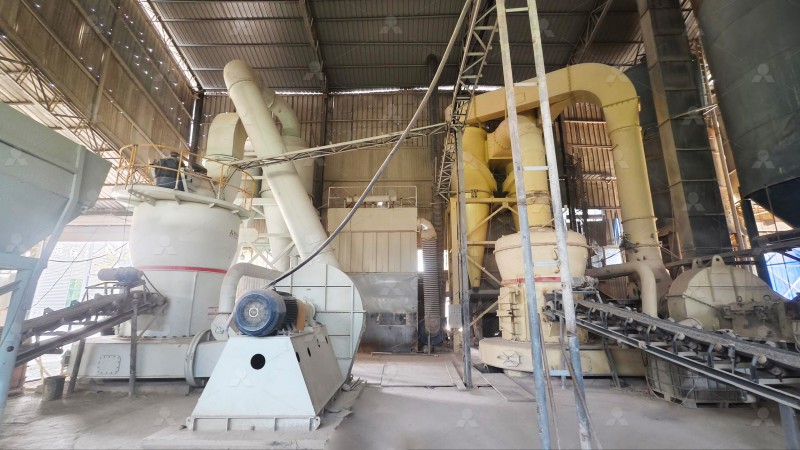
The evolution from simple ball mills to advanced vertical and trapezium mills has revolutionized mineral processing. For clay preparation, two standout technologies offer distinct advantages for Kenyan manufacturers.
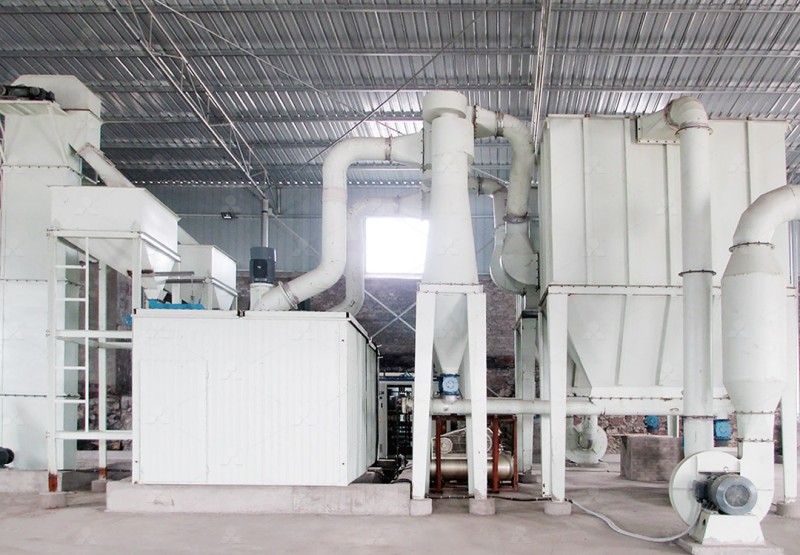
For operations requiring ultra-fine clay powder for high-grade, smooth-faced bricks or composite materials, the MW Ultrafine Grinding Mill presents a compelling option. This machine is engineered for precision, capable of producing powders adjustable between 325 to 2500 meshes. Its design eliminates rolling bearings and screws in the grinding chamber, a common failure point, thereby drastically reducing maintenance worries and downtime. For brick makers, this means unparalleled control over clay fineness, leading to superior brick density and surface finish. Furthermore, its integrated efficient pulse dust collector ensures the production process is clean and environmentally friendly, a critical consideration for sustainable operations.
Alternatively, for high-volume production of standard building bricks, the MTW-Z European Trapezium Mill offers remarkable efficiency and reliability. Its grinding rollers utilize a maintenance-free dilute oil lubrication system, significantly lowering long-term operating costs. The absence of a shovel blade cylinder in its grinding chamber allows for larger ventilation area and lower air-conveying resistance, translating to higher grinding efficiency and lower power consumption. Its elastic volute damping structure is particularly advantageous in areas with variable power quality, as it protects the mill from vibrational damage, ensuring stable, continuous operation essential for meeting large construction project demands.
Implementing an Optimized Grinding Process
Optimization extends beyond machine selection. A holistic approach includes:
- Pre-processing: Ensure clay is adequately weathered and primary crushed to a suitable feed size (e.g., below 50mm) for the grinding mill.
- Moisture Control: Integrate drying capabilities if local clay has high moisture content. Some advanced mills feature integrated drying functions.
- System Integration: Connect the grinder with efficient feeders, conveyors, and classifiers to create a seamless, automated production line.
- Routine Maintenance: Adhere to a preventive maintenance schedule focused on grinding rollers, rings, and lubrication systems to maximize equipment lifespan.

Conclusion: Building a Stronger Future
For Kenyan brick manufacturers, investing in modern clay grinding technology is not merely an equipment upgrade—it’s a strategic move towards greater competitiveness, sustainability, and quality. By optimizing the very first stage of production with machines like the high-precision MW Ultrafine Grinding Mill or the robust and efficient MTW-Z European Trapezium Mill, producers can achieve a finer, more consistent clay body. This foundational improvement cascades through the entire manufacturing process, resulting in stronger, more uniform bricks, reduced energy and material waste, and ultimately, a more profitable and resilient business poised to support Kenya’s ongoing infrastructure development.
Frequently Asked Questions (FAQs)
- What is the typical feed size of clay needed for an efficient grinding mill?
Most modern grinding mills, like the MTW-Z series, can handle feed sizes up to 50mm. Primary crushing is recommended to ensure lumps are within the mill’s specified input range for optimal efficiency and wear. - How does grinding fineness affect the final brick quality?
Finer clay particles improve plasticity, reduce firing temperature and time, and minimize pores, leading to bricks with higher compressive strength, better dimensional consistency, and a smoother surface. - Are these grinding mills suitable for the variable moisture content of Kenyan clay?
Many advanced mills integrate drying functions. For high-moisture clay, selecting a mill with hot air intake capabilities (like vertical mills) is crucial to prevent clogging and ensure efficient grinding. - What are the main maintenance requirements for these grinding machines?
Key maintenance involves regular inspection and replacement of grinding rollers and rings, checking lubrication systems (especially in trapezium mills with dilute oil lubrication), and ensuring dust collection filters are clean. - Can one mill handle different types of clay from various sources?
Yes, but adjustments are needed. The grinding pressure, classifier speed, and feed rate should be calibrated for each clay type to achieve the desired fineness and output. - How significant are the energy savings with modern mills compared to old ball mills?
Savings are substantial. Technologies like the MTW-Z’s low-resistance powder concentrator or vertical mill designs can reduce energy consumption by 30% to 50% for the same output, a critical factor for cost-sensitive operations. - Is local technical support and spare parts availability a concern in Kenya?
Reputable manufacturers establish local service centers and maintain sufficient spare parts inventories. It is essential to choose a supplier with a proven track record of support within East Africa to ensure worry-free operation.