
How to optimize cement raw materials processing with industrial pulverizer for road construction in tunisia
How to Optimize Cement Raw Materials Processing with Industrial Pulverizer for Road Construction in Tunisia
The road construction sector in Tunisia is experiencing significant growth, driven by infrastructure development and urbanization projects. At the heart of this progress lies the quality and efficiency of cement production. The processing of raw materials—limestone, clay, gypsum, and other additives—is a critical stage that directly impacts the final cement’s performance, cost, and environmental footprint. Optimizing this stage with advanced industrial pulverizers is not just an operational upgrade; it’s a strategic necessity for contractors and producers aiming to meet stringent project specifications and tight deadlines.
Traditional grinding methods often fall short in terms of energy consumption, particle size control, and operational stability. Modern road construction demands cement with specific properties: high early strength, consistent fineness, and optimal chemical composition. Achieving this requires precision grinding technology that can handle the abrasive nature of Tunisian raw materials while ensuring economic viability.

The Critical Role of Particle Size Distribution
In cement production for road construction, the fineness and particle size distribution (PSD) of the raw meal are paramount. A uniform and optimally sized raw meal ensures a more homogeneous clinker during the kiln phase, leading to cement with predictable setting times and superior compressive strength. Inconsistent grinding can result in unburned coarse particles or over-ground fines, both of which compromise the final product’s quality and increase fuel consumption in the kiln. Therefore, selecting a pulverizer that offers precise control over fineness is crucial.
Introducing the Ideal Solution: The LM Vertical Grinding Mill
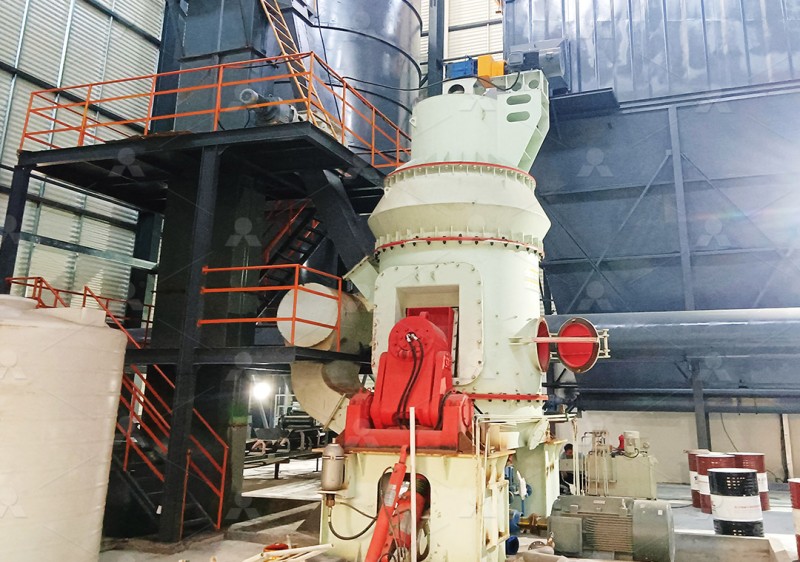
For large-scale cement raw material processing tailored to Tunisia’s infrastructure needs, the LM Vertical Grinding Mill stands out as a premier choice. This mill is engineered to tackle the specific challenges of the region’s raw materials, integrating crushing, drying, grinding, classifying, and conveying into a single, compact unit.
Key advantages for Tunisian applications include:
- High Capacity & Energy Efficiency: With an input size of 0-70 mm and a capacity range of 3-340 tph, it is perfectly scaled for major projects. Its design saves 30%-40% energy compared to traditional ball mills, a critical factor given energy cost considerations.
- Superior Drying Capacity: It can handle materials with significant moisture content, common in raw material stockpiles, by integrating hot air, eliminating the need for separate drying equipment.
- Low Iron Contamination & High Product Purity: The non-contact grinding principle (roller and millstone do not touch directly) minimizes mechanical wear and iron content in the product, ensuring the whiteness and chemical integrity of the raw meal.
- Environmental Compliance: The fully sealed system operating under negative pressure guarantees no dust spillage. Its low noise and emissions align perfectly with growing environmental standards in Tunisia.
- Reduced Investment & Footprint: Its integrated design occupies 50% less space than ball mill systems and can be installed outdoors, drastically reducing civil construction costs.
Enhancing Specific Surface Area with Ultrafine Options
For projects requiring specialized cement blends or the processing of certain additives like slag or pozzolans, achieving an ultra-fine grind can unlock enhanced performance. In such cases, the MW Ultrafine Grinding Mill presents an excellent complementary or specialized solution. Designed for producing ultra-fine powder between 325-2500 meshes, it is ideal for processing high-purity limestone or other additives that demand extreme fineness. Its unique design, featuring no rolling bearings or screws in the grinding chamber, offers exceptional reliability and worry-free operation—a significant benefit for maintaining continuous production schedules on remote construction projects.
Strategic Implementation for Tunisian Road Projects
Successfully integrating these advanced pulverizers requires a strategic approach:
- Material Analysis: Conduct thorough testing of local limestone and other raw materials to determine hardness, abrasiveness, and moisture content.
- System Design: Opt for a grinding system that includes efficient dust collection (like the integrated pulse dust collector in the MW Mill) and automated control for consistent output.
- Lifecycle Cost Assessment: Look beyond the initial purchase price. The energy savings, low wear rate of parts like the grinding rollers in the LM Mill, and minimal maintenance requirements translate to a lower total cost of ownership.
- Local Support & Spare Parts: Ensure your supplier offers reliable technical services and a sufficient supply of original spare parts to guarantee uptime and worry-free operation throughout the project lifecycle.
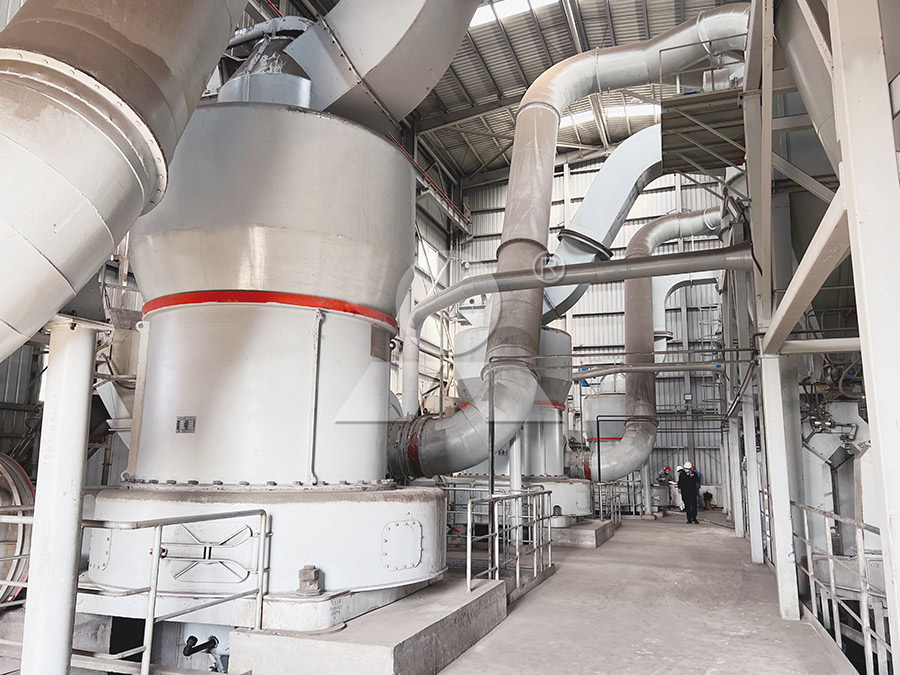
By adopting state-of-the-art grinding technology like the LM Vertical Grinding Mill and the MW Ultrafine Grinding Mill, Tunisian cement producers and major contractors can directly contribute to building more durable, high-quality roads. The optimization leads to a stronger final product, reduced energy consumption, lower environmental impact, and improved profitability—laying a solid foundation for the nation’s infrastructure future.
Frequently Asked Questions (FAQs)
1. What is the main advantage of a vertical grinding mill over a traditional ball mill for cement raw material processing?
Vertical grinding mills like the LM series offer significantly higher energy efficiency (30%-40% savings), a much smaller footprint, integrated drying and grinding, and better control over particle size distribution, leading to a more homogeneous and higher-quality raw meal.
2. Can these mills handle the specific hardness and moisture of Tunisian limestone?
Yes. Mills such as the LM Vertical Grinding Mill are designed for non-metallic minerals like limestone with an input size up to 70mm. Their robust construction and integrated hot air system allow them to effectively grind and dry materials with varying hardness and moisture levels commonly found in Tunisia.
3. How important is particle size control for road construction cement?
Extremely important. A consistent and optimal particle size distribution in the raw meal ensures efficient burning in the kiln and results in cement with predictable strength development, durability, and setting time—all critical for the structural integrity and longevity of roads.
4. What kind of maintenance can be expected with the LM Vertical Mill?
The LM Mill is designed for easy maintenance. Features like the reversible structure allow grinding rollers to be easily turned out for inspection or replacement of wear parts. The lack of direct contact between major grinding components also reduces wear rates.
5. Are these grinding systems environmentally friendly?
Absolutely. Both the LM and MW mills are equipped with efficient pulse dust collectors and operate under sealed, negative-pressure conditions, preventing dust pollution. They also operate with lower noise levels and higher energy efficiency, contributing to a greener operation.
6. What capacity range is suitable for a medium to large road construction project’s cement supply?
The LM Vertical Grinding Mill, with its capacity range of 3 to 340 tons per hour, is highly scalable and can be configured to meet the demands of anything from a dedicated plant supplying a major highway project to a large-scale commercial cement production facility.
7. Is automated operation possible?
Yes. These advanced mills come with expert-level automatic control systems that allow for remote monitoring and operation, precise control over grinding parameters, and consistent product quality with minimal manual intervention.