
Roller mill price & cost analysis for coal for activated carbon in saudi arabia
Roller Mill Price & Cost Analysis for Coal in Activated Carbon Production: A Saudi Arabian Market Perspective
The Kingdom of Saudi Arabia’s ambitious Vision 2030 framework has catalyzed significant growth in its industrial and environmental sectors. A key area of focus is the production of high-quality activated carbon, essential for water purification, air filtration, and various chemical processes. At the heart of this production line lies a critical piece of equipment: the coal grinding mill. Selecting the right mill is not merely a purchase decision; it’s a long-term strategic investment impacting product quality, operational expenditure (OPEX), and overall plant profitability. This analysis delves into the key cost factors for roller mills in the Saudi context and explores optimal solutions for coal preparation in activated carbon manufacturing.
Understanding the Saudi Arabian Operational Landscape
Operating in Saudi Arabia presents unique advantages and challenges for industrial milling. Abundant and cost-effective energy can lower direct power costs, but the harsh desert environment demands equipment with exceptional reliability and minimal maintenance requirements to avoid costly downtime. Furthermore, the push for environmental compliance and sustainable industrial practices under Vision 2030 places a premium on mills with integrated dust collection and low noise emissions. The goal for any operator is to achieve the precise particle size distribution (often in the ultrafine range for high-surface-area activated carbon) with maximum energy efficiency and minimum total cost of ownership (TCO).
Deciphering the Cost Structure: Beyond the Initial Price Tag
The initial purchase price of a roller mill is just the entry point. A comprehensive cost analysis must consider the following pillars:
- Capital Expenditure (CAPEX): Includes the mill itself, auxiliary equipment (feeders, classifiers, dust collectors), installation, and commissioning. Mills with compact designs, like vertical roller mills, can significantly reduce civil construction costs.
- Energy Consumption: This is often the single largest OPEX component. Grinding efficiency varies dramatically between mill types. Traditional ball mills, for instance, are notoriously energy-intensive, while modern vertical roller mills and ultrafine grinding mills can offer savings of 30-50%.
- Wear Part Consumption & Maintenance: The abrasiveness of coal directly impacts the lifespan of grinding rollers, rings, and liners. Mills designed with advanced wear-resistant alloys and features that facilitate easy maintenance access reduce both part replacement costs and associated labor downtime.
- Product Quality & Yield: A mill that consistently produces the target fineness (e.g., d97 ≤ 5μm) with high yield minimizes waste and re-grinding cycles. Precise particle classification is crucial for activated carbon performance.
- Environmental Control Costs: Standalone dust collection systems add to CAPEX and OPEX. Choosing a mill with a seamlessly integrated, high-efficiency pulse dust collector is both economically and environmentally prudent.
Technology Spotlight: The MW Ultrafine Grinding Mill for Premium Activated Carbon
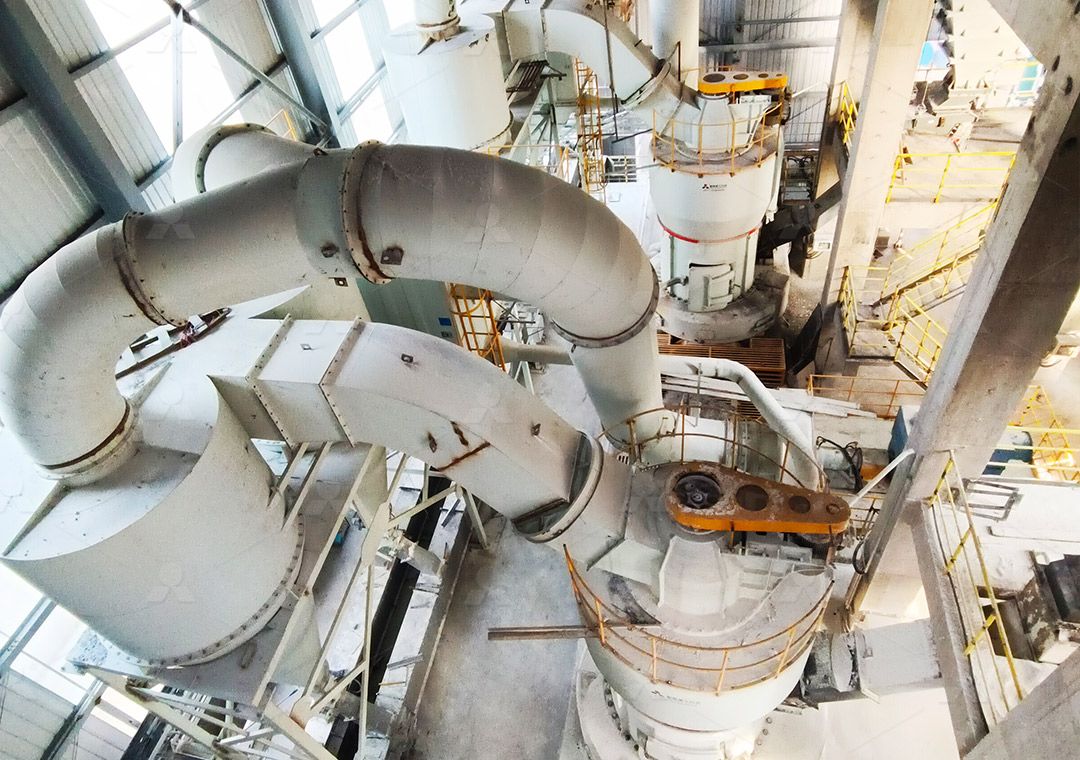
For producers targeting the high-end activated carbon market where ultrafine coal powder is paramount, the MW Ultrafine Grinding Mill presents a compelling, cost-effective solution. Engineered for precision and reliability, it addresses the core cost drivers head-on. Its newly designed grinding curves for the roller and ring assembly enhance efficiency, achieving a production capacity up to 40% higher than some alternative fine grinding systems at the same power level. This translates directly to lower energy cost per ton of output.
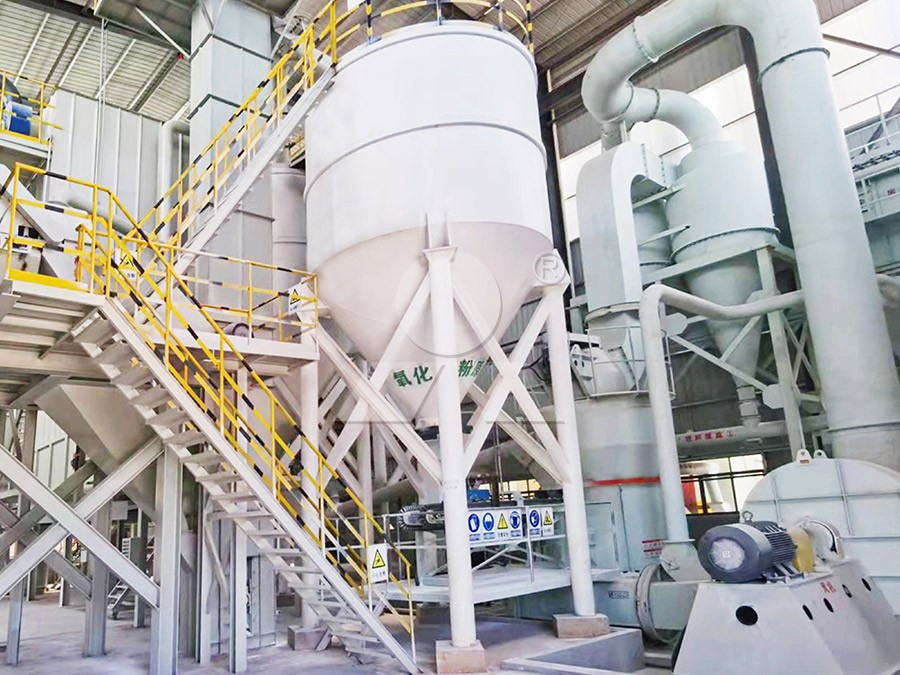
A standout feature for maintenance cost reduction is its grinding chamber design, which eliminates rolling bearings and screws in the high-wear zone. This innovative approach removes the risk of bearing seal failure and machine damage from loose fasteners, a significant advantage in remote locations. Furthermore, its external lubrication system allows for maintenance without shutdowns, supporting continuous 24/7 operation critical for industrial throughput. The mill’s ability to adjust fineness between 325-2500 meshes with a high-precision German-technology cage-type powder selector ensures perfect adherence to activated carbon feedstock specifications.
The Vertical Grinding Advantage: LUM Ultrafine Vertical Mill
Another superior option for coal preparation is the LUM Ultrafine Vertical Grinding Mill. This mill is a testament to integrated design, combining grinding, classifying, and conveying into a single, space-saving unit. Its energy-saving potential is profound, typically reducing consumption by 30%-50% compared to conventional mills, a critical factor given any future energy price adjustments. For Saudi operators, its double position-limiting technology is invaluable, providing electronic and mechanical protection against destructive vibrations—a feature that ensures remarkable operational stability and protects your investment.
Perhaps most relevant for managing long-term costs is the LUM mill’s reversible structure and hydraulic adjustment system. This design allows operators to easily swing the heavy grinding roller out of the mill body for inspection, liner plate replacement, or other maintenance. This drastically reduces the time, complexity, and cost associated with servicing core components, minimizing production losses during planned maintenance intervals.

Strategic Recommendations for Saudi Arabian Investors
When conducting a price and cost analysis for a coal roller mill in Saudi Arabia, adopt a TCO perspective over a 5-10 year horizon. Engage with suppliers who offer not just equipment, but comprehensive after-sales support, guaranteed supply of original spare parts, and local technical service capabilities. Pilot testing your specific coal feedstock on candidate mills is highly recommended to verify performance data on yield, fineness, and energy use. Both the MW and LUM series from LIMING Heavy Industry are engineered with the digital precision, environmental safeguards, and operational reliability that align perfectly with the demands of modern Saudi industry, offering a path to lower grinding costs and higher-quality activated carbon production.
Frequently Asked Questions (FAQs)
- What is the most significant long-term cost factor when operating a coal grinding mill in Saudi Arabia?
While energy costs are substantial, unplanned downtime and frequent maintenance often become the largest cost drivers in remote or harsh environments. Selecting a mill designed for reliability and easy servicing, like those with external lubrication or reversible rollers, is crucial for controlling TCO. - How important is particle fineness control for activated carbon production?
It is critical. The surface area and adsorption properties of the final activated carbon are directly influenced by the particle size distribution of the coal feedstock. Precise and adjustable fineness control in the grinding mill is non-negotiable for producing high-performance, consistent product grades. - Can the MW Ultrafine Grinding Mill handle the hard grades of coal sometimes found in feedstocks?
Yes. The MW Mill’s robust design and optimized grinding curve allow it to process various materials, including petroleum coke and harder coals, efficiently. Its wear-resistant components are designed to withstand abrasive materials, maintaining performance over time. - We have limited plant space. Are vertical roller mills a good option?
Absolutely. Vertical roller mills like the LUM series have a significantly smaller footprint compared to traditional ball mill systems (often around 50% less). Their compact, integrated design is ideal for greenfield projects or space-constrained plant expansions. - How do modern mills comply with Saudi Arabia’s environmental regulations?
Leading mills are designed as closed, negative-pressure systems equipped with high-efficiency pulse jet dust collectors and silencers. This ensures dust emissions are virtually eliminated and noise pollution is minimized, fully complying with national and international environmental standards. - Is automated control important for cost savings?
Yes. Automated control systems allow for optimal, consistent mill operation with minimal manual intervention. They help maintain peak efficiency, prevent operator error, and provide valuable data for process optimization, all contributing to lower energy use and stable product quality. - What after-sales support should we expect from a reputable supplier?
Look for a supplier that provides comprehensive support: detailed installation supervision, operator training, a guaranteed supply of genuine spare parts, and readily available remote or on-site technical service to ensure worry-free long-term operation.