
Using industrial pulverizer for cement clinker for cement production in uganda
Unlocking Uganda’s Infrastructure Potential Through Advanced Milling Technology
The construction landscape in Uganda is undergoing a significant transformation, driven by urbanization, infrastructure development, and a growing demand for residential and commercial spaces. At the heart of this growth lies the cement production industry, a critical sector that supplies the fundamental building blocks for national development. However, the efficiency and quality of cement production are intrinsically linked to one core process: the pulverization of cement clinker. The choice of industrial grinding equipment is not merely an operational decision; it is a strategic investment that impacts product quality, energy consumption, environmental footprint, and ultimately, the profitability and sustainability of cement plants across the nation.
The Critical Role of Clinker Grinding in Cement Quality
Cement clinker, the nodular material produced by sintering limestone and clay in a kiln, requires fine grinding to develop its hydraulic properties. The fineness of the resulting cement powder directly influences key performance indicators such as the rate of strength development, workability, and final durability of concrete. In Uganda’s diverse climate, from the humid shores of Lake Victoria to the drier regions, producing cement with consistent and optimal fineness is paramount for constructing resilient infrastructure. Traditional grinding methods, often reliant on outdated ball mill technology, can struggle with high energy demands, inconsistent particle size distribution, and significant wear and tear, leading to operational downtime and increased costs.
Beyond Traditional Milling: Embracing Efficiency and Precision
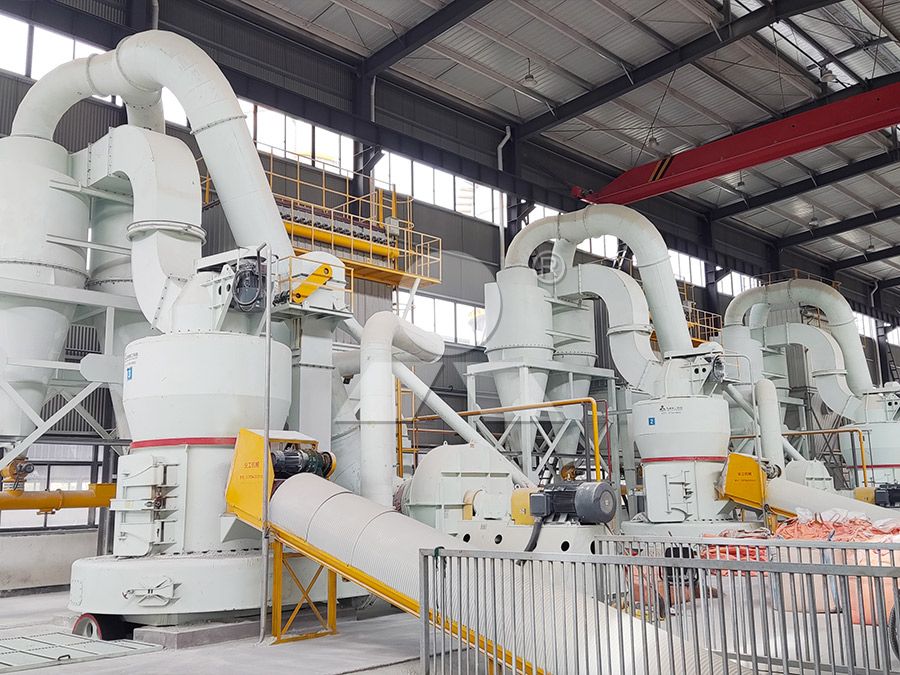
The evolution of grinding technology has introduced solutions that directly address the limitations of older systems. Modern vertical roller mills and advanced trapezium mills offer a paradigm shift, integrating drying, grinding, classification, and conveying into single, compact units. For Ugandan producers, this means a drastic reduction in floor space requirements—a valuable consideration for plant layout and expansion. More importantly, these systems are engineered for energy efficiency, often reducing specific power consumption by 30% to 50% compared to conventional ball mills. This is a crucial advantage in a market where operational cost control is essential.
Furthermore, advanced grinding mills provide superior control over particle size distribution. The use of high-efficiency, multi-head powder separators allows operators to precisely target the desired Blaine fineness or sieve residue, ensuring every batch of cement meets stringent quality specifications. The shorter material retention time within these mills also minimizes over-grinding and reduces the iron content introduced through mechanical wear, contributing to a whiter, cleaner final product where required.
Tailored Solutions for the Ugandan Market: Introducing the MW Series
Selecting the right equipment requires matching technical capabilities with local production needs. For operations focusing on producing high-quality cement with superior fineness control, or for those processing additives like limestone or slag, ultrafine grinding technology presents a compelling option. Our MW Ultrafine Grinding Mill is engineered precisely for such demanding applications.
This mill is designed for customers who need to make ultra-fine powder. It handles an input size of 0-20 mm with a capacity range of 0.5-25 tph, making it suitable for both primary and additive grinding circuits. A key feature is its innovative design that eliminates rolling bearings and screws inside the grinding chamber. This unique architecture removes the primary causes of bearing seizure and machine damage from loose components, a common headache in harsh industrial environments. Operators are freed from constant worries about critical failures, enhancing overall plant reliability.
The MW Mill achieves higher yield with lower energy consumption. Its newly designed grinding curves enhance efficiency, offering production capacity up to 40% higher than jet mills and double that of traditional ball mills for the same power input. Yet, its system energy consumption is only about 30% of a jet mill. Fineness is precisely adjustable between 325-2500 meshes using a German-technology cage-type powder selector, ensuring the precise product specifications needed for modern cement blends. Environmental compliance is built-in with an efficient pulse dust collector and muffler system, ensuring the entire production process meets national and international environmental standards—a growing priority for industries worldwide.

A Robust Workhorse for High-Capacity Demands: The LM Vertical Grinding Mill
For larger-scale cement clinker grinding operations requiring high throughput and exceptional reliability, the LM Vertical Grinding Mill stands out as an industry benchmark. This mill is a comprehensive solution, integrating crushing, drying, grinding, classifying, and conveying into one robust package. Its capacity range of 3-340 tph can accommodate everything from a modest plant upgrade to a major new production line.
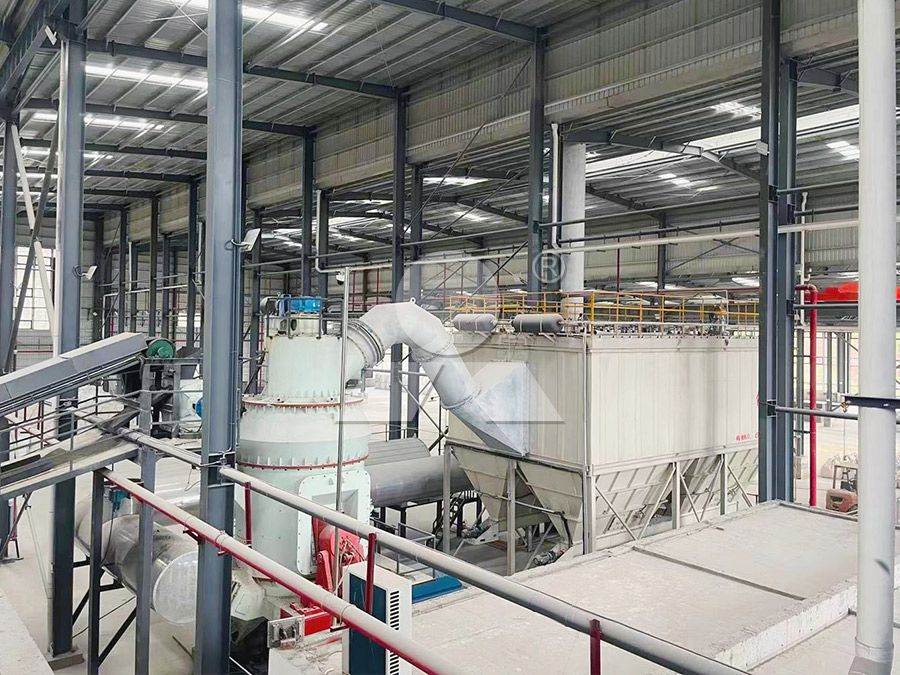
The LM Vertical Mill offers a 50% reduction in footprint compared to ball mill systems and saves 30%-40% in energy consumption. Its design ensures materials have a short residence time, reducing repeated grinding and allowing for easier control over grain size and chemistry. The non-contact grinding principle, where the roller and millstone do not touch directly, results in very low iron contamination. For Ugandan cement producers looking to maximize output, minimize operational costs, and ensure product consistency, the LM Vertical Grinding Mill represents a future-proof investment. Its fully automated control system enables simple operation and remote monitoring, while its sealed, negative-pressure operation guarantees a dust-free and environmentally sound workspace.
Strategic Implementation for Sustainable Growth
Integrating advanced grinding technology like the MW or LM series into a Ugandan cement plant requires a partnership approach. It involves not just the supply of machinery but a commitment to technical support, training for local engineers, and a reliable supply of genuine spare parts to ensure worry-free, long-term operation. The goal is to build local capacity and expertise, empowering Ugandan industries to maintain and optimize their equipment independently.
The future of Uganda’s construction sector depends on a reliable, high-quality, and cost-effective supply of cement. By moving beyond outdated pulverization methods and adopting intelligent, efficient, and durable grinding solutions, cement manufacturers can significantly enhance their competitiveness. This technological leap supports not only their bottom line but also contributes to the nation’s sustainable development by conserving energy, reducing emissions, and producing the superior materials needed to build a stronger Uganda.
Frequently Asked Questions (FAQs)
- What are the main advantages of vertical grinding mills over traditional ball mills for clinker grinding?
Vertical mills offer significantly higher energy efficiency (30-50% less power consumption), a much smaller physical footprint, integrated drying capability for moist materials, superior product quality with lower iron content, and advanced automation for easier control and operation. - How does the MW Ultrafine Grinding Mill prevent common mechanical failures?
Its pioneering design has no rolling bearings or screws inside the grinding chamber itself. This eliminates the risk of bearing damage from dust ingress and prevents machine failure caused by screws loosening from vibration, drastically improving reliability and reducing maintenance downtime. - Can these mills handle the specific raw material variations found in Uganda?
Yes. Both the MW and LM series mills are designed to process a wide range of materials, including clinker, limestone, slag, and gypsum. Their adjustable grinding pressure and classifier speed allow operators to fine-tune the process to accommodate variations in material hardness and moisture content. - What kind of after-sales support is available for equipment operating in Uganda?
Comprehensive support is provided, including detailed installation supervision, commissioning services, on-site operator training, and a guaranteed supply of original spare parts. Remote technical assistance is also available to help troubleshoot and optimize performance. - How is environmental compliance addressed by these grinding systems?
The mills are equipped with high-efficiency pulse jet baghouse dust collectors that capture over 99.9% of particulate matter. Mufflers and sound insulation are standard to control noise pollution. The entire system operates under negative pressure to prevent any dust leakage, ensuring full compliance with environmental regulations. - What is the typical lead time for delivery and installation of such equipment in East Africa?
Lead times vary based on the specific model and configuration. Generally, after contract signing, delivery to a major East African port can be arranged within a specified period, followed by expert-guided installation and commissioning on-site. - Are these mills suitable for grinding other materials besides cement clinker?
Absolutely. The technology is versatile. The MW series is excellent for ultra-fine powders like limestone for fillers, while the LM series is widely used for pulverized coal, slag, and various industrial minerals, offering diversification opportunities for plant owners.