
Where to Buy Grinding Machine for Cement Clinker for Blended Cement in USA
Navigating the Complex Landscape of Cement Clinker Grinding Solutions in the American Market
The American construction industry’s relentless demand for high-performance blended cements has created a sophisticated market for specialized grinding equipment. For plant managers and procurement specialists seeking reliable cement clinker grinding solutions, understanding the technological landscape is paramount to making informed investment decisions.
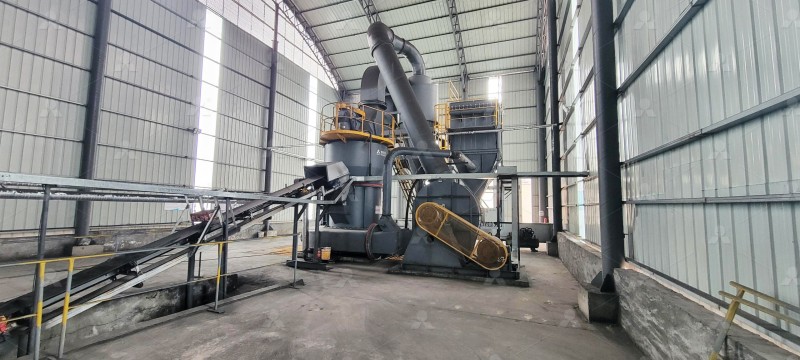
The Critical Role of Precision Grinding in Blended Cement Production
Blended cement manufacturing represents a significant evolution in construction materials technology, combining Portland cement clinker with supplementary cementitious materials like fly ash, slag, or limestone. This blending process demands exceptionally precise particle size distribution to achieve optimal reactivity and final product performance. The grinding phase becomes particularly crucial, as inadequate fineness can compromise the cement’s strength development and durability characteristics.
American manufacturers face unique challenges in this sector, including stringent environmental regulations, volatile energy costs, and competitive market pressures. The right grinding equipment must not only deliver precise particle size control but also operate efficiently within these constraints. Equipment selection becomes a strategic decision impacting both product quality and long-term operational viability.
Key Considerations for Cement Clinker Grinding Equipment Selection
When evaluating grinding machines for cement clinker applications, several technical factors demand careful assessment:
- Particle Size Distribution Control: The ability to consistently produce the targeted fineness directly influences cement performance characteristics.
- Energy Consumption Profiles: Grinding operations typically account for 30-40% of electrical energy consumption in cement production.
- Wear Part Durability: Clinker’s abrasive nature necessitates robust construction and long-lasting grinding elements.
- System Integration Capabilities: Compatibility with existing plant infrastructure and control systems.
- Environmental Compliance Features: Dust collection efficiency and noise control capabilities.
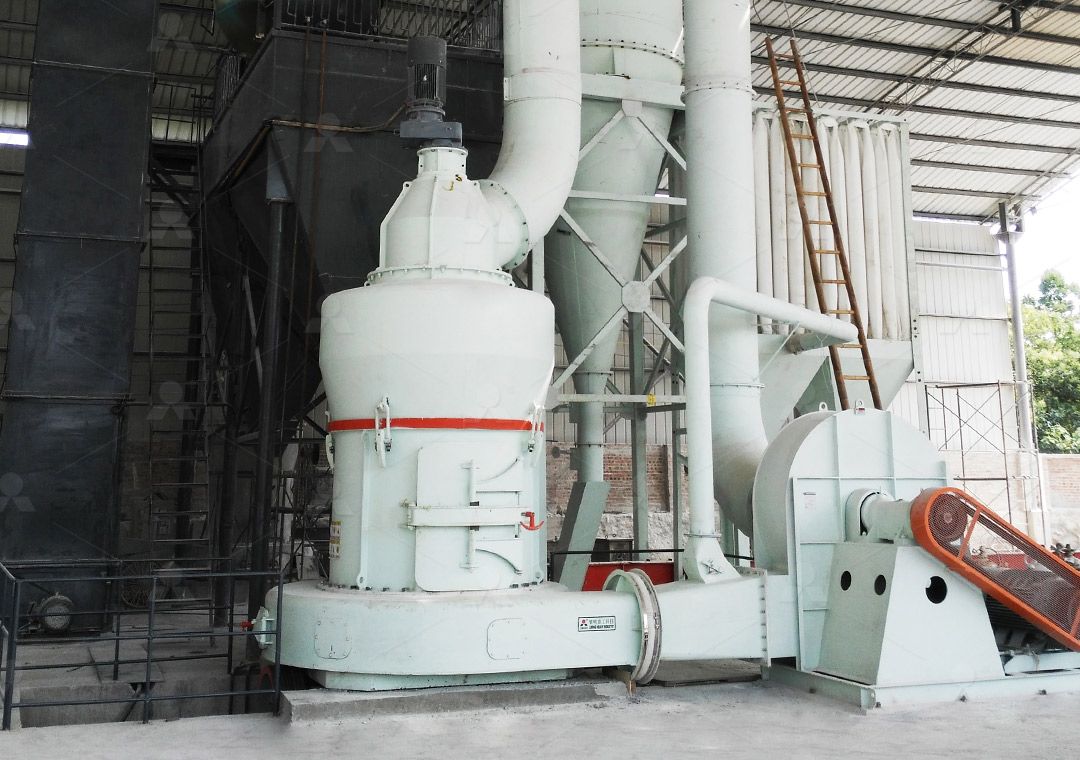
Advanced Grinding Technologies for Modern Cement Plants
The evolution of grinding technology has produced several distinct approaches to cement clinker processing, each with particular strengths for blended cement applications. While traditional ball mills have served the industry for decades, newer technologies offer significant advantages in efficiency, control, and operational flexibility.
Vertical roller mills have gained substantial market share due to their superior energy efficiency and drying capabilities when processing moist additives. Meanwhile, advanced trapezium mills provide excellent particle distribution control, particularly valuable when precise blending is required. The most recent innovations in ultrafine grinding technology open new possibilities for optimizing supplementary material reactivity.
Introducing the MW Ultrafine Grinding Mill: Precision Engineering for Advanced Blended Cements
For operations requiring exceptional control over product fineness, the MW Ultrafine Grinding Mill represents a significant technological advancement. With an input size capacity of 0-20 mm and throughput ranging from 0.5 to 25 tph, this system delivers remarkable versatility for various production scenarios.
The MW series stands apart through several engineered advantages specifically beneficial for cement applications. Its innovative grinding curve design enhances efficiency, achieving production capacity 40% higher than jet grinding mills with equivalent power consumption. The adjustable fineness range between 325-2500 meshes provides unprecedented control over product characteristics, while the absence of rolling bearings in the grinding chamber eliminates a common failure point in abrasive applications.
Environmental considerations are integral to the MW design, incorporating efficient pulse dust collection and noise reduction technologies that ensure compliance with stringent American environmental standards. The system’s external lubrication capability enables continuous 24-hour operation, a critical feature for capital-intensive cement production facilities.

Complementary Technology: The LUM Ultrafine Vertical Grinding Mill
For operations with space constraints or specific layout requirements, the LUM Ultrafine Vertical Grinding Mill offers an alternative approach with comparable technical excellence. Processing materials with input sizes up to 10 mm at capacities between 5-18 tph, this vertical configuration integrates grinding, classification, and transportation in a single compact footprint.
The LUM mill incorporates German powder separation technology and unique roller shell design that promotes efficient material bed formation. Its double position-limiting technology provides exceptional operational stability, while the reversible structure simplifies maintenance procedures – a valuable feature that minimizes downtime during wear part replacement.
Strategic Sourcing Considerations for American Buyers
Procuring grinding equipment in the United States involves navigating a complex landscape of suppliers, service networks, and technical support capabilities. Beyond initial equipment cost, wise buyers consider:
- Local Technical Support: Availability of experienced service engineers for installation and maintenance.
- Spare Parts Inventory: Domestic warehousing of critical wear components.
- Training Resources: Comprehensive operator and maintenance training programs.
- Customization Capabilities: Engineering support for plant-specific adaptations.
- Documentation Quality: Comprehensive technical manuals and parts documentation.
Reputable suppliers distinguish themselves through transparent communication about equipment capabilities and limitations, detailed performance guarantees, and proven track records with similar applications. The most valuable partners provide lifecycle cost analysis rather than focusing solely on initial purchase price.
Making the Investment Decision: Total Cost of Ownership Analysis
Sophisticated equipment selection goes beyond comparing specification sheets. A comprehensive evaluation should consider energy consumption per ton of product, expected wear part costs, maintenance labor requirements, and potential production improvements through superior product quality. Equipment like the MW Ultrafine Grinding Mill often demonstrates compelling economic advantages through reduced energy consumption (30% less than comparable technologies) and minimal maintenance requirements.
The transition to blended cements represents both an environmental imperative and economic opportunity for American cement producers. Selecting grinding equipment that maximizes the performance of supplementary materials while controlling operational costs creates sustainable competitive advantage in an increasingly challenging market.
Frequently Asked Questions
What is the typical lead time for delivery and installation of grinding equipment in the United States?
Lead times vary based on equipment complexity and customization requirements, but typically range from 4-6 months for standard configurations to 8-12 months for highly customized systems. Factors influencing timing include manufacturing schedules, shipping logistics, and site preparation requirements.
How does the energy consumption of modern grinding mills compare to traditional ball mills?
Advanced grinding technologies typically reduce energy consumption by 30-50% compared to traditional ball mills. For example, the MW Ultrafine Grinding Mill consumes approximately 30% of the energy required by jet mills for equivalent output, while vertical roller mills generally offer 30-40% energy savings over ball milling systems.
What maintenance requirements should we anticipate for cement clinker grinding equipment?
Maintenance intensity varies by technology. Equipment with external lubrication systems and no internal bearings or screws (like the MW series) typically requires less frequent maintenance interventions. Generally, plan for routine inspections every 500-1,000 operating hours, with major overhauls every 8,000-12,000 hours depending on material abrasiveness.
Can these grinding systems handle varying compositions of blended cement formulations?
Yes, modern grinding systems are designed for formulation flexibility. The adjustable fineness control (such as the 325-2500 mesh range on the MW mill) allows operators to optimize particle size distribution for different blend compositions. Advanced control systems can store multiple parameter sets for different product specifications.
What environmental compliance features are typically included?
Modern grinding systems incorporate multiple environmental protection features, including pulse jet dust collectors achieving 99.9%+ efficiency, noise reduction technologies maintaining levels below 85 dB, and fully enclosed negative-pressure systems preventing material escape. These features typically exceed EPA requirements for particulate emissions.
How does equipment installation impact existing production operations?
Professional suppliers provide detailed installation planning to minimize disruption. Modular designs and pre-assembled components can reduce onsite installation time by 30-40%. Temporary production solutions during transition periods are often available to maintain supply commitments.
What technical support is typically available after installation?
Reputable suppliers offer comprehensive post-installation support including startup supervision, operator training, preventive maintenance programs, and 24/7 technical assistance. Many provide remote monitoring capabilities and maintain domestic spare parts inventories for critical components.
How do we determine the appropriate capacity for our operation?
Capacity planning should consider both current requirements and anticipated growth. Equipment like the MW series with its 0.5-25 tph range allows for operational flexibility. Most suppliers conduct detailed application analysis to recommend appropriately sized equipment based on specific material characteristics and production targets.