
How to optimize quicklime processing with grinding mill for calcium compound production in papua new guinea
Unlocking Papua New Guinea’s Mineral Potential Through Advanced Grinding Technology
The production of high-value calcium compounds from quicklime represents a significant opportunity for Papua New Guinea’s industrial development. With abundant limestone deposits across the country, from the Highlands to coastal regions, the challenge lies not in resource availability but in processing efficiency. Traditional grinding methods often fall short in producing the ultra-fine powders required for modern applications in construction, agriculture, pharmaceuticals, and chemical manufacturing. This article explores practical strategies for optimizing quicklime processing specifically for the Papua New Guinean context, where operational reliability, energy efficiency, and environmental compliance are paramount considerations.

The Critical Role of Particle Size in Calcium Compound Production
For calcium carbonate, calcium hydroxide, and other derivatives, particle size distribution directly determines product performance and market value. In applications ranging from paper coating to PVC stabilization, pharmaceutical excipients to food additives, consistency in fineness below 10 microns is often required. Papua New Guinea’s humid tropical climate adds another layer of complexity, as moisture can affect both grinding efficiency and final product quality. Modern grinding systems must therefore address multiple challenges simultaneously: achieving precise particle size control, managing heat generation during milling, and maintaining consistent output despite variable feed materials.
Strategic Equipment Selection for PNG Operations
When evaluating grinding mills for quicklime processing in Papua New Guinea, several factors deserve particular attention. First, equipment must withstand the logistical realities of island operations, where spare parts availability and technical support response times can impact productivity. Second, energy costs in many PNG locations remain high, making energy efficiency a crucial economic consideration. Third, environmental regulations are becoming increasingly stringent, requiring dust control and noise management systems that exceed basic compliance.
For operations targeting the premium calcium compound markets, we particularly recommend considering the MW Ultrafine Grinding Mill. This system addresses many of the specific challenges faced in Papua New Guinea. With an input size capacity of 0-20 mm and throughput ranging from 0.5 to 25 tph, it accommodates various production scales suitable for both medium enterprises and larger industrial operations. The integrated efficient pulse dust collector and muffler system ensures minimal environmental impact—a critical consideration for operations near communities or sensitive ecosystems.

Key Technical Advantages for PNG Applications
The MW Ultrafine Grinding Mill offers several features specifically beneficial for Papua New Guinea’s conditions. Its innovative grinding curves for rollers and rings enhance efficiency by 40% compared to jet mills and double the output of traditional ball mills while consuming only 30% of the energy of jet milling systems. This energy advantage translates directly to lower operating costs—a significant factor given PNG’s electricity challenges.
Perhaps most importantly for operations in remote locations, the mill’s design eliminates rolling bearings and screws within the grinding chamber. This reduces maintenance concerns about bearing failures or loose components—common issues in continuous operation environments. The external lubrication system allows for maintenance without shutdowns, enabling 24-hour production that maximizes return on investment. For operations producing calcium compounds for export, the adjustable fineness range of 325-2500 meshes with d97≤5μm capability ensures products meet international quality standards.
Integrated Processing Approach
Optimization extends beyond the grinding mill itself. A holistic approach considers the entire processing chain from raw material preparation to final product packaging. For quicklime processing, this includes:
- Pre-crushing optimization to ensure consistent feed size
- Moisture control systems to address PNG’s high humidity
- Automated classification and packaging integration
- Real-time monitoring of particle size distribution
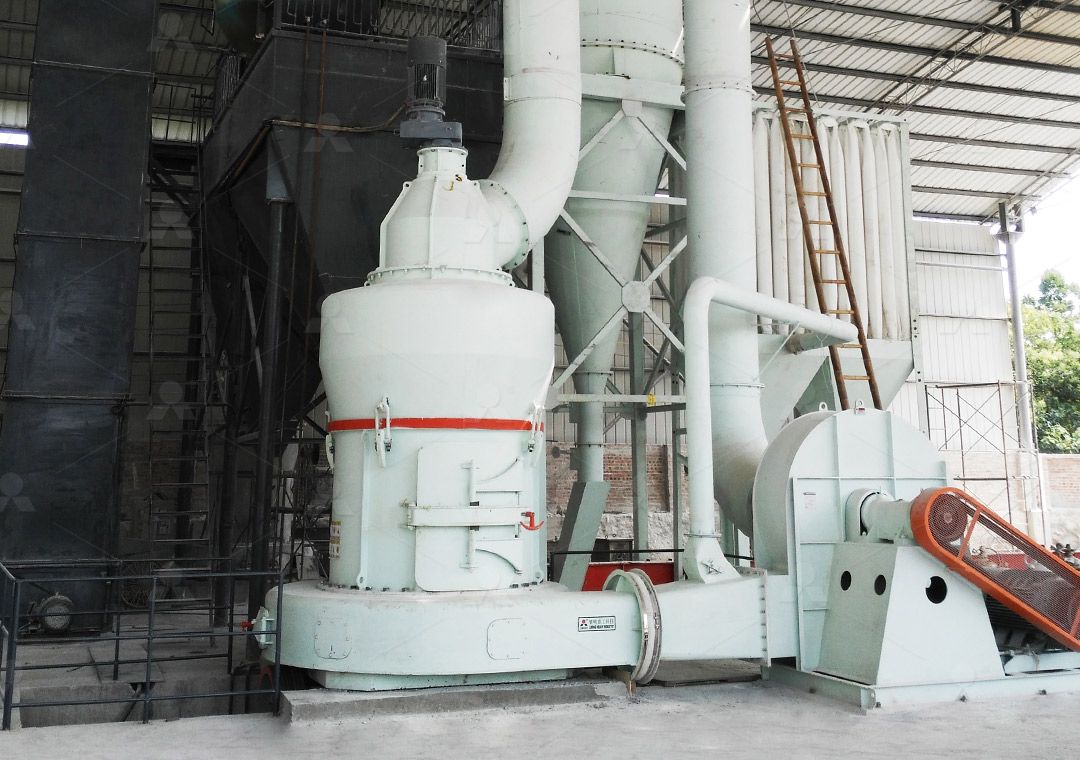
For larger-scale operations or those requiring different configurations, the LUM Ultrafine Vertical Grinding Mill presents another excellent option. With input size of 0-10 mm and capacity of 5-18 tph, it incorporates advanced German powder separating technology and Taiwanese roller technology. Its reversible structure simplifies maintenance—a valuable feature when technical expertise may be limited locally. The double position-limiting technology provides operational stability even with variable feed materials, while the multi-head powder separating system reduces energy consumption by 30-50% compared to conventional mills.
Implementation Considerations for Papua New Guinea
Successful implementation of optimized grinding systems in Papua New Guinea requires attention to several practical considerations:
- Site-specific adaptation: Equipment should be configured for local power characteristics, available space, and climate conditions
- Technical training: Investing in operator and maintenance training ensures optimal performance and longevity
- Supply chain planning: Establishing reliable channels for consumables and spare parts minimizes downtime
- Quality control integration: Implementing testing protocols that align with target market requirements
- Environmental management: Going beyond compliance to demonstrate environmental stewardship
Economic and Market Implications
By adopting advanced grinding technology, Papua New Guinea producers can transform quicklime from a commodity material into high-value calcium compounds. The ability to consistently produce powders with specific particle characteristics opens doors to premium markets in Asia-Pacific and beyond. With proper optimization, operations can achieve not only better products but also reduced operating costs, improved reliability, and enhanced environmental performance—creating competitive advantages in an increasingly demanding global market.
Frequently Asked Questions
1. What is the optimal feed size for quicklime grinding in the MW Ultrafine Grinding Mill?
The MW mill accepts feed sizes up to 20 mm, but for optimal efficiency and product consistency, we recommend pre-crushing to 5-10 mm. This reduces wear on grinding components and ensures more uniform residence time in the milling chamber.
2. How does the MW mill handle Papua New Guinea’s high humidity conditions?
The system can be configured with integrated drying capabilities or paired with pre-drying equipment. The closed-circuit design minimizes moisture absorption during grinding, and the pulse dust collector effectively manages any moisture-related dust agglomeration issues.
3. What maintenance requirements should we anticipate in remote PNG locations?
The MW mill’s design significantly reduces maintenance needs. Without rolling bearings in the grinding chamber and with external lubrication points, routine maintenance is simplified. We recommend quarterly inspections of wear parts and annual comprehensive checks, with most components accessible without specialized tools.
4. Can the same mill process different calcium compounds?
Yes, with proper cleaning between batches. The MW mill effectively processes quicklime (calcium oxide), hydrated lime (calcium hydroxide), and limestone (calcium carbonate). The adjustable separator allows quick changes to product fineness for different applications.
5. What power requirements are needed for a 10 tph installation?
A typical 10 tph MW mill installation requires approximately 200-250 kW, depending on product fineness. The system includes soft-start capabilities to manage power surges common in some PNG grid connections.
6. How does the mill ensure consistent product quality with variable feed material?
The combination of advanced separator technology with automatic control systems maintains consistent particle size distribution even with some feed variation. For significant quality differences in raw material, we recommend implementing pre-blending or feed homogenization systems.
7. What dust control measures are integrated into the system?
The MW mill includes a high-efficiency pulse jet dust collector with 99.9%+ efficiency. The entire system operates under negative pressure, preventing dust escape. Additional silencers reduce operational noise to meet international standards.
8. How long does installation typically take in PNG conditions?
With proper site preparation, installation of a complete MW mill system typically requires 4-6 weeks. This includes foundation work, mechanical installation, electrical connection, and commissioning. We provide comprehensive installation supervision and startup assistance.
9. What technical support is available locally in Papua New Guinea?
We maintain technical support partnerships in the region with regular service visits available. Remote diagnostic capabilities allow for quick troubleshooting, and critical spare parts can be stocked locally based on operational assessments.