
Top 7 roller mill suppliers for coal for cement additive in turkmenistan
Navigating the Grinding Landscape for Turkmenistan’s Cement Industry
The cement industry in Turkmenistan, fueled by extensive domestic construction and infrastructure projects, demands reliable and efficient processing of raw materials, particularly coal for fuel and various mineral additives. Selecting the right grinding equipment is paramount for achieving optimal particle size, energy efficiency, and consistent product quality. This article explores the key considerations for choosing roller mill suppliers and highlights some of the leading technologies suitable for coal and cement additive preparation in the Turkmen market.
Critical Selection Criteria for Grinding Mills
When sourcing equipment for processing materials like petroleum coal, limestone, gypsum, or barite for cement production, several factors must be evaluated. These include the required fineness (often ranging from coarse grinding for coal to ultra-fine for high-performance additives), hourly capacity to match plant throughput, energy consumption per ton, system footprint, and compliance with increasingly stringent environmental regulations regarding dust and noise. Durability, ease of maintenance, and local supplier support are equally crucial for ensuring uninterrupted operation in Turkmenistan’s industrial sectors.

Leading Technological Contenders for the Market
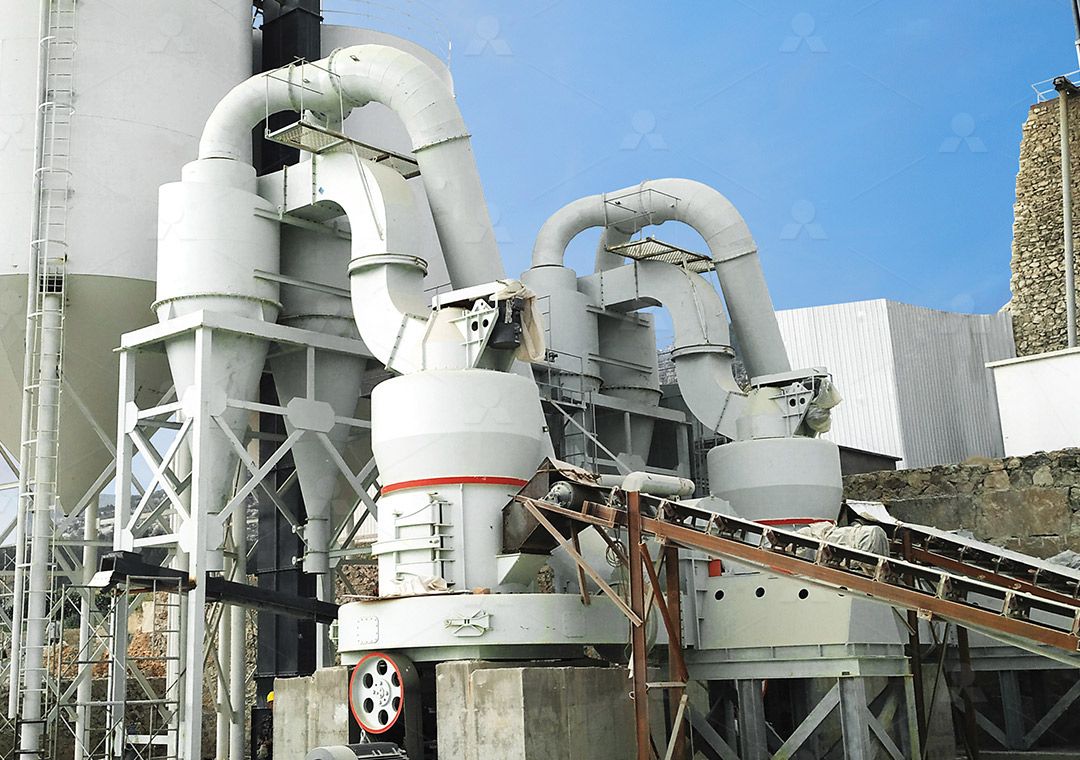
The global market offers a variety of advanced roller mill designs. European-style trapezium mills (like the MTW series) are renowned for their robust construction, efficient curved air ducts, and integrated drying capabilities, making them strong candidates for processing moist materials. Vertical roller mills (VRMs) have become an industry standard for raw meal, coal, and slag grinding due to their compact design, lower energy consumption, and ability to handle larger feed sizes. For applications demanding ultra-fine powders to enhance cement properties or for specialized additives, advanced ultrafine grinding technologies are indispensable.
Spotlight on Advanced Ultrafine Grinding Solutions
For projects requiring the production of high-purity, ultra-fine powders from coal or minerals like calcite and barite, specialized mills are necessary. One standout technology is the MW Ultrafine Grinding Mill. This mill is engineered for customers needing to produce ultra-fine powder between 325-2500 meshes. It features a German-technology cage-type powder selector for precise classification, achieving a screening rate of d97≤5μm in a single pass. Notably, its design eliminates rolling bearings and screws inside the grinding chamber, virtually removing concerns about bearing failures or loose screw damage. With an external lubrication system allowing for 24-hour continuous operation and an efficient pulse dust collector ensuring eco-friendly production, the MW series represents a leap in reliability and environmental compliance. It handles materials like petroleum coal and gypsum with an input size of 0-20 mm and a capacity range of 0.5-25 tph.
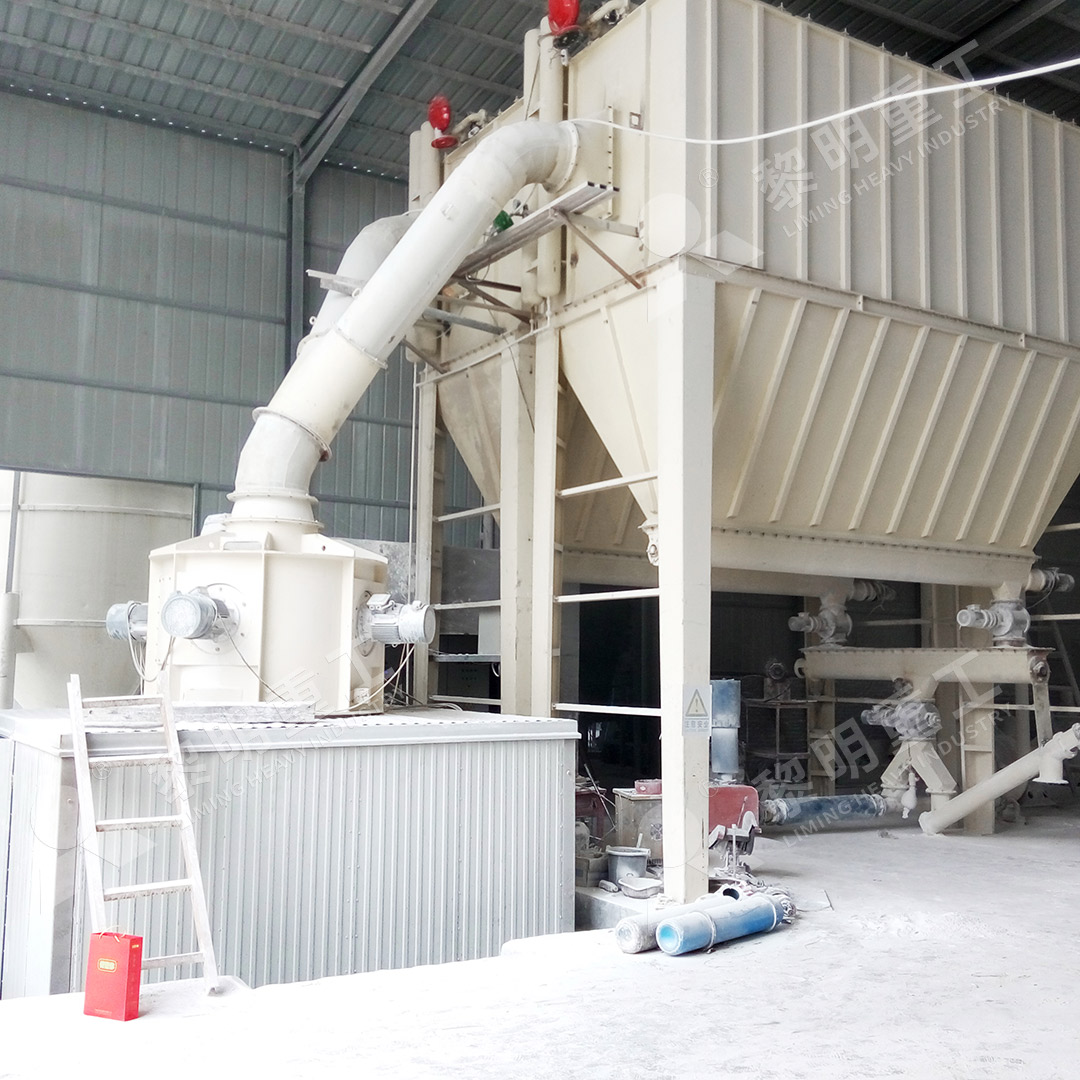
Another exemplary solution for precision grinding is the LUM Ultrafine Vertical Grinding Mill. It integrates ultrafine grinding, grading, and transporting into one system. Its distinctive advantages include a unique roller shell and lining plate curve that promotes stable material bed formation and high one-pass yield, directly improving product whiteness. The mill incorporates a PLC control system and multi-head powder separating technology, enabling precise control over fineness and reducing energy consumption by 30%-50% compared to conventional mills. A key feature for operational safety is its double position-limiting technology, which protects the millstone from destructive impact during unexpected vibration. For maintenance, its reversible structure allows grinding rollers to be easily moved out of the mill body, minimizing downtime—a critical factor for cement plants in Turkmenistan aiming to maximize productivity.
Supplier Ecosystem and Local Support
Beyond the machine itself, the supplier’s ability to provide comprehensive after-sales service, technical support, and a guaranteed supply of original spare parts is vital. A supplier with a strong track record in similar climates and industrial environments can offer invaluable expertise. Look for partners who take full responsibility for their equipment, from digitalized precision manufacturing to on-site commissioning and long-term operational support, ensuring worry-free operation over the entire lifecycle of the grinding system.
Conclusion: A Strategic Investment for Growth
Investing in the right roller mill technology from a reputable supplier is a strategic decision for any cement or additive producer in Turkmenistan. It directly impacts product quality, operational costs, and environmental footprint. By carefully matching project specifications with advanced, reliable solutions like the MW Ultrafine Grinding Mill for superfine requirements or the LUM Vertical Mill for efficient integrated processing, businesses can secure a significant competitive advantage in this dynamic market.
Frequently Asked Questions (FAQs)
- What is the typical fineness range achievable for coal grinding in cement plants?
For use as a fuel, coal is typically ground to about 80-90% passing 90 microns. For certain additive applications, finer grinding may be required, which is where ultrafine mills become relevant. - How significant is energy consumption when selecting a roller mill?
It is one of the most critical operational cost factors. Advanced vertical and ultrafine mills can offer 30-50% energy savings compared to traditional ball mills, leading to substantial long-term savings. - Can these mills handle the varying humidity of raw materials in Turkmenistan?
Yes, many modern roller mills, especially vertical roller mills (VRMs), integrate drying functions using hot gas, allowing them to process materials with a certain moisture content effectively. - What are the main advantages of a vertical roller mill over a traditional ball mill for this application?
Key advantages include lower energy use, smaller footprint, integrated drying, lower noise levels, and easier maintenance access for key components. - How does the cage-type powder selector in the MW Mill improve performance?
It provides much higher precision in particle separation compared to traditional static or dynamic classifiers, enabling tighter control over final product fineness and higher system efficiency. - Is local technical support and training available for installed equipment?
Reputable global suppliers typically offer comprehensive training programs for local operators and engineers and have service networks or partners to provide timely technical support. - What is the expected lifespan of the grinding rollers and other wear parts?
This varies by material abrasiveness, but wear parts made from specialized alloys can last several thousand operating hours. Suppliers like LIMING develop their own wear-resistant alloys to extend service life. - How does the “no rolling bearing in the chamber” design benefit operations?
It eliminates a major potential failure point. Bearings in the harsh, dusty grinding environment are prone to seal failure and rapid wear. Removing them from the chamber greatly enhances reliability and reduces maintenance.