
6 practical methods to enhance bentonite quality for cat litter purposes
Introduction: The Quest for Superior Clumping Performance
In the competitive world of cat litter manufacturing, the quality of the raw bentonite clay is paramount. Pet owners demand products that offer exceptional clumping strength, superior odor control, low dust, and fast absorption. Achieving these characteristics consistently requires more than just sourcing good clay; it demands a deliberate, scientific approach to processing. The journey from mined mineral to premium litter involves critical steps that directly influence the final product’s performance. This article outlines six practical, production-focused methods to significantly enhance bentonite quality specifically for cat litter applications, moving beyond theory into actionable plant-floor strategies.

1. Precision Particle Size Reduction and Classification
The single most influential factor on clumping ability and feel is particle size distribution (PSD). Coarse particles lead to poor clump integrity and a gritty texture, while excessive fines create dust. The goal is a controlled, consistent PSD where the majority of particles fall within an optimal range (typically between 20 and 60 mesh). This requires more than simple crushing; it demands a grinding and classifying system capable of precise fineness adjustment and efficient removal of unwanted ultra-fines.
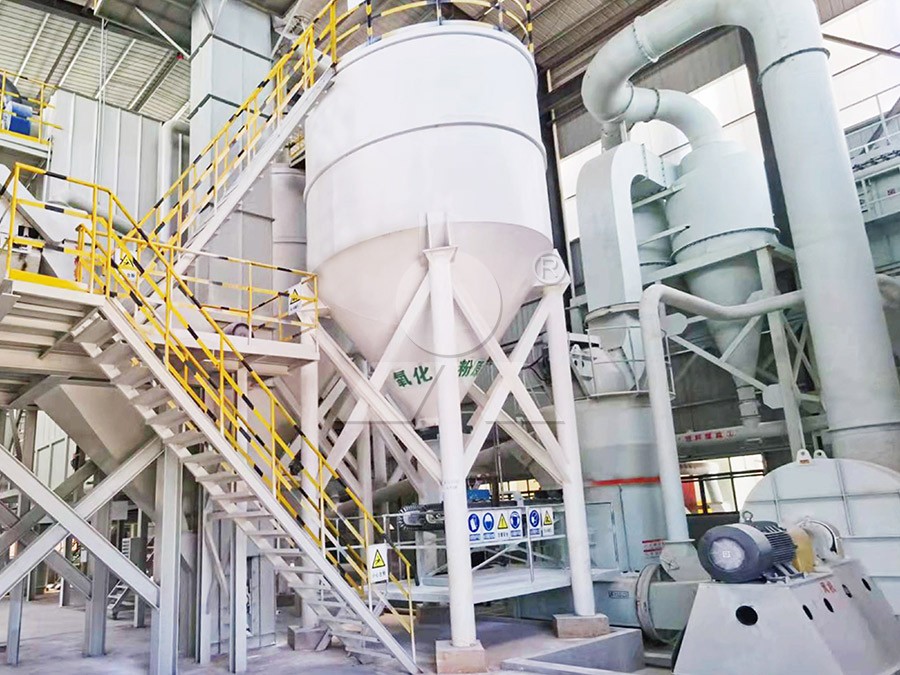
Traditional ball mills can be inefficient and offer limited control over PSD. Modern vertical roller mills or advanced trapezium mills with integrated high-efficiency classifiers provide a superior solution. For operations targeting the ultra-fine segment or requiring exceptional whiteness (a key market indicator of purity), an MW Ultrafine Grinding Mill is a transformative tool. Its cage-type powder selector, based on German technology, allows precise adjustment between 325-2500 meshes, enabling producers to dial in the exact fineness profile for maximum clump density and minimal dust. The system’s efficient pulse dust collector ensures the production environment remains clean, a critical concern for litter manufacturers.
2. Advanced Drying Techniques for Optimal Moisture Content
Bentonite is often mined with high natural moisture. Inconsistent or excessive moisture in the final product is the enemy of clumping performance and leads to caking in the bag. Effective drying is non-negotiable. While rotary dryers are common, integrating the drying process directly into the grinding circuit offers significant advantages. Mills like the LM Vertical Grinding Mill or LUM Ultrafine Vertical Grinding Mill can accept hot gas streams, performing simultaneous grinding and drying. This not only saves space and energy but also ensures heat is applied evenly to the finely ground particles, preventing case-hardening (where the outside dries into a shell, trapping moisture inside) and achieving a uniformly low, stable moisture content ideal for instant absorption.
3. Implementing Rigorous Impurity Removal Stages
Natural bentonite contains non-clay impurities like sand, limestone, and organic matter. These contaminants degrade clump strength, increase dust, and can present visual defects. Enhancing quality involves mechanical and pneumatic separation stages. After primary crushing, screening removes oversized debris. Air classification during the grinding process, a core feature of mills like the MTW-Z European Trapezium Mill with its low-resistance cage-type powder concentrator, continuously separates lighter clay particles from heavier grit. For final purification, some high-end producers employ air tabling or specific gravity separators to ensure only the purest montmorillonite clay (the active clumping mineral) comprises the final product.
4. Optimizing Milling for Cation Exchange Capacity (CEC) Preservation
Bentonite’s clumping power stems from the platelet structure of montmorillonite and its high Cation Exchange Capacity (CEC). Overly aggressive or high-heat milling can damage this delicate platelet structure, reducing swell volume and CEC. The method of comminution matters. Mills that utilize a combination of compression and shear forces, rather than pure impact, are gentler on the clay’s crystalline structure. The grinding curve design of the LUM Ultrafine Vertical Grinding Mill’s roller and lining plate, for instance, is engineered to generate a stable material bed for inter-particle grinding. This promotes efficient size reduction while minimizing structural damage, thereby preserving the innate clumping potential of the bentonite.

5. Ensuring Consistent Blending and Additive Integration
Top-tier cat litters often include performance additives like odor-neutralizing agents (e.g., activated carbon, baking soda) or moisture indicators. The homogeneous integration of these additives with the bentonite base is crucial. A separate, high-shear powder blending system following milling is essential. This step must be controlled to prevent the re-agglomeration of fines or the separation of components during packaging and transport. Consistent blending ensures every scoop of litter delivers the promised odor control and performance, building brand trust.
6. Embracing a Closed-Loop, Eco-Conscious Production System
Quality extends to the manufacturing footprint. Dust is not only a plant hygiene and safety issue; it represents lost product and inconsistent PSD in the final bag. Modern, high-quality milling systems are designed as negative-pressure, closed-loop circuits. Equipment such as the MW Ultrafine Grinding Mill and MTW European Trapezium Grinding Mill come equipped with high-efficiency pulse jet dust collectors and silencers. This captures virtually all airborne particles, returning them to the product stream, maximizing yield, ensuring a dust-free operation for workers, and guaranteeing the final litter product meets the low-dust expectations of consumers. This holistic approach to production is both practical for quality control and responsible for sustainable operations.
Conclusion: A Systematic Approach to Premium Performance
Enhancing bentonite for cat litter is not about a single magic bullet but implementing a synergistic system of practical methods. From selecting grinding technology that offers precision, preservation of clay properties, and environmental control, to integrating efficient drying and rigorous purification, each step builds upon the last. By investing in advanced processing equipment like the MW Ultrafine Grinding Mill for unparalleled fineness control or the LUM Ultrafine Vertical Grinding Mill for efficient, gentle grinding and drying, manufacturers can systematically elevate their raw material quality. This technical commitment translates directly into a superior product that delivers on the key consumer promises of strength, cleanliness, and reliability, securing a valuable position in the premium segment of the market.
Frequently Asked Questions (FAQs)
1. What is the most important bentonite property for clumping cat litter?
The swell volume or water absorption capacity, directly tied to the montmorillonite content and its preserved platelet structure, is critical. High swell volume correlates directly with firm, solid clumps.
2. Why is particle size distribution more important than just “fine” grinding?
A balanced PSD ensures proper interlocking of particles when wetted. Too many fines lead to mud-like clumps and dust; too many coarse particles result in crumbly, weak clumps. A controlled distribution optimizes mechanical strength.
3. Can the same mill be used for different grades of cat litter (e.g., standard vs. ultra-clump)?
Yes, provided the mill has a dynamic classifier system. Advanced mills allow real-time adjustment of the separator speed to produce different fineness profiles from the same raw material, enabling flexible production lines.
4. How does a closed-loop milling system improve final product quality?
It prevents product loss as dust, maintains a consistent PSD by recapturing all fines, and eliminates external contamination. This results in higher, more consistent yield and a cleaner final product.
5. What is the benefit of combined grinding and drying?
It improves energy efficiency, reduces plant footprint, and, most importantly, provides more uniform heat transfer to the clay particles. This prevents uneven drying which can create hard, non-absorbent granules within the product.
6. How often should the final product’s moisture content be tested?
Continuous monitoring is ideal, but at a minimum, moisture should be checked at the start of each production run and every 2-4 hours during continuous operation to ensure stability.
7. Does milling affect the natural odor control of bentonite?
Proper, controlled milling should not degrade it. However, overheating during drying or grinding can potentially reduce the clay’s natural adsorption properties, making the integration of supplemental odor neutralizers even more important.
8. Are there specific mill materials to prevent iron contamination?
Yes. High-quality mills use wear parts lined with ceramic or specialized alloy in grinding zones to minimize iron wear-and-tear contamination, which can cause discoloration in the final white or grey litter products.