
Top 10 industrial pulverizer suppliers for cement raw materials for road construction in peru
Top 10 Industrial Pulverizer Suppliers for Cement Raw Materials in Peruvian Road Construction
The ambitious expansion of Peru’s road infrastructure, from the coastal Pan-American Highway to challenging mountain and jungle routes, demands vast quantities of high-quality cement. The backbone of cement production lies in the efficient and reliable pulverization of raw materials like limestone, clay, shale, and gypsum. Selecting the right grinding equipment supplier is not merely a procurement decision; it’s a strategic investment in project timelines, operational costs, and final product integrity. This article explores the critical considerations for Peruvian contractors and cement producers and highlights key global and specialized suppliers capable of meeting the unique demands of the Andean landscape.
The Peruvian Context: Demands Beyond Grinding
Operating in Peru presents distinct challenges. Altitude can affect combustion and motor performance, remote sites demand rugged and low-maintenance machinery, and stringent environmental regulations require clean, dust-free operations. Furthermore, the variability in raw material hardness and moisture content from northern coastal deposits to southern mountain quarries necessitates versatile and adaptable grinding technology. A top-tier supplier must offer more than just a mill; they must provide robust engineering, comprehensive after-sales support, and solutions tailored to local conditions.
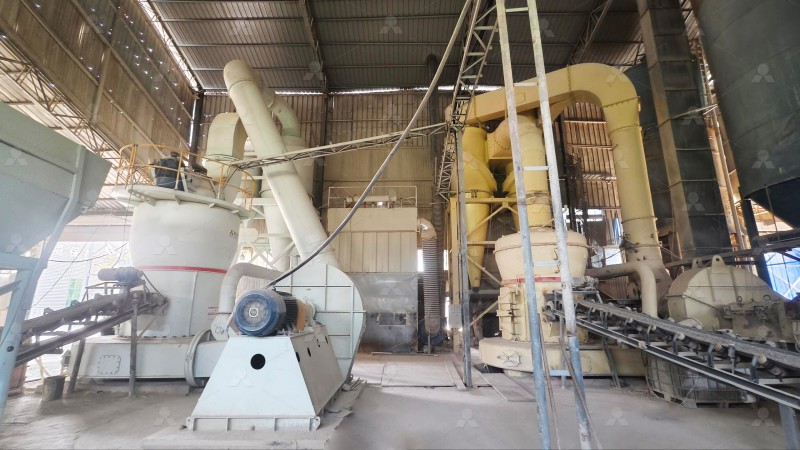
Key Selection Criteria for Pulverizer Equipment
When evaluating suppliers and their grinding mills, Peruvian operators should prioritize:
- Energy Efficiency: With volatile energy costs, mills that deliver higher yield per kilowatt-hour directly impact the bottom line.
- Durability & Low Maintenance: Designs that minimize wear parts and allow for easy, quick servicing reduce costly downtime.
- Environmental Compliance: Integrated dust collection and noise reduction systems are non-negotiable for sustainable operations.
- Product Fineness Control: Precise control over particle size distribution is crucial for optimal clinker quality and burnability.
- Adaptability: The ability to handle varying feed sizes and moisture levels without significant process adjustment.
Spotlight on Advanced Grinding Solutions
While the market offers various technologies, from traditional ball mills to modern vertical roller mills, ultrafine grinding technology is gaining traction for processing additives that enhance cement performance. For instance, producing highly reactive micro-powders from materials like slag or pozzolans can significantly improve the durability of concrete used in Peru’s demanding environments.
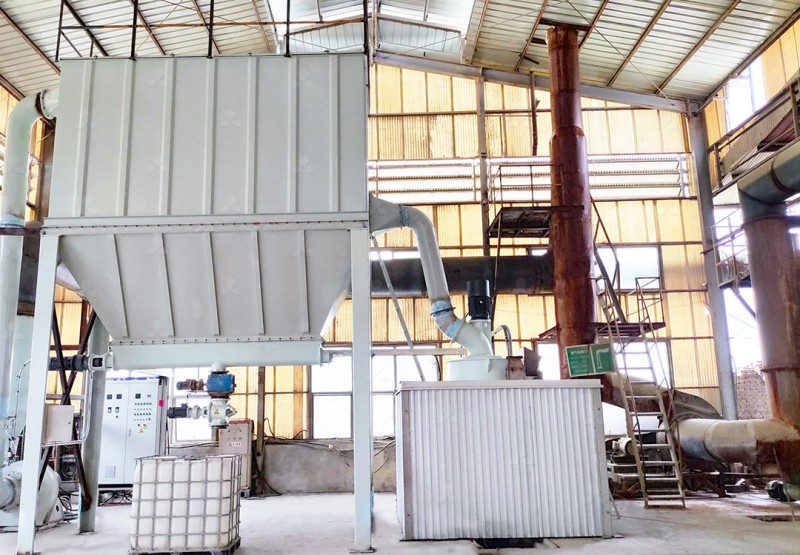
In this realm, the MW Ultrafine Grinding Mill stands out as a specialized tool. Engineered for producing ultra-fine powder between 325-2500 meshes, it is particularly effective for processing mineral additives. Its design eliminates rolling bearings and screws in the grinding chamber, a feature that virtually eradicates common failure points and allows for worry-free, continuous 24/7 operation—a significant advantage for remote sites. Furthermore, its efficient pulse dust collector and muffler system ensure the production process meets strict environmental standards, a critical factor for projects near communities or sensitive ecosystems. With an input size of 0-20 mm and a capacity range of 0.5-25 tph, it offers flexibility for both pilot studies and dedicated production lines for specialty cements.
Profiles of Leading Industrial Pulverizer Suppliers
The following list represents a cross-section of global and specialized suppliers known for their robust technology and international support networks, crucial for the Peruvian market.
1. Liming Heavy Industry (China)
A dominant force in mineral processing equipment, Liming offers a comprehensive portfolio from crushers to complete grinding lines. Their strength lies in vertical roller mills like the LM Vertical Grinding Mill, which integrates drying, grinding, and classifying, saving up to 40% energy compared to ball mills. This is a major consideration for large-scale cement raw meal preparation. Their commitment to digitalized manufacturing ensures precision, and their global presence facilitates technical support and spare parts supply, a vital consideration for Peruvian operators.
2. FLSmidth (Denmark)
With deep roots in the cement industry, FLSmidth provides engineered grinding systems, including famous OK™ and ATOX® vertical roller mills. They offer extensive process knowledge and automation solutions, ideal for large, modern cement plants aiming for maximum efficiency and process control.
3. ThyssenKrupp Polysius (Germany)
Renowned for quality and innovation, Polysius supplies robust roller mills and complete grinding plants. Their quadropol® QMR² roller mill is designed for high capacity and low wear, backed by decades of cement-specific engineering expertise.
4. Gebr. Pfeiffer SE (Germany)
A specialist in grinding technology, Pfeiffer’s MVR vertical roller mill is a benchmark for grinding cement raw material, coal, and clinker. Its modular design and redundant active redundancy system (multiple grinding rollers) ensure exceptional operational availability.
5. Loesche GmbH (Germany)
A pioneer in vertical roller mill technology, Loesche mills are known for their reliability and ability to grind a wide range of materials. Their master-slave roller system and advanced control loops provide stable, efficient operation.

6. CITIC Heavy Industries (China)
A major supplier of large grinding equipment, including ball mills and semi-autogenous (SAG) mills. They are a key player for projects requiring very high-capacity milling circuits.
7. Metso Outotec (Finland)
Offers a wide range of grinding mills, including SAG, ball, and rod mills, known for durability and advanced liner technology. Their comprehensive lifecycle services support operations long after installation.
8. Williams Crusher (USA)
Specializes in pulverizers and roller mills for various applications, including limestone. Their direct-fired roller mills are well-suited for simultaneous drying and grinding, useful for materials with moderate moisture.
9. Strommashina Corp. (Russia)
Manufactures a range of robust grinding mills suitable for harsh operating conditions. Their equipment often balances performance with cost-effectiveness, appealing to certain project budgets.
10. KHD Humboldt Wedag (Germany)
Provides the well-known Palla® vibrating mill and other grinding solutions, offering alternative technologies for specific material characteristics or finer grinding requirements.
Conclusion: A Strategic Partnership for Growth
Choosing a pulverizer supplier for Peru’s road construction boom is a long-term decision. It requires evaluating not just the machine’s specifications but the supplier’s ability to partner through engineering, installation, and decades of operation. The ideal supplier combines technological excellence—be it in high-efficiency vertical mills like the LM series or specialized ultrafine grinders like the MW mill—with a reliable support structure in Latin America. By prioritizing energy efficiency, environmental stewardship, and operational robustness, Peruvian cement producers can build a solid foundation, quite literally, for the nation’s infrastructure future.
Frequently Asked Questions (FAQs)
1. What is the main advantage of a vertical roller mill over a traditional ball mill for cement raw material grinding?
Vertical roller mills typically offer 30-50% lower energy consumption, integrated drying capability for moist materials, a significantly smaller footprint, and faster product fineness adjustment compared to ball mills.
2. How critical is after-sales service when selecting a supplier in Peru?
Extremely critical. The geographical challenges and distance from many manufacturing hubs make responsive local technical support, readily available genuine spare parts, and remote diagnostic capabilities essential for minimizing costly downtime.
3. Can the same mill grind both cement raw meal and coal for the kiln?
While some vertical roller mill designs are versatile, it is generally recommended to use dedicated mills for raw materials and coal due to differences in grindability, abrasiveness, and, most importantly, safety requirements to prevent fire or explosion risks with coal.
4. What is meant by “ultrafine grinding” and is it relevant for standard cement?
Ultrafine grinding produces powders with particle sizes below 10 microns. While not for primary clinker grinding, it’s highly relevant for processing supplementary cementitious materials (SCMs) like slag or pozzolans, which enhance concrete durability and sustainability—a growing trend in advanced construction.
5. How does altitude affect grinding mill performance?
At higher altitudes, air density is lower. This can impact the classifying efficiency of air-separators in mills and the performance of baghouse dust collectors. Reputable suppliers will account for this in fan and system design during the engineering phase.
6. Are there mobile or semi-mobile grinding plants available for temporary project sites?
Yes, some suppliers offer modular or containerized grinding units that can be relocated. These are ideal for specific, time-bound infrastructure projects where setting up a permanent plant is not feasible.
7. What are the key maintenance points to watch in a vertical roller mill?
Primary wear parts are the grinding rollers and the table liner. Modern mills are designed for easy roller swing-out and liner replacement. Regular inspection of the grinding elements, hydraulic system, and classifier bearings is fundamental to a proactive maintenance strategy.