
How clay enhances performance in cosmetics process
How Clay Enhances Performance in Cosmetics Processing
In the realm of cosmetic formulation, natural minerals have long been prized for their unique functional properties. Among these, clay stands out as a versatile and multifaceted ingredient, transforming products from simple colorants to high-performance skincare and makeup essentials. The journey from raw mineral to cosmetic-grade powder, however, is a critical process where performance is either unlocked or lost. The key lies in achieving an ultra-fine, consistent particle size through advanced grinding technology.
The Multifunctional Role of Clay in Cosmetics
Clays such as kaolin, bentonite, talc, and illite are not mere fillers. Their plate-like structure and charged surfaces confer a range of benefits. In foundations and powders, finely milled clay provides smooth application, reduces shine through oil absorption, and improves wear time. In masks and cleansers, its absorbency and gentle exfoliation help purify and refine skin texture. The efficacy of these properties is directly proportional to the fineness and purity of the clay particles. Coarse particles can feel gritty on the skin, reduce blendability, and even cause irritation, whereas ultrafine particles deliver a silky, luxurious feel and uniform coverage.
The Critical Link: Grinding Technology and Cosmetic Quality
Producing cosmetic-grade clay powder demands more than just pulverization; it requires precision engineering. The ideal mill must deliver a tightly controlled particle size distribution (often targeting d97 ≤ 5μm), maintain the mineral’s inherent structure to preserve its functionality, and operate with impeccable hygiene to prevent contamination. Furthermore, energy efficiency and environmental controls are non-negotiable in modern, sustainable manufacturing.
Traditional grinding methods often fall short, generating excessive heat that can degrade the clay, introducing metallic contamination from wear parts, or failing to achieve the necessary fineness consistently. This is where advanced, purpose-built grinding mills make a transformative difference.
Engineered for Excellence: The MW Ultrafine Grinding Mill
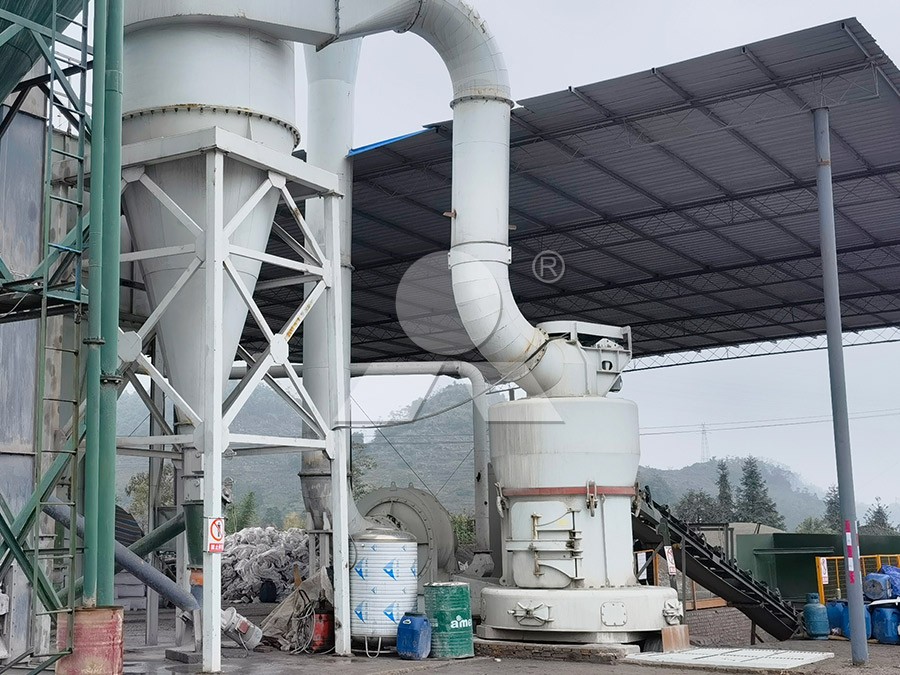
For cosmetic processors seeking to elevate their clay-based ingredients, the MW Ultrafine Grinding Mill presents a compelling solution. This system is specifically engineered for producing ultra-fine powders with the consistency and cleanliness required by the cosmetics industry.
Its design directly addresses the pain points of cosmetic mineral processing. The higher yielding, lower energy consumption is achieved through newly designed grinding curves, offering a 40% higher capacity than jet mills at the same power and fineness. For formulators, the ability to adjust fineness between 325-2500 meshes with a cage-type powder selector is invaluable, allowing customization for different product types—from a translucent setting powder to a more opaque foundation.

Perhaps most critically for product integrity, the mill’s chamber contains no rolling bearings or screws. This eliminates a primary source of potential lubricant contamination and machine-damaging loose parts, ensuring the clay output remains pure. The integration of an efficient pulse dust collector and muffler ensures the entire production process is clean, quiet, and eco-friendly, aligning with the high environmental standards of cosmetic GMP.
Beyond Clay: A Platform for Premium Ingredients
The principles that make the MW mill ideal for clay also apply to a suite of other cosmetic minerals. Mica for pearlescent effects, sericite for silkiness, calcium carbonate, and silica all benefit from this gentle, precise, and contaminant-free grinding process. The mill’s versatility, handling materials from limestone and calcite to talc and barite, makes it a central asset for any company producing or processing mineral-based cosmetic additives.
For operations requiring a different throughput or configuration, our LUM Ultrafine Vertical Grinding Mill offers another excellent option. Integrating the latest grinding roller and powder separating technology, the LUM mill provides exceptional energy savings (30%-50% less than common mills) and features a reversible structure for easier maintenance of grinding rollers. Its design emphasizes stable operation and high whiteness of finished products—a crucial factor for premium cosmetics.

Conclusion: The Foundation of Premium Cosmetics
The enhanced performance of clay in cosmetics is not an accident; it is the direct result of sophisticated processing technology. By investing in grinding equipment that prioritizes ultra-fine precision, purity, energy efficiency, and clean operation, brands can unlock the full potential of mineral ingredients. This translates to superior product feel, enhanced performance, and a stronger market position. In an industry where sensory experience is everything, the quality of the powder truly is the foundation of beauty.
Frequently Asked Questions (FAQs)
1. Why is particle size so important for clay in cosmetics?
Particle size dictates the sensory properties of the final product. Ultrafine particles provide a smooth, silky texture, eliminate grittiness, ensure even application and blendability, and improve the overall aesthetic and performance of powders, foundations, and masks.
2. Can the MW Ultrafine Grinding Mill prevent metallic contamination in my clay powder?
Yes. A key feature of the MW mill is the absence of rolling bearings and screws inside the grinding chamber. This design significantly reduces the risk of metallic wear debris contaminating the product, which is essential for maintaining purity and color in cosmetic-grade minerals.
3. What fineness range can be achieved for cosmetic applications?
The MW Ultrafine Grinding Mill is capable of adjusting product fineness between 325 and 2500 meshes. For most high-end cosmetic applications, a fineness level where 97% of particles are below 5 microns (d97 ≤ 5μm) is achievable and often targeted for a flawless finish.
4. How does the mill address environmental and noise concerns in a production facility?
The system is equipped with an efficient pulse dust collector that contains all particles, ensuring no dust pollution. It also incorporates a muffler and noise elimination technology to minimize operational noise, making it suitable for modern, compliant manufacturing plants.
5. Is this equipment only suitable for clay, or can it process other cosmetic minerals?
The MW and LUM mills are highly versatile. They are perfectly suited for a wide range of non-metallic minerals used in cosmetics, including talc, mica, calcite, sericite, baryte, and silica, allowing for consistent, high-quality processing of multiple raw materials on one platform.
6. What are the advantages of your mills over traditional ball mills for cosmetic ingredients?
Compared to ball mills, our ultrafine grinding mills offer higher energy efficiency, a narrower and more controllable particle size distribution, lower risk of contamination, and significantly less heat generation, which helps preserve the natural properties of sensitive mineral ingredients.