
Roller mill price & cost analysis for quicklime for calcium compound production in paraguay
Roller Mill Price & Cost Analysis for Quicklime in Calcium Compound Production: A Paraguay Market Perspective
The calcium compound industry in Paraguay, encompassing products like precipitated calcium carbonate (PCC), calcium hydroxide, and other derivatives, is a growing sector with significant ties to agriculture, construction, and chemical manufacturing. At the heart of this production chain lies the critical process of grinding quicklime (calcium oxide) into precise, reactive powders. Selecting the appropriate roller mill technology is not merely a capital expenditure decision; it is a strategic choice that defines long-term operational efficiency, product quality, and profitability. This analysis delves into the key cost factors and technological considerations for quicklime milling in the Paraguayan context.
Understanding the Quicklime Milling Challenge
Quicklime, produced by calcining limestone, is highly reactive and abrasive. Its subsequent grinding for calcium compound synthesis demands equipment that can handle these characteristics while achieving specific fineness (often ranging from 200 to 2500 meshes), maintaining low iron contamination, and ensuring consistent output. Traditional ball mills, while initially cheaper, often fall short on energy efficiency, produce broader particle size distributions, and incur higher maintenance costs due to wear from the abrasive material.
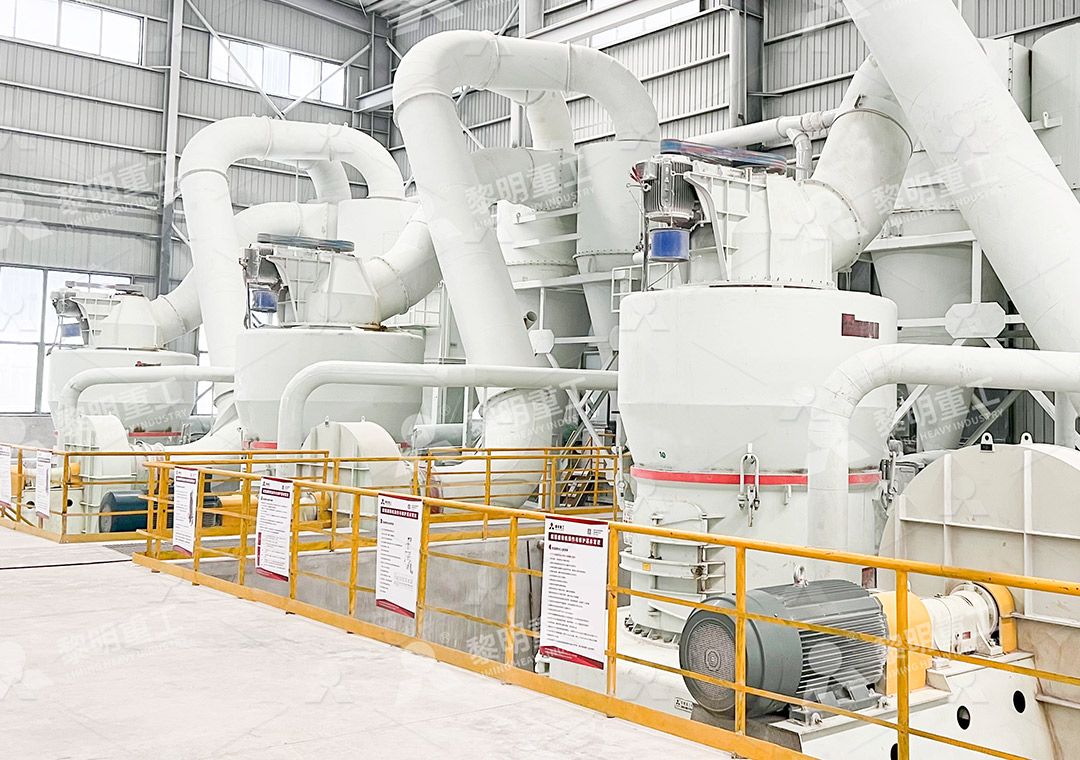
Modern roller mill technology, including vertical roller mills (VRM) and advanced trapezium mills, presents a compelling alternative. The primary cost components for any milling operation in Paraguay include:
- Capital Investment (CAPEX): The initial purchase price of the mill, auxiliary equipment (crushers, classifiers, dust collectors), and installation.
- Operational Cost (OPEX): Dominated by electrical power consumption, which can account for over 60% of the total grinding cost.
- Maintenance & Wear Parts: Costs associated with replacing grinding rollers, rings, liners, and other vulnerable components.
- Labor & Downtime: Expenses related to operational manpower and production losses during maintenance.
- Product Quality & Yield: Indirect costs linked to sub-optimal fineness, high residue, or iron contamination affecting downstream compound synthesis.
Technological Solutions for Cost Optimization
The market offers various roller mill designs, each with distinct advantages. For high-volume, coarse-to-medium fine grinding of quicklime, vertical roller mills like the LM Vertical Grinding Mill are highly effective. Their integrated drying-grinding-classifying system reduces the plant footprint and energy use by 30-40% compared to ball mills, a significant saving given Paraguay’s industrial electricity tariffs.
However, for producers targeting the high-value, ultra-fine calcium compound markets requiring powders from 325 to 2500 meshes, specialized ultra-fine grinding mills are indispensable. In this segment, the technological focus shifts to precision separation, minimal contamination, and energy efficiency at high fineness levels.
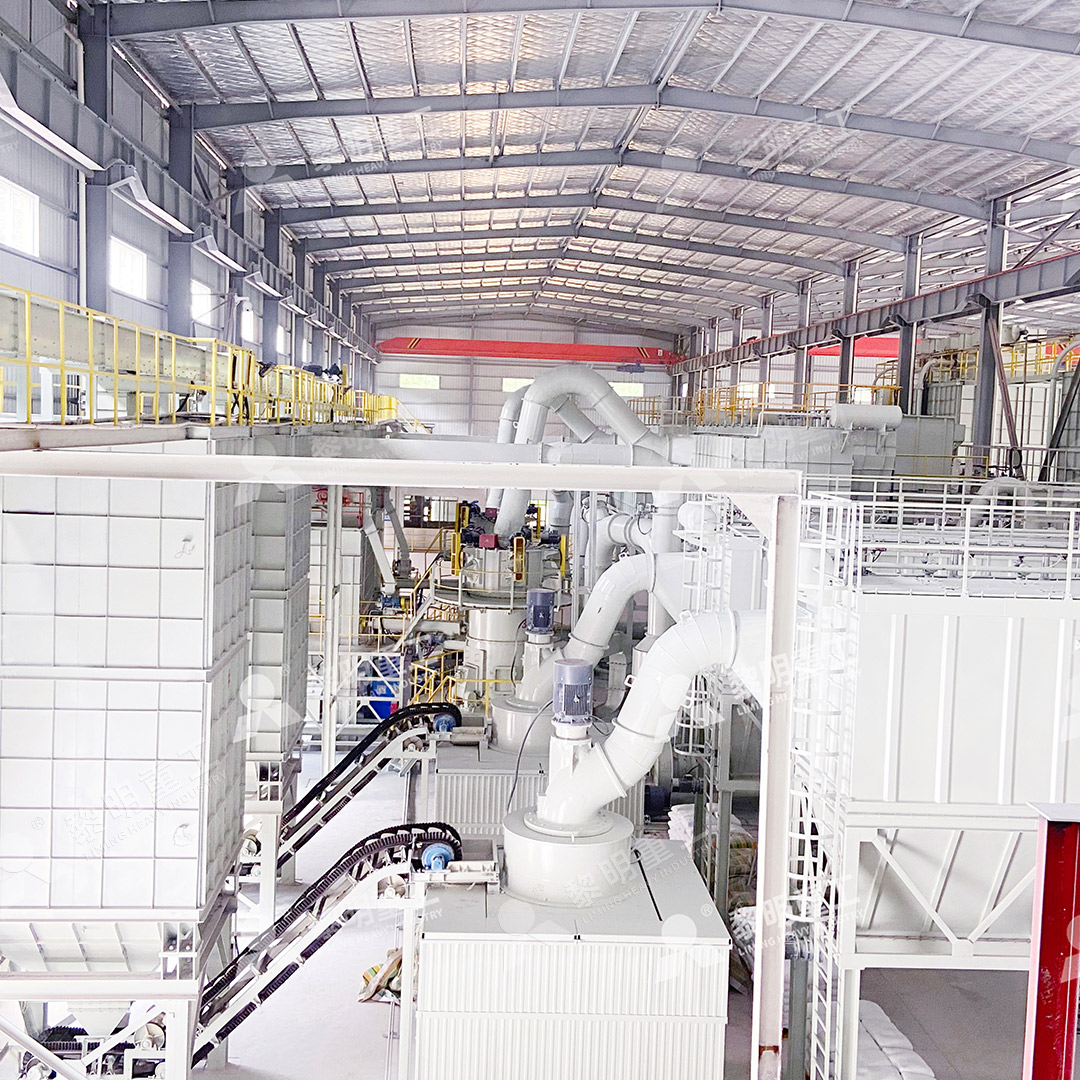
For such demanding applications, we highly recommend evaluating the MW Ultrafine Grinding Mill. This machine is engineered specifically for producing ultra-fine powder from materials like quicklime, calcite, and dolomite. Its design directly addresses the core cost drivers in Paraguay:
- Higher Yielding, Lower Energy Consumption: With uniquely designed grinding curves, the MW Mill offers a production capacity up to 40% higher than jet mills and double that of ball mills at the same power input, drastically reducing energy cost per ton.
- Adjustable Fineness (325-2500 meshes): Its advanced German-technology, cage-type powder selector allows precise control over final product fineness, ensuring the exact specification needed for high-grade calcium compounds like PCC.
- Reduced Maintenance & Worry-free Operation: A critical feature is the absence of rolling bearings and screws in the grinding chamber. This eliminates frequent failures associated with bearing seals and loose screws in abrasive environments. Combined with external lubrication that allows 24/7 operation, it minimizes unplanned downtime—a key factor for remote operations.
- Eco-friendly Compliance: Equipped with an efficient pulse dust collector and silencer, the system operates cleanly and quietly, meeting stringent environmental standards, which is increasingly important for sustainable industrial development in Paraguay.
Total Cost of Ownership Analysis for Paraguay
A smart investment decision looks beyond the invoice price. A mill with a 20-30% higher initial cost but offering 40% energy savings and 50% lower maintenance frequency will have a far superior Total Cost of Ownership (TCO) over a 5-10 year period. For a Paraguayan plant targeting 5-18 tph of ultra-fine quicklime powder, the LUM Ultrafine Vertical Grinding Mill also presents a formidable option. It integrates the latest grinding roller and powder separating technology, offering energy savings of 30-50% and featuring a reversible roller structure that simplifies maintenance—further cutting long-term OPEX and labor costs.
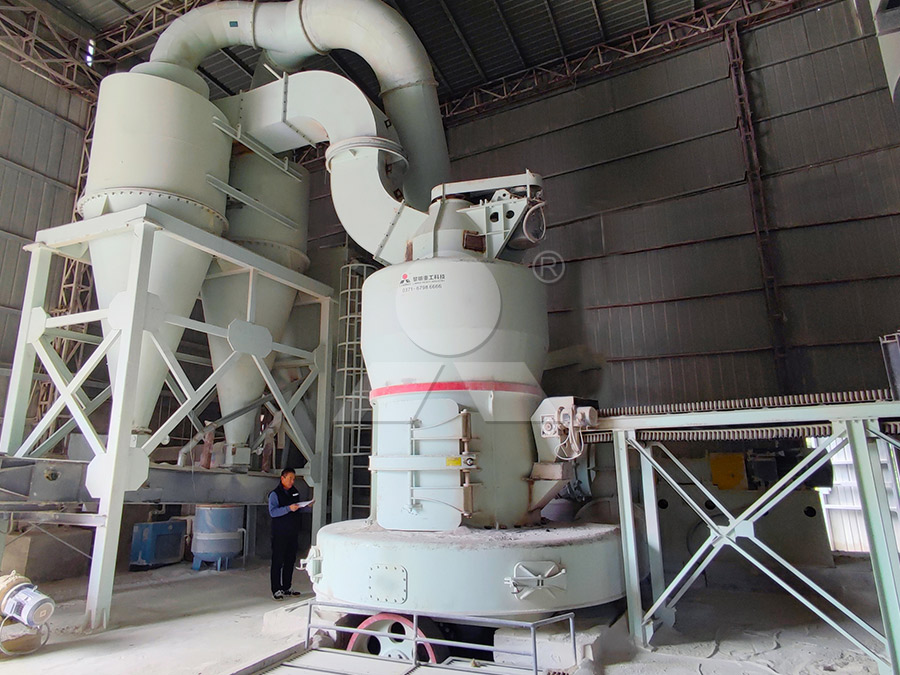
Local factors such as spare parts availability, technical support, and adaptation to local quicklime characteristics (moisture, hardness) are paramount. Partnering with a manufacturer that provides a sufficient supply of original spare parts and comprehensive technical services is crucial to ensure worry-free, continuous operation and protect your investment.
Conclusion
The choice of roller mill for quicklime grinding in Paraguay’s calcium compound industry is a balance between technical suitability and economic rationale. While initial price is a factor, the long-term operational costs—primarily energy and maintenance—are the true determinants of profitability. Advanced, purpose-built solutions like the MW Ultrafine Grinding Mill or the LUM Ultrafine Vertical Grinding Mill, with their emphasis on energy efficiency, high precision, and robust, low-maintenance design, offer a compelling TCO advantage. They enable Paraguayan producers to achieve the precise powder quality required for competitive calcium compounds while controlling the most significant cost variables, paving the way for sustainable growth in this vital sector.
Frequently Asked Questions (FAQs)
- What is the typical energy consumption difference between a ball mill and an MW Ultrafine Grinding Mill for quicklime?
The MW Mill can reduce system energy consumption by approximately 60-70% compared to a traditional ball mill producing the same fineness of quicklime powder, due to its more efficient grinding mechanism and integrated design. - How does the fineness adjustment work on your ultra-fine mills?
Fineness is precisely controlled through an advanced cage-type powder selector. By adjusting the speed of the classifier rotor, the cut-point for particle size is changed, allowing seamless adjustment between 325 and 2500 meshes without stopping production. - Are your mills suitable for the humidity levels sometimes found in Paraguayan quicklime?
Yes. Our vertical roller mills (LM series) and the LUM mill integrate a drying function with hot air, capable of handling materials with certain moisture content. For the MW Mill, we recommend a pre-drying step if the quicklime moisture is exceptionally high to achieve optimal ultra-fine grinding efficiency. - What is the lead time for critical wear parts like grinding rollers in Paraguay?
We maintain a global supply chain and regional stock for original spare parts. Lead times vary but are typically optimized to minimize downtime for our customers, with expedited shipping options available for critical components. - Can your mills achieve the low iron contamination required for high-purity calcium compounds?
Absolutely. Mills like the MW and LUM are designed so the grinding rollers do not make metal-to-metal contact with the ring/table. The grinding process minimizes mechanical wear, and the absence of screws/bearings in the chamber further reduces the risk of iron contamination, ensuring high product whiteness and purity. - Do you offer on-site installation and training services in Paraguay?
Yes, we provide comprehensive project support, including foundation drawing guidance, installation supervision, commissioning, and detailed operational training for local technicians to ensure optimal mill performance from day one. - How does the noise level of your mills compare to older equipment?
Our mills are equipped with advanced mufflers and noise reduction technologies. The MW Mill, for example, operates at significantly lower noise levels than traditional ball mills, contributing to a better and safer working environment, which is an important compliance aspect.