
How to Optimize Cement Clinker Processing with Industrial Pulverizer for Ready-Mix Factories in Pakistan
How to Optimize Cement Clinker Processing with Industrial Pulverizer for Ready-Mix Factories in Pakistan
The ready-mix concrete industry in Pakistan stands at a critical juncture, facing increasing demand for high-quality construction materials while navigating challenges related to energy costs, operational efficiency, and environmental compliance. At the heart of this transformation lies cement clinker processing—a stage where significant improvements can yield substantial benefits throughout the production chain. For factory managers and production engineers seeking competitive advantages, understanding how advanced pulverization technology can revolutionize their operations is no longer optional—it’s essential for survival in an increasingly competitive market.
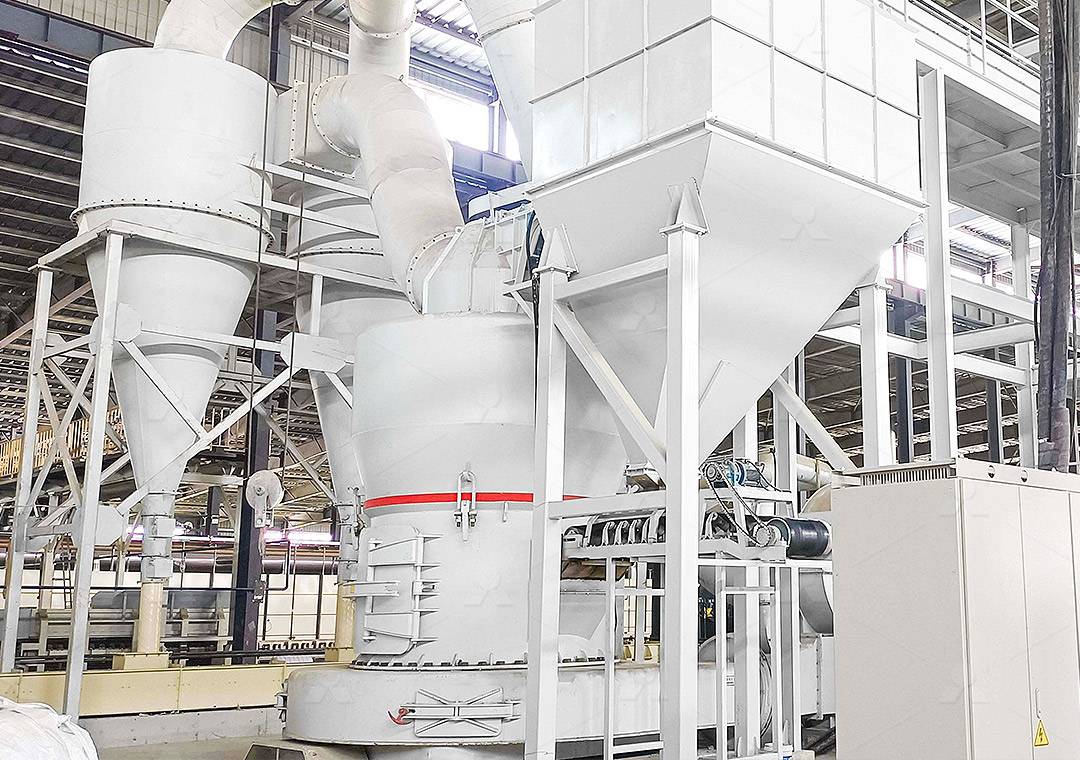
The Critical Role of Clinker Grinding in Ready-Mix Quality
Cement clinker, those distinctive marble-sized nodules produced during the cement kiln stage, represents the intermediate product before final cement production. The quality of clinker grinding directly impacts multiple aspects of ready-mix concrete: workability, setting time, strength development, and ultimately, the durability of constructed facilities. In Pakistan’s diverse climate conditions—from the scorching heat of Sindh to the variable temperatures in Punjab—consistent cement quality becomes particularly crucial.
Traditional grinding approaches often struggle with several limitations: excessive energy consumption, inconsistent particle size distribution, and significant heat generation that can negatively affect cement properties. These challenges become magnified in ready-mix applications where batch-to-batch consistency directly translates to structural reliability.
Advanced Pulverization Technology: Beyond Basic Grinding
Modern industrial pulverizers have evolved far beyond simple size reduction machines. Today’s advanced systems integrate multiple processes—drying, grinding, classifying, and conveying—into seamless operations that optimize every aspect of clinker processing. The technological advancements in grinding mechanics, airflow dynamics, and particle separation have created opportunities for ready-mix factories to achieve unprecedented levels of efficiency and product quality.
What sets contemporary pulverizers apart is their ability to precisely control particle size distribution—the key parameter determining cement performance. Narrow, optimized size ranges ensure complete hydration while minimizing water demand, directly contributing to stronger, more durable concrete structures. For Pakistani ready-mix producers serving critical infrastructure projects, this precision becomes a significant competitive differentiator.
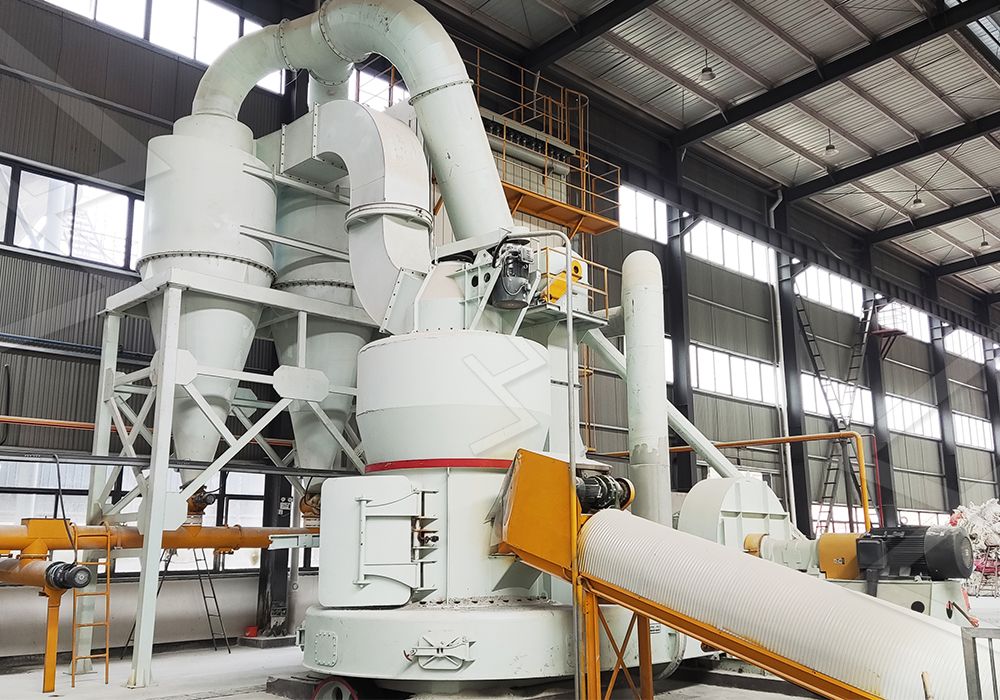
MW Ultrafine Grinding Mill: Revolutionizing Clinker Processing
For Pakistani ready-mix factories seeking to upgrade their clinker processing capabilities, the MW Ultrafine Grinding Mill represents a technological leap forward. This system addresses the specific challenges faced by cement producers through several innovative features:
With an input size capacity of 0-20 mm and throughput ranging from 0.5 to 25 tph, the MW Mill accommodates the production requirements of medium to large ready-mix operations. Its higher yielding, lower energy consumption design makes it particularly suitable for Pakistan’s energy landscape, where power costs significantly impact operational economics. The mill’s production capacity exceeds conventional systems by 40% while consuming only 30% of the energy required by jet grinding alternatives.
The adjustable fineness between 325-2500 meshes provides ready-mix producers with unprecedented control over cement properties. This flexibility allows factories to tailor their products to specific application requirements—from standard construction concrete to specialized high-performance mixes. The German-technology cage-type powder selector ensures precise separation, achieving screening rates of d97≤5μm in a single pass.
From a maintenance perspective, the MW Mill’s design eliminates rolling bearings and screws within the grinding chamber, addressing a common failure point in traditional systems. The external lubrication system enables continuous 24-hour operation—a critical feature for meeting the relentless demand of Pakistan’s construction sector.
LUM Ultrafine Vertical Grinding Mill: Vertical Integration Advantages
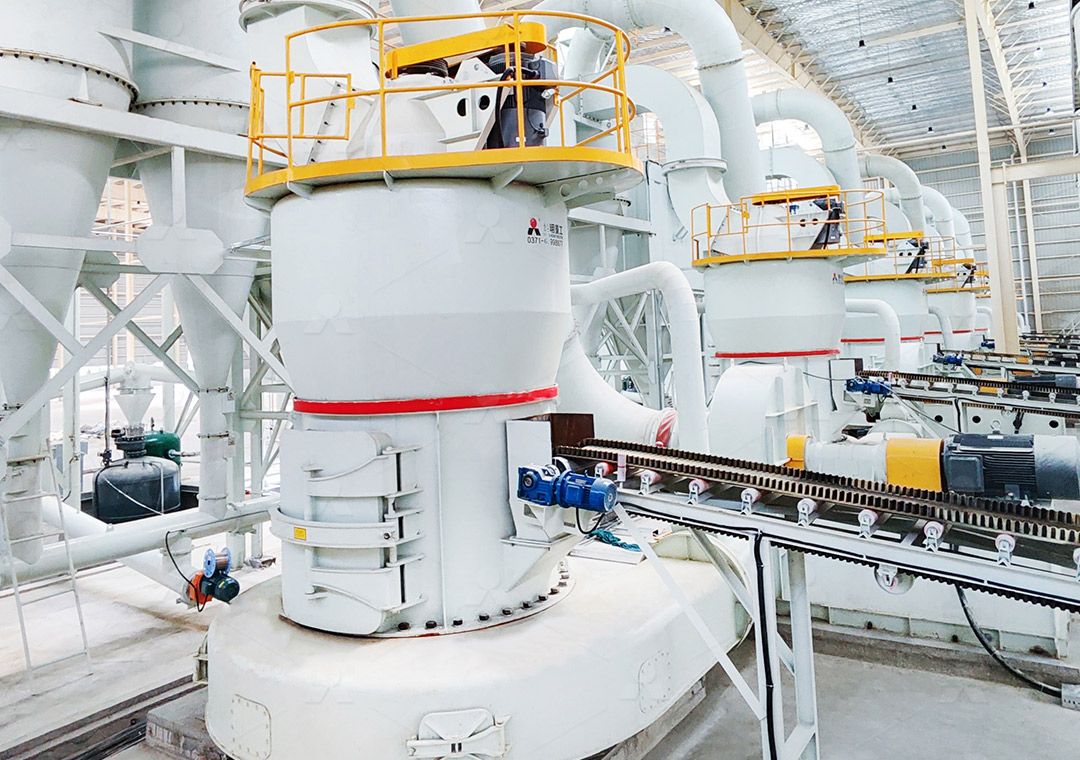
Complementing the MW series, the LUM Ultrafine Vertical Grinding Mill offers distinct advantages for operations prioritizing space efficiency and advanced process control. With its 0-10 mm input size capacity and 5-18 tph throughput, this system integrates ultrafine powder grinding, grading, and transporting in a single compact footprint.
The LUM Mill’s unique roller shell and lining plate grinding curve generates material layers more effectively, enabling high rates of finished product through single-pass milling. This design directly enhances whiteness and cleanliness—properties increasingly valued in Pakistan’s premium construction projects. The PLC control system and multi-head powder separating technology provide operators with precise control over grinding parameters, reducing energy consumption by 30-50% compared to conventional mills.
For ready-mix factories concerned with operational stability, the double position-limiting technology prevents destructive impacts during vibration events, while the reversible structure simplifies maintenance procedures. These features collectively reduce downtime—a crucial consideration in an industry where production interruptions directly translate to project delays.
Environmental Compliance and Operational Sustainability
Pakistan’s evolving regulatory landscape increasingly emphasizes environmental responsibility in industrial operations. Modern pulverization systems address these concerns through integrated dust collection and noise reduction technologies. The MW Ultrafine Grinding Mill’s efficient pulse dust collector ensures no dust pollution during operation, while silencers and noise elimination rooms maintain workplace compliance and community relations.
The fully sealed negative-pressure operation of advanced grinding systems prevents material leakage and minimizes environmental impact. For ready-mix factories located near urban centers—a growing trend as Pakistani cities expand—these environmental features become essential for maintaining operational licenses and community acceptance.
Implementation Strategy for Pakistani Ready-Mix Factories
Transitioning to advanced pulverization technology requires careful planning. Factories should begin with comprehensive material testing to determine optimal grinding parameters for their specific clinker compositions. Phased implementation, starting with pilot processing runs, allows operators to familiarize themselves with the advanced control systems while minimizing production disruption.
Training represents another critical success factor. Modern pulverizers with digital interfaces and automated controls require different skill sets than traditional milling operations. Investing in operator education ensures that factories maximize their technology investments while developing internal expertise for ongoing optimization.
The economic analysis typically reveals compelling returns, with energy savings alone often justifying the capital investment within reasonable timeframes. When combined with improved product quality, reduced maintenance costs, and enhanced production capacity, the business case for upgrading clinker processing technology becomes increasingly difficult to ignore.

Future-Proofing Through Technological Advancement
As Pakistan’s construction industry continues its growth trajectory, ready-mix factories that invest in advanced clinker processing technology position themselves for long-term success. The precision, efficiency, and environmental compliance offered by modern pulverizers align perfectly with the market’s evolving demands for higher quality, more sustainable construction materials.
The integration of digital monitoring and control systems further enhances this future-proofing, providing data-driven insights for continuous process improvement. For forward-thinking factory managers, these technological advancements represent not just operational upgrades, but strategic investments in competitive differentiation and market leadership.
Frequently Asked Questions
What maintenance requirements should we expect with the MW Ultrafine Grinding Mill?
The MW Mill requires minimal maintenance compared to traditional systems. The absence of rolling bearings and screws in the grinding chamber eliminates common failure points. Regular maintenance primarily involves external lubrication system checks and wear part inspections, typically scheduled during planned production stops.
How does particle size distribution affect ready-mix concrete quality?
Optimal particle size distribution ensures complete cement hydration with minimal water demand, directly impacting concrete strength, durability, and workability. Controlled fine grinding improves early strength development while reducing permeability in hardened concrete.
Can these grinding systems handle variations in clinker composition?
Yes, both the MW and LUM mills are designed to accommodate normal variations in clinker composition. The adjustable grinding parameters and advanced separation technologies maintain consistent product quality despite feed material variations.
What energy savings can we realistically expect?
Documented operations typically achieve 30-50% energy reduction compared to traditional ball mills. The exact savings depend on your current system, clinker characteristics, and target fineness, but most operations achieve payback through energy savings alone within 18-36 months.
How does the environmental performance compare to our existing system?
The integrated dust collection and noise reduction technologies represent significant improvements over conventional open-system mills. Fully enclosed operation under negative pressure prevents dust emission, while advanced silencers reduce operational noise by 20-30 decibels.
What training is required for our operations team?
Comprehensive operator training is provided during commissioning, covering normal operation, troubleshooting, and basic maintenance procedures. The digital control systems feature intuitive interfaces that experienced mill operators typically master within several weeks.
How does the equipment perform in Pakistan’s power conditions?
Both systems are designed with voltage fluctuation protection and can accommodate the power quality variations common in Pakistani industrial settings. Optional stabilization systems are available for areas with particularly unstable power supply.
What technical support is available locally?
We maintain technical support teams in major Pakistani industrial centers, providing prompt response for operational issues. Remote diagnostic capabilities further enhance support efficiency, often resolving issues without physical site visits.