
Grinding machine price & cost analysis for slag for construction aggregate in kazakhstan
Grinding Machine Price & Cost Analysis for Slag Construction Aggregate in Kazakhstan
The construction industry in Kazakhstan is experiencing robust growth, driven by infrastructure development and urbanization projects. A key component of sustainable construction is the utilization of industrial by-products, such as slag, to produce high-quality construction aggregates. Converting slag into a valuable resource requires efficient grinding technology. This analysis delves into the critical factors influencing the price and operational costs of grinding machinery for slag processing in the Kazakhstani market, providing a framework for making informed capital investment decisions.
Market Context and Slag Characteristics
Kazakhstan’s metallurgical and industrial sectors generate significant quantities of slag. When processed correctly, this material offers excellent mechanical properties for use in concrete, road bases, and as a cementitious supplement. The primary challenge lies in grinding the hard, abrasive slag to the required fineness (typically between 325 to 2500 meshes for various applications) efficiently and cost-effectively. The local operational environment, characterized by potential extremes in temperature, demands robust and reliable equipment.
Key Cost Components of Slag Grinding Operations
A comprehensive cost analysis extends far beyond the initial purchase price. Total Cost of Ownership (TCO) is the definitive metric, encompassing several interconnected factors:
1. Capital Investment (Machine Price)
The upfront price of a grinding mill varies significantly based on its technology, capacity, and level of automation. For slag processing, vertical roller mills and advanced trapezium mills often present a higher initial cost compared to traditional Raymond or ball mills. However, this investment is frequently justified by superior energy efficiency and lower wear-part consumption, leading to a faster return on investment (ROI) in high-throughput operations common in aggregate production.
2. Energy Consumption
This is the single largest operational expense, often constituting 40-60% of the total grinding cost. Slag’s hardness directly translates to high power demand. Machines with outdated technology or inefficient grinding mechanisms can become prohibitively expensive to run. Therefore, selecting a mill designed for higher yield with lower specific energy consumption is paramount for long-term profitability in Kazakhstan’s energy market.
3. Wear Parts and Maintenance
The abrasive nature of slag accelerates the wear of grinding rollers, rings, and liners. The frequency and cost of replacing these components directly impact operational downtime and spare parts inventory costs. Machines that offer extended service life for wear parts, easy maintenance access, and reliable local spare parts support are crucial for minimizing unplanned stoppages and keeping maintenance budgets predictable.
4. Operational and Labor Costs
Modern grinding systems with high levels of automation and stability reduce the need for constant manual intervention and oversight. Features like centralized PLC control, automatic lubrication systems, and remote monitoring capabilities can significantly lower labor requirements and improve process consistency, which is a vital consideration for operations aiming to optimize manpower.

Technology Selection: Balancing Performance and Cost
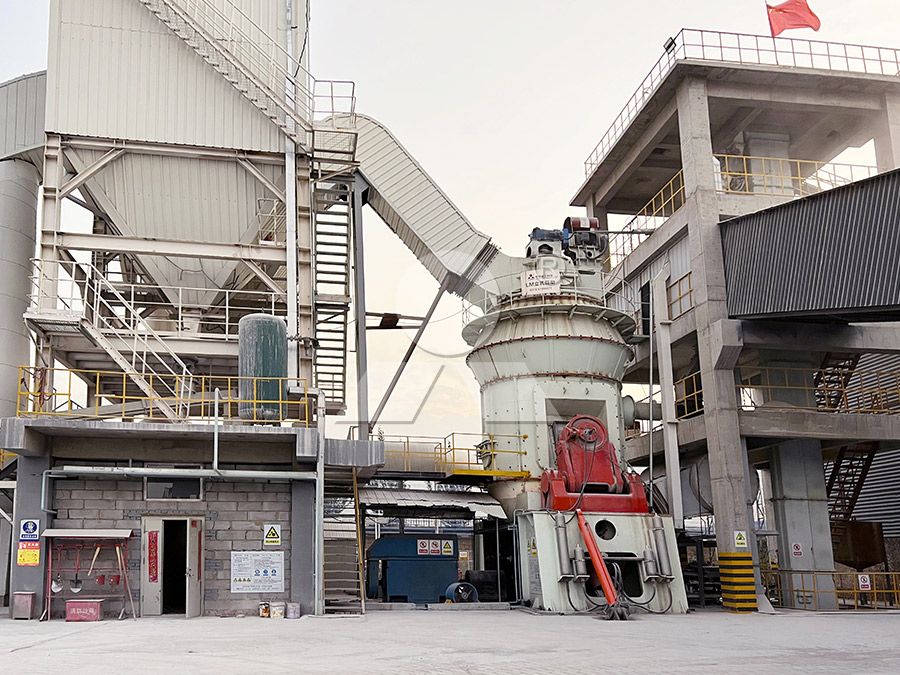
For slag grinding aiming at construction aggregate, two technological paths are prevalent: Vertical Roller Mills (VRM) and advanced European-style Trapezium Mills. VRMs excel in integrated drying and grinding, offering compact footprints and excellent energy efficiency for medium to high capacity ranges (5-340 tph). Their ability to handle moist slag and provide stable product quality makes them a strong contender. Advanced trapezium mills, with their robust design and efficient classifying systems, are highly effective for producing finely graded powders with consistent particle size distribution, which is critical for high-value slag applications.
Strategic Equipment Recommendation for the Kazakh Market
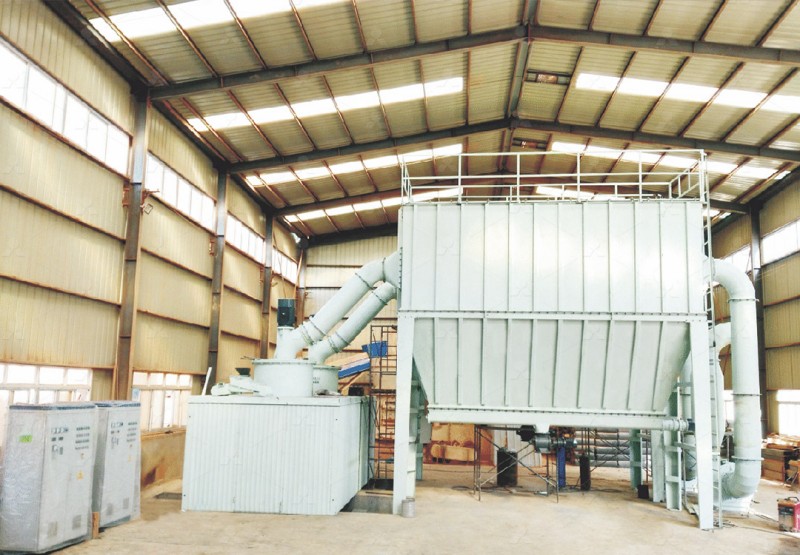
Given the need for high efficiency, reliability, and fine powder production in slag processing, one of our flagship solutions stands out: the MW Ultrafine Grinding Mill. This machine is engineered to tackle precisely the challenges posed by hard, abrasive materials like slag.
The MW Mill delivers higher yielding at lower energy consumption, with a production capacity up to 40% higher than some alternative technologies for the same power input. This directly addresses the major cost driver of energy consumption. Its adjustable fineness between 325-2500 meshes via a German-technology cage-type powder selector allows precise control over the final aggregate product specification. Furthermore, its innovative design with no rolling bearings or screws in the grinding chamber eliminates common failure points, drastically reducing maintenance worries and downtime—a critical advantage in remote or demanding operational settings. The integrated pulse dust collector ensures eco-friendly operation, helping plants comply with environmental standards.
For operations requiring integrated drying and processing of slag with slightly higher moisture content or seeking solutions for very large-scale production, the LM Vertical Slag Mill is another exemplary choice. Specifically designed for industrial waste like slag, it integrates drying, grinding, and powder selection, reducing the footprint by about 50% and cutting energy consumption by 30-40% compared to traditional ball mill systems. Its high wear resistance and reliable operation make it a cost-effective workhorse for dedicated slag grinding circuits.
Conclusion: A Focus on Total Cost of Ownership
In conclusion, selecting a grinding machine for slag aggregate production in Kazakhstan should not be driven by price alone. A strategic evaluation of the Total Cost of Ownership, emphasizing energy efficiency, maintenance costs, and operational stability, is essential. Investing in advanced technology like the MW Ultrafine Grinding Mill or the LM Vertical Slag Mill may involve a higher initial capital outlay but is justified by dramatically lower operating expenses, higher productivity, and greater reliability. This approach ensures a competitive edge, transforming industrial slag from a waste product into a consistent, high-value construction material, thereby supporting both economic and environmental sustainability goals in Kazakhstan’s booming construction sector.
Frequently Asked Questions (FAQs)
- What is the typical payback period for a higher-efficiency grinding mill like the MW series in a slag processing application?
While dependent on scale and local energy costs, the significant reduction in energy consumption (often 30-40%) and lower maintenance frequency can lead to a payback period of 1.5 to 3 years on the incremental investment compared to less efficient models. - Can your mills handle the variable composition and moisture content of slag from different sources in Kazakhstan?
Yes. Our vertical mills (LM series) are particularly adept at handling variable moisture with integrated drying. The MW and other mills can process slag of varying hardness, but a preliminary material test is recommended to fine-tune the configuration for optimal performance. - How do you ensure the availability of spare parts and technical support in Kazakhstan?
We maintain a global supply chain network and work with local partners to stock critical wear parts and provide timely technical service, ensuring minimal downtime for our clients. - What fineness range is achievable for slag intended as a cement replacement or concrete additive?
For use as a supplementary cementitious material (SCM), a fineness of 400-600 m²/kg (Blaine) or approximately 500-800 meshes is common. Our MW and LUM mills can easily achieve and consistently maintain this range and beyond. - Is the installation and commissioning of such mills complex?
Our mills are designed for modular assembly. We provide comprehensive foundation drawings, installation manuals, and can dispatch engineers for supervision and commissioning to ensure a smooth start-up. - How does the noise and dust emission of your grinding systems compare to older technologies?
Our mills are equipped with efficient pulse dust collectors and mufflers/silencing rooms as standard. They operate under negative pressure with sealed systems, ensuring dust emissions are far below national and international standards and noise levels are significantly reduced. - What are the primary advantages of a vertical slag mill over a traditional ball mill for this application?
The primary advantages are: 50% smaller footprint, 30-40% lower energy consumption, integrated drying capability, shorter material retention time (leading to quicker product adjustment), and generally lower wear rates on grinding parts.