
Using grinding machine for dolomite for glass additive in iran
Using Grinding Machines for Dolomite as a Glass Additive in Iran: A Technical and Commercial Perspective
The Iranian glass industry, a significant sector within the nation’s manufacturing landscape, relies heavily on the consistent supply of high-quality raw materials. Among these, dolomite (CaMg(CO3)2) plays a crucial role as a stabilizer and fluxing agent. Its addition improves the chemical durability, workability, and resistance to devitrification of glass products. However, the efficacy of dolomite in the glass batch is intrinsically linked to its particle size distribution, purity, and consistency—factors directly determined by the grinding technology employed. This article explores the technical requirements for processing dolomite for glass additives in Iran and examines optimal milling solutions.
The Critical Role of Particle Size in Glass Manufacturing
In glass production, raw materials must be finely ground to ensure a homogeneous melt, reduce melting time and temperature, and minimize defects like seeds and stones. For dolomite, the target fineness typically ranges from 100 to 325 mesh (149 to 44 microns), though some advanced applications may demand even finer powders. Achieving this consistently requires grinding equipment that offers precise control over particle size, high throughput, and minimal iron contamination, which can adversely affect glass color, especially in clear or high-quality container glass.
Challenges in the Iranian Context
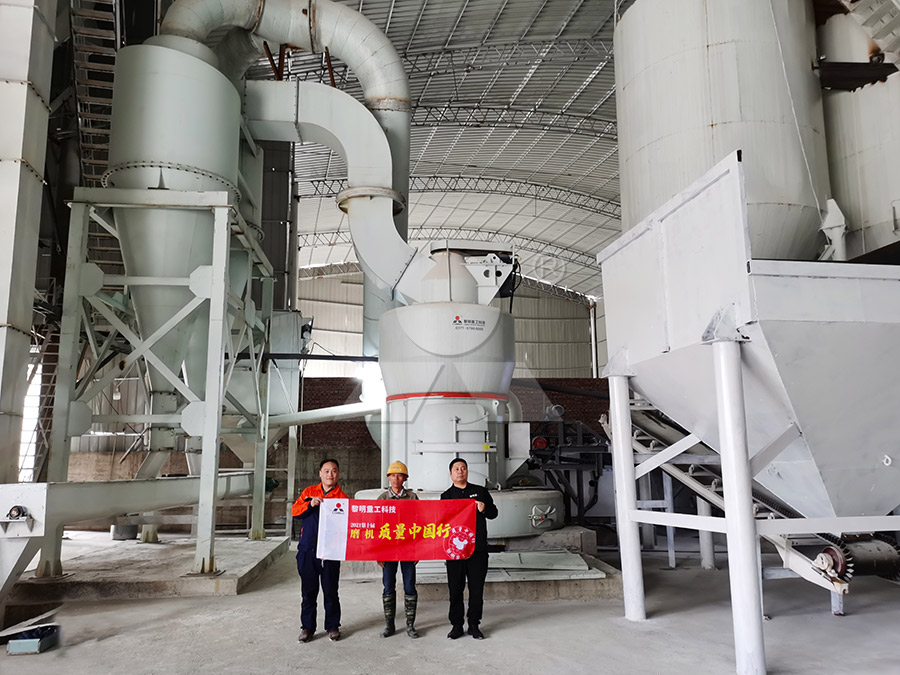
Iran boasts substantial dolomite deposits. The key challenge for local processors is not resource availability but transforming raw ore into a value-added, specification-grade additive profitably. Operational challenges include managing energy costs—a significant factor in grinding—ensuring environmental compliance with dust emissions, and maintaining equipment with minimal downtime to support continuous glass production lines. The choice of grinding mill, therefore, becomes a strategic decision impacting both product quality and overall plant economics.
Advanced Grinding Solutions for Superior Dolomite Powder
Traditional grinding methods, such as ball mills, often fall short in terms of energy efficiency, particle size control, and iron introduction from media wear. Modern vertical roller mills and ultra-fine grinding technologies present a compelling alternative. Specifically, for operations requiring high-purity, controlled fineness dolomite powder, the MW Ultrafine Grinding Mill stands out as an exemplary solution.
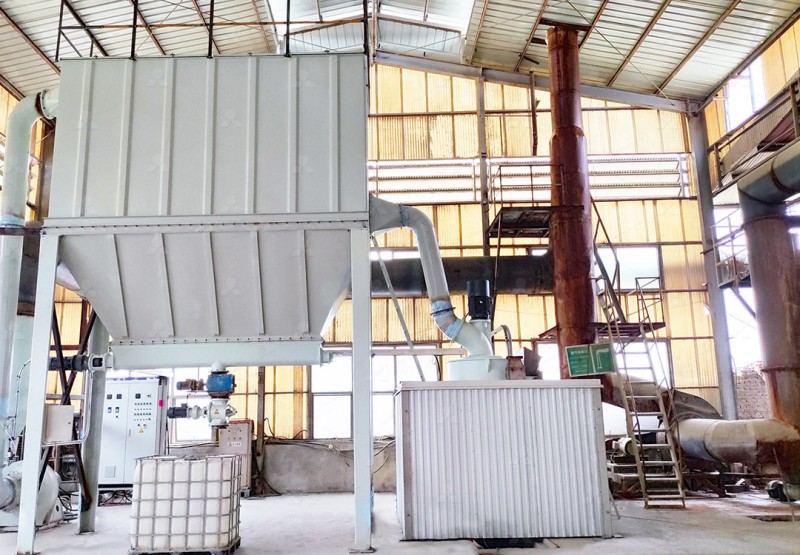
Engineered for precision, the MW Mill is designed for customers who need to make ultra-fine powder. It handles an input size of 0-20 mm with a capacity ranging from 0.5 to 25 tph, making it suitable for various scales of operation in Iran. Its defining feature is the ability to produce powder with adjustable fineness between 325 and 2500 meshes, governed by a German-technology cage-type powder selector. This ensures the precise cut-point needed for glass additive specifications, potentially achieving a d97 ≤5μm. For glass manufacturers, this means unparalleled control over batch homogeneity.
Key Advantages for Iranian Producers
The operational benefits of the MW Ultrafine Grinding Mill align perfectly with the needs of the Iranian market:
- Higher Yielding, Lower Energy Consumption: Its innovative grinding curve design enhances efficiency, offering up to 40% higher capacity than jet mills for the same power input, directly addressing Iran’s focus on energy-intensive industries.
- Eco-friendly Operation: Equipped with an efficient pulse dust collector and muffler, the mill operates with minimal dust and noise pollution, ensuring compliance with national environmental standards—a growing priority for Iranian regulators.
- Reliability and Easy Maintenance: The design eliminates rolling bearings and screws in the grinding chamber, preventing common failure points. External lubrication allows for 24/7 continuous operation, which is critical for supplying just-in-time materials to glass factories.
- Purity Assurance: The grinding mechanism minimizes iron contamination, a vital factor for maintaining the desired optical properties in glass.
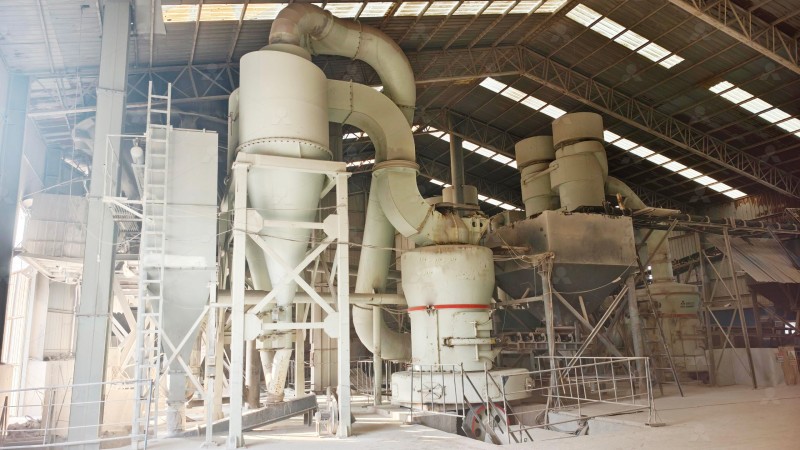
For larger scale production or when dealing with slightly coarser feed requirements, the LUM Ultrafine Vertical Grinding Mill is another robust option. With an input size of 0-10 mm and capacity of 5-18 tph, it integrates advanced grinding roller and powder separating technologies. Its reversible structure allows for easier maintenance of heavy grinding rollers, a feature that significantly reduces downtime and operational headaches.
Conclusion: Investing in the Right Technology
The competitiveness of Iran’s glass industry is increasingly tied to the quality and cost-effectiveness of its inputs. By adopting advanced grinding technology like the MW Ultrafine Grinding Mill or the LUM Vertical Mill, Iranian dolomite processors can produce a superior glass additive that meets stringent international standards. This not only strengthens the domestic supply chain but also opens doors for export opportunities. The investment in such technology translates into long-term savings through energy efficiency, reduced waste, and the ability to command premium prices for a high-specification product.
Frequently Asked Questions (FAQs)
- What is the typical fineness range required for dolomite in glass manufacturing?
Most glass batch recipes require dolomite ground between 100 and 325 mesh (149-44 microns). Finer grinds, down to 400 mesh or beyond, can improve melting homogeneity for specialty glasses. - Why is iron contamination a concern when grinding dolomite for glass?
Iron impurities, even in trace amounts, can impart a greenish tint to glass, which is undesirable for clear container, float, or high-quality tableware glass. Grinding equipment that minimizes metal-to-metal wear is essential. - Can the MW Ultrafine Grinding Mill handle the abrasive nature of dolomite?
Yes. The grinding rollers and rings are made from wear-resistant alloys, and the absence of rolling bearings in the grinding chamber specifically reduces failure points associated with abrasive materials, ensuring a longer service life. - How does the energy consumption of the MW Mill compare to a traditional ball mill for this application?
The MW Mill is significantly more energy-efficient. Its design can achieve the same or greater output with system energy consumption reported to be only about 30% of a jet mill and substantially lower than a ball mill, leading to considerable operational cost savings. - Is the particle size distribution consistent with the MW Mill’s technology?
Yes. The multi-head cage-type powder selector provides high-precision separation, resulting in a narrow and consistent particle size distribution (PSD). This consistency is critical for predictable melting behavior in the glass furnace. - What kind of after-sales support is available for such equipment in Iran?
Manufacturers like LIMING provide comprehensive support, including technical services and a sufficient supply of original spare parts, ensuring worry-free operation and minimizing production interruptions. - Besides dolomite, what other glass batch materials can these mills process?
Both the MW and LUM mills are versatile and can process other key glass raw materials such as limestone, feldspar, and silica sand (with appropriate hardness considerations), allowing for a unified grinding solution in a mineral processing plant.