
Raymond mill price & cost analysis for limestone for cement production in iraq
Raymond Mill Price & Cost Analysis for Limestone in Cement Production: An Iraq Market Perspective
The Iraqi construction sector is witnessing a sustained resurgence, driving robust demand for cement and its primary raw material: finely ground limestone. Selecting the right grinding equipment is a critical capital expenditure decision that directly impacts long-term profitability. This analysis delves into the cost factors surrounding Raymond mill operations for limestone processing in Iraq and explores advanced, cost-effective alternatives.
Understanding the Total Cost of Ownership (TCO)
When evaluating a Raymond mill for a cement plant in Iraq, the initial purchase price is just one component. A comprehensive TCO analysis must include:
- Capital Expenditure (CAPEX): The upfront cost of the mill, auxiliary equipment (crusher, feeder, dust collector), installation, and commissioning.
- Operational Expenditure (OPEX): The ongoing costs of power consumption (a major factor given Iraq’s industrial electricity tariffs), grinding media and liner wear, maintenance labor, and spare parts inventory.
- Productivity & Output Quality: The mill’s capacity (tph) and the fineness/quality of the produced limestone powder directly affect clinker quality and kiln efficiency.
- Operational Stability & Downtime: Frequent maintenance and unplanned shutdowns for repairs incur massive hidden costs in lost production.
- Environmental Compliance Costs: Iraq is increasingly focusing on industrial emissions. Equipment that generates excessive dust or noise may require additional investment in mitigation systems or incur penalties.
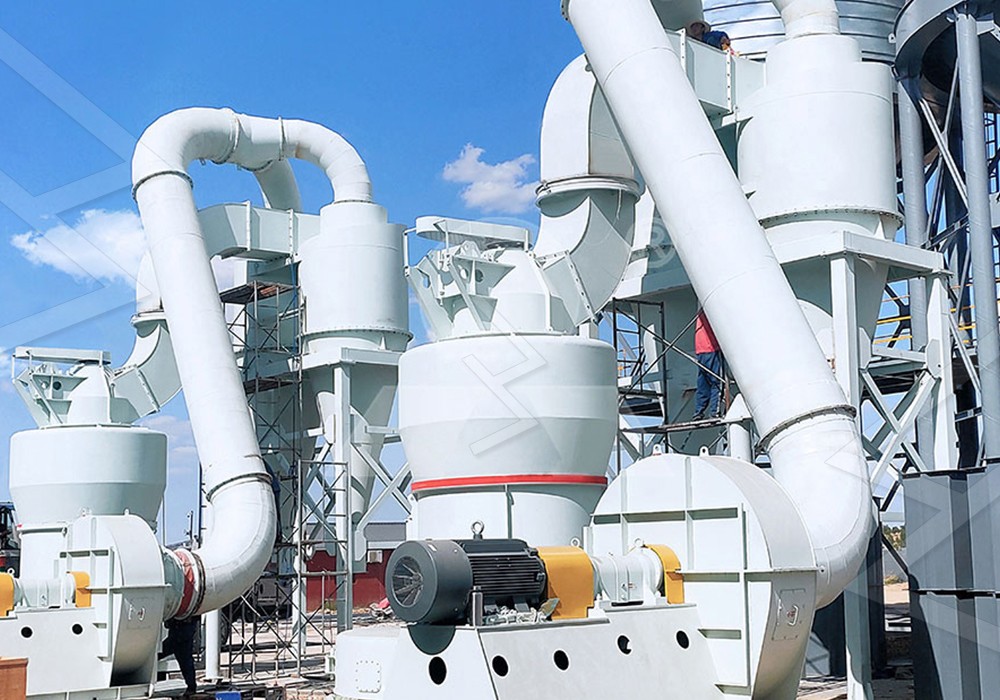
Limitations of Traditional Raymond Mills in Modern Cement Production
While the classic Raymond mill is known for its simplicity and relatively low initial cost, its application in high-volume cement raw meal preparation reveals several cost centers:
- Higher Specific Energy Consumption: Older mechanical designs often lead to higher kWh/ton figures, a significant OPEX drain.
- Limited Capacity and Fineness Control: For large-scale cement plants, multiple units may be needed, increasing footprint, manpower, and complexity.
- Intensive Wear Part Maintenance: Rollers, rings, and blades require regular inspection and replacement, leading to periodic downtime.
- Dust and Noise Management: Older models may not integrate efficient, modern dust collection, requiring add-on solutions.
The Strategic Shift: Advanced Grinding Technology for Iraqi Cement Producers
To achieve a lower TCO and enhance competitiveness, leading Iraqi cement producers are looking beyond traditional mills. The focus is on technology that offers higher efficiency, lower wear, and integrated environmental controls.
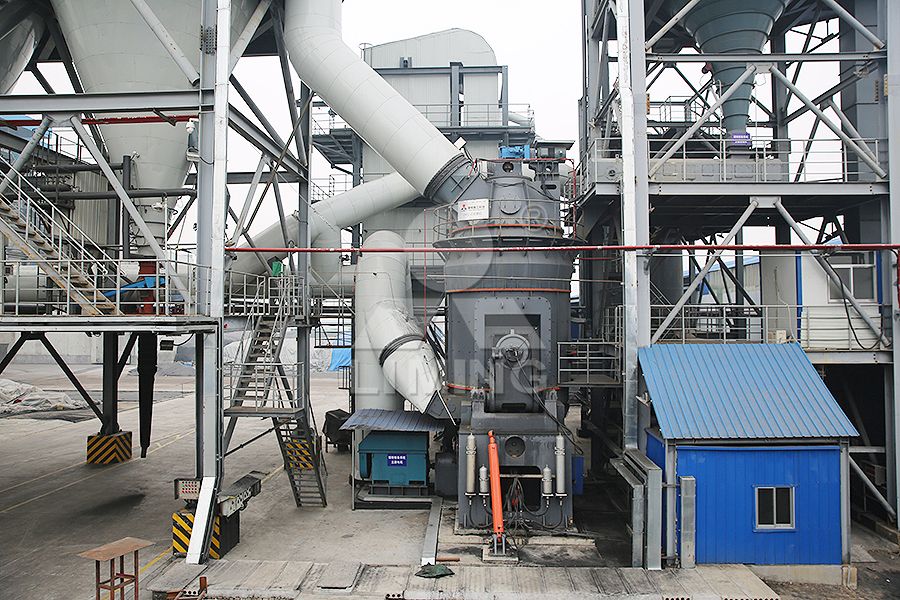
For projects requiring high-capacity, reliable, and energy-efficient processing of limestone, the LM Vertical Grinding Mill presents a compelling solution. Its integrated drying, grinding, classifying, and conveying system is particularly advantageous. With an input size of 0-70mm and a wide capacity range of 3-340 tph, it can handle direct feed from primary crushing. Crucially, it reduces energy consumption by 30%-40% compared to ball mills and cuts the occupied area by 50%, directly addressing both major OPEX and CAPEX concerns. Its fully sealed, negative-pressure operation ensures dust-free production, aligning with environmental expectations.
Case for Ultra-Fine & High-Quality Powder Production
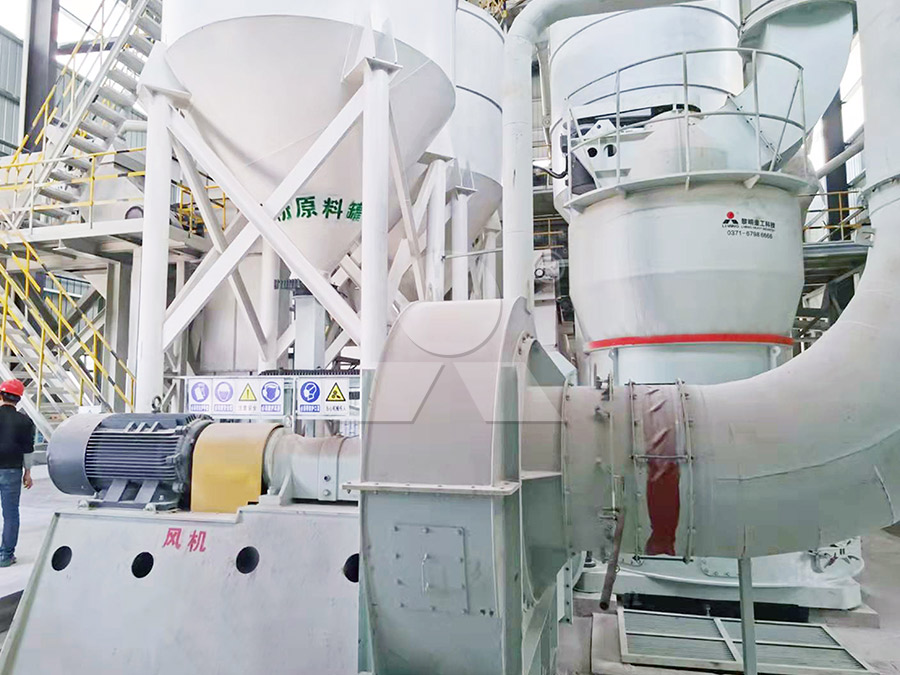
For specialized applications or when producing high-value additives, ultra-fine grinding becomes essential. Here, the MW Ultrafine Grinding Mill stands out. Engineered for precision, it produces powder adjustable between 325-2500 meshes. Its innovative design, featuring a cage-type powder selector and the absence of rolling bearings/screws in the grinding chamber, drastically reduces failure points and maintenance worries. The system energy consumption is reported to be only 30% of a jet mill. For Iraqi plants looking to diversify into high-fineness limestone products or achieve exceptional raw meal homogeneity, the MW series offers a technologically advanced, cost-effective route.
Iraq-Specific Procurement & Operational Considerations
- Logistics & After-Sales Support: Ensure the supplier has a reliable supply chain for spare parts and technical support in the Middle East region. Local agent presence is a significant advantage.
- Adaptability to Local Limestone: The hardness and moisture content of Iraqi limestone can vary. Equipment should be configurable to handle these variations without efficiency loss.
- Power Supply Reliability: Mills with smooth start-up and low in-rush current are beneficial. Energy-efficient models provide a buffer against power cost fluctuations.
- Long-Term Partnership: Choose a manufacturer known for quality and support, not just the lowest bid. A mill is a 20+ year investment.
Conclusion
The most cost-effective choice for limestone grinding in Iraq is rarely the equipment with the lowest sticker price. A detailed analysis of energy use, maintenance cycles, production yield, and environmental compliance points towards modern vertical mills and ultrafine grinding systems. By investing in advanced technology like the LM Vertical Mill for high-volume processing or the MW Ultrafine Mill for premium products, Iraqi cement producers can secure a significant operational cost advantage, ensure consistent product quality, and build a sustainable, compliant operation for the future. The key is to calculate cost per ton of finished product over the equipment’s lifespan, not just the initial invoice amount.
Frequently Asked Questions (FAQs)
- What is the typical lead time for delivering and installing a grinding mill in Iraq?
Lead times vary by model and configuration but generally range from 3 to 6 months from order confirmation, including shipping to a major Iraqi port (e.g., Umm Qasr). Installation and commissioning require an additional 2-4 weeks with our technical team on site. - How does the humidity of Iraqi limestone affect mill selection?
High moisture content can reduce efficiency in some traditional mills. Our LM Vertical Mill integrates a drying function using hot air, effectively handling limestone with moisture content up to 15%, making it ideal for local conditions. - Are spare parts readily available for your mills in the Middle East?
Yes, we maintain a strategic inventory of critical wear parts like grinding rollers and rings with our regional partners in the UAE, ensuring fast delivery to Iraq, typically within 7-10 working days for urgent requirements. - What is the expected power consumption for grinding 20 tph of limestone to 200 mesh?
For example, a configured LM Vertical Mill for this duty would consume approximately 18-22 kWh per ton of product, significantly lower than a traditional ball mill system which might consume 28-32 kWh/ton. - Can your mills be automated for operation with limited skilled labor?
Absolutely. Our mills come with PLC-based control systems that allow for fully automated operation, including start-up, shutdown, and fineness adjustment. Remote monitoring capabilities are also available. - Do you provide on-site training for our operations and maintenance staff?
Comprehensive training for client engineers and operators is a standard part of our commissioning package. We provide detailed manuals and hands-on sessions covering operation, routine maintenance, and troubleshooting. - What are the key wear parts, and what is their typical service life?
The primary wear parts are grinding rollers and millstone liner plates. Their service life depends on limestone abrasiveness but typically ranges from 6,000 to 8,000 operating hours. Our parts use proprietary wear-resistant alloys for extended life.