
Using grinding mill for calcium carbonate for food additive in uae
Precision Milling for Food-Grade Calcium Carbonate in the UAE
The United Arab Emirates, with its thriving food processing and pharmaceutical sectors, maintains stringent standards for food additives. Calcium carbonate, a vital mineral fortifier and acidity regulator, must meet exacting purity, fineness, and consistency requirements for safe incorporation into products ranging from baked goods and dairy to nutritional supplements. Selecting the appropriate grinding technology is not merely an operational decision; it is a critical factor in ensuring product safety, quality, and compliance with regional regulations.

Producing food-grade calcium carbonate demands more than just size reduction. The process must guarantee minimal contamination, precise particle size distribution (PSD), and high whiteness. Traditional milling equipment often struggles with metal contamination from wear parts, inconsistent fineness, and excessive heat generation that can degrade product quality. Furthermore, the harsh climate of the UAE necessitates equipment with robust environmental controls to manage dust and ensure cleanroom-compatible operations within manufacturing facilities.
Key Considerations for Food-Grade Milling in the UAE
Operators must prioritize several factors:
- Purity & Low Iron Content: The grinding mechanism must minimize mechanical wear and iron ingress. Direct contact between metal parts in the grinding chamber is a significant contamination risk.
- Adjustable Ultra-Fine Fineness: Different food applications require specific mesh sizes, often in the superfine range (e.g., 600 to 2500 meshes), to ensure smooth texture and rapid dissolution.
- Hygienic & Closed System: A fully sealed, negative-pressure milling system prevents external contamination and contains all powder within the circuit, which is essential for food safety certifications.
- Energy & Operational Efficiency: Given the energy costs and focus on sustainability, high-yield, low-power consumption mills are economically vital.
- Dust-Free & Quiet Operation: Integrated dust collection and noise reduction are non-negotiable for protecting workers and meeting the UAE’s environmental and workplace safety standards.
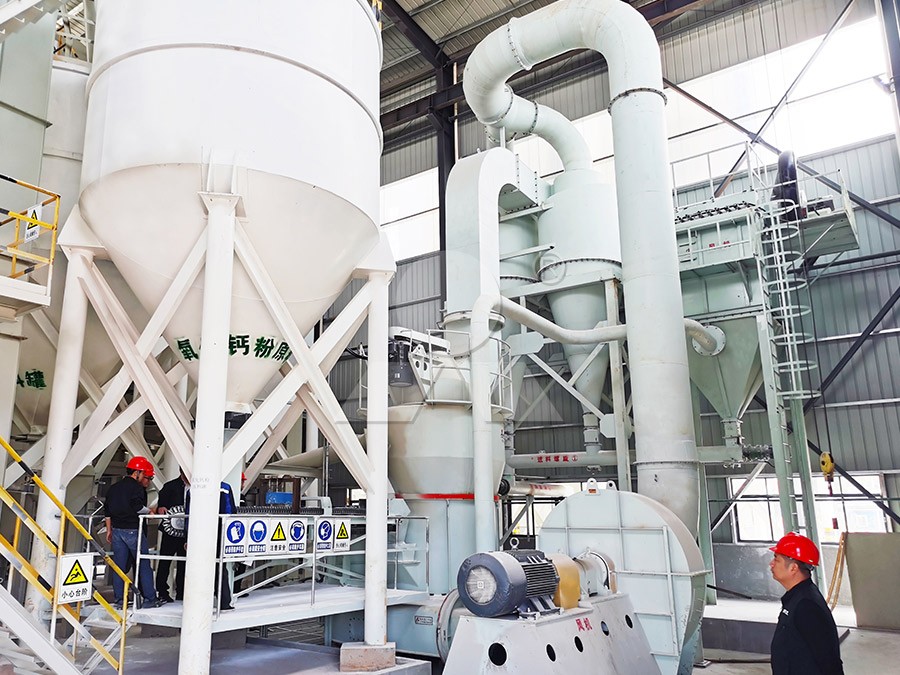
Advanced Milling Solutions for Uncompromising Quality
To address these complex demands, advanced vertical grinding and ultrafine ring roller mill technologies have become the industry benchmark. For companies in the UAE seeking to establish or upgrade their calcium carbonate processing lines, focusing on these advanced systems is crucial.
A prime example of technology meeting these stringent needs is our MW Ultrafine Grinding Mill. Engineered for producing ultra-fine powder, it is particularly suited for high-value applications like food additives. Its design directly tackles the core challenges: the grinding chamber contains no rolling bearings or screws, drastically reducing the risk of metallic contamination from loose or worn parts. This feature alone provides immense peace of mind for quality control managers. Furthermore, it incorporates a high-precision, German-technology cage-type powder selector that allows precise fineness adjustment between 325 and 2500 meshes, ensuring the exact particle size distribution required for your specific food product. Operational cleanliness is guaranteed by an efficient pulse dust collector, making the entire system environmentally friendly and suitable for clean industrial environments.
For operations requiring integration of drying with grinding or processing slightly larger initial feed sizes, our LUM Ultrafine Vertical Grinding Mill presents an excellent alternative. It combines advanced grinding roller and powder separating technologies to achieve higher yielding rates and superior product whiteness. A standout feature is its reversible structure, which allows grinding rollers to be easily moved out of the mill body for maintenance or inspection. This design significantly simplifies the upkeep of wear parts like roller shells and liner plates, minimizing downtime—a critical advantage for continuous production schedules in the UAE’s fast-paced market.
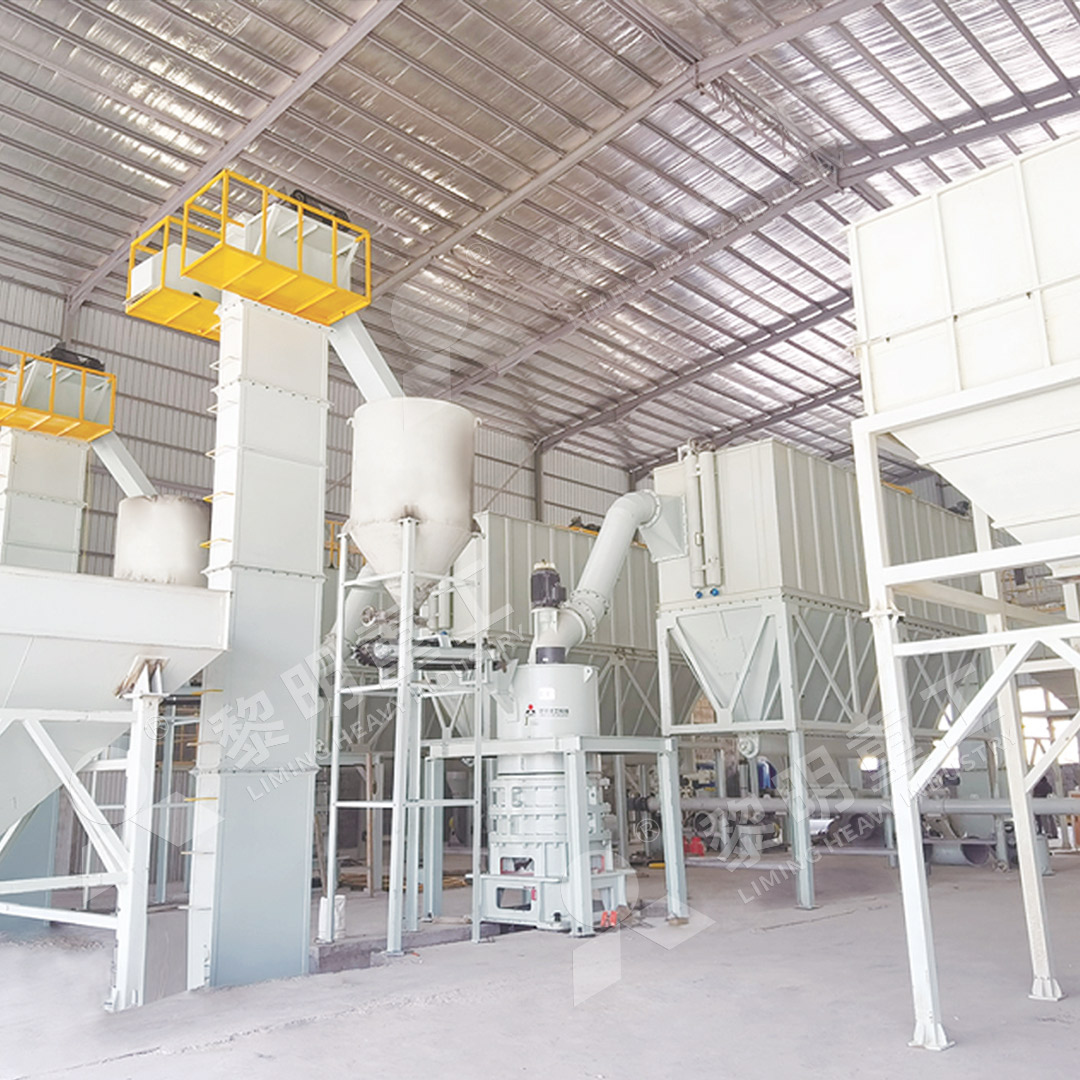
Implementing Your Milling Solution
Successful integration goes beyond machine selection. Partnering with a supplier that offers comprehensive technical support, genuine spare parts, and an understanding of local regulatory landscapes is essential. From initial material testing to determine optimal mill settings, through installation supervision, to after-sales service, the right partnership ensures your calcium carbonate milling line operates reliably, efficiently, and in full compliance, supporting the UAE’s vision for advanced, high-standard manufacturing.
Conclusion
The production of food-grade calcium carbonate in the UAE is a precision-driven endeavor. By investing in modern, purpose-built grinding technology like the MW Ultrafine Grinding Mill or the LUM Ultrafine Vertical Grinding Mill, manufacturers can achieve the necessary levels of purity, fineness, and operational control. This commitment to advanced technology not only safeguards product quality and consumer safety but also enhances production efficiency and sustainability, positioning UAE-based producers as competitive leaders in the regional and global food additive supply chain.
Frequently Asked Questions (FAQs)
- What is the typical fineness range required for calcium carbonate in food applications?
It varies, but common ranges are between 600 to 1500 meshes for most fortification and 2000+ meshes for specialized applications requiring extremely smooth texture and high bioavailability. - How is metallic contamination prevented during the grinding process?
Advanced mills use designs that eliminate internal bearings and screws in the grinding zone, utilize high-wear-resistant alloys for grinding components, and often incorporate magnetic separators at the feed inlet. - Can the same mill handle different mineral additives, like talc or dolomite, for food use?
Yes, versatile mills like the MW or LUM series are designed for a range of non-metallic minerals. However, the system must be thoroughly cleaned and purged between different materials to prevent cross-contamination, as per food safety protocols. - How important is a dust collection system for food-grade milling?
It is critical. A fully enclosed system with an efficient pulse dust collector (like those integrated into our MW Mill) ensures a clean production environment, protects workers, recovers product, and is mandatory for modern food production facilities. - What kind of after-sales support should we expect for such specialized equipment in the UAE?
Look for a supplier that provides local technical service access, readily available original spare parts, remote operational support, and assistance with routine maintenance planning to ensure worry-free, continuous operation. - Does the climate in the UAE affect the grinding or drying process for calcium carbonate?
Ambient humidity can affect material handling and flow. Mills with integrated drying capabilities (like the LUM series) or systems paired with pre-dryers can effectively manage moisture content in the feed material to ensure consistent grinding performance. - What is the lead time for installing a new grinding mill line for food-grade production?
Lead times vary based on mill model, capacity, and system complexity. It involves manufacturing, shipping, and installation. A reliable supplier will provide a clear project timeline following a detailed technical consultation.