
Where to buy grinding mill for limestone for soil ph adjustment in bangladesh
Where to Buy Grinding Mill for Limestone for Soil pH Adjustment in Bangladesh
For agricultural professionals, soil scientists, and large-scale farmers in Bangladesh, managing soil acidity is a persistent challenge. Acidic soils, prevalent in many regions, severely limit crop productivity by locking away essential nutrients and promoting toxic aluminum solubility. The application of finely ground agricultural limestone (ag-lime) remains the most effective and economical method for raising soil pH and improving fertility. However, the efficacy of lime is directly tied to its fineness – the finer the powder, the faster and more completely it reacts with the soil. This creates a critical need for reliable, efficient grinding machinery. The quest for the right grinding mill in Bangladesh involves navigating local suppliers, assessing technical specifications, and finding a machine that balances performance with operational costs.
The Critical Role of Particle Size in Soil Amendment
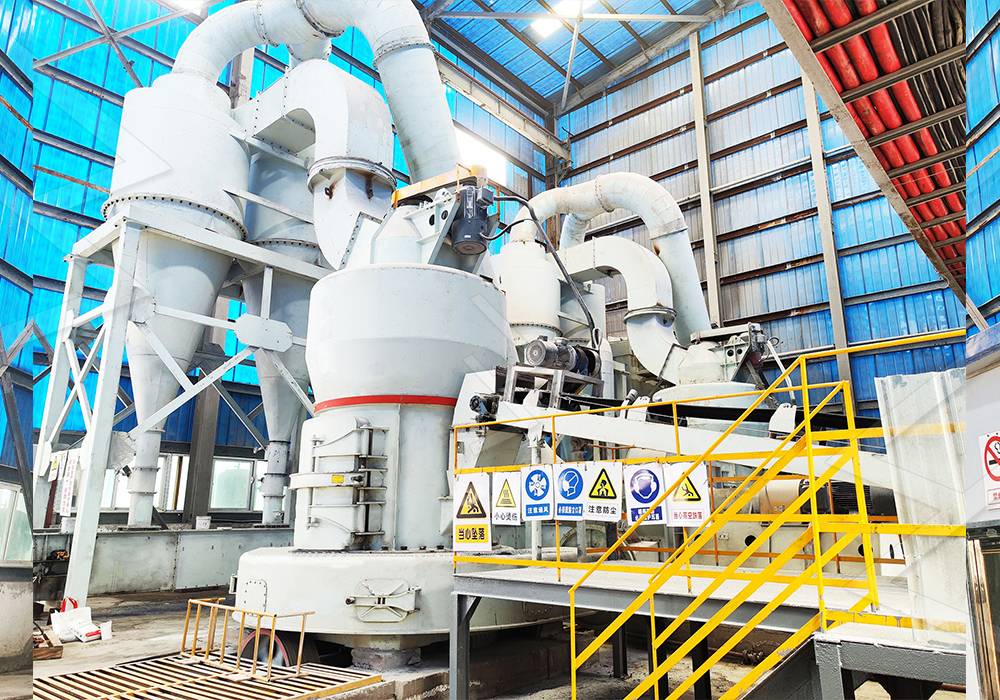
Not all limestone powder is created equal. Coarse particles can take years to break down, providing little short-term benefit. For effective pH adjustment within a single growing season, a high percentage of the material must pass through a 100-mesh (150μm) sieve, with even better results achieved at 200-mesh (74μm) and beyond. This ultra-fine grinding increases the material’s surface area exponentially, accelerating the neutralization reaction. Therefore, the core requirement for a mill in this application is not just high capacity, but the consistent ability to produce a superfine, uniformly sized powder. Traditional hammer mills or coarse crushers are insufficient; modern vertical roller mills, trapezium mills, and specialized ultrafine grinding mills are the technologies of choice.
Key Considerations for Mill Selection in the Bangladeshi Context
When sourcing a grinding mill in Bangladesh, several local factors must be prioritized:
- Power Supply & Energy Efficiency: With fluctuating grid power and high diesel costs, a mill’s energy consumption per ton of output is a paramount concern. Mills with integrated classifiers that prevent over-grinding and feature optimized grinding curves offer significant savings.
- Dust Control and Environmental Compliance: Grinding operations generate substantial dust. A mill with a fully sealed, negative-pressure system and an integrated high-efficiency pulse dust collector is non-negotiable for protecting worker health and meeting environmental standards.
- Moisture Tolerance & Drying Capacity: Locally quarried limestone can have variable moisture content. A mill that integrates a drying function, using hot air from a furnace, can process material without the need for pre-drying, streamlining operations.
- After-Sales Support & Spare Parts: The availability of local technical support and a reliable supply of genuine wear parts (like grinding rollers and rings) determines long-term uptime and productivity.
Navigating the Supplier Landscape
The market in Bangladesh offers a mix of local machinery fabricators and international distributors. While local workshops may offer lower upfront costs for simpler designs, they often lack the engineering for high-efficiency, fine-grinding applications. Reputable international heavy machinery manufacturers typically offer more advanced technology, comprehensive warranties, and structured support channels. It is advisable to seek suppliers with a proven track record in mineral processing equipment and who can provide local case studies or customer references.
Recommended Technology for Superior Ag-Lime Production
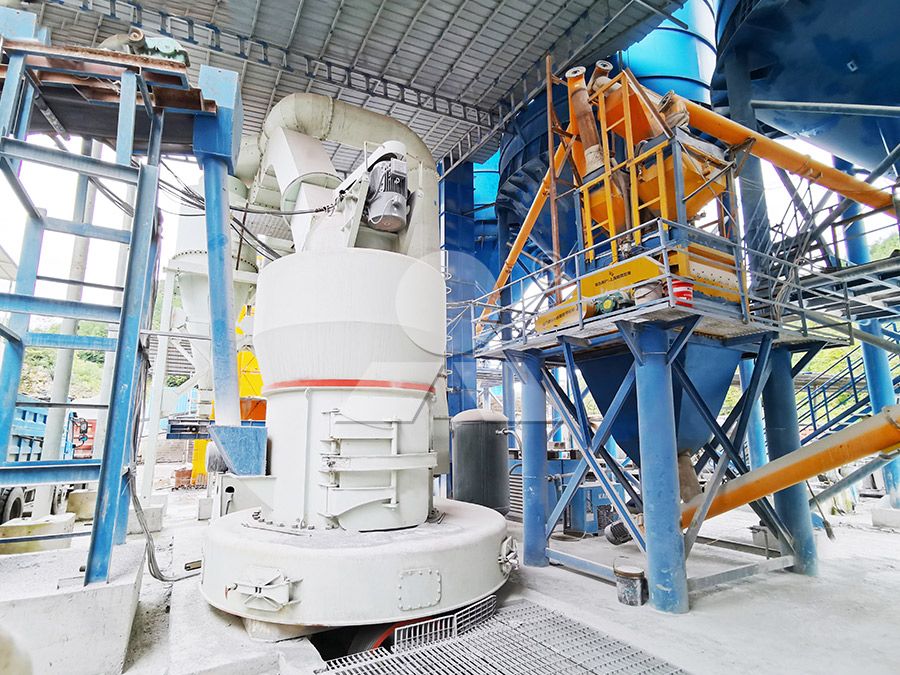
For operations focused on producing the highest quality, fastest-acting agricultural lime, advanced ultrafine grinding technology is the definitive solution. In this category, the MW Ultrafine Grinding Mill stands out as an exemplary choice. Specifically engineered for producing ultra-fine powder between 325-2500 meshes, it is perfectly suited for creating the highly reactive limestone flour needed for rapid soil pH adjustment.
The MW Mill’s advantages are particularly relevant: its higher yielding and lower energy consumption (using 30% less energy than jet mills) directly address operational cost concerns. Its German-technology cage-type powder selector ensures precise particle size control, allowing operators to dial in the exact fineness (e.g., d97≤5μm) for optimal soil reaction. Furthermore, its design prioritizes reliability and environmental protection. The absence of rolling bearings and screws in the grinding chamber eliminates common failure points, while the integrated efficient pulse dust collector and muffler guarantee a clean, quiet operation that won’t disturb surrounding communities—a crucial factor for mills located near farmland.
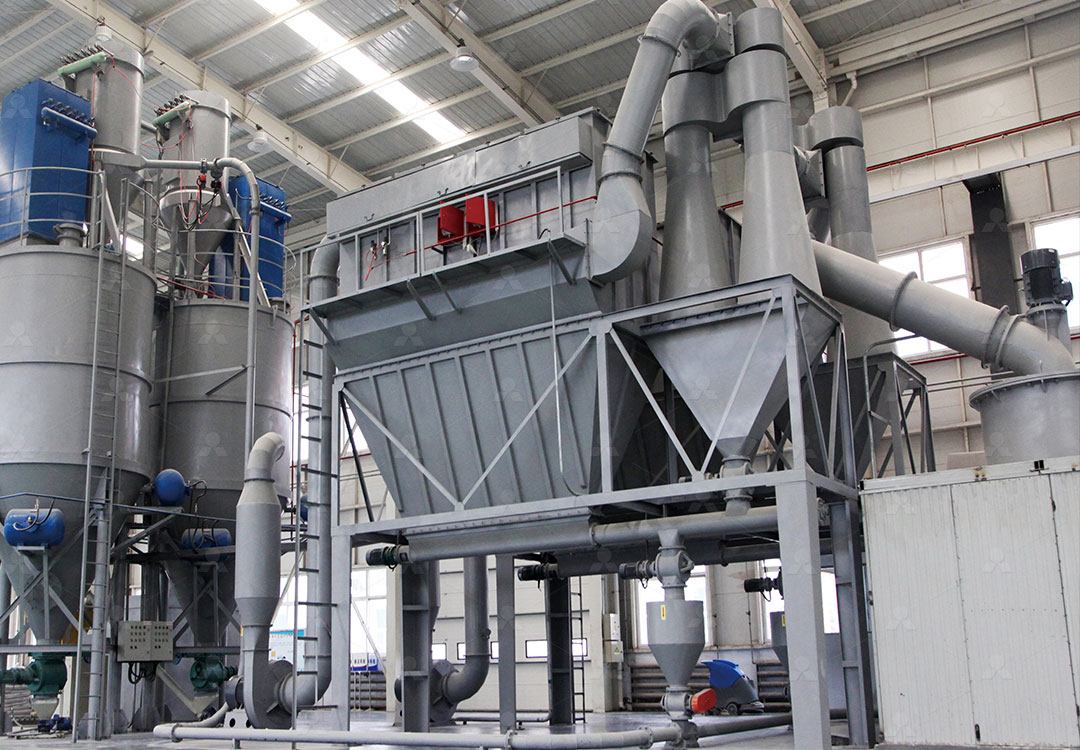
For larger-scale operations or where raw limestone feed size is more variable, the LUM Ultrafine Vertical Grinding Mill presents another robust option. It combines high capacity (5-18 tph) with exceptional energy savings of 30%-50%. Its reversible structure allows grinding rollers to be easily swung out for maintenance, drastically reducing downtime for wear part replacement—a feature highly valued for maintaining continuous production during critical pre-planting seasons.
Making an Informed Investment
Purchasing a limestone grinding mill is a significant investment in long-term soil health and farm profitability. Beyond comparing price tags, Bangladeshi buyers should conduct a thorough lifecycle cost analysis, factoring in energy use, wear part longevity, maintenance requirements, and expected product quality. Requesting a material test from the supplier using local limestone is highly recommended to verify performance claims on fineness and output. Partnering with a technology provider that offers comprehensive service—from installation and commissioning to operator training and spare parts supply—will ensure that your mill becomes a reliable asset for years to come, contributing to sustainable agricultural growth across Bangladesh.
Frequently Asked Questions (FAQs)
1. What is the ideal fineness of limestone powder for soil pH adjustment?
For a rapid and effective reaction, a minimum of 90% of the powder should pass through a 100-mesh screen. Even better results are achieved with 200-mesh or finer material, as it increases the surface area for faster neutralization of soil acidity.
2. Can I use a simple hammer mill for grinding agricultural lime?
While hammer mills can produce coarse lime, they are inefficient for creating the fine, uniform powder required for quick soil amendment. They often result in a wide particle size distribution, with many particles too large to be effective in the short term, leading to wasted material and slower results.
3. How important is dust collection for a grinding mill operation?
Extremely important. Effective dust control is critical for worker safety, to prevent equipment damage, and to comply with environmental regulations. A mill with a sealed system and a built-in pulse jet dust collector is essential for responsible operation.
4. What is the typical capacity range needed for a medium-sized farm cooperative?
Requirements vary, but a mill with a capacity between 5 to 15 tons per hour is often suitable for serving a cooperative or a regional lime service business, allowing it to build up stocks before the main application season.
5. Does the moisture content of the raw limestone affect mill choice?
Yes, significantly. If your limestone has high moisture content, you should consider a mill that integrates a drying function, such as a vertical roller mill with a hot air inlet, to avoid clogging and ensure efficient grinding without pre-drying steps.
6. Are spare parts readily available in Bangladesh for international mill brands?
Availability depends on the supplier. It is vital to choose a manufacturer or distributor with a strong local presence or a dedicated supply chain for original spare parts to minimize downtime. Inquire specifically about the inventory of high-wear items like grinding rollers and liners.
7. How does the MW Ultrafine Grinding Mill achieve lower energy consumption?
The MW Mill utilizes newly designed grinding curves for its roller and ring, which enhance grinding efficiency. It also employs a high-precision cage-type selector that prevents over-grinding, ensuring energy is used only to create particles of the desired size, unlike older technologies that recirculate material excessively.
8. What after-sales support should I expect?
You should expect comprehensive support including installation supervision, operational training, maintenance manuals, and access to technical consultation. A reliable supplier will also guarantee the supply of original spare parts to ensure the mill’s long-term, worry-free operation.