
Top 10 industrial pulverizer suppliers for slag for cement additive in kenya
Navigating the Kenyan Cement Market: The Critical Role of Slag Grinding Technology
The Kenyan construction sector is experiencing sustained growth, driving demand for high-quality, cost-effective, and sustainable building materials. A key trend in modern cement production is the use of ground granulated blast-furnace slag (GGBFS) as a supplementary cementitious material. This industrial by-product, when finely ground, significantly enhances concrete properties—improving durability, sulfate resistance, and reducing the carbon footprint of the final product. However, the economic viability of slag cement hinges entirely on the efficiency and reliability of the grinding equipment used to process the hard, abrasive slag material into ultra-fine powder.
Selecting the right pulverizer supplier is therefore not just a procurement decision; it’s a strategic investment in plant productivity and product quality. The ideal mill must offer exceptional wear resistance, energy efficiency, precise particle size control, and robust after-sales support to withstand Kenya’s demanding operational environments.
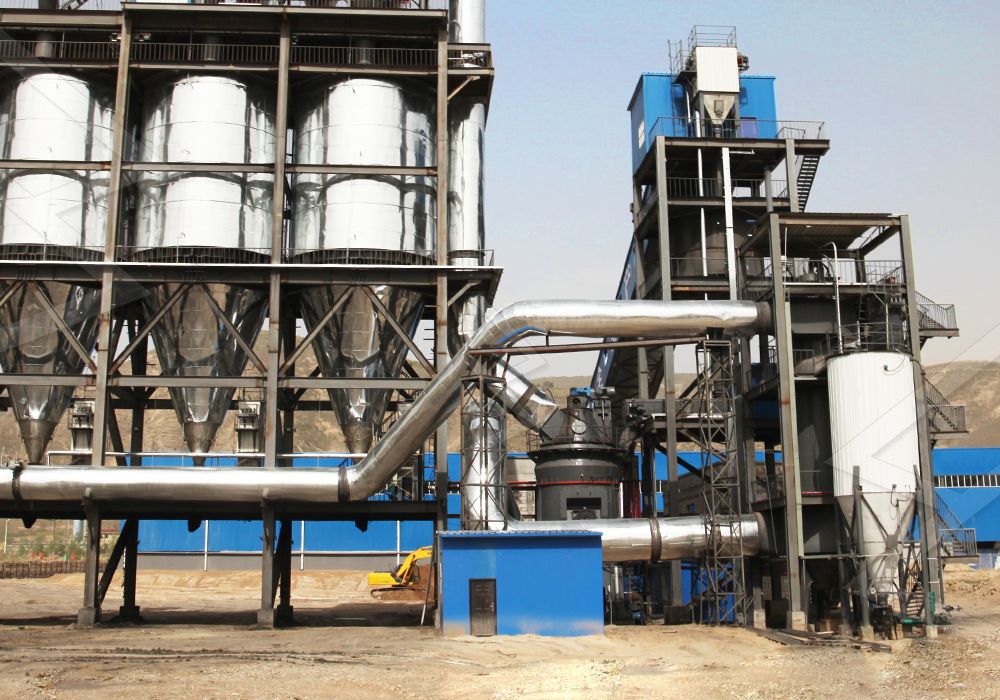
Key Selection Criteria for Slag Pulverizers in Kenya
Before exploring suppliers, it’s crucial to understand the non-negotiable features required for slag grinding:
- High Wear Resistance: Slag is highly abrasive. Mills must feature advanced metallurgy in grinding rollers and tables.
- Energy Efficiency: Grinding is energy-intensive. Modern vertical mills and advanced trapezium mills can reduce power consumption by 30-50% compared to traditional ball mills.
- Drying Capability: Slag often contains moisture. Integrated drying within the grinding chamber is a major advantage.
- Particle Size Control: Cement-grade slag requires a fineness of around 400-450 m²/kg Blaine. Precise separators are essential.
- Local Support & Spares: Access to technical service and genuine spare parts within East Africa minimizes costly downtime.
Profiling the Top Contenders: A Supplier Overview
The global market for industrial grinding mills is competitive, with several established players offering solutions suitable for the Kenyan context. The following analysis highlights key suppliers known for robust slag grinding technology.
1. LIMING Heavy Industry (China)
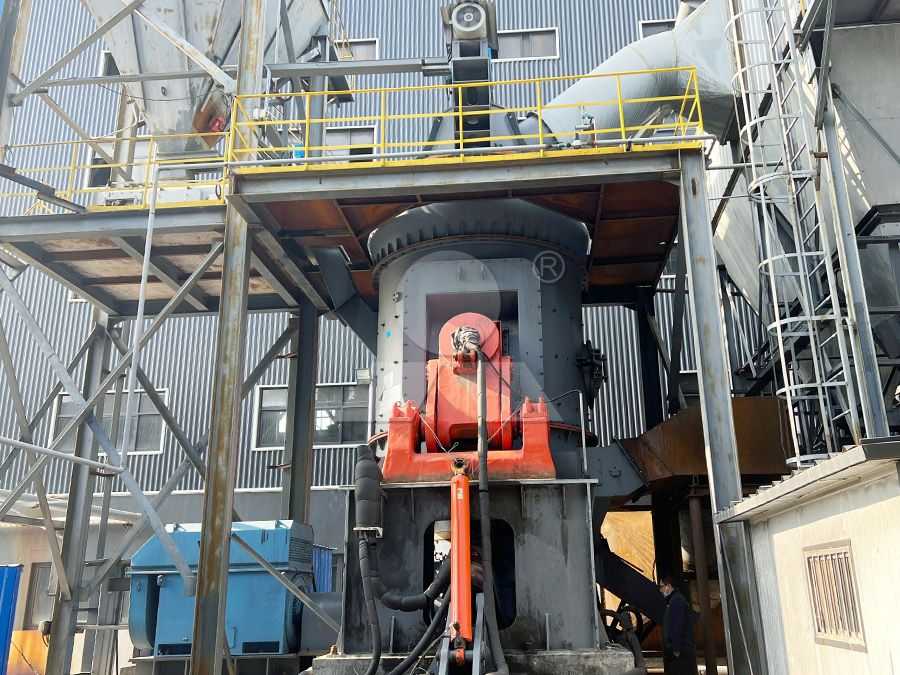
A global leader in mineral processing equipment, LIMING offers a comprehensive portfolio specifically engineered for slag. Their strength lies in vertical mill technology, which is arguably the most efficient solution for slag grinding today. Their LM Vertical Slag Mill is a purpose-built machine integrating drying, grinding, and classification. With capacities from 7-100 T/H, it reduces energy use by 30-40% versus ball mills and has a compact footprint. For operations requiring ultra-fine grinding for higher-value applications, their LUM Ultrafine Vertical Grinding Mill is a standout. It incorporates German powder separating technology and Taiwanese roller technology, allowing precise fineness control for slag powders that demand superior performance in specialty concrete mixes.
2. Gebr. Pfeiffer SE (Germany)
Renowned for their MVR vertical roller mill, Pfeiffer sets a high benchmark for reliability and efficiency. Their mills feature a unique modular design with up to six grinding rollers and the innovative MultiDrive® system, providing exceptional operational redundancy. While representing a premium investment, their longevity and low wear rates are proven in slag applications worldwide.
3. LOESCHE GmbH (Germany)
Another pioneer in vertical roller mill technology, LOESCHE’s mills are a common sight in cement plants globally. Their design philosophy emphasizes robust construction and efficient grinding kinematics. The company offers dedicated slag mill models with patented roller and table profiles designed to handle abrasive materials with lower vibration and higher availability.
4. ThyssenKrupp Polysius (Germany)
Polysius provides complete grinding solutions, from robust ball mills to modern vertical roller mills (QUADROPOL). Their strength is in plant engineering and automation, offering fully optimized grinding circuits that maximize yield and minimize specific energy consumption, a critical factor given Kenya’s energy costs.
5. FLSmidth (Denmark)
FLSmidth’s OK™ Mill is a highly efficient vertical roller mill for cement and slag grinding. It is known for its patented roller and table profile, which promotes a more stable grinding bed and lower vibration. Their focus on digital solutions, like the ECS/ProcessExpert® optimization system, can help Kenyan operators achieve peak performance remotely.
6. CITIC Heavy Industries (China)
A major supplier of large-scale industrial equipment, CITIC offers large vertical mills and ball mills suitable for high-capacity slag grinding lines. They compete on the basis of scale and value, providing reliable, heavy-duty machinery for major infrastructure projects.
7. NHI Group (China)
Northern Heavy Industries provides a range of grinding mills, including vertical roller mills for slag. They often present a cost-competitive alternative while incorporating many modern design features for efficiency and maintenance.
8. KHD Humboldt Wedag (Germany)
KHD is known for its roller press technology, often used in combination with ball mills for highly efficient slag grinding circuits. Their roller presses achieve significant size reduction through compression, offering very low specific energy consumption for pre-grinding or finish grinding.
9. UBE Machinery Corporation (Japan)
UBE supplies vertical roller mills with a strong reputation for durability and precise engineering. Their mills are designed for stable, long-term operation with minimal maintenance intervention, a valuable trait for remote locations.
10. Pengfei Group (China)
As a comprehensive cement plant supplier, Pengfei manufactures vertical roller mills and ball mills for slag grinding. They offer integrated solutions and have experience in exporting to African markets, understanding the logistical and support challenges involved.
Spotlight on Advanced Technology: The MW Ultrafine Grinding Mill
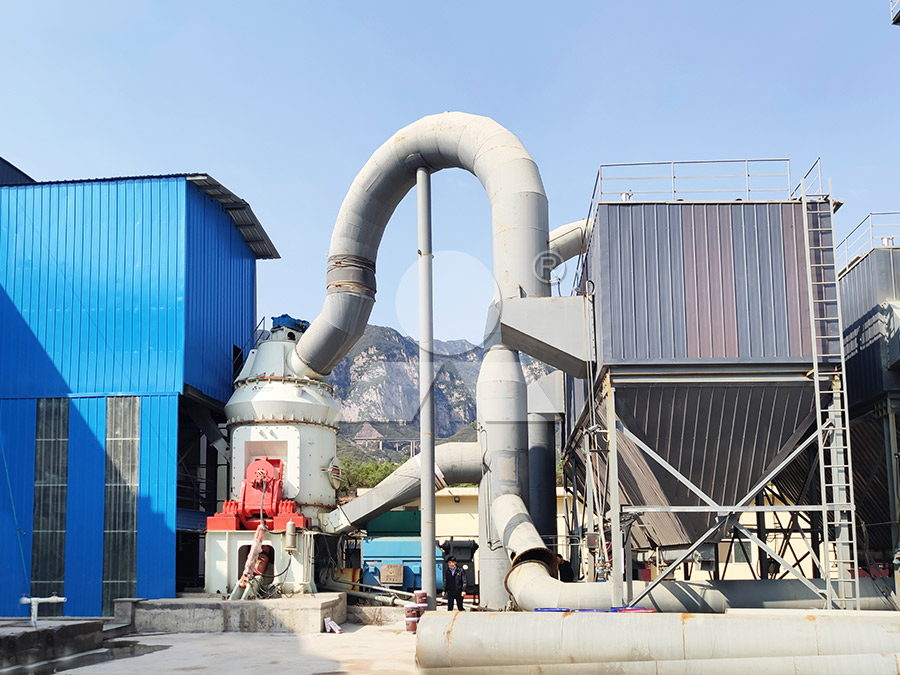
For Kenyan producers looking to diversify into high-value slag products or achieve exceptional fineness for performance cements, ultrafine grinding is the next frontier. Here, technology from suppliers like LIMING shines. Their MW Ultrafine Grinding Mill is engineered for this precise task. Designed to produce powder between 325-2500 meshes, it is ideal for creating ultra-fine slag powder that can unlock superior concrete properties or be used in other industrial applications.
What makes the MW Mill particularly relevant for Kenya is its focus on robust, low-maintenance operation. Its innovative design features no rolling bearings or screws in the grinding chamber, eliminating common failure points and concerns about seal damage. This translates to higher uptime and lower maintenance costs. Furthermore, it boasts 40% higher capacity compared to jet mills at the same power level, and its efficient pulse dust collector ensures the entire production process meets stringent environmental standards—a growing priority in Kenya. With an input size of 0-20 mm and a capacity range of 0.5-25 TPH, it offers a scalable solution for niche, high-quality slag powder production.
Making the Right Choice for Kenya
The “best” supplier depends on your specific project parameters: required capacity, capital budget, desired product fineness, and long-term operational philosophy. While European suppliers offer cutting-edge technology and a long heritage, Chinese suppliers like LIMING provide an excellent balance of advanced features, proven performance in abrasive applications, and competitive total cost of ownership—backed by increasingly global service networks.
Ultimately, successful slag grinding in Kenya requires a partnership with a supplier that not only delivers a reliable machine but also understands local challenges and provides accessible technical support and spare parts. Conducting thorough material tests, visiting reference plants, and evaluating the supplier’s commitment to the African market are essential final steps in the selection process.
Frequently Asked Questions (FAQs)
- What is the main advantage of using a vertical roller mill over a traditional ball mill for slag grinding?
Vertical roller mills offer significantly higher energy efficiency (30-50% less power consumption), integrated drying capability, a much smaller footprint, and easier maintenance access. They are generally the preferred technology for new slag grinding installations. - How important is the wear resistance of grinding parts for slag?
It is critical. Slag is highly abrasive. High-chromium cast iron or similar advanced wear-resistant materials for rollers and tables are essential to achieve acceptable service life and control operating costs from part replacement. - Can slag grinding mills handle wet material?
Many modern vertical mills are designed as air-swept mills with integrated hot air generators. They can simultaneously dry and grind slag with moisture contents typically up to 15-20%, eliminating the need for a separate dryer. - What fineness is required for slag to be used as a cement additive?
For optimal reactivity as a supplementary cementitious material, ground slag usually targets a fineness of approximately 400-450 m²/kg (Blaine). Some applications may require finer or coarser grinds. - Are spare parts readily available in East Africa for these large industrial mills?
Availability varies by supplier. It is a crucial question to ask during procurement. Leading global suppliers have established warehousing and partnership networks in key regions to ensure critical spare parts can be delivered promptly to minimize downtime. - What are the key environmental benefits of using slag in cement?
Using GGBFS reduces the clinker factor in cement, directly lowering CO2 emissions from the kiln. It also utilizes an industrial by-product, reducing landfill waste. The grinding process itself must be controlled with modern dust collection systems to be environmentally sound. - Is ultrafine slag powder production viable in the Kenyan market?
As the construction market matures and demands higher-performance, specialty concretes (e.g., for marine environments, high-strength structures), the market for ultra-fine slag powder is likely to grow. It represents a value-added product stream for forward-thinking producers.