
Grinding Mill Price & Cost Analysis for Limestone Processing in UAE
Grinding Mill Price & Cost Analysis for Limestone Processing in UAE
The United Arab Emirates’ construction and industrial sectors continue to demonstrate robust growth, driving increased demand for high-quality limestone powder used in various applications from cement production to chemical manufacturing. For businesses operating in this competitive market, selecting the right grinding equipment represents one of the most critical capital investment decisions, with long-term implications for operational efficiency, product quality, and profitability.
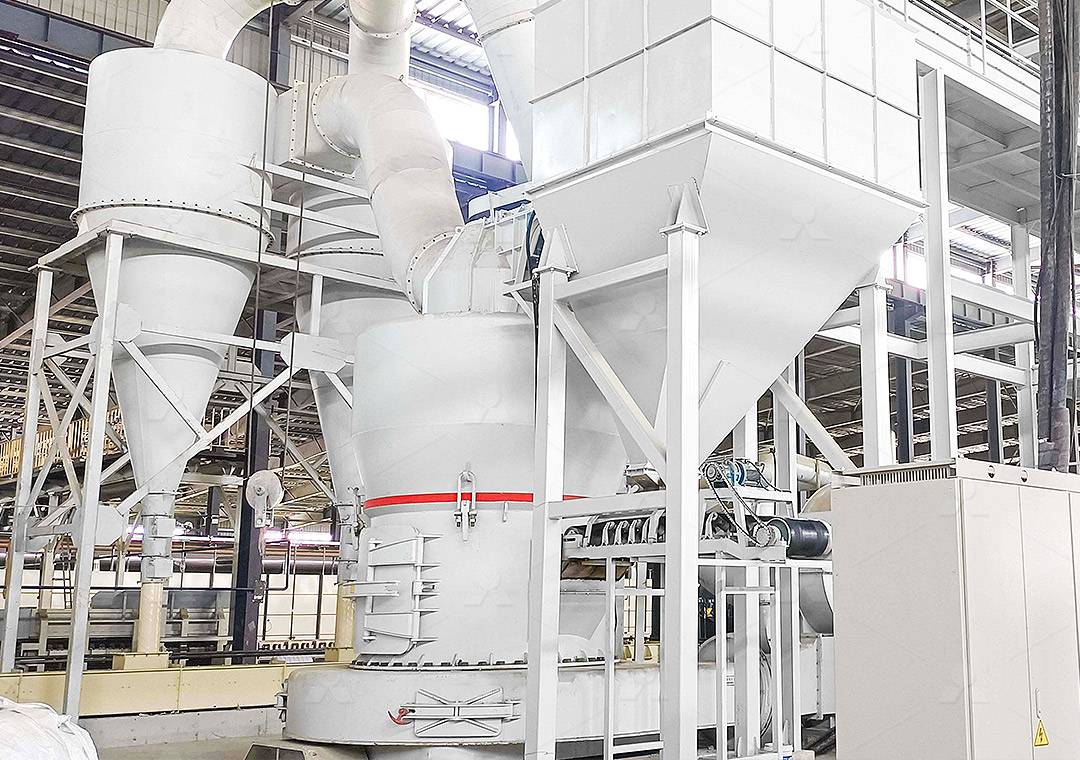
Market Context: Limestone Processing in the UAE
The UAE’s abundant limestone deposits, particularly in the northern emirates, provide raw material for numerous industries. However, the region’s specific conditions—including high temperatures, dust regulations, and energy costs—create unique challenges for milling operations. Companies must balance initial equipment investment against long-term operational expenses, while ensuring compliance with increasingly stringent environmental standards.
Traditional grinding solutions often prove inadequate for the precision requirements of modern industrial applications. Ball mills, while having lower upfront costs, typically consume 30-40% more energy than advanced vertical mills and require more frequent maintenance in abrasive limestone processing. Raymond mills offer intermediate solutions but may lack the fineness control needed for premium applications.
Key Factors in Grinding Mill Selection
When analyzing grinding mill options for limestone processing in the UAE, several critical factors demand consideration:
Production Capacity Requirements
UAE limestone processing operations typically range from small (1-5 tph) to medium-scale (15-30 tph) operations. The mill must match both current needs and anticipated growth. Under-sizing equipment leads to production bottlenecks, while oversizing results in unnecessary capital expenditure and inefficient partial-load operation.
Finished Product Specifications
Different applications demand specific particle size distributions. Construction materials might require 200-325 mesh fineness, while fillers for plastics or paints often need ultra-fine powders reaching 800-2500 mesh. The ability to consistently produce within tight specifications directly impacts product marketability and price premium.
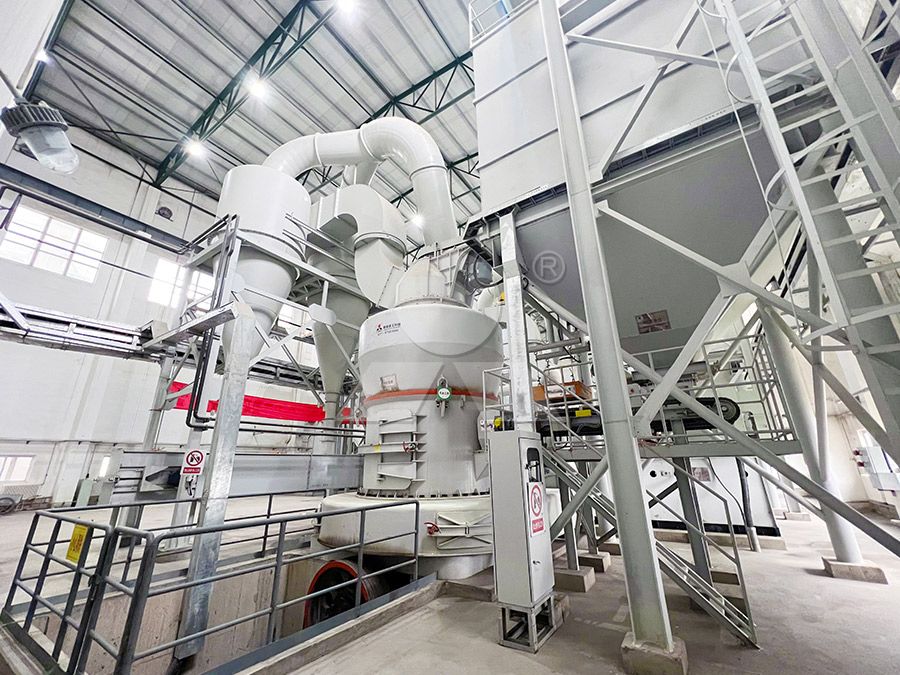
Operational Costs Breakdown
Beyond the initial purchase price, operational expenses constitute the majority of lifetime costs:
- Energy consumption: Typically 55-70% of operating costs
- Wear part replacement: 15-25% of operating costs
- Labor and maintenance: 10-15% of operating costs
- Dust collection and environmental compliance: 5-10% of operating costs
Advanced Grinding Solutions for UAE Market
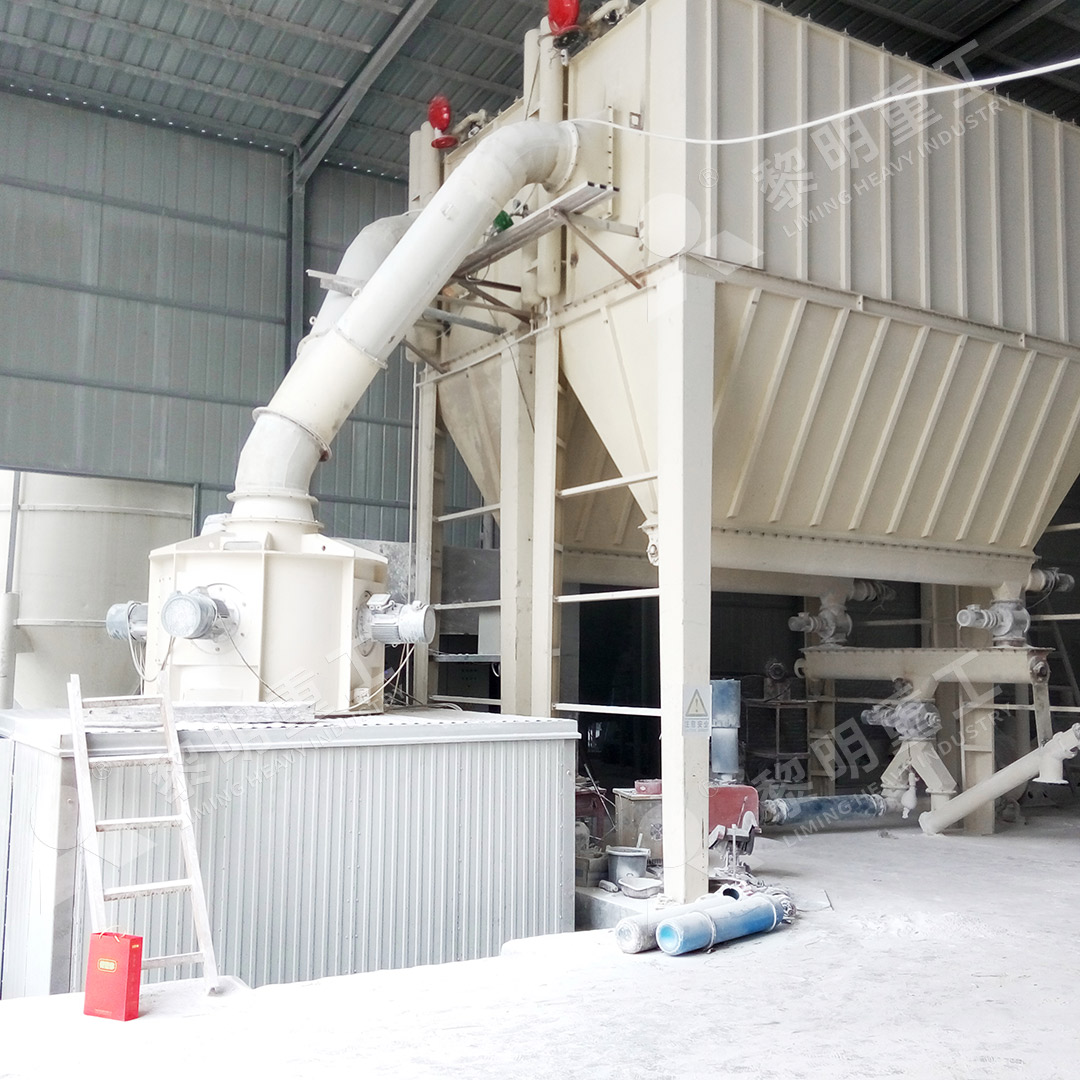
For operations requiring ultra-fine limestone powder with superior particle distribution, the MW Ultrafine Grinding Mill presents an optimal solution. With an input size capacity of 0-20 mm and production range of 0.5-25 tph, this machine accommodates most UAE limestone processing requirements. Its innovative design features higher yielding at lower energy consumption—achieving 40% higher production capacity than jet mills with only 30% of the energy consumption.
The MW Ultrafine Grinding Mill’s adjustable fineness between 325-2500 meshes makes it exceptionally versatile for operations serving multiple market segments. The absence of rolling bearings and screws in the grinding chamber eliminates common failure points, significantly reducing downtime in demanding continuous operations. For UAE operators concerned with environmental regulations, the integrated pulse dust collector ensures compliance while the muffler system addresses noise pollution concerns in increasingly regulated industrial zones.
Cost Analysis: Traditional vs. Advanced Mills
A comprehensive five-year cost analysis reveals significant advantages for advanced grinding technologies:
| Cost Component | Ball Mill | Raymond Mill | MW Ultrafine Mill |
|---|---|---|---|
| Initial Investment | $180,000 | $220,000 | $285,000 |
| Annual Energy Cost | $95,000 | $78,000 | $52,000 |
| Annual Maintenance | $25,000 | $18,000 | $12,000 |
| 5-Year Total Cost | $785,000 | $688,000 | $557,000 |
This analysis demonstrates how higher initial investment in advanced technology yields substantial returns through reduced operating expenses, particularly in energy-intensive UAE conditions where electricity costs continue to rise.
Implementation Considerations for UAE Operations
Successful grinding mill implementation in the UAE requires attention to several region-specific factors:
Environmental Compliance
UAE regulatory frameworks increasingly emphasize dust control and noise pollution management. Modern mills with integrated environmental controls significantly simplify compliance. The MW Ultrafine Grinding Mill’s pulse dust collector and silencer system, for instance, ensure operations meet strict standards without additional investments in auxiliary equipment.
After-Sales Support
Geographic isolation from major manufacturing centers makes reliable after-sales support crucial. Selection should prioritize suppliers with established UAE presence and comprehensive spare parts inventories. The assurance of technical support and original spare parts availability directly impacts operational reliability and minimizes costly production interruptions.
Adaptation to Local Conditions
High ambient temperatures, abrasive dust, and voltage fluctuations present challenges not always encountered in temperate climates. Equipment must be specifically configured or hardened for these conditions. Solutions like external lubrication systems that allow maintenance without shutdown prove particularly valuable in continuous operations common in the region.
Return on Investment Perspective
The premium for advanced grinding technology typically delivers returns within 18-30 months for medium-scale UAE operations. Factors accelerating ROI include:
- Higher value products commanding price premiums
- Reduced energy consumption amid rising power costs
- Lower maintenance requirements and reduced downtime
- Extended equipment lifespan with proper maintenance
- Enhanced operational flexibility to meet varying customer specifications
For operations targeting premium market segments, the ability to consistently produce high-value ultra-fine powders often justifies the investment independently of operational savings.
Future-Proofing Your Investment
With UAE industrial strategy emphasizing sustainability and advanced manufacturing, equipment selections made today should anticipate tomorrow’s requirements. Technologies offering digital interfaces for remote monitoring, compatibility with automation systems, and adaptability to evolving environmental standards provide protection against premature obsolescence.
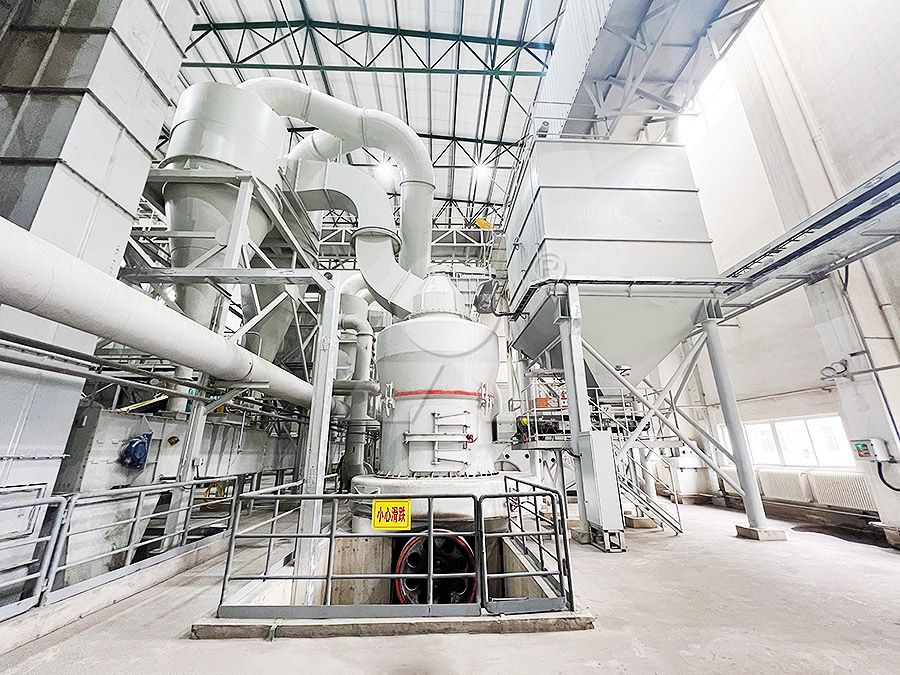
The LUM Ultrafine Vertical Grinding Mill represents another forward-looking option, particularly for operations requiring precise control over product characteristics. With input size of 0-10 mm and capacity of 5-18 tph, it incorporates the latest grinding roller and powder separating technologies. Its reversible structure facilitates maintenance while double position-limiting technology ensures operational stability—valuable features in 24/7 industrial environments.
Conclusion
Grinding mill selection represents a strategic decision with decade-long implications for UAE limestone processors. While traditional technologies may appear economically attractive initially, comprehensive cost analysis consistently favors advanced solutions like the MW Ultrafine Grinding Mill for operations prioritizing efficiency, product quality, and regulatory compliance. The higher initial investment typically yields compelling returns through dramatically reduced operating costs and enhanced product marketability.
As the UAE continues its transition toward knowledge-based advanced manufacturing, investments in grinding technology that deliver precision, efficiency, and sustainability will increasingly determine competitive positioning across limestone-dependent industries.
Frequently Asked Questions
What is the typical payback period for upgrading to advanced grinding mills in UAE operations?
Most UAE operations experience payback periods of 18-30 months when upgrading from traditional ball mills to advanced technologies like the MW Ultrafine Grinding Mill. The exact timeframe depends on production volume, local electricity rates, and the premium achievable for higher-quality products.
How does the extreme UAE climate affect grinding mill performance and maintenance?
High temperatures and dust levels can accelerate wear and reduce efficiency in improperly specified equipment. Modern mills designed with external lubrication systems, enhanced cooling, and superior sealing perform better in these conditions. Regular maintenance intervals may be slightly shortened compared to temperate environments.
What fineness ranges are achievable with advanced grinding mills for limestone?
Advanced mills like the MW Ultrafine Grinding Mill can produce limestone powders ranging from 325 to 2500 meshes, with some operations achieving even finer specifications. The exact fineness depends on raw material characteristics and specific machine configuration.
How significant are energy savings with modern grinding technology?
Energy consumption reductions of 30-50% are typical when comparing advanced vertical mills to traditional ball mills. In energy-intensive grinding operations, this often translates to annual savings of $40,000-$60,000 for medium-scale UAE plants.
What environmental compliance features should I prioritize for UAE operations?
Integrated pulse dust collectors, effective silencer systems, and completely enclosed negative-pressure operation are critical for meeting UAE environmental standards. These features prevent dust emissions and contain noise pollution within regulated limits.
How does material moisture content affect grinding mill selection?
Higher moisture content requires mills with integrated drying capabilities. While some advanced mills can handle materials with moderate moisture, very wet limestone may require pre-drying or specifically designed grinding-drying systems to maintain efficiency.
What spare parts inventory should UAE operations maintain?
Critical wear parts including grinding rollers, rings, and classifier blades should be kept in stock, along with essential seals and bearings. Suppliers with regional warehouses significantly reduce downtime when replacements are needed.
Can advanced grinding mills handle variations in raw material hardness?
Yes, modern mills with adjustable grinding pressure and rotational speed can accommodate normal variations in limestone hardness. However, extremely abrasive materials may require special wear protection and more frequent maintenance.