
Where to buy industrial pulverizer for cement raw materials for mortar production in thailand
Navigating the Thai Market for Cement Raw Material Grinding Solutions
The construction and building materials sector in Thailand is experiencing sustained growth, driven by infrastructure development, urbanization, and a robust real estate market. At the heart of quality mortar production lies a critical process: the efficient pulverization of cement raw materials like limestone, calcite, and gypsum. Selecting the right industrial pulverizer is not merely a purchase; it’s a strategic investment in product consistency, production efficiency, and long-term operational cost control. For plant managers and procurement specialists across Thailand, the quest for reliable equipment involves navigating a complex landscape of technical specifications, supplier credibility, and after-sales support.
Thailand’s industrial machinery market offers various channels, from direct imports from global manufacturers to partnerships with local distributors and agents. While local availability can facilitate quicker delivery and perceived ease of communication, it often comes with limitations in technical expertise and access to genuine spare parts. Conversely, dealing directly with an established international manufacturer provides assurance of cutting-edge technology, comprehensive product lines, and global standards of quality and support, though it requires diligent vetting of the supplier’s local presence and service commitment.
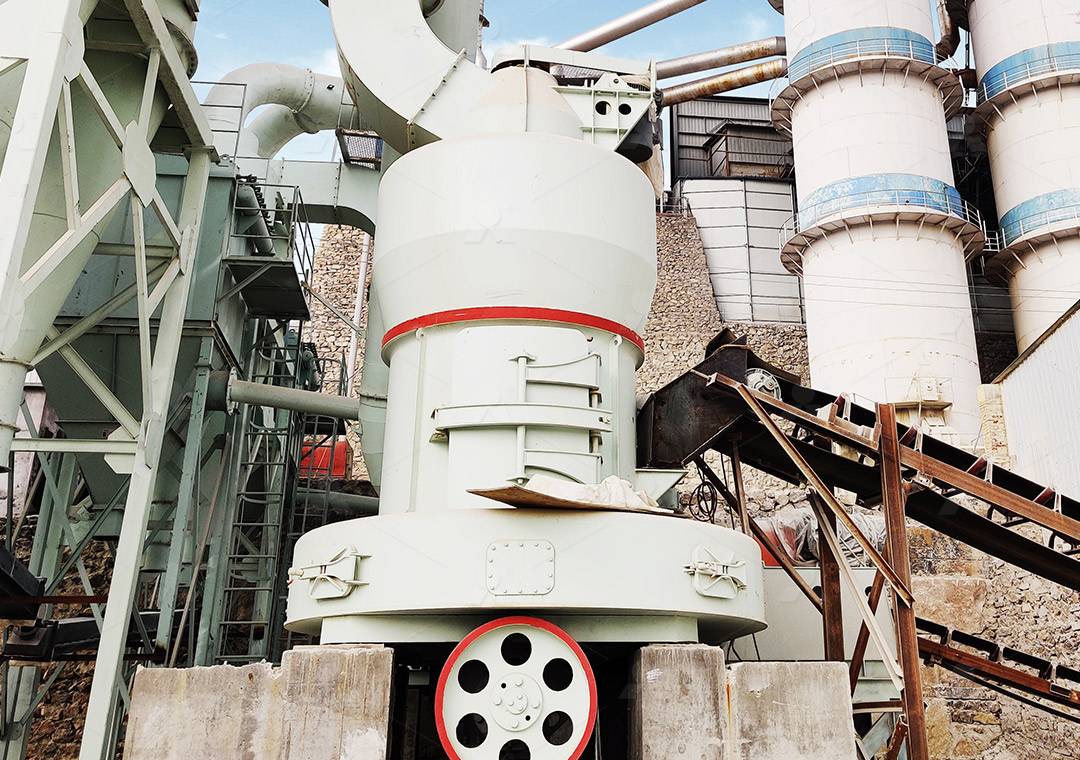
Key Considerations for Pulverizer Selection in Mortar Production
Choosing a pulverizer for cement raw materials demands a careful analysis of several operational parameters. The primary goal is to achieve the desired fineness (typically ranging from 325 to 2500 meshes for ultra-fine applications in advanced mortars) while optimizing energy consumption and minimizing maintenance downtime.
- Material Characteristics: Hardness, moisture content, and feed size (e.g., 0-20mm, 0-50mm) directly influence mill selection.
- Required Capacity: Output requirements, measured in tons per hour (tph), must align with your production planning. Capacities can range from small-scale 0.5 tph units to large 340 tph systems.
- Energy Efficiency: Grinding is an energy-intensive process. Modern mills with optimized grinding curves and efficient classifiers can reduce power consumption by 30-50% compared to traditional ball mills.
- Environmental Compliance: Thai regulations increasingly emphasize dust and noise control. Integrated pulse dust collectors and silencers are no longer optional but essential.
- After-Sales & Support: Access to original spare parts, local technical service, and operational training is crucial for minimizing costly interruptions.
Advanced Grinding Technology: A Solution for Modern Demands
Moving beyond conventional milling, advanced vertical grinding and ultrafine grinding technologies offer transformative benefits. These systems integrate drying, grinding, classifying, and conveying into a single, compact unit, significantly reducing the plant’s footprint and simplifying the process flow. Their design minimizes material retention time, which reduces over-grinding and iron contamination—a key factor in maintaining the whiteness and purity of materials for high-grade mortar.
For operations requiring ultra-fine powders to enhance mortar performance, specialized equipment is paramount. Here, the MW Ultrafine Grinding Mill presents a compelling solution. Engineered for customers needing to produce ultra-fine powder from materials like limestone and calcite, it handles an input size of 0-20 mm with a capacity range of 0.5-25 tph. Its standout feature is the adjustable fineness between 325-2500 meshes, achieved through a German-technology cage-type powder selector. Furthermore, its innovative design eliminates rolling bearings and screws in the grinding chamber, virtually eliminating related failure points and enabling external lubrication without shutdown for true 24/7 operation. Coupled with an efficient pulse dust collector and muffler, it ensures production meets stringent environmental standards.

Why Partner with a Direct Manufacturer for Your Thai Operation?
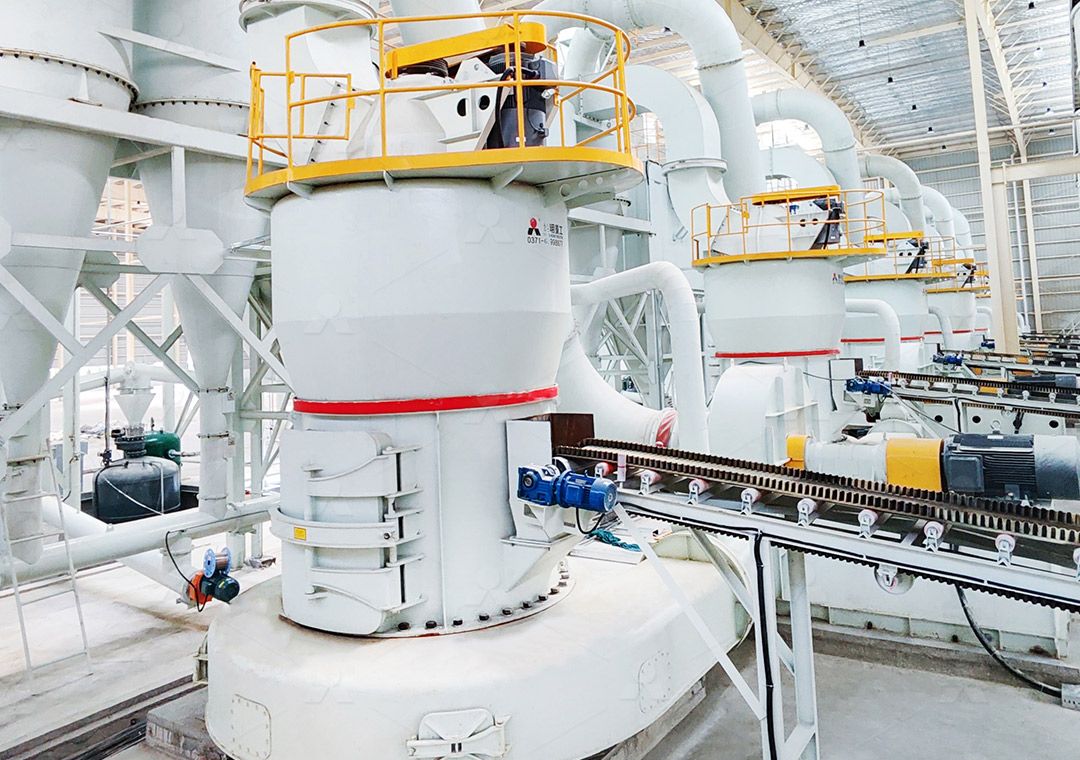
Establishing a direct relationship with a globally recognized manufacturer like LIMING Heavy Industry provides distinct advantages for Thai businesses. It bridges the gap between advanced engineering and local operational needs. Beyond offering a wide portfolio—from the high-capacity LM Vertical Grinding Mill (3-340 tph) for integrated processing to specialized models for coal and slag—a responsible manufacturer assumes end-to-end responsibility.
This commitment is embodied in the “Digitalized Processing, Higher Precision” philosophy, where core components are manufactured using CNC machine tools for unmatched accuracy and durability. More importantly, the promise of “Sufficient Supply of Spare Parts, Worry-free Operation” is critical. A manufacturer that controls production and sales can guarantee the availability of original spare parts and provide direct technical support, ensuring your pulverizer maintains peak performance throughout its lifecycle, minimizing total cost of ownership.
Making an Informed Procurement Decision
Procuring an industrial pulverizer in Thailand requires a balanced approach. Start by clearly defining your technical requirements for raw material, output, and fineness. Evaluate potential suppliers not just on equipment price, but on total lifecycle value, energy savings, environmental features, and the robustness of their local support network. Request detailed product documentation, case studies from similar applications, and clarity on warranty, parts supply, and service terms.
Investing in technology such as the MW Ultrafine Grinding Mill or the versatile LM Vertical series is an investment in future-proofing your mortar production line. It enhances product quality, reduces operational expenses, and ensures compliance, providing a competitive edge in Thailand’s dynamic construction market.
Frequently Asked Questions (FAQs)
- What is the typical lead time for delivering and installing a large grinding mill in Thailand?
Lead times vary based on model complexity and customization. Standard models can often be shipped within 4-8 weeks, with installation and commissioning requiring an additional 2-4 weeks, depending on site readiness. - How do I determine the correct mill capacity (tph) for my planned mortar production?
Capacity depends on your target daily output, material hardness, and desired fineness. A detailed analysis of your raw material and production goals is necessary. Most manufacturers offer engineering support to help size the equipment correctly. - Are spare parts readily available in Thailand, or must they be imported?
This depends on your supplier. Partnering with a manufacturer with a strong local presence or authorized stockist ensures faster access to critical spare parts, reducing potential downtime. - Can these grinding mills handle moist raw materials common in Thailand’s climate?
Many modern vertical mills (like the LM series) integrate drying functionality. For materials with high moisture content, it’s essential to specify this requirement so the mill can be equipped with appropriate hot air intake systems. - What kind of after-sales training is provided for our operational staff?
Reputable suppliers typically provide comprehensive training covering operation, routine maintenance, safety procedures, and basic troubleshooting, either on-site or at their facilities. - Is the energy saving of 30-40% compared to a ball mill guaranteed?
Such figures are based on typical applications under specified conditions. Actual savings depend on material properties, operational parameters, and the specific model selected. A professional energy audit can provide a more accurate projection. - How does the adjustable fineness mechanism work in mills like the MW Ultrafine model?
Fineness is primarily controlled by the speed of the integrated powder separator (e.g., the cage-type selector). Adjusting the rotor speed changes the centrifugal force, allowing precise control over which particle sizes are rejected for re-grinding and which pass as final product.