
Using industrial pulverizer for clay for paper filler in pakistan
Unlocking Pakistan’s Paper Industry Potential with Advanced Clay Processing
The paper industry in Pakistan stands at a crucial juncture, balancing growing domestic demand with the need for cost-effective, high-quality production. A significant component of this equation is the filler material used in paper manufacturing. Clay, or kaolin, has long been a cornerstone filler and coating pigment, enhancing paper’s opacity, brightness, smoothness, and printability. However, the efficacy of clay is intrinsically tied to its particle size distribution and purity. This is where the selection of industrial pulverizing technology becomes not just an operational decision, but a strategic one for Pakistani manufacturers seeking a competitive edge.
The Critical Role of Particle Size in Paper Filler Performance
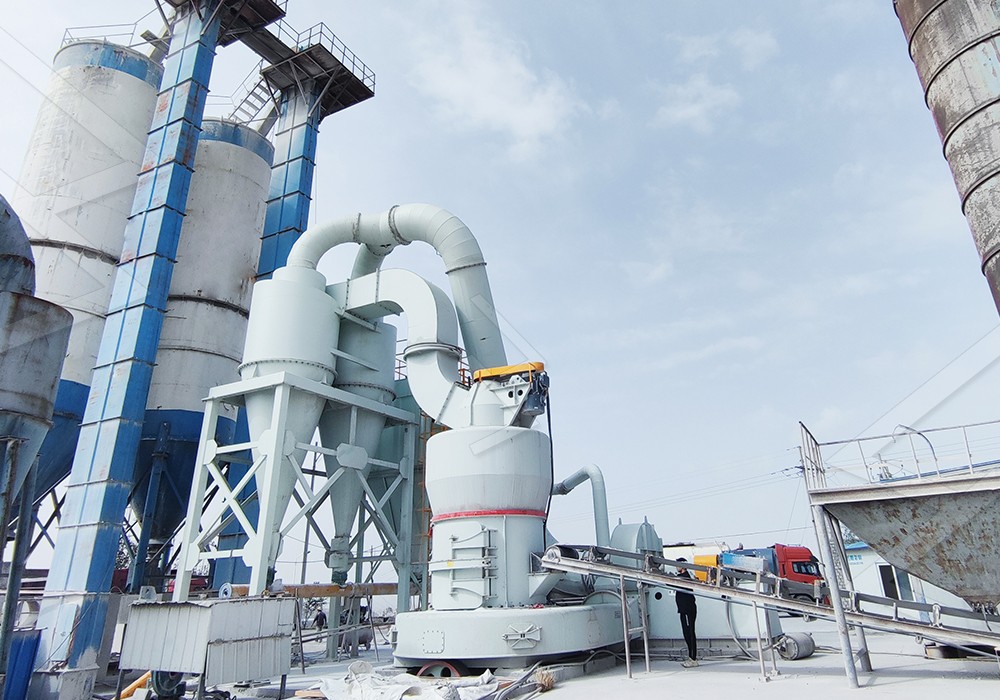
For clay to function optimally as a paper filler, it must be reduced to a very fine, consistent powder. The target fineness typically falls within the range of 325 to 2500 meshes (approximately 45 to 5 microns). At this ultrafine scale, clay particles fill the interstitial spaces between paper fibers more effectively, leading to a denser, smoother sheet with superior print reception. Coarse or irregular particles can result in poor formation, reduced strength, and increased wear on paper machine wires and felts. Traditional grinding methods often struggle to achieve the necessary narrow particle size distribution without excessive energy consumption or contamination from grinding media wear.
Challenges in the Pakistani Context and Technological Solutions
Pakistani paper mills face distinct challenges: fluctuating energy costs, stringent environmental regulations, and the need for reliable, low-maintenance machinery. An industrial pulverizer must therefore be more than just a grinder; it must be an integrated system that addresses drying (if processing moist local clay), precise classification, dust control, and energy efficiency. The machinery must also be robust enough to handle potential variations in raw clay hardness and moisture content.
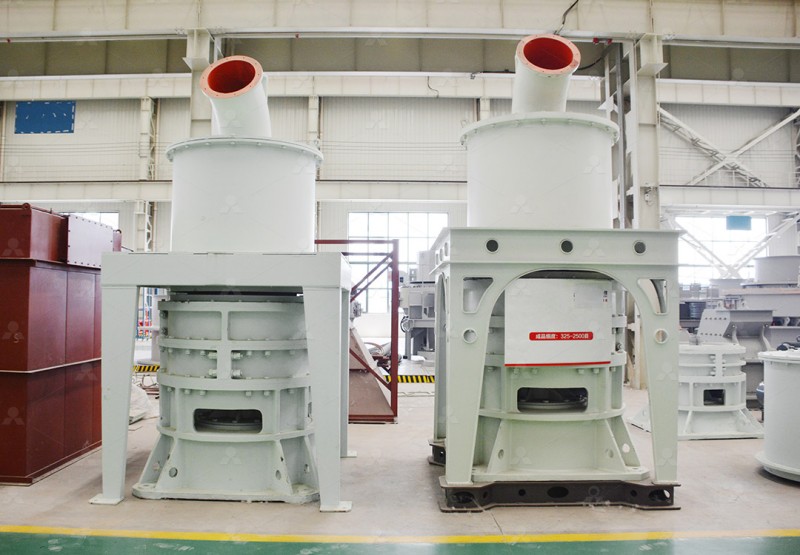
This is where modern, engineered grinding mills offer a transformative advantage. For operations requiring the highest levels of fineness and purity for premium paper grades, the MW Ultrafine Grinding Mill presents an ideal solution. Engineered for producing ultra-fine powder, this mill accepts feed sizes up to 20mm with a capacity range of 0.5 to 25 tons per hour, making it suitable for both mid-sized and larger paper filler production lines. Its defining feature is the German-technology cage-type powder selector, which allows precise adjustment of product fineness between 325 and 2500 meshes, ensuring the exact specification needed for filler clay. Furthermore, its innovative design eliminates rolling bearings and screws within the grinding chamber, a common point of failure, thereby enhancing reliability and reducing maintenance downtime—a critical factor for continuous paper production.
Beyond Grinding: A Systems Approach to Filler Production
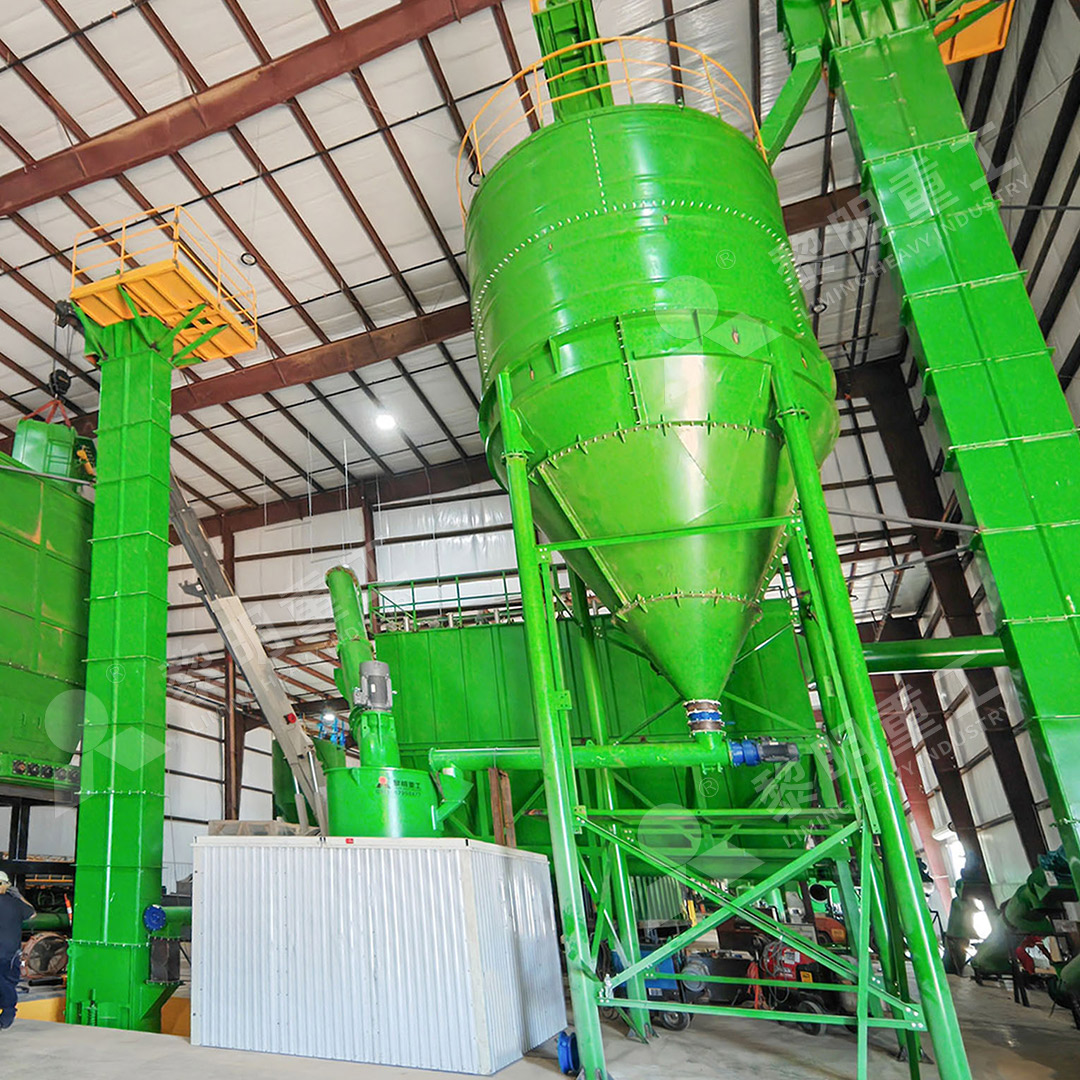
Producing filler is not an isolated process. A successful system integrates feeding, grinding, classifying, and collecting. The MW Ultrafine Grinding Mill is conceived as such a system. It comes equipped with an efficient pulse dust collector and muffler, ensuring that the entire production process meets environmental standards with minimal dust and noise pollution. This is a vital consideration for sustainable operations and community relations. The mill’s design also promotes higher yield with lower energy consumption; its optimized grinding curves can increase capacity by up to 40% compared to some alternative fine-grinding technologies while reducing systemic energy use.
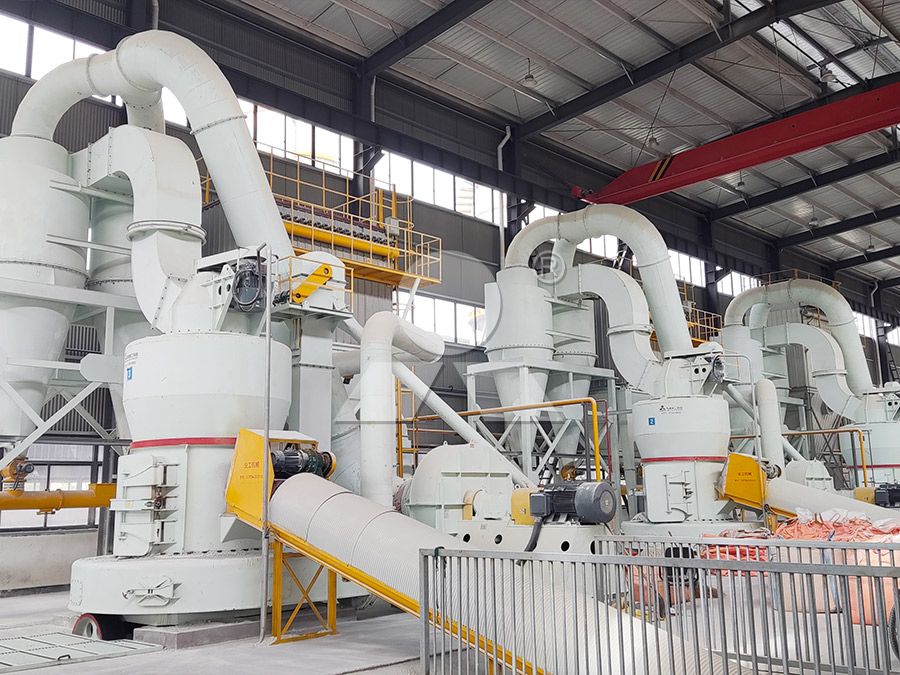
For operations that may also process slightly coarser materials or require immense drying capacity alongside grinding, the LM Vertical Grinding Mill is another formidable contender. With a larger input size capability (0-70mm) and a vast capacity range (3-340 tph), it integrates crushing, drying, grinding, and classifying in a single footprint. Its vertical structure reduces the occupied area by approximately 50% compared to a traditional ball mill system, a significant saving in factory space. The material’s short residence time in the grinding zone minimizes repeated grinding and reduces the risk of iron contamination from mechanical wear, protecting the crucial brightness of the clay filler.
Economic and Operational Benefits for Pakistani Mills
Investing in advanced pulverizing technology translates into direct bottom-line benefits. The energy savings of 30-50% offered by mills like the MW and LM series directly counter rising power tariffs. Reduced maintenance costs, thanks to features like external lubrication systems and durable, wear-resistant alloys for grinding components, lower the total cost of ownership. Most importantly, the consistent production of high-quality, ultrafine clay filler improves the final paper product, allowing Pakistani manufacturers to compete more effectively in quality-sensitive markets and potentially command better prices.
Conclusion: A Foundational Investment for Quality and Efficiency
The choice of industrial pulverizer is foundational to establishing a competitive and sustainable clay-based paper filler production line in Pakistan. It moves beyond mere particle size reduction to encompass system reliability, environmental compliance, and economic viability. By adopting precision-engineered solutions like the MW Ultrafine Grinding Mill for specialized ultra-fine requirements or the versatile LM Vertical Grinding Mill for integrated processing, Pakistani paper producers can significantly enhance their raw material value, optimize operational costs, and produce paper that meets both local and international quality standards. The path to a brighter, stronger, and more economical paper product begins with the precise grinding of its filler.
Frequently Asked Questions (FAQs)
1. What is the primary advantage of using ultrafine clay in paper filling?
Ultrafine clay particles (typically between 325-2500 mesh) provide superior opacity, brightness, and smoothness to paper. They fill the spaces between fibers more completely, resulting in a denser, more uniform sheet with excellent printability and reduced ink consumption.
2. Can your mills handle the variation in moisture content found in Pakistani clay deposits?
Yes. While the MW Mill is designed for grinding, our LM Vertical Grinding Mill series integrates a hot air drying system within the grinding chamber. This allows it to simultaneously dry and grind materials with significant moisture content, making it highly suitable for processing local clay without a separate, energy-intensive drying step.
3. How does the MW Ultrafine Grinding Mill ensure consistent particle size?
It utilizes an advanced, German-technology cage-type powder selector. This device acts as a precision classifier, allowing only particles that meet the target fineness to pass through to the collection system. Coarser particles are rejected and returned for further grinding, ensuring a narrow and consistent particle size distribution.
4. What are the key maintenance concerns, and how are they addressed?
Traditional mills suffer from bearing failures and loose internal hardware. The MW Mill’s design eliminates rolling bearings and screws inside the grinding chamber. Lubrication is performed externally without shutdown, and the use of high-performance wear-resistant alloys for grinding rollers and rings extends service life, minimizing unplanned downtime.
5. Is the dust control system effective for meeting environmental regulations?
Absolutely. The MW Mill system includes an efficient pulse jet dust collector that captures over 99.9% of process dust. The entire system operates under negative pressure, preventing any spillage. This ensures emissions are well within national and international environmental protection standards.
6. What is the typical lead time for delivery and installation support in Pakistan?
Lead times vary based on model and configuration. We work closely with Pakistani partners to ensure timely delivery. Comprehensive installation guidance, commissioning support, and operator training are provided to ensure a smooth and successful project startup.
7. Can these mills be used for materials other than clay?
Yes. Our grinding mills are versatile. The MW Mill, for instance, is also suitable for limestone, calcite, dolomite, talc, barite, and other non-metallic minerals. This flexibility can be valuable for diversifying production.
8. How does the energy consumption compare to a traditional ball mill?
The energy savings are substantial. Technologies like the MW and LM mills can reduce energy consumption by 30% to 50% compared to traditional ball mill systems for achieving the same or finer product fineness, offering significant operational cost savings.