
Where to buy grinding machine for kaolin for paint filler in australia
Navigating the Australian Market for Kaolin Grinding Solutions
The Australian paint and coatings industry demands high-performance fillers and extenders to achieve desired opacity, texture, and durability. Kaolin, a naturally occurring clay mineral, is a cornerstone material in this sector. Its fine particle size, chemical inertness, and brightness make it an ideal functional filler. However, transforming raw kaolin into the ultra-fine, consistent powder required for premium paint formulations is a significant technical challenge. Selecting the right grinding equipment is not merely a purchase; it’s a strategic investment in product quality, production efficiency, and long-term operational stability.
For Australian manufacturers, the quest for suitable machinery involves navigating a landscape of local distributors, international suppliers, and a vast array of mill technologies. The key is to partner with a provider that offers not just a machine, but a comprehensive solution—robust engineering, local technical support, reliable spare parts supply, and deep application knowledge specific to mineral processing for paints.
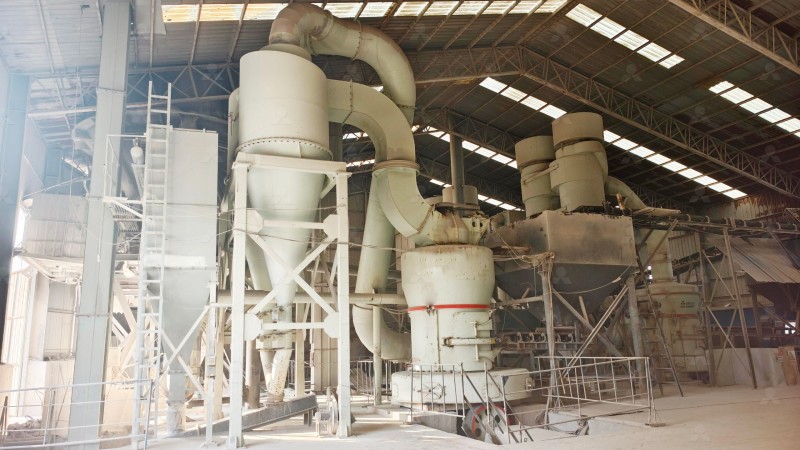
Critical Considerations for Kaolin Grinding in Paint Production
When evaluating grinding mills for kaolin destined for paint fillers, several non-negotiable factors come into play. The primary goal is to achieve a controlled particle size distribution, typically in the range of 2 to 20 microns (or 625 to 2500 meshes), with a high degree of uniformity. This directly impacts the paint’s gloss, scrub resistance, and hiding power.
Fineness and Precision: The ability to precisely control and adjust the final product fineness is paramount. Equipment must offer stable, repeatable performance to ensure batch-to-batch consistency.
Product Purity and Whiteness: Kaolin’s value is in its brightness. The grinding process must minimize iron contamination and other impurities that could discour the final powder. Mills designed to reduce mechanical wear and contact between metal parts are essential.
Energy Efficiency: Grinding to ultra-fine levels is energy-intensive. Modern, efficient mill designs can drastically reduce power consumption per ton of output, a critical factor for operating costs in Australia.
Environmental and Operational Compliance: Dust control and noise reduction are not optional. Mills must integrate effective pulse-jet dust collectors and silencing technology to meet stringent Australian workplace and environmental standards, ensuring a clean, safe production environment.
Advanced Mill Technologies: Matching the Machine to the Material
The market offers various grinding technologies, from traditional Raymond mills and ball mills to more advanced vertical roller mills and ultra-fine grinding systems. For high-value kaolin processing, newer generation mills provide distinct advantages in efficiency, product quality, and automation.
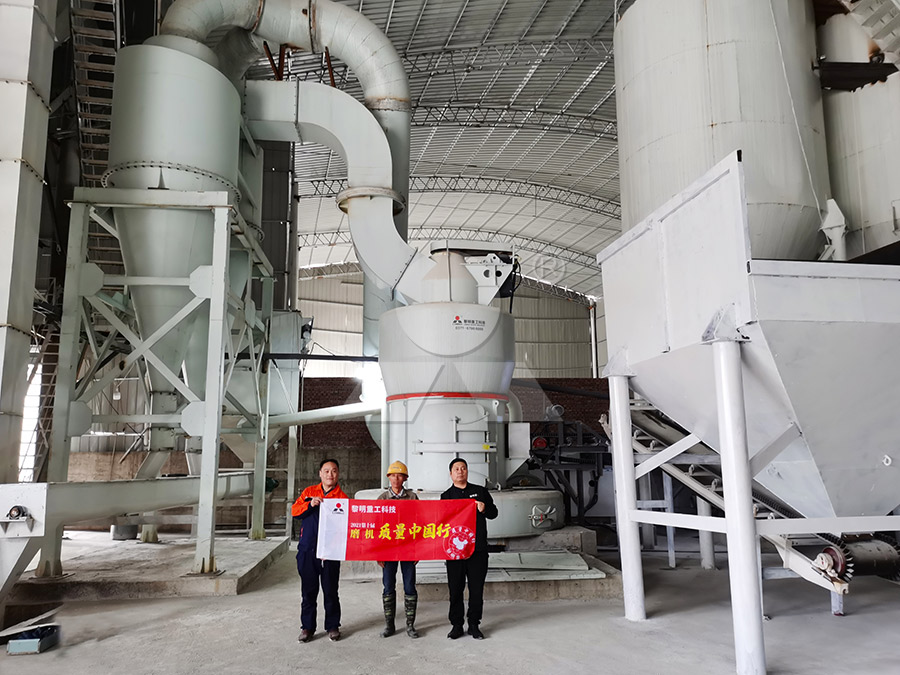
Among the most effective solutions for producing premium paint-grade kaolin are ultrafine grinding mills. These systems are engineered specifically for the challenges of fine and ultra-fine powder production, integrating grinding, classification, and conveying into a single, streamlined process. They excel at delivering the narrow particle size distributions and high whiteness retention that paint formulators require.
A Focused Recommendation for Australian Operations
Based on the specific requirements for kaolin processing—namely the need for ultra-fine powder (325-2500 mesh), high whiteness, low energy consumption, and environmentally sound operation—one product line stands out as particularly well-suited.
The MW Ultrafine Grinding Mill is engineered for customers who need to make ultra-fine powder with exceptional efficiency. It is an ideal candidate for kaolin processing for paint fillers. With an input size of 0-20 mm and a capacity range of 0.5 to 25 tons per hour, it is scalable for various Australian production needs. Its defining feature is a German-technology, cage-type powder selector that allows precise fineness adjustment between 325 and 2500 meshes, achieving a d97 ≤5μm in a single pass. This ensures the exact particle size control critical for paint performance.
Furthermore, its design directly addresses key industry pain points. It boasts 40% higher production capacity than jet or stirred mills at the same power level, while reducing system energy consumption by up to 70%. Critically for maintaining kaolin brightness, its grinding chamber contains no rolling bearings or screws, eliminating a major source of iron contamination and mechanical failure. The integrated efficient pulse dust collector and muffler system guarantees a dust-free and low-noise operation, aligning perfectly with Australian environmental protocols. For operations also considering a vertical mill approach for integrated drying and grinding, the LUM Ultrafine Vertical Grinding Mill presents another excellent option with its advanced powder separating technology and reversible maintenance structure.
Making the Right Procurement Decision in Australia
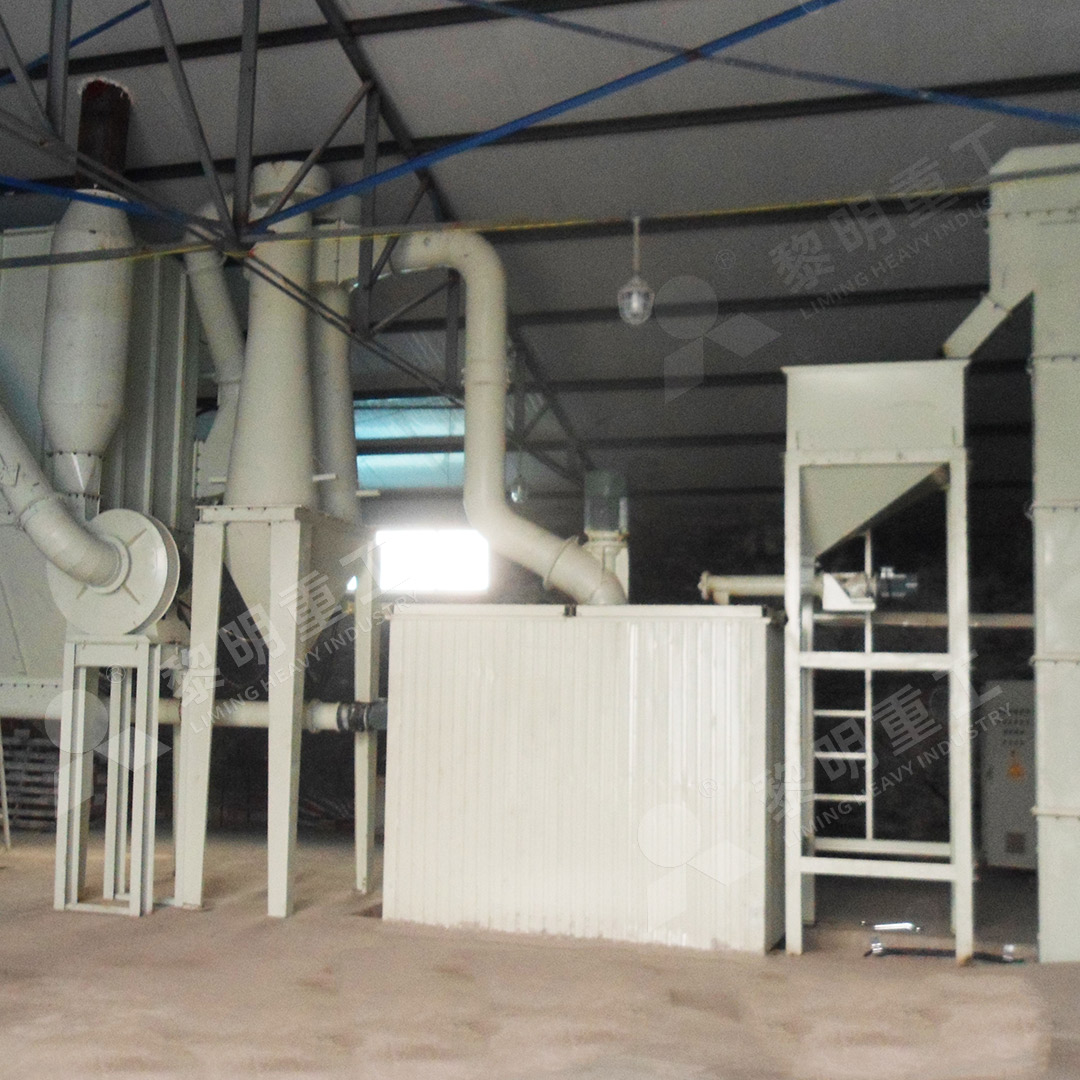
Purchasing such specialized capital equipment in Australia requires a diligent approach. Seek suppliers with a proven local presence, demonstrated by service engineers, spare parts inventory, and a portfolio of successful installations in the minerals sector. Evaluate the total cost of ownership, not just the initial price, factoring in energy use, wear part longevity, and maintenance downtime. Request product samples processed from your own kaolin feedstock to verify performance claims regarding fineness, whiteness, and throughput.
Ultimately, investing in a technologically advanced, reliable grinding system like the MW Ultrafine Grinding Mill is an investment in the quality and competitiveness of your paint products. It provides the precision, efficiency, and clean operation needed to excel in the demanding Australian and international markets.
Frequently Asked Questions (FAQs)
- What is the typical fineness range required for kaolin in paint fillers?
Kaolin used as a paint filler and extender typically requires a final fineness between 625 mesh (20μm) and 2500 mesh (5μm). The exact specification depends on the desired paint properties, such as gloss, sheen, and opacity. - Why is iron contamination a concern when grinding kaolin?
Iron contamination, often from mechanical wear of grinding media, can impart a yellowish or reddish tint to the kaolin, severely reducing its brightness and whiteness. This is unacceptable for most paint applications where color purity is critical. - How important is dust control in a kaolin grinding plant?
Extremely important. Kaolin dust is a respiratory hazard and can create explosive atmospheres at certain concentrations. Effective dust collection is mandatory for worker safety, environmental compliance, and product recovery. - Can the same mill process different mineral fillers, like calcium carbonate or talc?
Yes, versatile grinding mills like the MW Series are designed to handle a range of non-metallic minerals with a Mohs hardness below 7, including calcite, dolomite, talc, and barite, making them a flexible asset for a processing plant. - What kind of after-sales support should I expect from the supplier in Australia?
You should expect access to local technical service engineers, a reliable supply of genuine spare parts, operational training for your staff, and readily available remote or on-site troubleshooting support. - Is remote monitoring and automation available for these grinding systems?
Modern mills often feature PLC-based control systems that allow for precise parameter control (pressure, speed, feed rate) and can be integrated into plant-wide SCADA systems for remote monitoring and operational data collection. - What is the lead time for delivery and installation of such equipment in Australia?
Lead times vary based on model specification and supplier inventory. Reputable suppliers with local partnerships can often provide accurate timelines, typically ranging from a few weeks for standard models to several months for large, custom-configured systems.