
How to optimize slag processing with grinding mill for metal recovery in canada
How to Optimize Slag Processing with Grinding Mill for Metal Recovery in Canada
The Canadian metallurgical industry generates significant volumes of slag as a by-product. This material, often perceived as waste, contains valuable residual metals that, when efficiently recovered, can substantially improve operational economics and environmental sustainability. The key to unlocking this value lies in advanced grinding technology. Optimizing the slag processing circuit with the right grinding mill is critical for maximizing metal liberation, achieving target particle sizes for subsequent separation processes, and ensuring overall plant profitability.
Slag is a complex, abrasive, and often heterogeneous material. Effective processing requires equipment that can handle these challenges while delivering consistent, fine grinding for optimal metal release. Traditional ball mills, while common, often suffer from high energy consumption, significant wear, and limited control over particle size distribution. Modern vertical roller mills and specialized ultrafine grinding technologies offer a superior alternative, providing the precision, efficiency, and reliability needed for modern slag valorization projects.

Critical Factors in Slag Grinding for Metal Recovery
Successful metal recovery from slag hinges on several interconnected factors directly influenced by grinding mill performance:
- Particle Size Liberation: The primary goal is to grind the slag to a fineness where the metallic phases are fully liberated from the silicate matrix. Inadequate grinding leaves composites, trapping metals and reducing recovery rates. Over-grinding, however, can generate excessive fines that are difficult to process in downstream flotation or magnetic separation circuits and increases energy costs unnecessarily.
- Energy Efficiency: Grinding is typically the most energy-intensive stage in mineral processing. Selecting a mill designed for high grinding efficiency directly impacts operational costs and the carbon footprint of the recovery operation.
- Wear Resistance & Maintenance: Slag’s abrasive nature accelerates wear on grinding elements and liners. Mills with durable, wear-resistant materials and designs that facilitate easy maintenance reduce downtime and spare parts costs.
- System Integration & Environmental Control: A modern grinding system should integrate drying (if slag is moist), grinding, classification, and dust collection. Effective pulse-jet dust collectors are essential to meet Canada’s stringent environmental and workplace safety standards, ensuring a clean, compliant operation.
Advanced Mill Technologies for Canadian Operations
For operations targeting high-value, fine metallic concentrates, especially from non-ferrous slags, achieving a very fine and uniform grind is paramount. In these scenarios, the MW Ultrafine Grinding Mill presents a compelling solution. Engineered for producing ultra-fine powder, this mill is particularly effective for the final grinding stage to maximize surface area for chemical leaching or for processing slags where metals are finely disseminated.
The MW series stands out with its ability to adjust fineness between 325-2500 meshes, providing the precise control needed for optimal liberation. Its design eliminates rolling bearings and screws in the grinding chamber, a significant advantage when processing abrasive slag, as it removes primary failure points. Furthermore, the mill is equipped with an efficient pulse dust collector and muffler, making the entire production process more eco-friendly—a crucial consideration for Canadian operators committed to sustainable practices. With an input size of 0-20 mm and a capacity range of 0.5-25 tph, it offers flexibility for various scales of slag processing circuits.
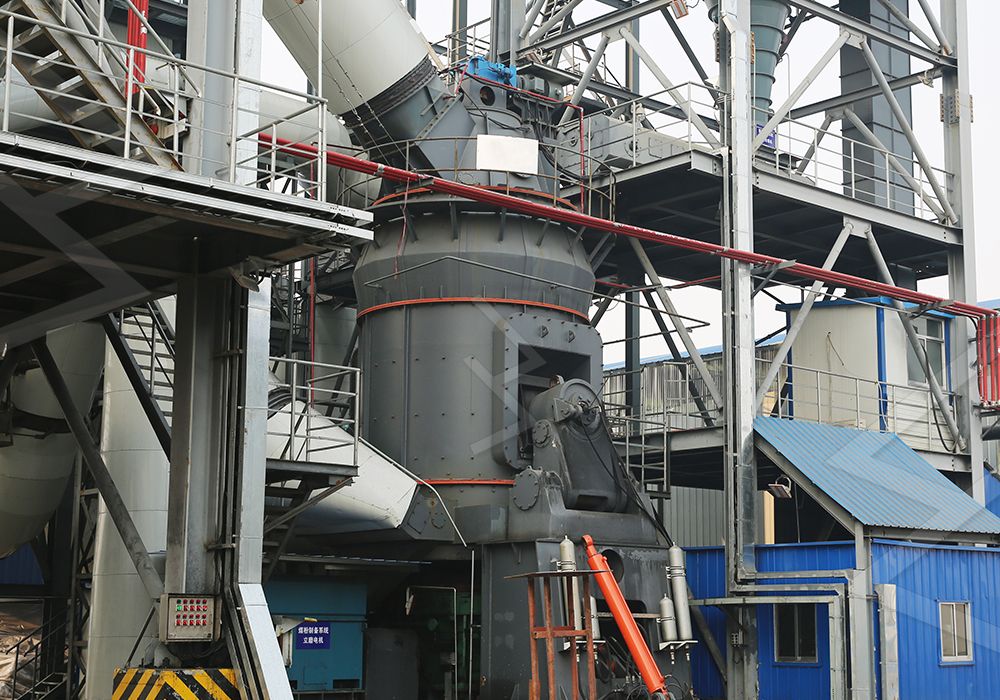
For high-volume slag processing, such as grinding granulated blast furnace slag (GBFS) for cement replacement or recovering metals from larger-scale steel slag, vertical roller mills are the industry benchmark. The LM Vertical Slag Mill is specifically designed for this purpose. It integrates drying, grinding, powder selection, and conveying into a single, compact unit, reducing the footprint by approximately 50% compared to a ball mill system—a benefit in regions with high infrastructure costs. More importantly, its energy consumption is 30-40% lower, offering dramatic operational savings.
The LM Vertical Slag Mill’s grinding roller and table are designed for abrasive materials, ensuring reliable operation and extended service life. The short material retention time minimizes over-grinding and allows for quick adjustments to product fineness, which is essential for maintaining consistent feed quality to metal recovery units. Its fully sealed negative-pressure operation prevents dust spillage, ensuring the plant environment remains clean.
Optimizing the Entire Processing Circuit
Implementing the right mill is just one part of the optimization puzzle. A holistic approach is necessary:
- Feed Preparation: Ensure slag is pre-crushed to the mill’s optimal feed size (e.g., below 20mm for the MW Mill, 38-65mm for the LM Vertical Slag Mill) to maximize grinding efficiency and throughput.
- Classifying for Efficiency: Integrate a high-efficiency classifier (like the cage-type selector in the MW Mill) with the grinding mill in a closed circuit. This ensures only properly liberated material proceeds to the recovery stage, while coarse material is recirculated, improving overall energy efficiency and product consistency.
- Process Control: Utilize automated control systems to monitor power consumption, feed rate, and product fineness. This allows for real-time adjustments to maintain peak performance and quickly respond to variations in slag feed characteristics.
- Tailings Management: The ground, non-metallic silicate fraction (the tailings from metal recovery) can often be sold as a supplementary cementitious material (SCM), creating an additional revenue stream and moving towards a zero-waste operation.
Conclusion
For Canadian metallurgical producers and processors, slag is no longer just a waste liability but a strategic resource. The economic and environmental imperative to recover embedded metals is clear. By moving beyond traditional grinding methods and adopting advanced, efficient technologies like the MW Ultrafine Grinding Mill for precision fine grinding or the high-capacity LM Vertical Slag Mill for bulk processing, operators can significantly enhance metal recovery rates, reduce specific energy consumption, and ensure their operations are productive, profitable, and environmentally responsible. The optimization of the grinding stage is, therefore, not merely an equipment choice but a fundamental business decision for the future of sustainable metal production in Canada.
Frequently Asked Questions (FAQs)
- What is the primary benefit of using a vertical slag mill over a traditional ball mill for slag processing?
The primary benefits are significantly lower energy consumption (30-40% savings), a much smaller physical footprint, integrated drying and grinding, and better control over particle size distribution, leading to more efficient downstream metal recovery. - How fine do I need to grind my slag to recover metals effectively?
The optimal fineness depends on the mineralogy of your specific slag. It requires test work to determine the grind size (often measured in P80 microns or mesh) needed to liberate the target metal particles. Mills with adjustable fineness, like the MW series, are ideal for dialing in this parameter. - Can these grinding mills handle wet or moist slag?
Yes, specific models like the LM Vertical Slag Mill are designed with integrated drying capabilities, using hot air introduced into the mill to dry moist feed materials during the grinding process, eliminating the need for a separate dryer. - How significant is wear when grinding abrasive slag, and how is it managed?
Wear is a major consideration. Modern mills address this with wear-resistant alloys for grinding rollers and tables, and through designs that minimize the number of wear-prone parts in the grinding chamber (e.g., the MW Mill’s lack of internal bearings and screws). - What are the environmental compliance considerations for a slag grinding plant in Canada?
Key considerations include dust control (requiring high-efficiency baghouse filters like pulse jet collectors), noise abatement (using mufflers and sound enclosures), and overall system sealing to prevent emissions. Modern mills are designed with these features as standard. - Is it feasible to process small batches of different slag types?
Yes, for smaller or more varied operations, flexible mills with a wide adjustable range in fineness and capacity, such as the MW Ultrafine Grinding Mill, are well-suited for processing different slag batches to different product specifications. - What kind of after-sales support is typically available for such specialized equipment?
Reputable manufacturers provide comprehensive support, including installation supervision, operator training, a sufficient supply of genuine spare parts, and remote technical assistance to ensure worry-free operation and maximize equipment uptime.